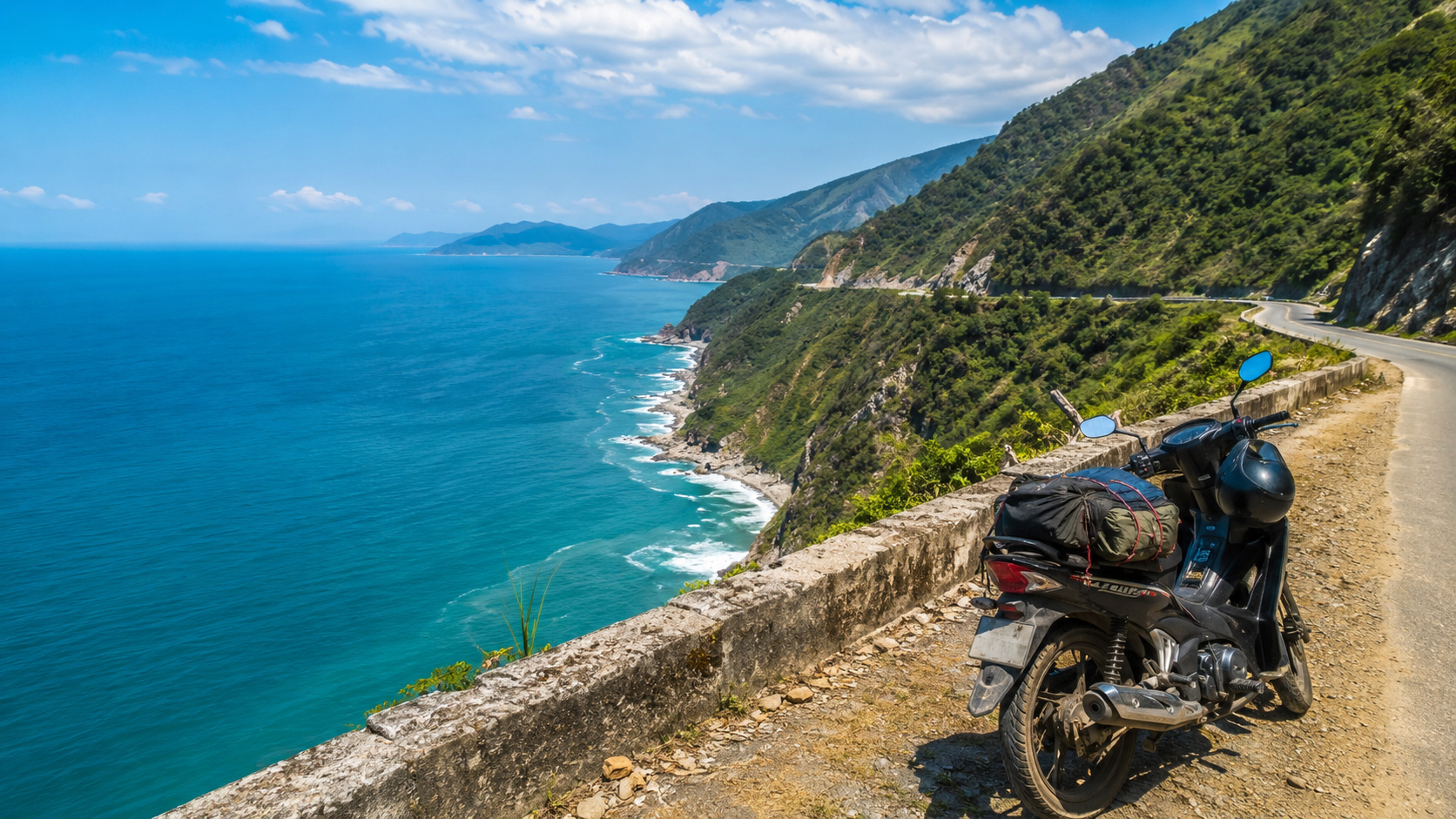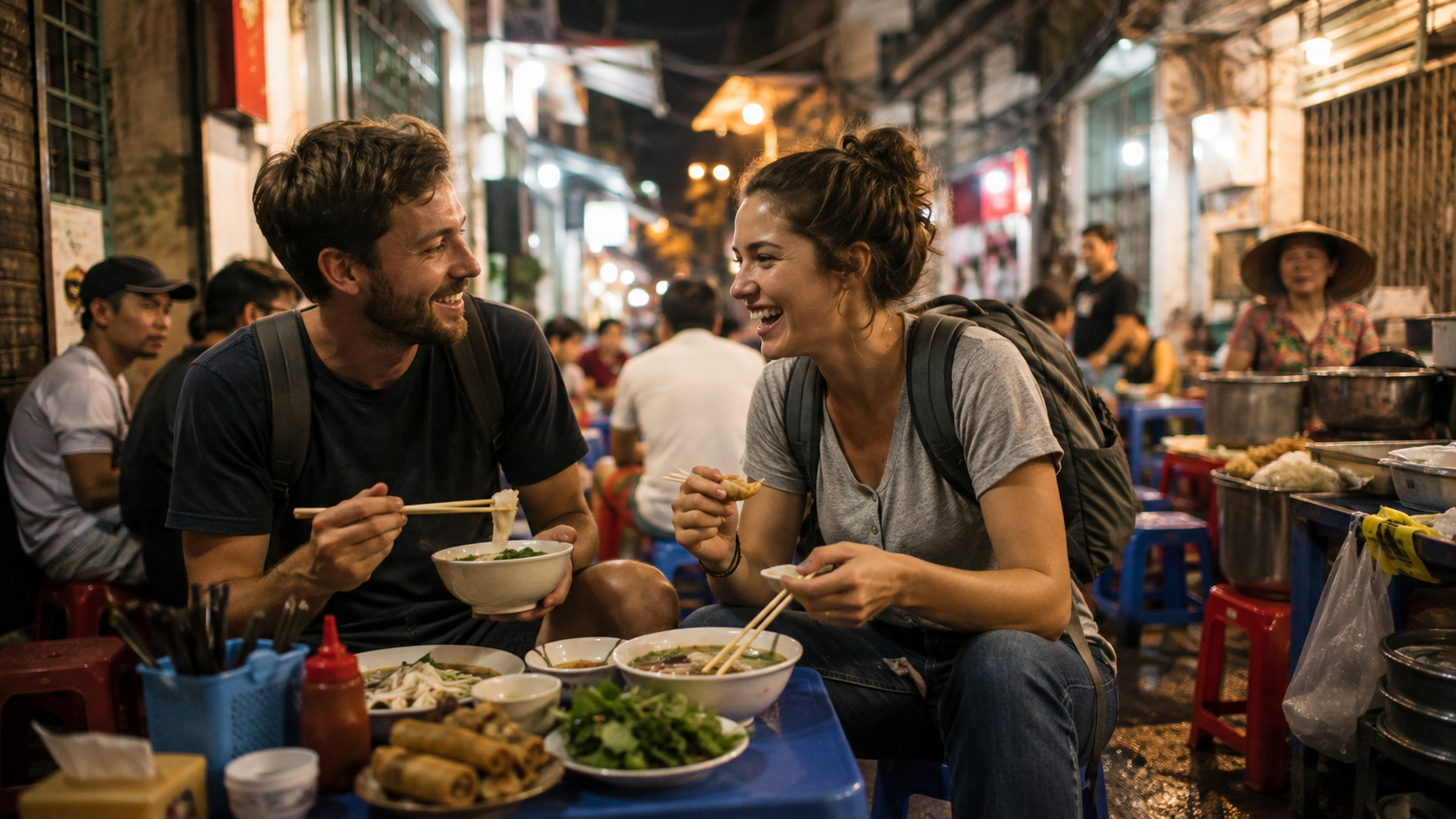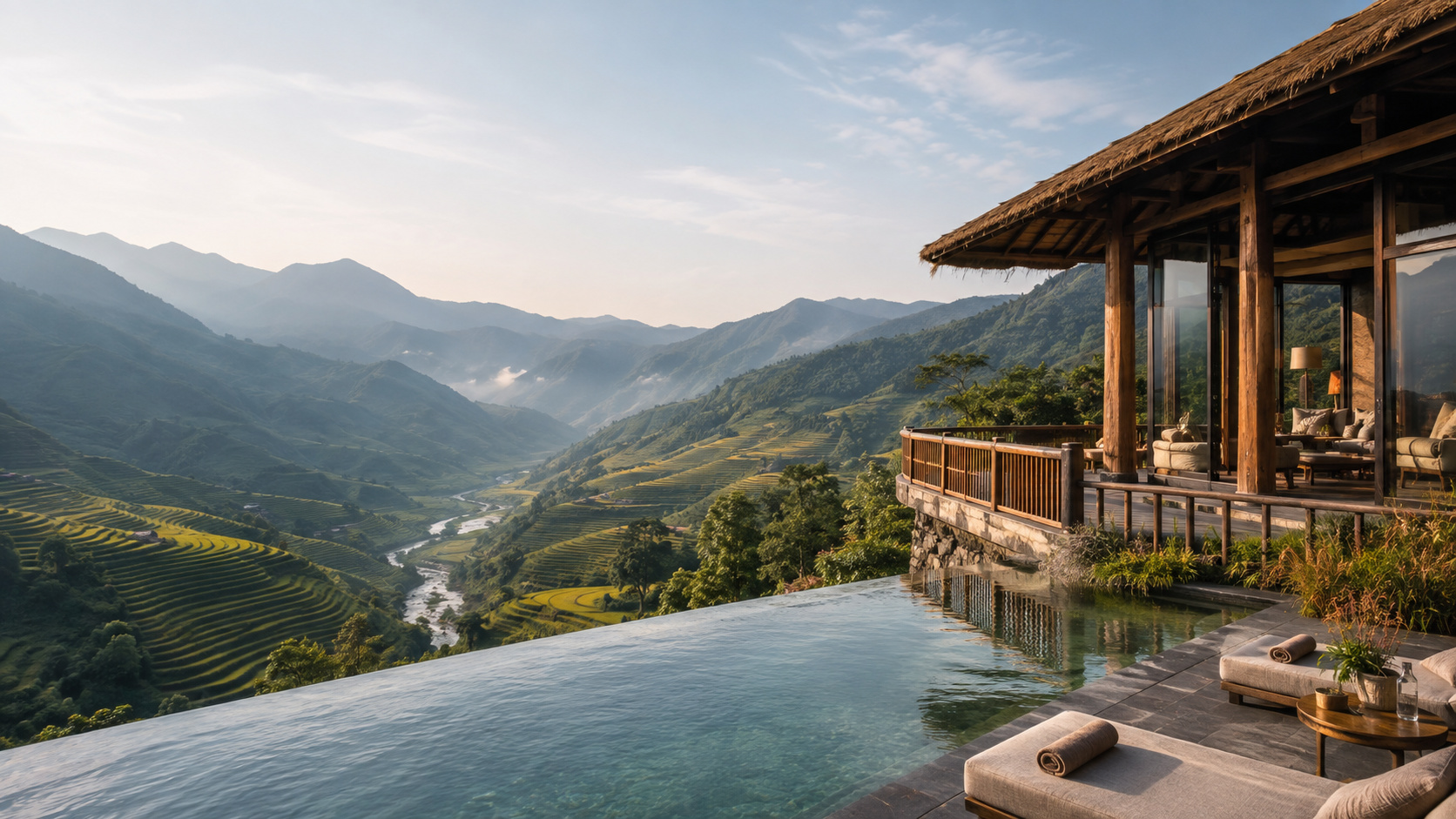

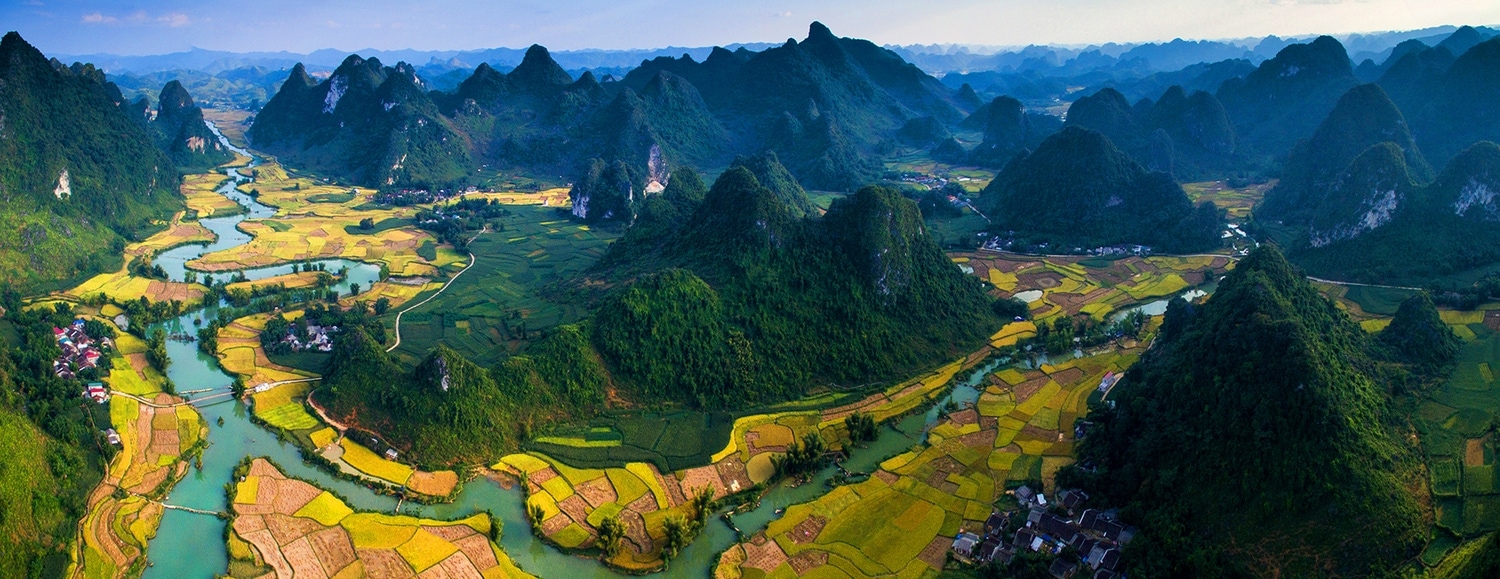
When to travel to Vietnam is one of the most important questions to ask before finalizing a route. The answer is not one single month for the whole country. Vietnam stretches from northern mountains to central heritage towns, long beaches, southern cities and tropical islands. A comfortable season for Hanoi may not be the same as the best moment for Phu Quoc. A trekking route in Sapa needs different thinking from a family beach holiday or a food-focused city trip. The best timing comes from asking better questions. Once region, purpose and travel style are clear, the calendar becomes easier to use.
Start with route geography, not the calendar alone
Many travellers begin by asking, “What is the best month to visit Vietnam?” That question is too broad. A stronger approach begins with geography. Are you visiting the north, central Vietnam, the south, the coast, the mountains or a multi-region route? Each area has different weather patterns, and each activity responds differently to heat, rain, visibility or sea conditions. The same month can feel excellent in one region and less ideal in another. Timing should follow the route rather than force the route into a vague national weather answer.
Question one: Which regions are essential?
If northern Vietnam is essential, check Hanoi, Sapa, Ninh Binh and Halong Bay conditions. If central Vietnam matters most, review Hoi An, Hue, Da Nang or Nha Trang. If southern Vietnam is central, think about Ho Chi Minh City, the Mekong Delta and Phu Quoc.
A Vietnam season guide can help travellers move from a national question to regional timing.
The route should be built around the destinations that matter most.
After that, secondary stops can be adjusted more easily.
Question two: Is this a beach trip, culture trip or mixed journey?
Beach trips need more attention to sunshine, sea conditions and resort rhythm. Culture trips can often work in more seasons if walking comfort and rain plans are handled well.
Question three: Does trekking matter?
If trekking in Sapa or other mountain areas is a highlight, weather and trail condition become more important than general city temperature.
Match weather with travel purpose
Weather affects more than comfort. It changes how travellers experience the whole itinerary. A family route may need softer heat and shorter transfers. A honeymoon may benefit from gentle weather and romantic hotel time. A budget route may use shoulder seasons wisely. A premium route may be shaped around cruises, resorts and special experiences. A food route can work year-round, but market walks and street food tours still need timing. Instead of asking for perfect weather everywhere, ask which weather conditions the trip can handle and which it cannot.
Question four: What kind of heat can you tolerate?
Some travellers enjoy tropical warmth. Others become tired quickly in humidity. A route that looks beautiful on paper may feel difficult if it ignores personal heat tolerance.
Question five: Are there children or older travellers?
Families and multi-generational groups should choose timing with comfort in mind. Heat, long walking and rainy transfer days can affect the group more than expected.
For family planning, Vietnam family travel timing can help connect season with pace and comfort.
Question six: Is a beach ending non-negotiable?
If the beach ending is the emotional heart of the trip, choose the route around the beach season. Do not treat the beach as an afterthought.
A Vietnam beach vacation timing guide can help compare seaside planning more carefully.
Question seven: Does the trip include cruises or boats?
Halong Bay, Mekong Delta routes and island tours can still be enjoyable in varied weather, but the experience changes with rain, wind and visibility.
Question eight: Are you willing to trade perfect weather for lower crowds?
Some travellers prefer shoulder periods because they can feel more flexible or better value. Others would rather pay more for stronger weather confidence.
There is no universal answer. The decision should match budget, tolerance and purpose.
Build flexibility into the final route
Even a well-timed Vietnam trip needs flexibility. Weather can shift. Rain can arrive unexpectedly. Heat can feel stronger than expected. A good itinerary includes alternatives: markets, cafés, museums, spa time, shorter walks, food tours, or an afternoon rest. This does not mean planning less carefully. It means planning with reality in mind. Vietnam is not a sealed resort environment. It is a living country with regional moods, seasonal changes and daily movement. A flexible route protects the trip from becoming fragile.
Question nine: What will we do if it rains?
Rain alternatives should be built into city and beach days. Food, craft, cafés, museums and wellness can keep the day enjoyable.
Question ten: Can the route be adjusted by region?
If one area is less ideal in the chosen month, another region may work better. Vietnam’s length is an advantage when the route is flexible.
Question eleven: Are major holidays or peak periods involved?
Holiday periods can affect transport, hotel prices and crowd levels. They can also add cultural atmosphere. The route should be planned with this in mind.
Question twelve: Should the trip start north or south?
Starting direction can help match the season. A north-to-south route and a south-to-north route may feel different depending on the month.
A travel to Vietnam planning guide can help connect timing with route order.
Question thirteen: Which experience must be protected most?
If one experience matters above all, choose dates around it. This may be Sapa trekking, Halong Bay, a beach resort, Hoi An evenings or a family holiday window.
Question fourteen: Who can help match season and route?
When the journey crosses several regions, local support through Vietnam itinerary planning support can help avoid seasonal contradictions.
When to travel to Vietnam depends on region, purpose and travel style. Ask which destinations are essential, whether the trip is beach-focused or cultural, how much heat the group can handle, whether trekking or cruises matter and what flexibility exists if weather changes. Vietnam’s variety means there is usually a good route for many times of year, but not every route works equally well in every season. A well-timed journey does not chase one perfect month. It matches the calendar to the experience the traveller truly wants.
Tradition Việt
Hotline: (+84) 967 04 88 91 / (+84) 376 304 008
Email: info@traditionviet.com
Adresse: CT2A Hanoi Homeland