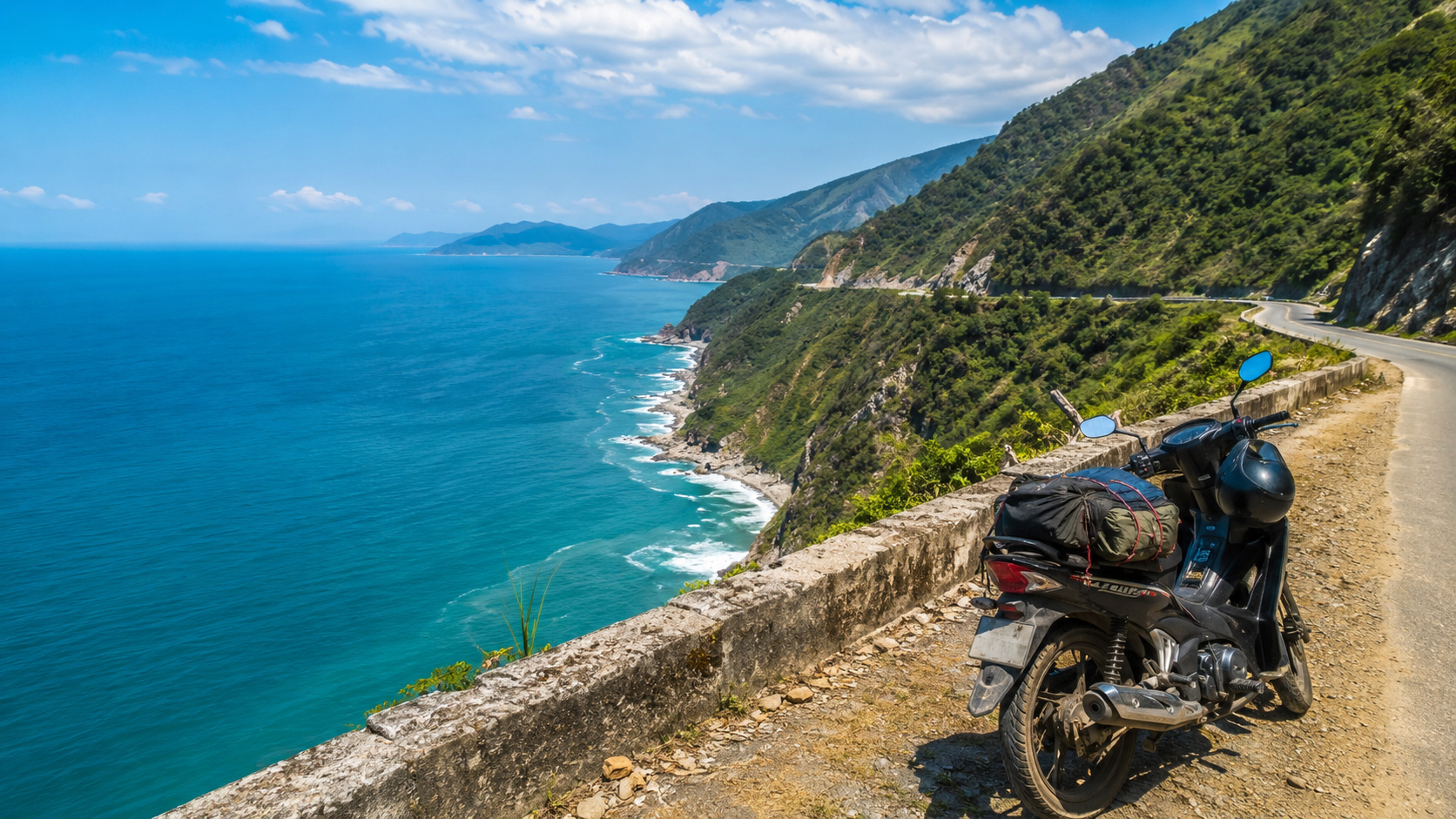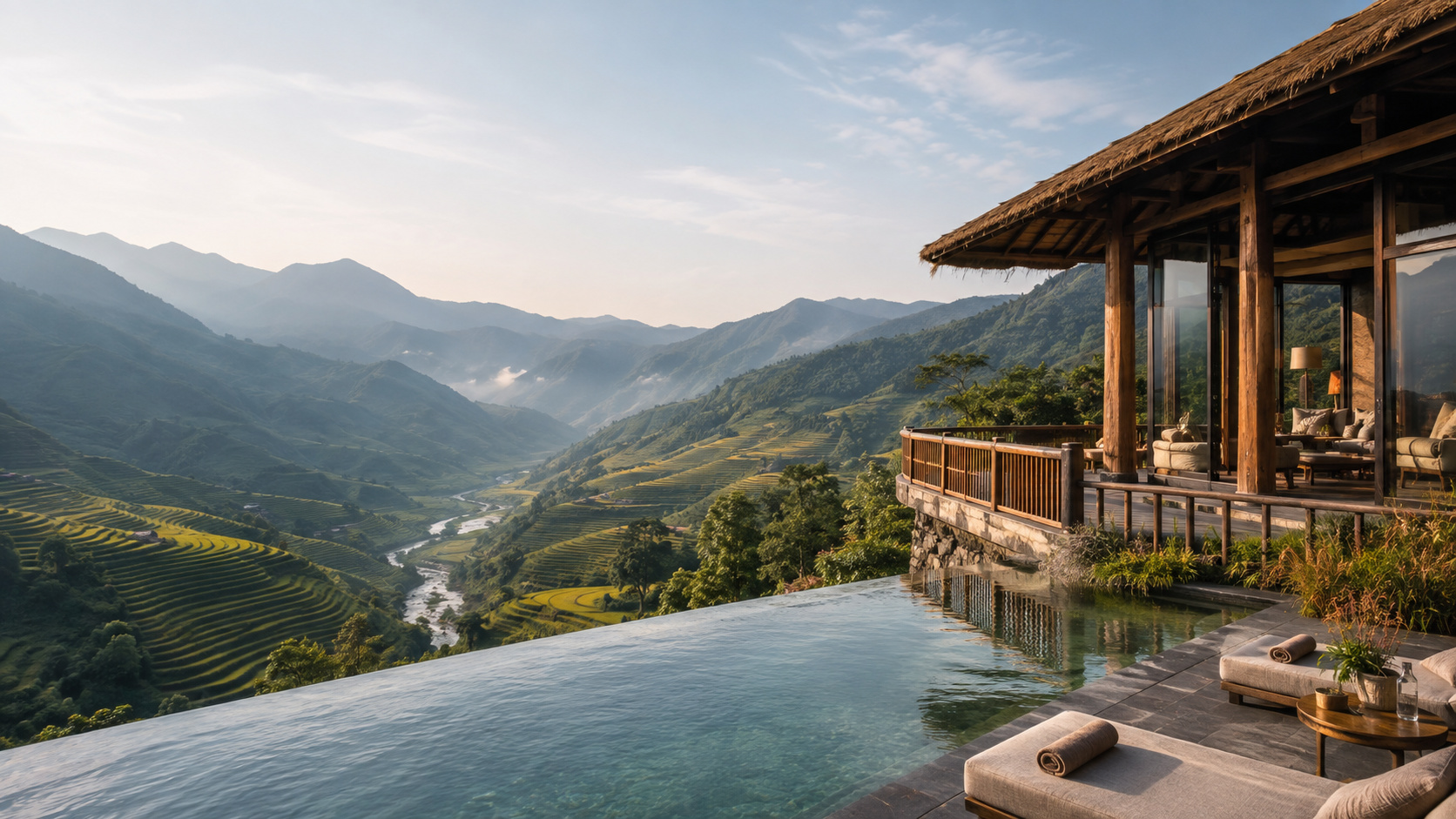

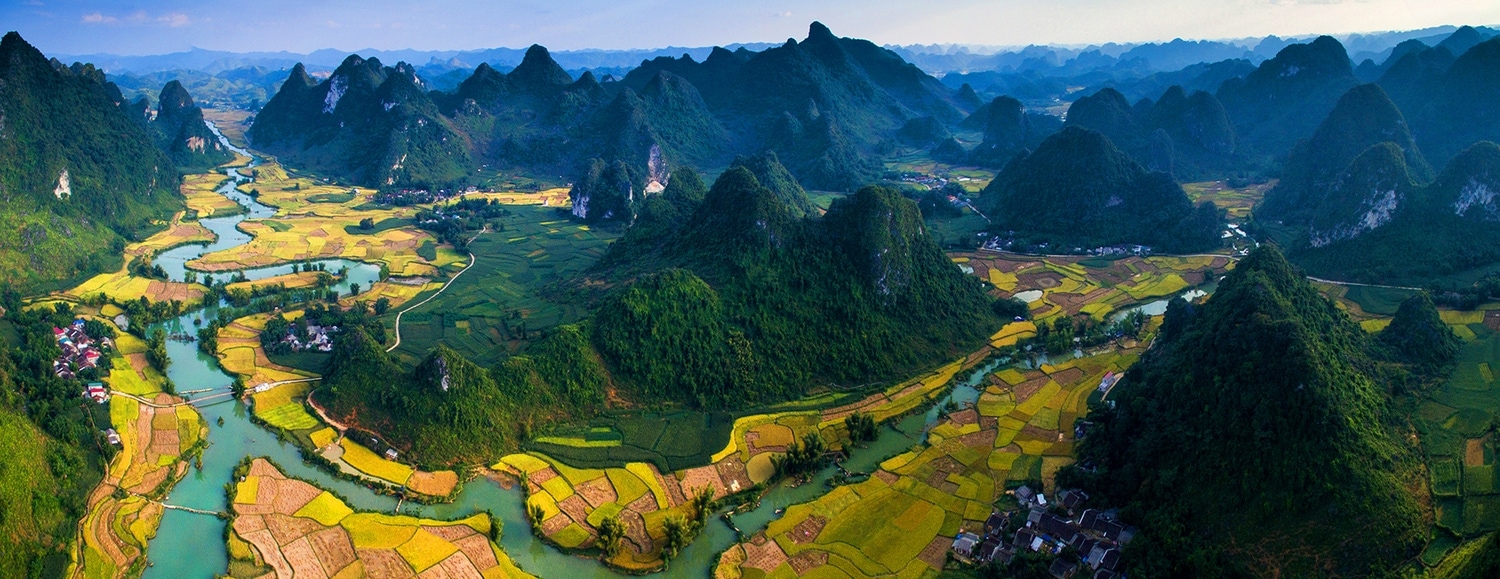
Vietnam weather by season should be understood by region rather than by one national answer. The country stretches from northern mountains to central coast, southern river plains and tropical islands. A month that works well for one route may be less suitable for another. Travellers should connect weather with the experiences they care about most: trekking, beach time, cruises, city walking, family comfort or photography. Seasonal planning should not create fear. It should help the itinerary breathe. These twelve points give travellers a clearer way to prepare for Vietnam without chasing an unrealistic perfect month.
Think region first, season second
Vietnam’s climate is shaped by geography. Northern Vietnam can feel cool in winter and hot in summer, while central Vietnam has its own coastal rhythm and rainy periods. Southern Vietnam is warmer year-round, with wet and dry seasons that affect outdoor pacing. Islands and mountain areas add even more variation. This means travellers should begin by asking which region matters most. Once the priority region is clear, the timing becomes easier to judge.
Point one: avoid asking for the single best month
There is rarely one perfect month for every region and activity. A better question is which month best supports your chosen route.
A best season to visit Vietnam guide can help travellers compare the country by region instead of generalizing too much.
Point two: protect the experience that matters most
If trekking is central, choose timing around mountain comfort. If beach time is the reward, protect the beach destination. If food and culture are priorities, the route may be more flexible.
Point three: build the route around weather-sensitive stops
Cruises, beaches, trekking and island tours are more weather-sensitive than many city activities. Give them more care in the schedule.
Match weather with the traveller’s body
Weather is not only technical. It affects energy, mood and daily pace. Some travellers tolerate heat well. Others need slower starts, air-conditioned breaks and shorter walks. Families with children, older travellers and guests with medical needs may need gentler timing. A route that is technically possible may still feel tiring if the daily rhythm ignores weather. Good planning adapts the day to the season.
Point four: plan city walking around heat
In hotter periods, use early starts, shaded routes, longer lunch breaks and lighter afternoon plans. This helps travellers enjoy cities without exhaustion.
A Vietnam travel timing guide can help connect comfort level, budget and seasonal planning.
Point five: prepare layers for northern winter
Northern Vietnam can feel cool, especially in mountain areas. Travellers should not pack only tropical clothing if visiting Hanoi, Sapa or higher regions in cooler months.
Point six: accept some rain without cancelling the trip
Rain does not always ruin Vietnam travel. Many food walks, museums, cafés, markets and city experiences can still work with flexible timing.
A smoother itinerary includes backup ideas.
It does not panic at the first weather shift.
Beach and mountain choices need extra care
Beach and mountain experiences require more precise weather thinking. A misty Sapa day may still be atmospheric, but muddy trails can affect difficulty. A beach destination may be beautiful in one season and less reliable in another. Halong Bay, Nha Trang, Phu Quoc, Sapa and the central coast all deserve individual review. Travellers should not choose a beach stop only because the route has space. The beach should match the season and the trip’s purpose.
Point seven: check each beach destination separately
Phu Quoc, Nha Trang, Da Nang and other coastal areas do not behave identically. Choose beach timing by destination, not by the word “Vietnam beach.”
A Vietnam beach vacation timing guide can help compare beach planning more clearly.
Point eight: give outdoor highlights enough margin
If a cruise, trek or island tour is the emotional highlight, avoid placing it in a fragile one-night slot. Add enough room for adjustment.
Point nine: use season to choose the right activity level
Hot, humid or wet conditions may call for softer walking, shorter hikes, private transport or more indoor pauses.
Let season guide pacing, not only destination choice
Seasonal planning is not only about choosing where to go. It also shapes how fast to move, when to start the day, how many guided hours to book and where to leave flexibility. A good itinerary can still succeed in many months if it adapts pace intelligently. This is especially true for families, first-time visitors and travellers combining several regions. Weather should help refine the itinerary, not remove all spontaneity.
Point ten: build flexible half-days into longer routes
A flexible half-day can absorb rain, heat, laundry, rest or a delayed transfer. It is one of the simplest ways to make the route stronger.
A Vietnam trip planning proposal can help adapt season, route and pace before bookings are fixed.
Point eleven: avoid stacking all outdoor activities together
Spread outdoor experiences across the route when possible. This reduces the chance that one weather pattern affects too many highlights.
Point twelve: ask for region-based advice before booking
Local support can help match weather, route order, hotels and outdoor experiences to the traveller’s real priorities.
Vietnam weather by season becomes easier when travellers think by region, activity and personal comfort. There is no single perfect answer for every route. Protect the experiences that matter most, prepare for heat or cool weather, review beach and mountain stops individually and build flexibility into the itinerary. Weather should not make Vietnam feel complicated. Used well, it helps travellers create a smoother journey with better timing, fewer surprises and more energy for the places they came to enjoy.
Tradition Việt
Hotline: (+84) 967 04 88 91 / (+84) 376 304 008
Email: info@traditionviet.com
Adresse: CT2A Hanoi Homeland