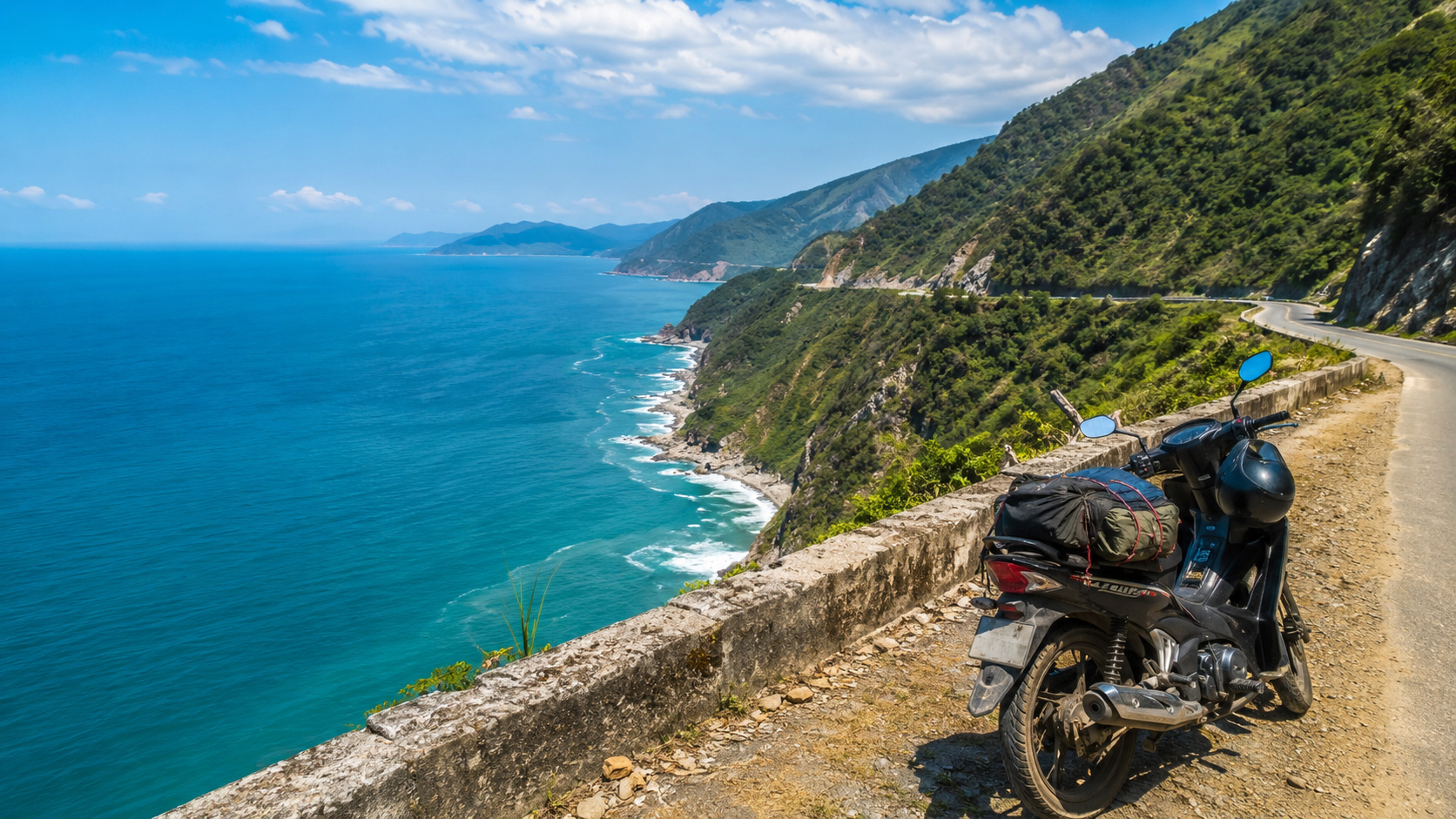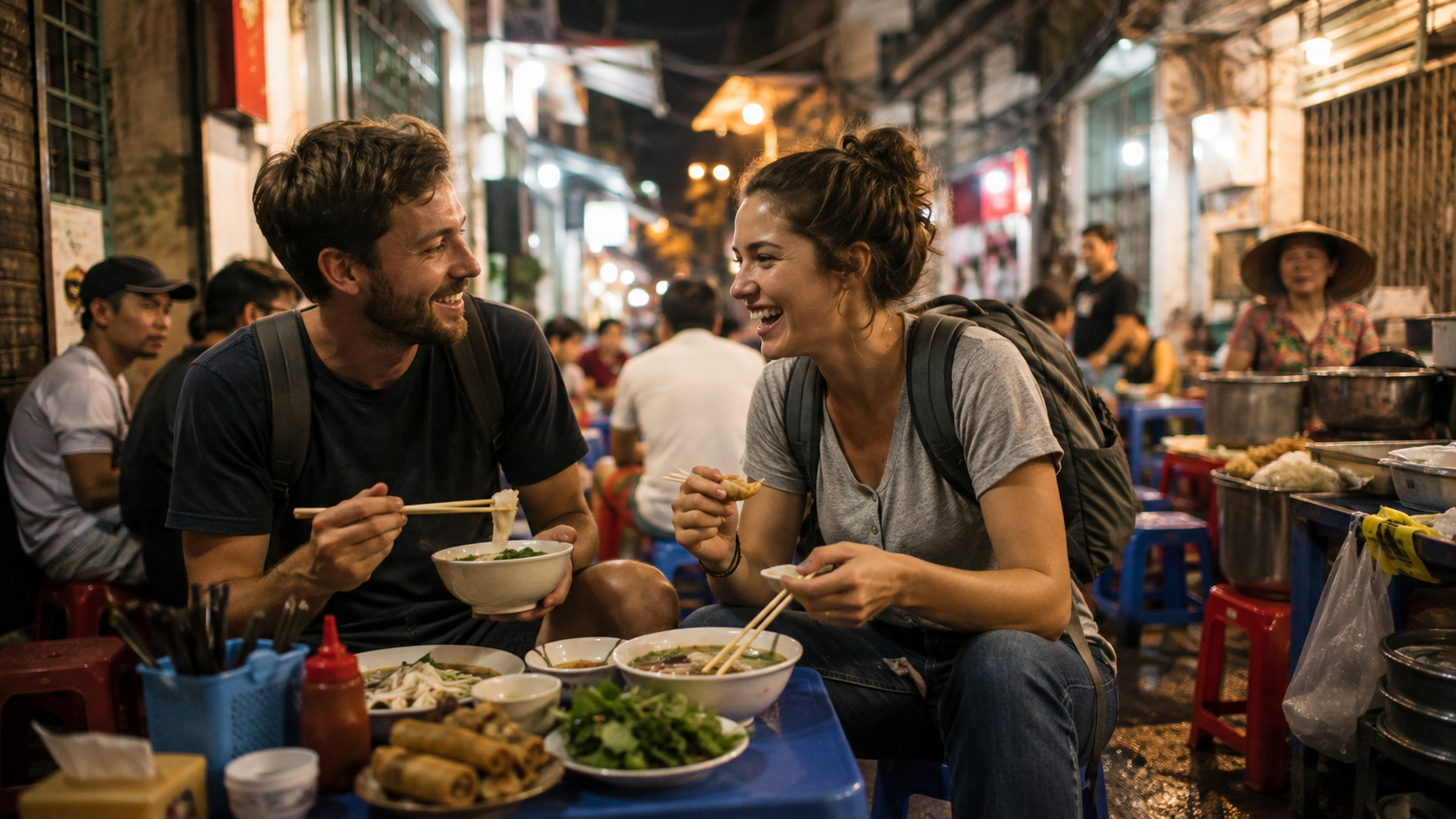


Vietnam trip planning becomes smoother when travellers build the journey in the right order. Vietnam is long, diverse and full of possible routes: northern mountains, Hanoi food, Halong Bay, central heritage, Hoi An lanterns, Ho Chi Minh City, the Mekong Delta and island beaches. The challenge is not finding places to visit. The challenge is arranging them so the trip has rhythm. A strong plan begins with travel style, then route shape, then timing, hotels, transfers, guides, documents and free time. These thirteen points help turn a broad Vietnam dream into a practical, enjoyable itinerary.
Start with travel style and route shape
The first planning mistake is choosing destinations before defining the travel style. A family, couple, backpacker, premium traveller and first-time visitor may all use Vietnam differently. Some want culture and food. Others want scenery, beaches, slow luxury or light adventure. Once travel style is clear, the route shape can follow. A north-focused route, central heritage route, southern route or full north-to-south journey each creates a different pace. Planning becomes easier when the itinerary has a purpose.
Point one: define the trip’s main feeling
Choose whether the trip should feel relaxed, balanced, active, romantic, family-friendly, premium, budget-conscious or food-focused. This helps every later decision.
A travel to Vietnam planning guide can help travellers turn broad ideas into a clearer preparation process.
Point two: choose the route direction
North-to-south, south-to-north or one-region routes can all work. The best direction depends on flights, season, beach plans and travel pace.
Point three: avoid adding destinations without a role
Each destination should have a job. Hanoi may introduce food and culture. Hoi An may bring old-town atmosphere. Phu Quoc may close the trip softly.
A Vietnam itinerary sample guide can show how destinations can be connected by purpose.
Count timing, season and movement honestly
Vietnam planning often becomes difficult because transfer time is underestimated. Domestic flights, road journeys, cruises, train routes and day trips all need space. Weather also differs by region, so one month may suit some destinations better than others. A good plan treats time as seriously as money. Travellers should imagine each day from morning to night. Where is the luggage? When is lunch? How tired will the group be? What happens if it rains? These questions make the route more realistic.
Point four: choose season by region
Vietnam’s north, center, south, mountains and islands can have different seasonal patterns. Match timing to the most important experience.
A Vietnam season planning guide can help compare regional travel timing.
Point five: make transfer days lighter
A flight or long drive is not invisible. Keep sightseeing light around major transfers and avoid placing the trip’s highlight after the hardest movement.
This protects energy and attention.
A smoother plan often feels more valuable even if it includes fewer stops.
Point six: protect at least one free half-day
A free block can absorb weather, tiredness, shopping, laundry or a spontaneous favorite discovery.
Point seven: choose day trips carefully
Day excursions should add contrast, not duplicate what is already in the route. Ninh Binh, Halong Bay, craft villages and the Mekong Delta each serve different purposes.
Compare hotels, guides and support by function
Hotels are not just places to sleep. They decide how useful free time feels. Guides are not just people who explain sites. They shape understanding, safety and pace. Local support is not just an add-on. It helps when flights, weather or personal needs change. Vietnam trip planning becomes stronger when each service is compared by function. The question is not only “How much does it cost?” The better question is “What problem does this choice solve?”
Point eight: choose hotels by location and role
A city hotel should make walking, meals and pickup easy. A beach hotel should support rest. A family hotel should solve room and meal needs.
A Vietnam travel agency guide can help compare service choices more clearly.
Point nine: use guides where meaning matters
Food, heritage, countryside, river routes and first-day orientation often benefit from guiding. Beach afternoons and free evenings may not need it.
Point ten: check inclusions before booking
Meals, tickets, transfers, guide hours, domestic flights and support contacts should be clear. Vague inclusions can create hidden costs.
Point eleven: prepare documents early
Passport, visa or e-visa needs, insurance, hotel details and onward travel should be reviewed before departure, not at the airport.
Point twelve: match budget to priorities
Spend where it changes the experience: good location, meaningful guides, safer transfers, quality cruises or beach comfort.
Point thirteen: request a route review before finalizing
A tailored Vietnam trip planning proposal can align route, season, budget and pace before bookings become fixed.
Vietnam trip planning becomes easier when handled in the right order. Define travel style, choose route direction, give each destination a role, count transfers honestly, plan season by region and compare hotels, guides and support by function. Vietnam offers enormous variety, but variety needs structure. A smoother trip is not necessarily the longest or most expensive one. It is the one where every choice supports the traveller’s real purpose, energy and time. With careful planning, Vietnam feels generous rather than overwhelming.
Tradition Việt
Hotline: (+84) 967 04 88 91 / (+84) 376 304 008
Email: info@traditionviet.com
Adresse: CT2A Hanoi Homeland