
What to know before you arrive in Vietnam
Keep the first day gentle after a long flight
If you fly from Europe to Vietnam, your body needs time to adjust to the time zone, the weather and the sound of a new city. The first day should not be packed with visits. A short walk around Hoan Kiem Lake, a simple meal and an early night often work much better than rushing straight into a full sightseeing program.
Hanoi and Ho Chi Minh City both have strong energy. Traffic, street food, markets, coffee and the movement of daily life can feel exciting and slightly overwhelming at the same time. A light first day helps you enter the journey more calmly.
Cash, apps and local habits
Cards and digital payments are becoming more common in big cities, but cash is still useful for small restaurants, markets, tips and rural stops. You do not need to carry a large amount, but having some Vietnamese dong for the first days makes small situations easier.
Ride-hailing apps, maps and translation tools are useful, but they should not be your only support. In some places, street names, pick-up points and communication habits may be different from what you expect. A well-located hotel and a local support number can make your first trip much easier.
Enjoy local food without taking unnecessary risks
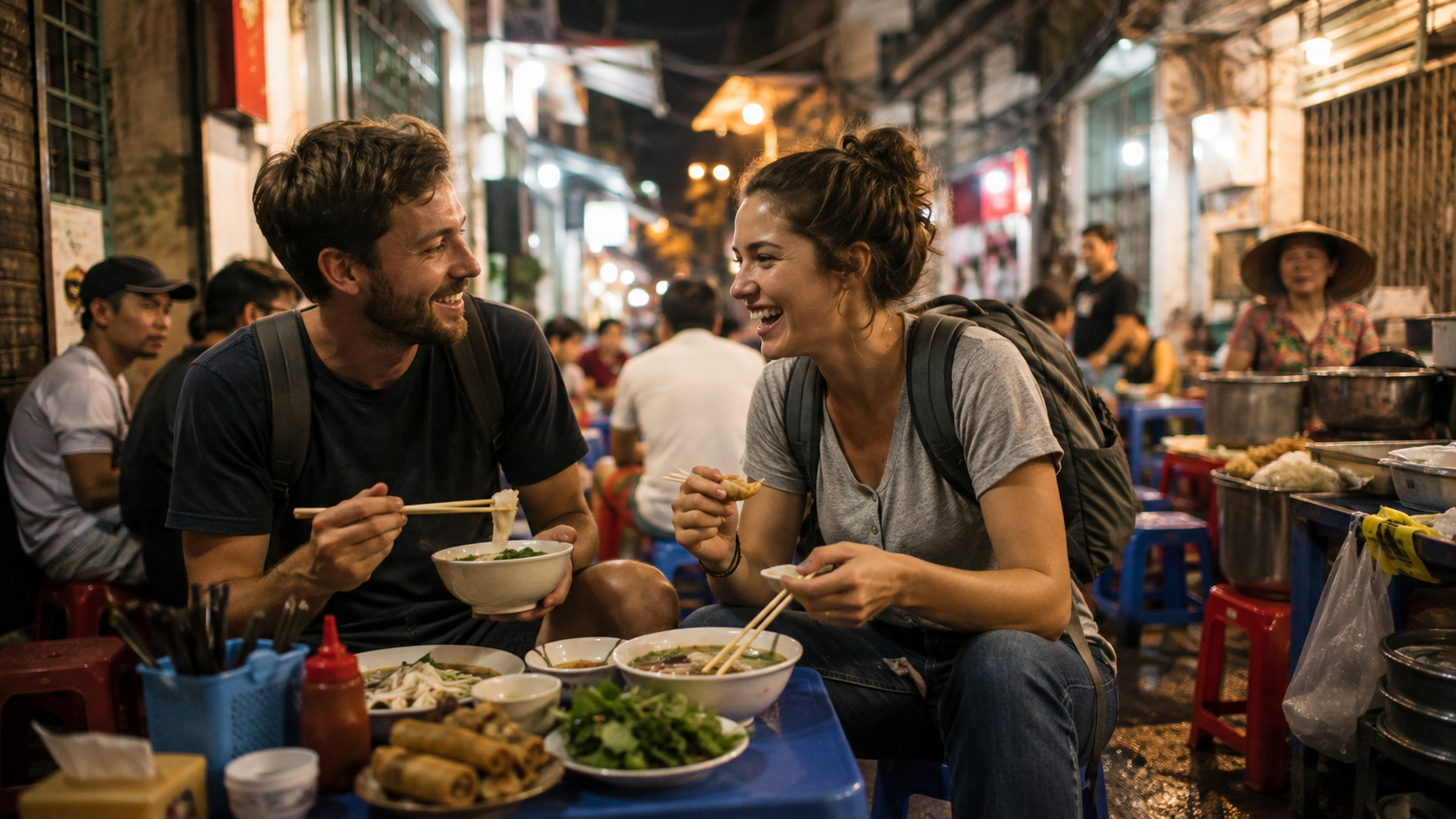
Vietnamese food is one of the reasons many travelers want to return. You do not need to avoid local places, but it is better to choose busy restaurants where food is cooked hot and handled cleanly. On the first day, start with familiar dishes such as pho, bun cha, chicken rice or banh mi before trying stronger flavors.
If you travel with children or have dietary restrictions, prepare a few simple phrases or ask your guide to help. Explaining allergies, vegetarian preferences or low-spice needs clearly will prevent many awkward moments.
How to choose a first Vietnam route
The classic route shows several layers of the country
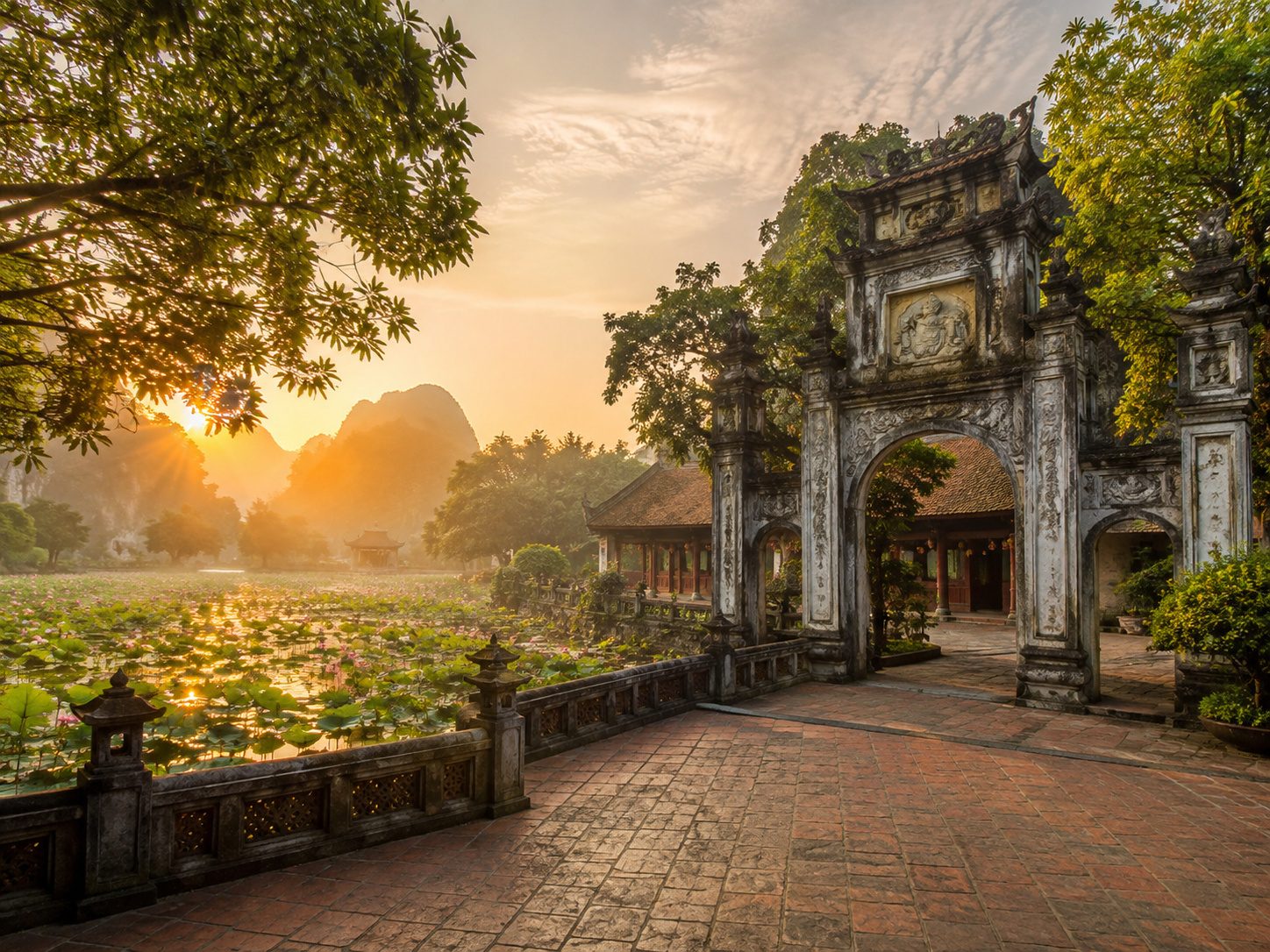
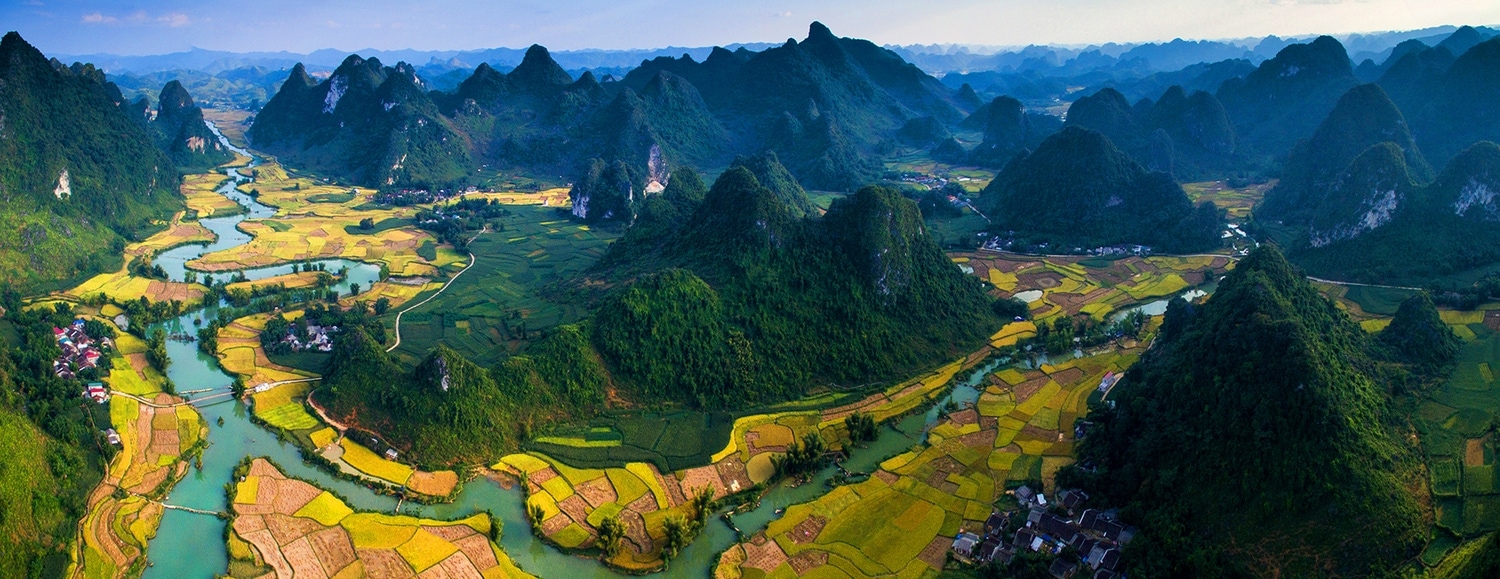
For a first visit, Hanoi – Halong Bay or Ninh Binh – Hue – Hoi An is often a clear and rewarding route. Hanoi gives you the feeling of an old capital, the north adds limestone landscapes and countryside, Hue brings history, and Hoi An offers old streets, food and gentle evenings.
This route works because the places complement each other. You do not need to cover too many provinces to notice real changes in scenery, architecture, cuisine and everyday life.
When to add Southern Vietnam
Southern Vietnam makes sense if you have two weeks or more, or if you want to see the contrast between a lively city and river life. Ho Chi Minh City offers museums, markets, colonial buildings, modern cafés and stories of war, trade and migration. The Mekong Delta feels more open, with rivers, gardens and family-style meals.
If you only have eight to ten days, think carefully before adding the south. Too many domestic flights can leave you with less time to actually enjoy each place.
Not every first trip needs trekking or beach time
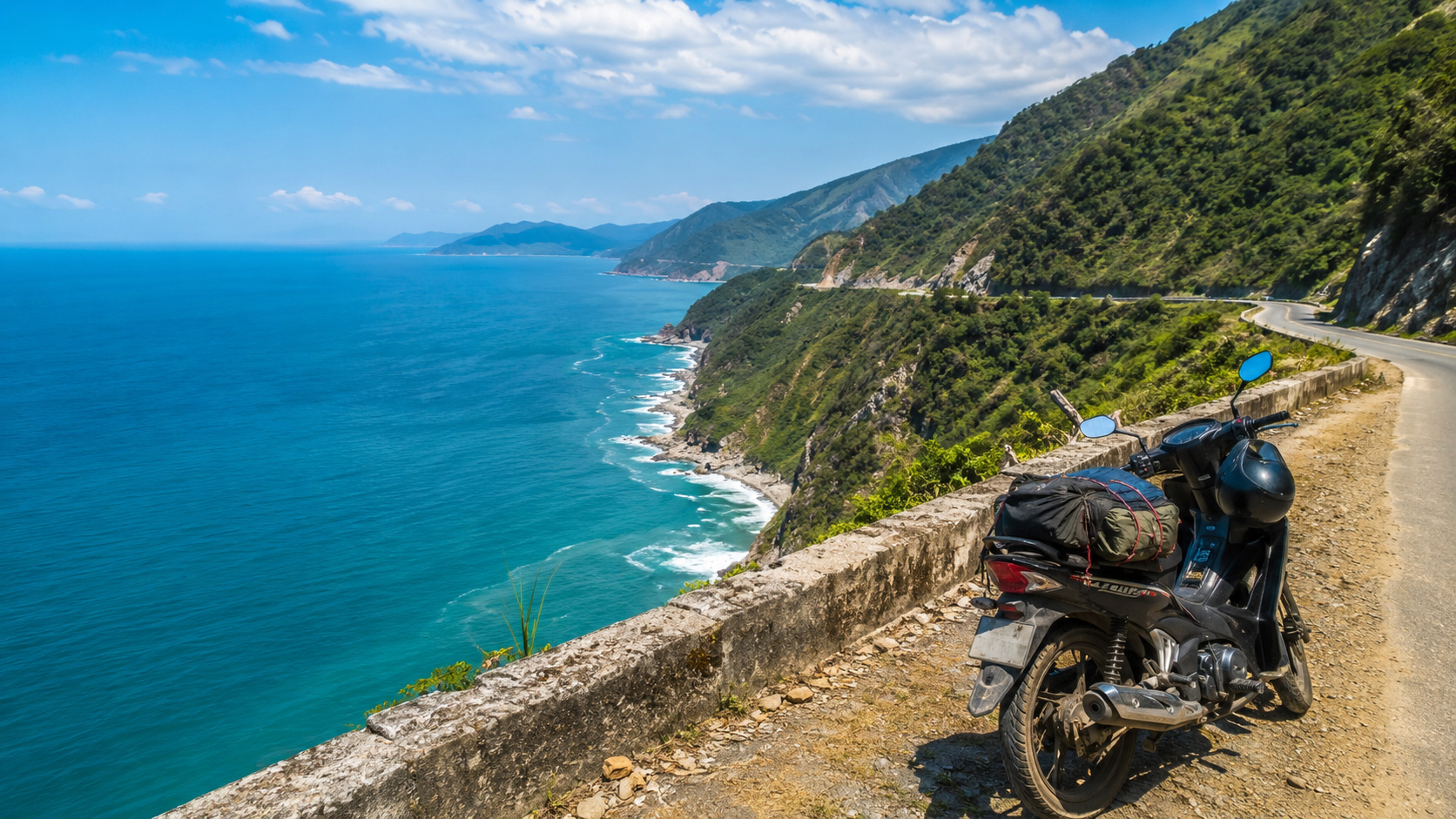
Sapa, Ha Giang, Phu Quoc and Nha Trang are attractive, but not every first-time Vietnam travel guide should include them. Trekking requires fitness, suitable shoes and good weather. Beach time depends heavily on the right season. If you add a place only because the photos look beautiful, but it does not fit your dates or travel style, the experience may fall short.
How to prepare mentally for your first visit
A little flexibility makes the journey easier
In Vietnam, travel times may change because of rain, traffic, boat schedules or local conditions. This does not mean the trip is poorly organized. A good itinerary leaves enough space to adjust, especially in mountain areas, bays and busy travel periods.
It is better to see your itinerary as a clear frame, not a rigid script. If the weather is too hot, a visit can be moved. If children are tired, one stop can be removed. If a local market turns out to be more interesting than expected, staying a little longer can be the right decision.
A guide helps you understand the small things
A good guide is not valuable only because of historical knowledge. They can explain ancestor worship, how to order in a small restaurant, when bargaining is appropriate and what to avoid in sacred spaces. These small details make the country feel less distant.
For first-time visitors, language support is also important. When someone understands both your needs and local reality, you can ask more freely and avoid guessing in unfamiliar situations.
Tradition Việt helps you begin with the right questions
Instead of sending one fixed program immediately, Tradition Việt can first ask about your dates, number of travelers, ages, budget and preferred travel style. From there, the route can be arranged more realistically: which days should include long transfers, where you should stay longer, where a guide is useful and where you can explore freely.
Câu hỏi thường gặp
Is Vietnam suitable for a first trip to Asia?
Yes. Vietnam offers good hotels, domestic flights, varied food and many guided options, but the route should be realistic for your travel style.
Which city is better for arrival, Hanoi or Ho Chi Minh City?
Hanoi is ideal for a north-to-central cultural route, while Ho Chi Minh City works well if you want to include the south or the Mekong Delta.
Do I need a guide every day?
Not always. A guide is most useful for cultural sites, countryside visits, markets, temples and places where local context makes the visit richer.
Is street food safe?
It can be safe when chosen carefully. Busy stalls with freshly cooked food are usually better than places where food has been sitting for a long time.
Send us your expected travel dates, number of travelers and main wishes to receive itinerary advice and a suitable quote from Tradition Việt.
📞 Hotline: (+84)967 04 88 91 / (+84)376 304 008
📧 Email: info@traditionviet.com
Address: CT2A, Hanoi Homeland, Thuong Thanh Ward, Long Bien District, Hanoi.