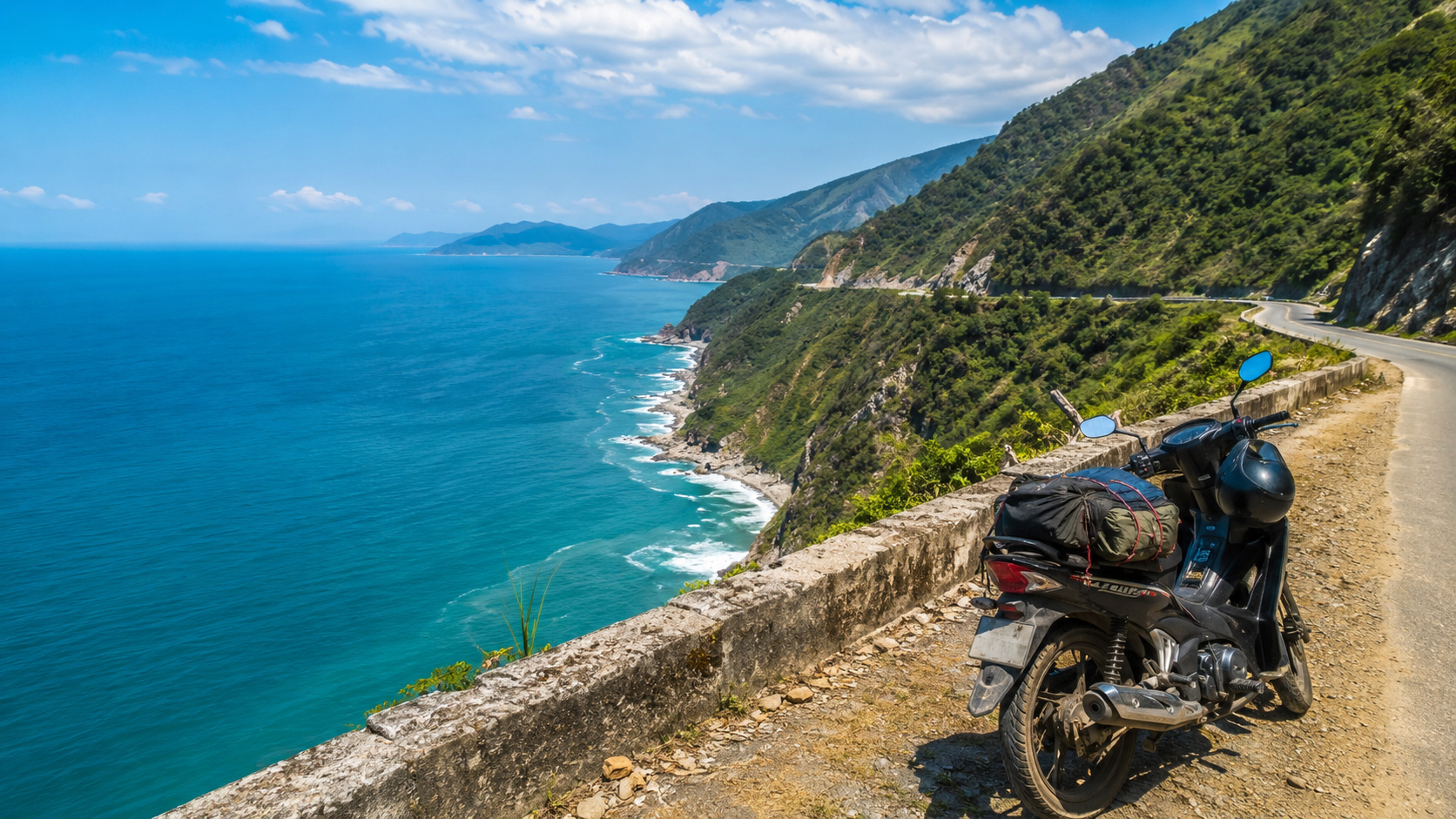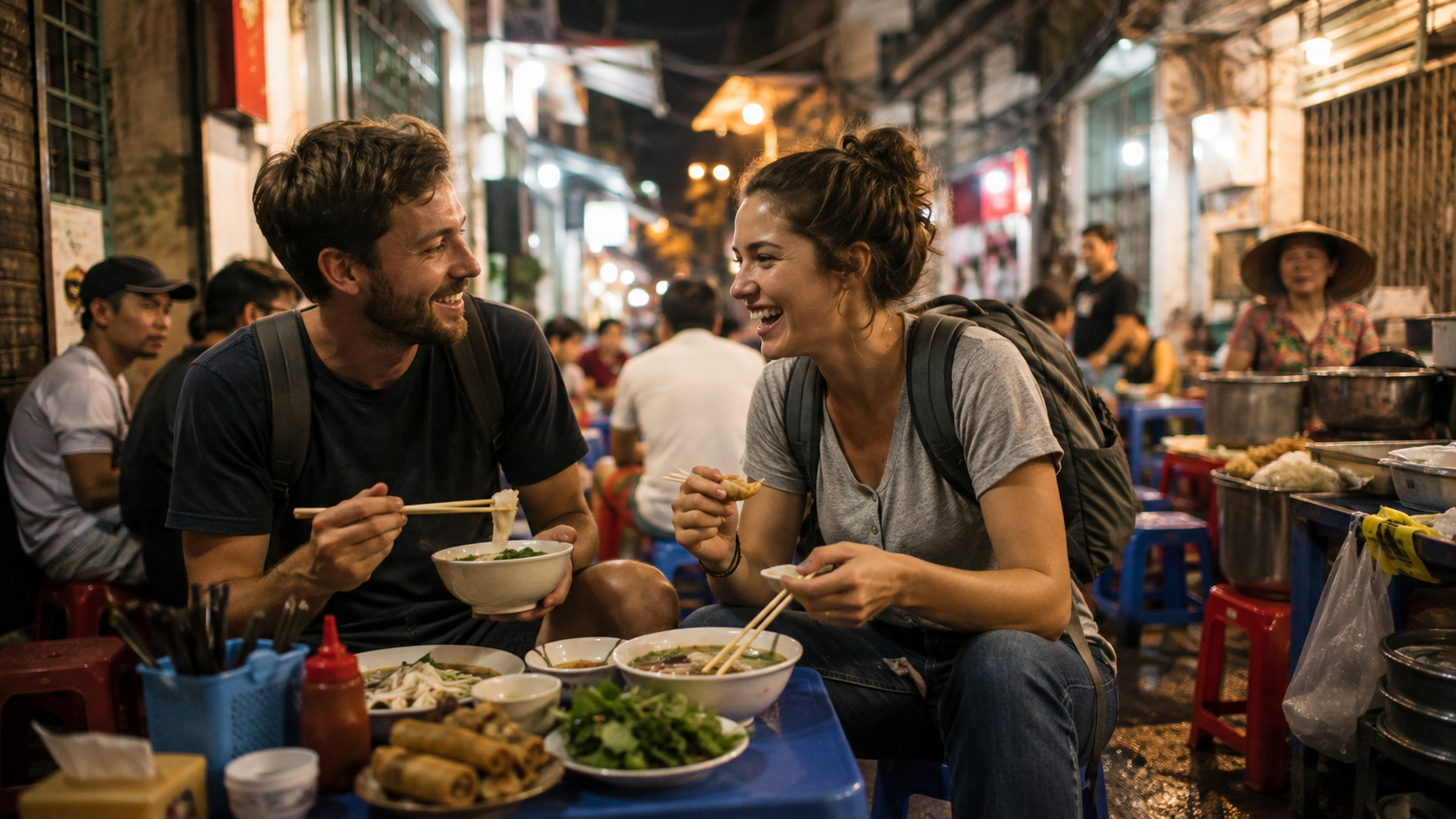


Vietnam travel cost is not defined by one single price. It depends on how long you stay, where you go, when you travel, how often you move between regions, and what level of comfort you expect along the way. A 10-day journey through Hanoi, Halong Bay, Hue, Hoi An and Ho Chi Minh City will not have the same budget as a slower Central Vietnam holiday or a family itinerary with more rest time. Hotels, domestic flights, private transfers, guided visits, seasonal surcharges and small daily expenses all shape the final amount. Planning early helps travelers see which parts deserve priority, which parts can be adjusted, and which parts should not be reduced too much if the trip is meant to stay comfortable, safe and meaningful.
Trip length, route direction and travel season
A shorter trip is not always cheaper if the route is too packed. When travelers try to combine Hanoi, Halong Bay, Hue, Hoi An, Ho Chi Minh City and the Mekong Delta within a narrow timeframe, the cost of private transfers, domestic flights, transit nights and local coordination can rise quickly. A more focused itinerary, with fewer hotel changes and better-paced stays, often gives better value while keeping the journey easier to enjoy.
Route direction also matters. Traveling from north to south, from south to north, or staying within one region creates different needs for flights, transfers and overnight planning. First-time visitors often like a north-central-south route because it shows many sides of Vietnam. Still, when the budget is limited, choosing fewer destinations and staying long enough in each place can deliver a richer experience than rushing through too many stops.
Season should be considered from the beginning. Christmas, New Year, Tet holiday, summer beach periods and international school breaks can affect hotel rates, domestic flights, cruises and private services. Destinations such as Hoi An, Phu Quoc, Sapa and Halong Bay also change in price depending on weather and demand. For that reason, a realistic budget should be linked to exact travel dates, not only to a general estimate found online.
Hotels, transport and guided services
Accommodation is one of the biggest reasons why two Vietnam itineraries can have very different prices. In the same city, a hotel in the old quarter, near the beach, close to a cruise pier or inside a quiet resort area may sit in a completely different price range. Families also need to consider room type, extra beds, connecting rooms or larger spaces so that children and older travelers can rest properly.
Transport should be seen as part of the travel experience, not only as a line in the budget. Private transfers add comfort and flexibility, especially for families, older travelers or routes with countryside stops. A good local guide can also give more depth to Hanoi, Hue, Hoi An, Ninh Binh or the Mekong Delta. Removing these services may make a quote look cheaper, but it can also make the journey less smooth and less informative.
Meals, entrance fees and small daily expenses
Small daily expenses are easy to forget when estimating Vietnam travel cost. Coffee, bottled water, short taxi rides, entrance tickets, laundry, tips, souvenirs, local snacks and luggage-related fees may not look important one by one, but they add up during a long journey or a family trip. A realistic budget should always leave space for these flexible costs so travelers are not surprised by ordinary spending along the way.
How to plan a realistic travel budget
A good Vietnam travel budget is not always the lowest possible budget. The more useful question is whether the money is placed in the right parts of the trip. Some travelers prefer better hotels and slower days. Others care more about cultural visits, a knowledgeable guide, a Halong Bay cruise, local food experiences or a private itinerary that avoids unnecessary stress. Once the priorities are clear, comparing prices becomes much more accurate. Instead of asking only how much Vietnam costs, travelers should begin with their travel dates, trip length, preferred destinations, hotel level, transport style and the kind of experience they want. From there, the budget can be shaped around a real route rather than a vague number.
Setting priorities before comparing prices
Before looking at the final price, travelers should decide what matters most. If culture is the main purpose, more budget may be needed for a strong guide, well-planned visits and enough time in places such as Hanoi, Hue and Hoi An. If rest is the priority, hotel quality, room location and slower travel days may be more important than adding another destination.
Setting priorities also prevents misleading comparisons. Two 10-day Vietnam quotes can look similar on paper but include very different services. One may have central hotels, private transfers, entrance fees, guided visits and local support, while another may cover only the basics. Without checking inclusions and exclusions, the lower price is not always the better value.
Leaving room for comfort and unexpected changes
Vietnam is a country where a little flexibility can make the trip much better. A rainy day in Central Vietnam, a changed domestic flight, an evening that travelers want to extend in Hoi An, or a family that needs a more comfortable vehicle can all affect the final cost. If the entire budget is calculated too tightly, even small adjustments may become stressful.
The reserve amount does not need to be excessive, but it should be practical. For longer journeys, family trips or first-time visitors, keeping extra space for meals, short transfers, personal expenses and small upgrades helps the experience feel calmer. It also prevents travelers from cutting valuable parts of the trip at the last minute simply because the original estimate was too narrow.
A well-planned itinerary should balance cost control with comfort. Some savings are reasonable, such as reducing one extra stop, choosing a simpler hotel for a short overnight stay, or traveling outside the most expensive holiday dates. Other parts should not be reduced too aggressively, especially safe transport, hotel location, rest time and local support when the journey crosses several regions.
Asking for a route-based estimate
The clearest way to understand Vietnam travel cost is to request an estimate based on a real itinerary. Send your expected travel dates, number of travelers, trip length, preferred destinations, hotel level and travel style to a local advisor. With these details, the budget becomes more than a general figure. It becomes a route-based plan with nights, services, inclusions, exclusions and practical choices that can be reviewed before you confirm the trip with Tradition Việt.
Plan a better-value Vietnam journey with local support
Send us your expected travel dates, number of travelers and main wishes to receive itinerary advice and a suitable quote from Tradition Việt.
📞 Hotline: (+84)967 04 88 91 / (+84)376 304 008.
📧 Email: info@traditionviet.com.
Address: CT2A, Hanoi Homeland, Thuong Thanh Ward, Long Bien District, Hanoi.