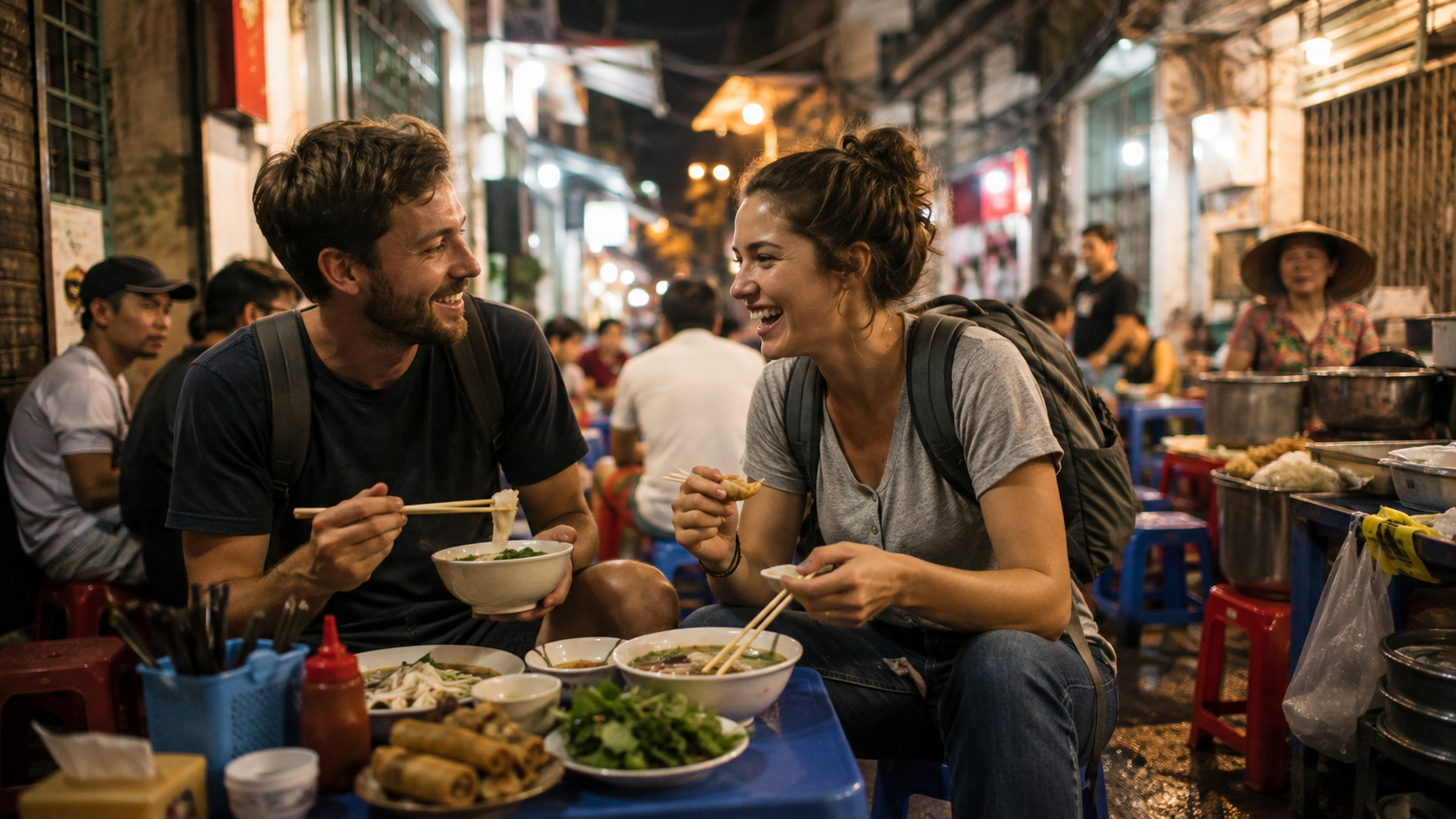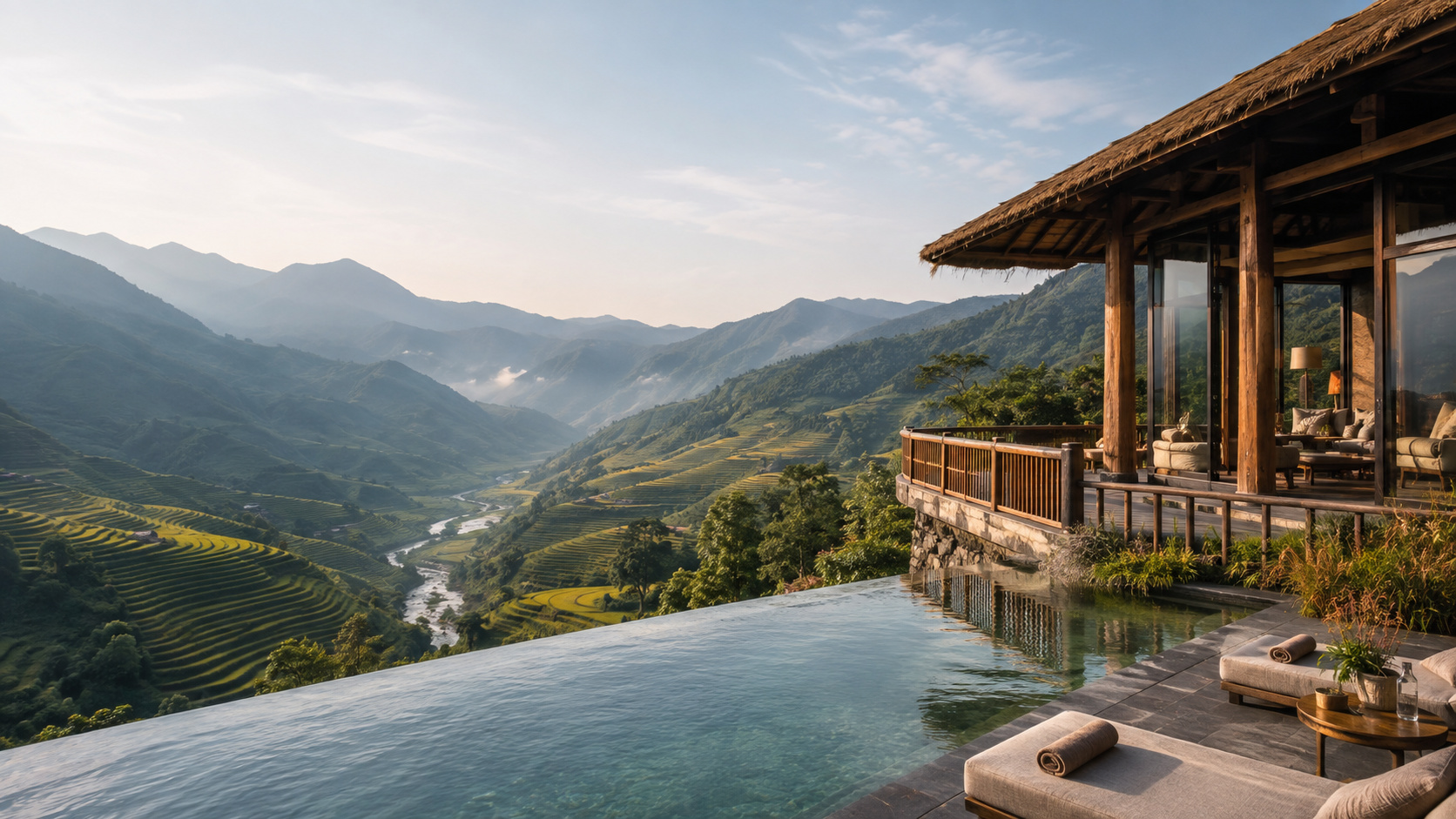


A Vietnam tourist guide should help travellers make better decisions before the trip becomes complicated. Vietnam is rich, long and varied, with northern cities and mountains, central heritage towns, southern energy, river life and island beaches. The first challenge is not deciding whether Vietnam is worth visiting. The challenge is choosing the right rhythm. A smoother trip comes from understanding regions, route order, season, transport, hotels, guides and documents. These five points give travellers a practical foundation, especially for first-time visitors who want Vietnam to feel vivid but not overwhelming.
Start with regions before details
Vietnam is easier to plan when travellers first think by region. Northern Vietnam can include Hanoi, Halong Bay, Ninh Binh and Sapa. Central Vietnam can include Hue, Hoi An, Da Nang and Nha Trang. Southern Vietnam can include Ho Chi Minh City, the Mekong Delta and Phu Quoc. Each region has a different travel rhythm. A short trip may be stronger with one or two regions. A longer trip can connect more chapters. Planning by region prevents travellers from building a route that is attractive on paper but exhausting in reality.
Point one: choose the main region or travel arc
Decide whether the journey should be north-focused, central-focused, south-focused or a clear north-to-south route. This decision shapes flights, hotels, transfers and pacing.
A Vietnam travel guide for first-time visitors can help travellers understand the country before choosing every stop.
Point two: match the route to the number of days
A 7-day route should be compact. A 10-day route can cover more, but still needs discipline. A 2-week route can show contrast if movement is planned honestly.
A Vietnam travel guide complete planning resource can help connect trip length with route structure.
Point three: avoid adding destinations only because they are famous
A famous place is valuable only if it fits the route. Vietnam rewards coherence more than collection.
Count season and movement honestly
Weather and movement are two of the most important planning factors. Vietnam does not share one simple climate across the whole country. Mountain trekking, beach stays, city walks and river routes can all respond differently to timing. Movement also takes more time than itinerary summaries suggest. Domestic flights, road transfers, cruise pickups and day trips should be counted as real parts of the journey. A smoother Vietnam trip treats both season and movement as design elements, not afterthoughts.
Point four: choose timing by your priority experience
If beach time matters most, protect beach season. If trekking matters most, check mountain conditions. If food and culture matter most, the route may be more flexible.
A best season to visit Vietnam guide can help compare timing by region and travel style.
Make transfer days lighter
After a long drive, domestic flight or cruise return, leave the next activity soft. Travellers remember more when they are not constantly tired.
A route that feels slower can sometimes show more.
This is because attention has time to return.
Use hotels, guides and free time strategically
Hotels, guides and free time decide how the trip feels day by day. A hotel in the right location makes independent time useful. A guide in the right place turns streets, temples, markets and rivers into stories. Free time allows travellers to absorb Vietnam in their own way. The best tourist guide does not advise filling every hour. It helps travellers choose which hours need structure and which should remain open.
Point five: build the trip around function
Choose hotels by location, guides by purpose and free time by usefulness. A hotel should solve daily movement. A guide should add meaning. Free time should be placed where travellers can enjoy it.
A Vietnam travel guide field tips resource can help travellers think beyond generic sightseeing.
For personalized support, request a Vietnam travel guide quote can help translate general planning into a specific itinerary.
This approach keeps the journey practical.
It also makes the traveller feel more confident before departure.
A Vietnam tourist guide should make planning clearer, not heavier. Start by choosing regions and travel arc, match the route to the number of days, respect season and movement, and use hotels, guides and free time strategically. Vietnam can be deeply rewarding for first-time visitors because it offers food, landscapes, history, cities, rivers and beaches in one country. The trip becomes smoother when choices are made in the right order. With structure, Vietnam feels generous rather than complicated.
Tradition Việt
Hotline: (+84) 967 04 88 91 / (+84) 376 304 008
Email: info@traditionviet.com
Adresse: CT2A Hanoi Homeland