
Vietnam sightseeing tours are easier to enjoy when travellers prepare the format clearly. Sightseeing in Vietnam can mean many things: old quarters, temples, museums, markets, heritage towns, countryside, beaches, caves, rivers, war history, craft villages or modern city life. A tour that tries to show everything may leave travellers with too little understanding. A clearer tour chooses a theme, manages pace and lets each place have enough time. Preparation matters because Vietnam can be intense, warm, busy and deeply layered. These seven points help travellers choose sightseeing tours that feel meaningful instead of mechanical.
Decide what “sightseeing” means for this trip
Sightseeing is too broad unless it is defined. Some travellers want famous landmarks. Others want local life, food, culture, landscapes, photography or family-friendly activities. A Hanoi sightseeing day should not feel the same as a Hue heritage tour, Mekong Delta route or Ho Chi Minh City orientation. Before booking, travellers should decide what kind of seeing matters most. This makes the guide’s job clearer and prevents the itinerary from becoming a shallow checklist.
Point one: choose a theme before choosing stops
The theme may be history, food, architecture, countryside, local life, nature or first-time orientation. Once the theme is clear, the stop list becomes easier to judge.
A Vietnam tours guide can help travellers compare sightseeing formats by purpose.
Point two: avoid tours that promise too much in one day
A long list of stops can look good but leave no time for context. Fewer places with better explanation often create stronger memories.
A sightseeing tour should not make every place feel like a short interruption.
Prepare for physical pace and timing
Sightseeing involves the body. Walking distance, stairs, heat, humidity, traffic, standing time, boat movement and road transfers all affect enjoyment. Travellers should ask how the day will feel, not only what it includes. Older guests, families and travellers arriving after long flights may need shorter routes or more pauses. Active travellers may accept a denser day. The tour should match the group’s real pace. When physical rhythm is ignored, even excellent sites can feel tiring.
Point three: ask about walking and standing time
Museums, old towns, markets, temples, caves and heritage sites may involve more walking than expected. Ask about surfaces, stairs, shade and break points.
A Vietnam private tours ideas guide can help match sightseeing depth with comfort.
Point four: place sightseeing after rest, not fatigue
Do not schedule a dense guided day immediately after a long international flight or major domestic transfer.
Good sightseeing requires attention.
Tired travellers may hear information but not absorb it.
Make guiding, meals and free time work together
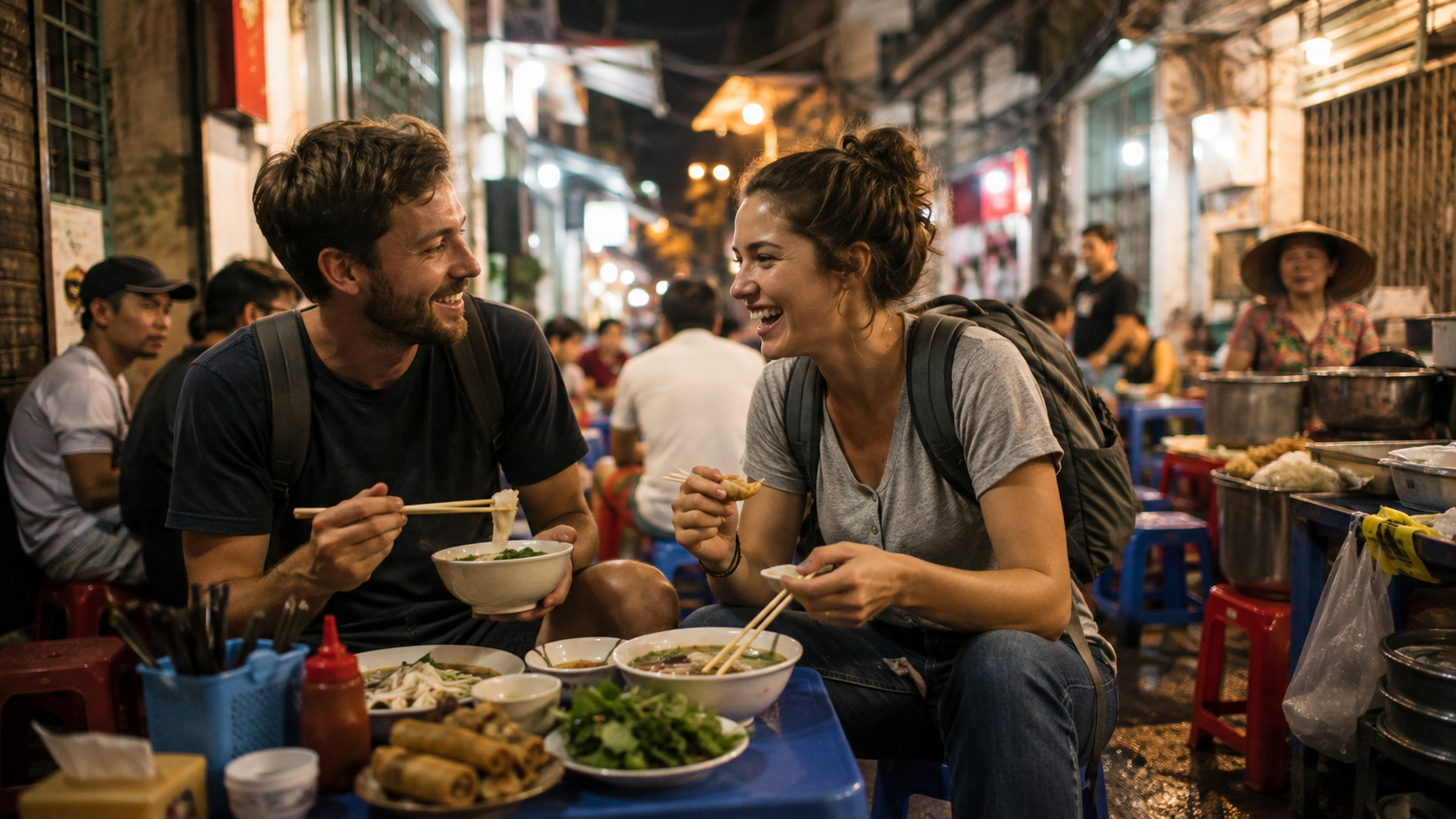
A sightseeing tour becomes better when guidance, food and free time are balanced. The guide should explain context without overwhelming the traveller. Meals should feel connected to the route rather than placed randomly. Free time should allow the traveller to absorb what they have seen. In Vietnam, a coffee break, market snack or local lunch can make sightseeing feel more human. The tour should leave travellers with confidence to explore later, not dependence on constant guidance.
Point five: choose guide style carefully
Some guides specialize in history. Others are stronger with food, photography, local life or family travel. Ask before booking.
Point six: include one local meal or drink pause
A meal, snack or coffee stop can soften the day and connect sightseeing to daily life.
A Vietnam food tours guide can help add flavor to cultural or city tours.
Point seven: leave time after the tour
A good tour often creates curiosity. Leave time afterward to return to a street, café, shop, museum corner or viewpoint.
For tailored support, plan Vietnam sightseeing tours can help match guide, theme, pace and route.
Vietnam sightseeing tours become clearer when travellers define the theme, prepare for physical pace and balance guiding with local rhythm. Choose fewer stops with better explanation, ask about walking time, place tours after rest and use food or coffee to make the day more human. Vietnam is full of places worth seeing, but sightseeing should not become passive viewing. When the format is clear, travellers understand more, remember more and finish the day with energy rather than fatigue.
Tradition Việt
Hotline: (+84) 967 04 88 91 / (+84) 376 304 008
Email: info@traditionviet.com
Adresse: CT2A Hanoi Homeland