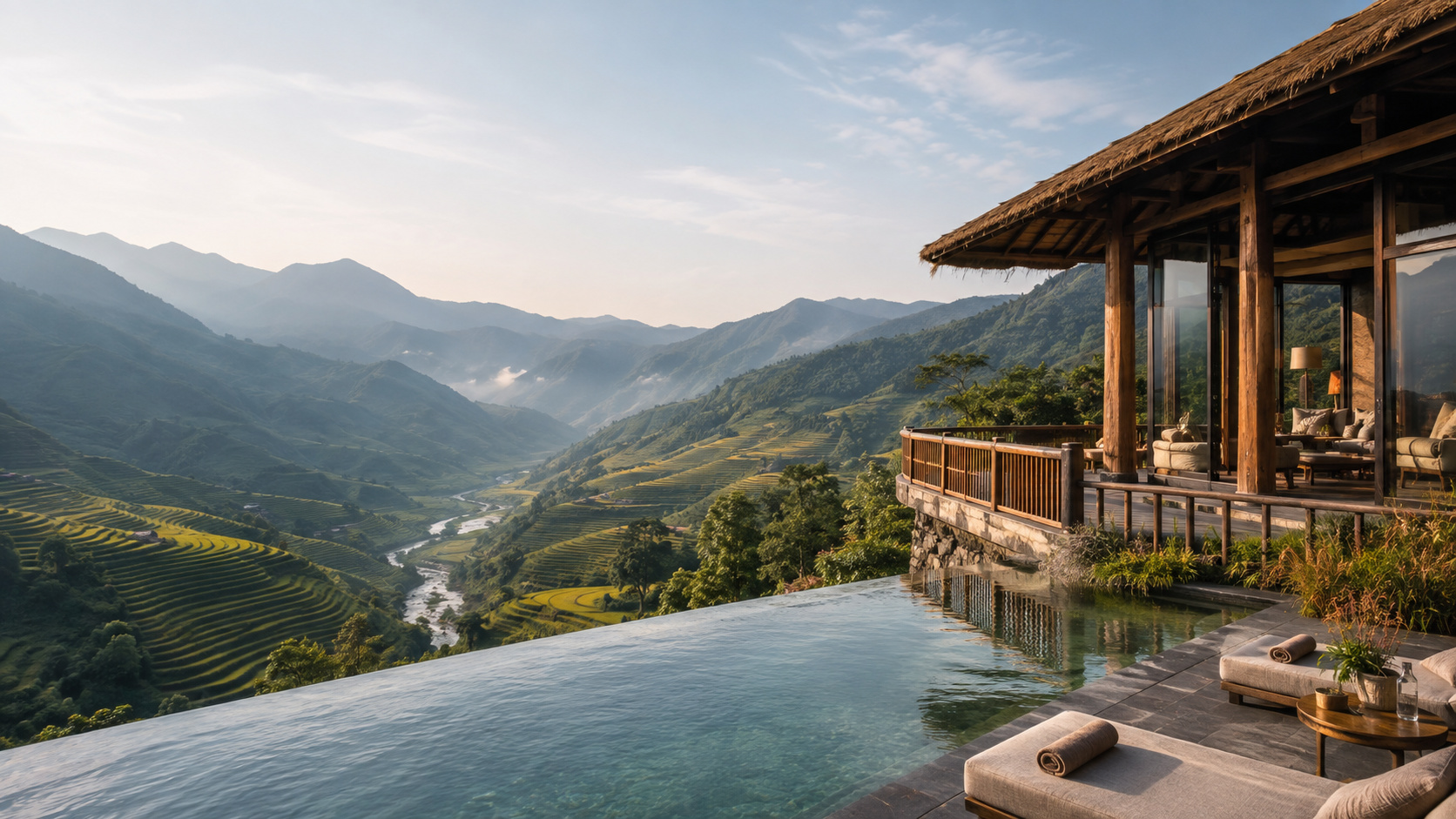


Before arriving in Vietnam, travelers often ask whether the country is safe, what they should watch out for, how to protect documents and whether any special health preparation is needed. These questions are practical, especially for first-time visitors to Southeast Asia, families with children or groups with older travelers. Vietnam is generally a welcoming and accessible destination with well-developed travel services in many areas, but each region has its own rhythm, weather and transport conditions. Understanding the basic safety habits before departure helps travelers feel calmer and enjoy the journey more naturally through cities, old towns, mountains, bays and rural communities.
Is Vietnam safe for first-time travelers?
Vietnam is suitable for many first-time travelers when the itinerary is prepared properly. In major cities and popular travel destinations, hotels, restaurants, transport, guides and local support are widely available. Travelers can move around quite comfortably if they protect documents, keep enough daily cash, choose suitable transport and avoid planning an overly packed schedule.
The part that often surprises first-time visitors is city traffic. Motorbikes are numerous, horns are common and the street rhythm may feel different from Europe, Australia or North America. Still, travelers usually adapt quickly if they move slowly, observe carefully, avoid rushing and choose conveniently located hotels.
For families, older travelers or visitors who are not used to moving independently in Asia, local advice can help on key sections. Private transport, guides in important places and a route with enough rest time make the trip easier to manage. Safety is not about avoiding every experience. It is about choosing the right experiences for the group’s health and travel style.
How should I protect documents and belongings?
Passports, bank cards, cash and phones should not all be kept in the same bag. Travelers should divide daily cash, store a backup card separately, save document photos in both phone and email and carry a simple copy when traveling across several regions. During sightseeing, bring only what is needed for the day.
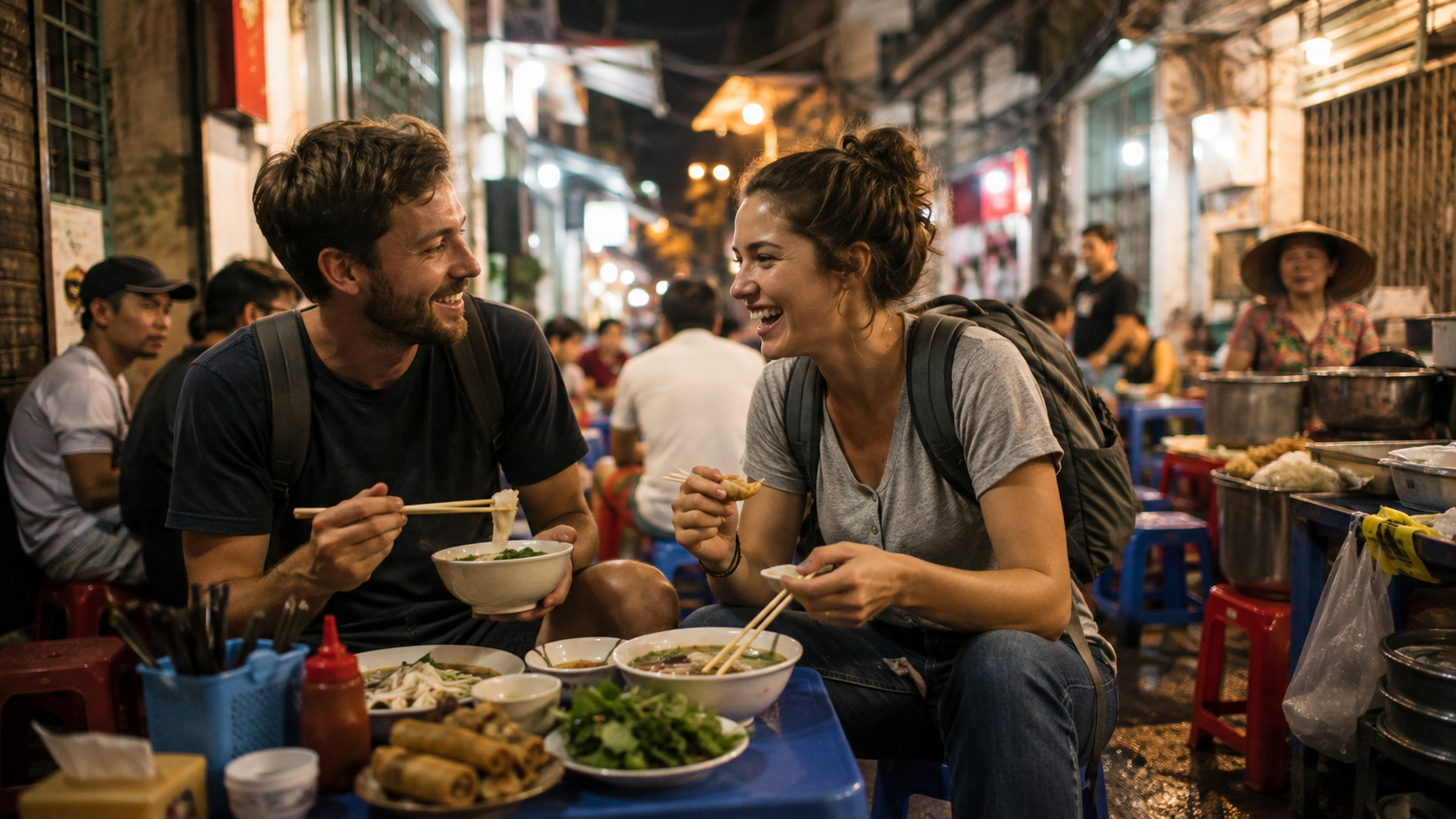
In crowded areas such as night markets, old quarters, boat stations, airports or famous attractions, bags should be kept close to the body and in front when necessary. Phones, wallets, cameras and small bags should not be left on café tables, vehicle seats or places that are easy to reach. These small habits help travelers avoid wasting time on preventable problems.
Do I need travel insurance?
Travelers should have travel insurance before visiting Vietnam, especially for longer trips, children, older travelers or routes with many transfers. Insurance helps if medical care, schedule changes, lost luggage or unexpected issues occur. Before buying, review the coverage area, assistance hotline, claim process and exclusions.
Questions travelers ask when planning a safer itinerary
A safe itinerary does not need to be slow or limited. The important point is whether the route matches the group’s time, health, season and movement style. Vietnam has many attractive places, but trying to include too many destinations in too few days can make travelers tired and less attentive. When people are tired, small risks become more likely: forgotten belongings, wrong pickup times, rushed street crossings or skipped meals. Before confirming the route, travelers should ask not only “how many places can we see”, but also “will this pace feel comfortable and safe”. This is a more practical way to prepare for a memorable Vietnam journey.
How many days make an itinerary easier?
There is no single number of days that fits everyone, but the itinerary should allow enough rest between sections. With only one week, travelers may be better focusing on one region or a short route instead of trying to cross the whole country. A 10-to-12-day trip can include more variety, but it should still limit hotel changes and domestic flights.
Trip length should also reflect the group. Families with children usually need a slower pace, more flexible meals and convenient hotels. Older travelers should avoid too many long transfer days in a row. Younger travelers who are used to moving often may handle more activity, but they still need pauses to stay focused and comfortable.
An easier itinerary usually has clear priorities. Instead of adding many secondary stops, choose the places that best match the purpose of the trip: culture, nature, relaxation, food or family experience. When the route has focus, travelers stay safer and understand Vietnam more deeply.
When should I use private transport or a guide?
Private transport is worth considering for long sections, routes with several stops, families with children, older travelers or groups with a lot of luggage. It gives travelers more control over rest time, reduces repeated luggage handling and avoids the need to manage transport during tiring days. Not every section needs a private vehicle, but routes such as Hanoi to Halong Bay, Hue to Hoi An, Ninh Binh or the Mekong Delta often deserve attention.
A guide is useful in places with strong cultural, historical or local context. In Hanoi, Hue, Hoi An, Ninh Binh, Halong Bay or the Mekong Delta, a good guide helps travelers understand the destination, choose better timing and manage small practical details. For first-time visitors, support in the right places can make the journey much smoother.
What should I do if weather or health changes?
If there is heavy rain, strong heat, excessive fatigue or someone in the group feels unwell, travelers should adjust early. The order of visits can be changed, one session can be shortened, rest time can be added or an outdoor activity can be replaced by a lighter option. A safe trip is one that stays flexible instead of forcing the original plan at any cost.
Plan a better-value Vietnam journey with local support
Send us your expected travel dates, number of travelers and main wishes to receive itinerary advice and a suitable quote from Tradition Việt.
📞 Hotline: (+84)967 04 88 91 / (+84)376 304 008.
📧 Email: info@traditionviet.com.
Address: CT2A, Hanoi Homeland, Thuong Thanh Ward, Long Bien District, Hanoi.