

Vietnam is a welcoming destination with rich experiences for couples, families, groups of friends and first-time visitors to Southeast Asia. Still, a comfortable trip benefits from good preparation, especially when the route includes several cities, mountain areas, bays, old towns or rural communities. Travel safety is not only about avoiding major risks. It is also about moving carefully, keeping documents organized, protecting personal belongings, allowing enough rest and understanding local rhythms. When these habits are prepared before arrival, travelers can feel more confident during each travel day and enjoy Vietnam in a calmer, more natural way.
Keeping documents, money and belongings secure
Passports, bank cards, cash and important documents should be divided instead of kept together in one wallet. Travelers can leave the original passport in a safe place when appropriate and carry a copy or photo during daily sightseeing. Cash for the day should be separated from backup cards and larger amounts.
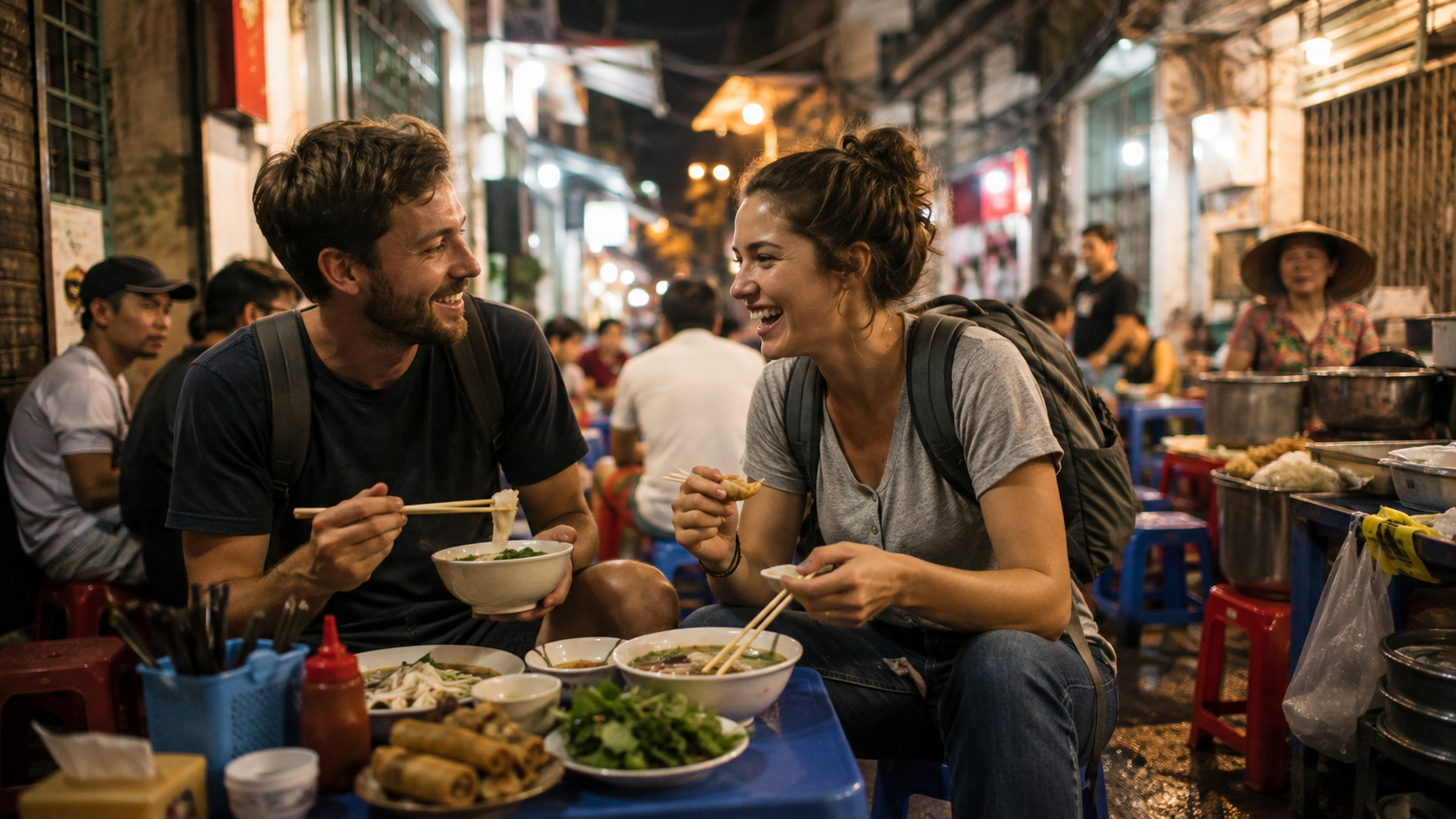
In crowded areas such as old quarters, night markets, boat stations, airports or famous attractions, bags should be kept in front or close to the body. Phones, wallets and cameras should not be left on café tables, vehicle seats, motorbikes or easy-to-reach places. These habits do not make the trip stressful. They simply help travelers avoid small problems that can happen in busy travel areas.
For families or groups, at least two adults should know where key documents and emergency contacts are kept. If one person carries every passport, card and cash reserve, the whole group becomes more vulnerable if a bag is lost. Sharing responsibility makes it easier to respond calmly if something unexpected happens.
Moving carefully in cities and on longer routes
Traffic in Vietnam has its own rhythm, especially in Hanoi and Ho Chi Minh City. First-time visitors may notice many motorbikes moving continuously, but crossing the street becomes easier with careful observation. Walk slowly, look both ways, keep a steady pace and avoid stopping suddenly in the middle of the road. When unsure, wait for locals or cross with a group.
For longer sections such as Hanoi to Halong Bay, Hue to Hoi An, Ho Chi Minh City to the Mekong Delta or mountain routes, travelers should choose transport by suitability, not only by price. A private vehicle, a driver familiar with the route and a schedule with proper rest time can make the journey safer and more comfortable. Avoid fitting too many stops into one day when distances are long or when children and older travelers are part of the group.
Paying attention to health, weather and rest
Vietnam’s weather changes by region and season, so travelers should prepare water, a hat, sunscreen, personal medicine and enough rest time. Hot days, sudden rain or frequent transfers can make the body tired faster than expected. A safe itinerary is one with breathing space, not one that pushes travelers from morning to night without proper pauses.
How to build a safer and smoother Vietnam itinerary
A safe itinerary is not an overly cautious itinerary. It is a route arranged around the travelers’ health, time and movement style. Vietnam offers many attractive experiences, but travelers should not try to include too many places only to “see everything”. When the route is too packed, people become tired, pay less attention to belongings, rush through payments, forget items or respond less flexibly to unexpected changes. The key is to choose destinations wisely, keep a reasonable pace, know where a guide is useful, where private transport is worth considering and where free time can make the journey better. This kind of preparation makes the trip safer while keeping the sense of discovery alive.
Choosing destinations and travel pace wisely
With only 7 to 10 days, travelers should think carefully about seeing many places versus staying long enough to enjoy each one. A route with too many stops can increase time in vehicles, airports and hotel changes. When travelers are tired, they are more likely to lose focus while watching belongings, crossing streets, checking bills or following the itinerary.
Travel pace should fit the group. Families with children, older travelers and first-time visitors often need more rest time. Instead of following a long destination list, it is better to keep the main highlights, add flexible time and choose hotels in convenient locations. This makes the trip lighter, safer and more enjoyable.
Using local support where it matters
A guide or local advisor can make the trip safer in places with rich cultural context, complex routes or practical details to manage on the spot. In Hanoi, Hue, Hoi An, Ninh Binh, Halong Bay or the Mekong Delta, someone who understands the area can help travelers know when to go, avoid overly crowded moments, plan better stops and communicate more easily when needed.
Local support is also useful when weather changes, domestic flights are rescheduled or a planned visit no longer fits the group’s energy. Instead of handling everything alone in a new environment, travelers can receive advice on adjusting the route, changing timing, replacing a stop or keeping a better rest rhythm. This is especially helpful for families, older travelers and multi-region itineraries.
A good local team does more than sell services. It helps travelers see small points that may become inconvenient later. For example, which day should start early to avoid heat, which section needs private transport, where cash should be ready or which area requires more attention to belongings. These details make the trip safer without making the experience feel restricted.
Sending your itinerary for a pre-trip safety review
If you are not sure whether your itinerary is too packed, whether any section is difficult or whether specific safety notes are needed, send your travel dates, number of travelers, ages, trip length and preferred destinations to Tradition Việt. Based on the real route, the team can review pacing, rest time, transport choices and practical safety points before your Vietnam journey begins.
Plan a better-value Vietnam journey with local support
Send us your expected travel dates, number of travelers and main wishes to receive itinerary advice and a suitable quote from Tradition Việt.
📞 Hotline: (+84)967 04 88 91 / (+84)376 304 008.
📧 Email: info@traditionviet.com.
Address: CT2A, Hanoi Homeland, Thuong Thanh Ward, Long Bien District, Hanoi.