

Many safety issues during a Vietnam trip do not come from major danger, but from small habits that do not fit a new environment. Travelers may keep documents, cash and cards in one bag, depend completely on the phone, cross the street too quickly, choose transport only because it is cheap or plan too many activities right after a long flight. These mistakes are usually manageable if noticed early, but they can waste time, increase fatigue and reduce comfort. Avoiding common mistakes from the beginning helps travelers move with more confidence through big cities, old towns, beaches, mountain areas and crowded sightseeing places.
Keeping all documents, money and cards together
A very common mistake is keeping the passport, bank cards, large cash amounts and important documents in one wallet or one bag. This may look tidy, but if the bag is lost, travelers lose several ways to respond at the same time. In busy areas such as airports, old quarters, night markets, boat stations or famous attractions, dividing documents and money is an important habit.
Travelers should keep the original passport in a safe place when it is not needed and carry a copy or photo during daily sightseeing when suitable. Daily cash should be kept in a small wallet, separate from backup cards and larger amounts. Families and groups should avoid letting one person carry every document and payment method for everyone.
The phone should not be the only place where all information is stored. Passport photos, insurance details, hotel confirmations, flight tickets and emergency contacts should also be saved in email or a secure cloud folder. A simple printed copy is useful if the phone has no battery, no internet or is lost. This layered preparation helps travelers stay calm when a small problem occurs.
Crossing streets and moving through cities too quickly
Traffic in Hanoi and Ho Chi Minh City can surprise first-time visitors because of the number of motorbikes and the continuous flow. A common mistake is crossing too quickly, running, stopping suddenly in the middle of the road or looking only in one direction. A safer method is to walk slowly, keep a steady pace, watch both sides and avoid sudden changes of direction.
When unsure, travelers can cross with local people or wait for a moment when the flow is easier to read. Avoid using a phone while crossing, pulling heavy luggage through traffic or allowing children to move away from adults. In cities, calm movement is more useful than speed. After a few days, travelers usually understand the local rhythm better.
Planning too many activities right after arrival
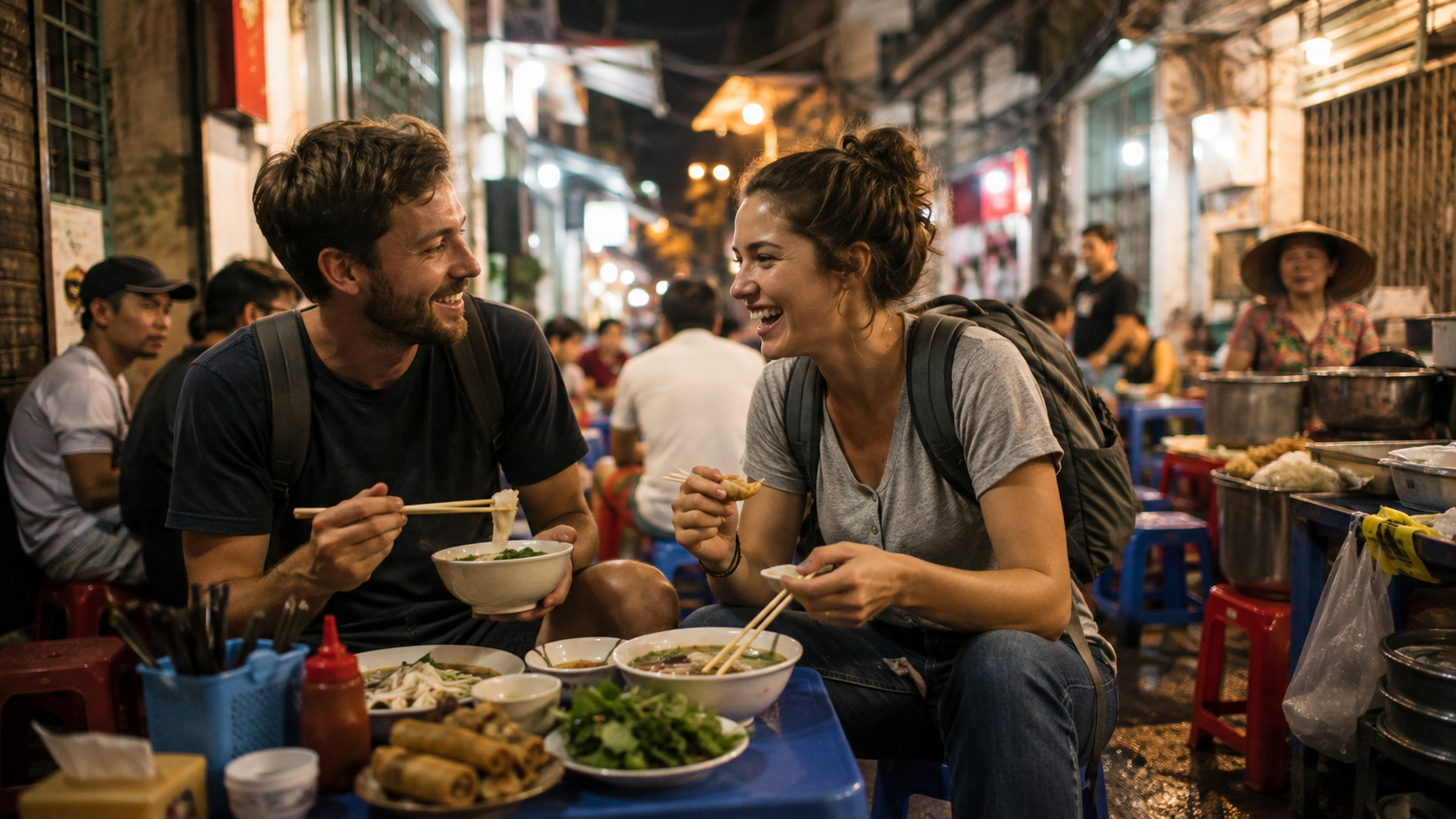
After a long flight, the body needs time to adjust to weather, time zone, traffic and city rhythm. If the first day is packed with sightseeing, travelers may become tired, less focused and less careful with belongings. The first day should be light, with time for check-in, SIM card setup, cash review, rest and a short walk around the hotel area.
Mistakes that make the itinerary less safe and more tiring
An itinerary that looks attractive on paper is not always safe or easy in practice. If too many destinations are added to too few days, travelers may change hotels constantly, sit in vehicles for long hours, take several domestic flights and have little time to rest. When people are tired, small problems become more likely: forgotten items, wrong pickup times, less attention when crossing streets, irregular meals or slow response to weather changes. Travel safety is therefore part of itinerary design. A good journey needs highlights, breathing space, suitable transport and support on sections where local experience matters.
Choosing transport only because it is cheap
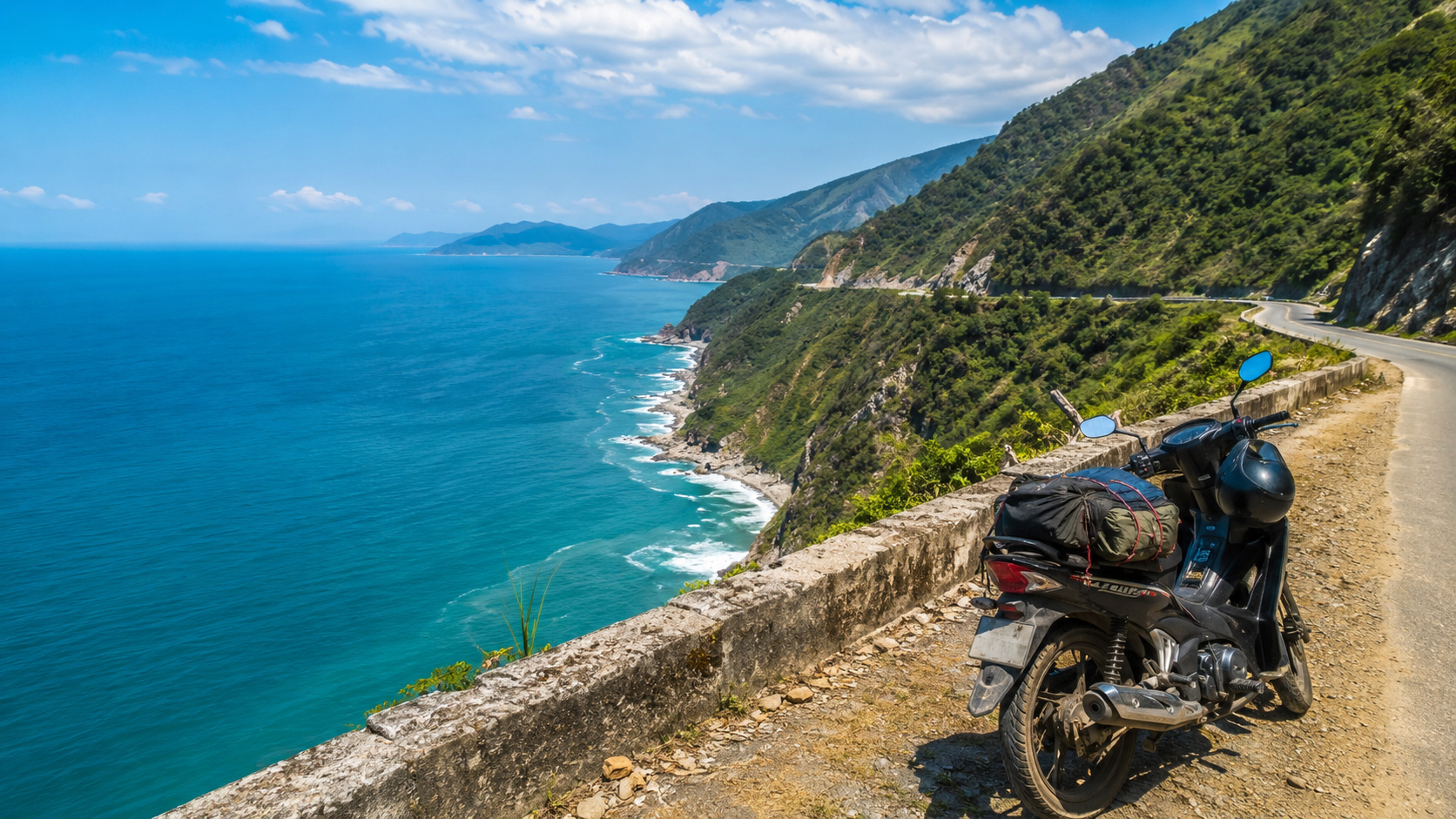
The cheapest transport is not always the right transport. On long routes, mountain sections, family trips or journeys with older travelers, a suitable vehicle and a driver familiar with the route are more important than a small saving. If transport is uncomfortable, unsuitable or requires too much self-management, travelers may become tired and less focused throughout the day.
When comparing transport, travelers should consider distance, travel time, road conditions, luggage, group size and the need for rest stops. Routes such as Hanoi to Halong Bay, Hue to Hoi An, Ho Chi Minh City to the Mekong Delta, Sapa or Ha Giang should be planned according to real conditions, not only price. Good transport makes the trip safer and easier.
Not adjusting the plan when weather or health changes
Another mistake is keeping the same schedule even when there is heavy rain, strong heat, fatigue or someone in the group is unwell. Safe travel requires flexibility. The order of visits can be changed, one session can be shortened, more rest can be added or an outdoor activity can be replaced by a lighter indoor experience.
Ignoring local support on sections that need it
Not every trip needs a full-time guide, but some sections benefit from local support. In crowded places, routes with many transfers, mountain areas, boat stations, craft villages or culturally rich sites, someone who understands the area helps travelers move with better timing. They know when to visit, which areas become too crowded, how to respond to weather changes and which places fit the group’s energy.
Removing support completely to reduce cost can leave travelers handling many situations alone in an unfamiliar setting. This is not always dangerous, but it can make the trip more tiring and less efficient. For families, older travelers or multi-region itineraries, the right support saves time and reduces pressure.
Local support also helps review small details that travelers may miss: pickup times, documents to carry, cash for remote days, rest stops, suitable meals or backup options when plans change. These details do not reduce freedom. They help travelers feel more secure while enjoying the journey.
Plan a better-value Vietnam journey with local support
Send us your expected travel dates, number of travelers and main wishes to receive itinerary advice and a suitable quote from Tradition Việt.
📞 Hotline: (+84)967 04 88 91 / (+84)376 304 008.
📧 Email: info@traditionviet.com.
Address: CT2A, Hanoi Homeland, Thuong Thanh Ward, Long Bien District, Hanoi.