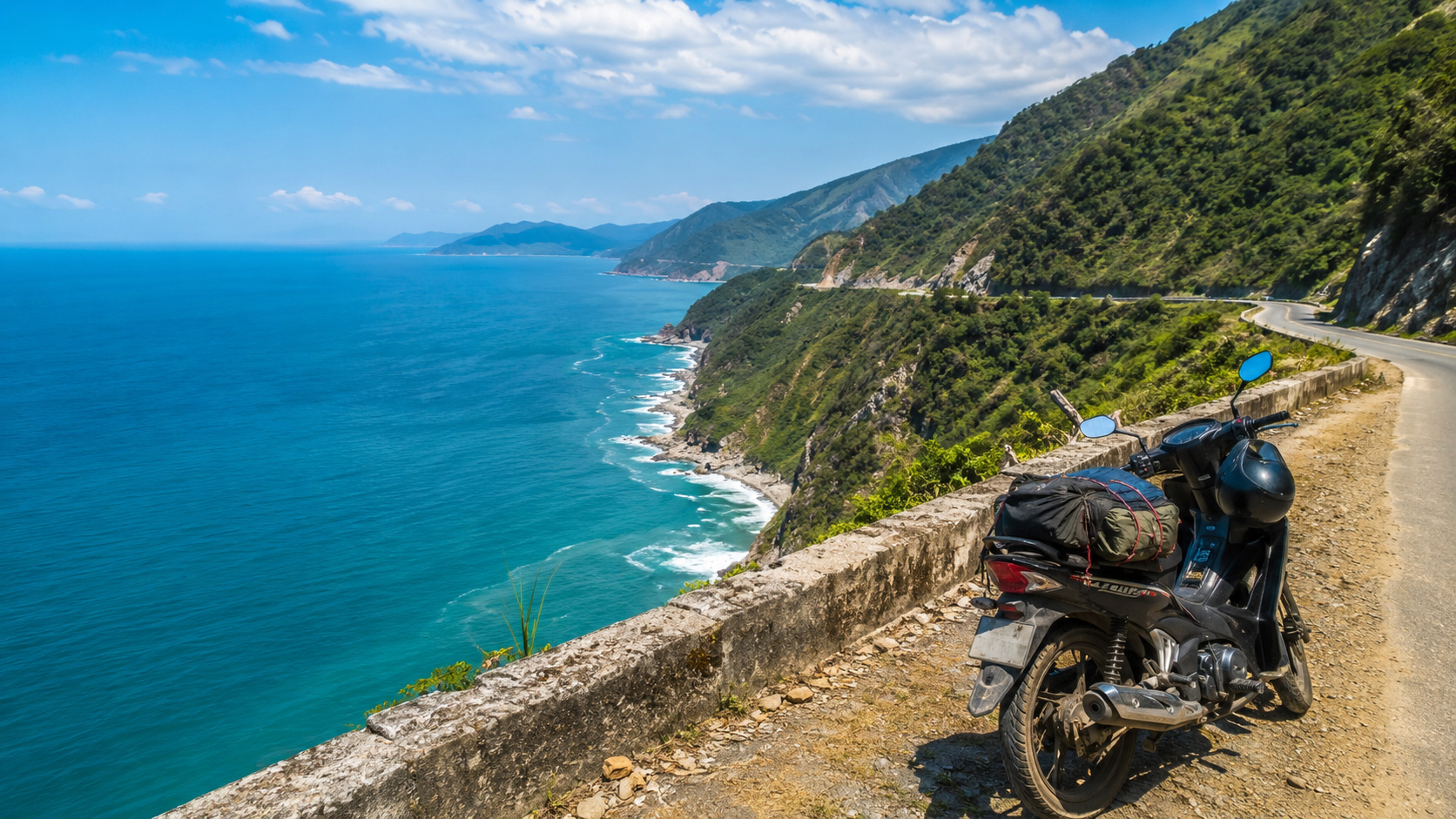

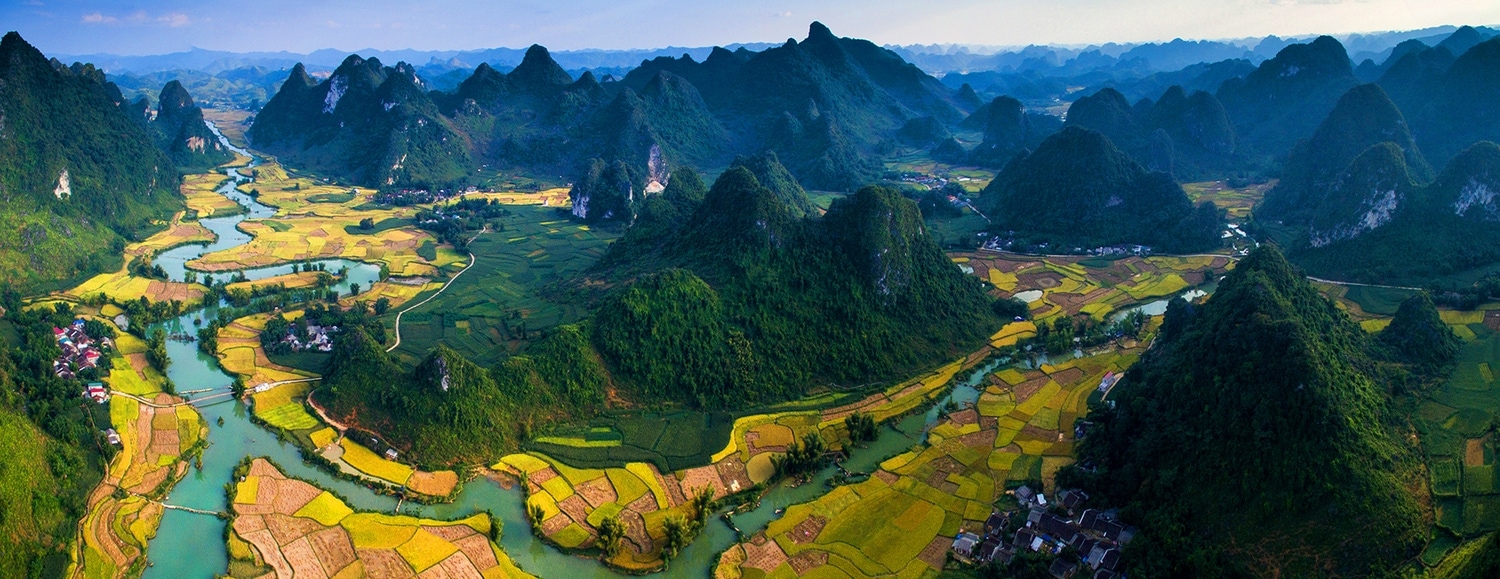
A Vietnam Motorcycle Tour often begins with a sense of excitement: narrow roads opening between rice fields, mountain passes curving through mist, and roadside kitchens still smoking in the morning light. Yet to make this experience truly comfortable, travelers need more than a beautiful route. Vietnam changes quickly from one region to another. The landscape, climate, traffic rhythm and local services can vary within a single day, and many of the most memorable moments happen in places that are not famous on tourist maps.
Good preparation does not remove the feeling of freedom. On the contrary, it allows you to relax into the journey, enjoy the scenery, speak with local people, stop at a small café or change plans when the weather turns. For international travelers, especially those visiting Vietnam for the first time, understanding routes, luggage, safety and local support before departure makes a real difference. A successful motorcycle journey is not about covering the longest distance. It is about riding at the right pace, in the right season, with enough space to feel Vietnam more clearly.
Plan your route, timing and riding style
Choose a route that matches your riding experience
Do not choose a route only because it looks beautiful in photos. Some roads in Northern Vietnam, mountain passes in Central Vietnam or remote stretches far from towns can be visually impressive, but they may require experience with narrow roads, sharp bends, sudden rain and larger vehicles sharing the same route. If you have never ridden in Vietnam before, it is wiser to begin with shorter routes, clear rest stops and support from people who know the area. If you are not fully confident, riding as a passenger behind an experienced local driver can be safer while still keeping you close to the road.
For travelers with strong motorbike experience, self-riding can bring a greater sense of independence. Still, it requires careful checks: license validity, insurance, rental conditions, motorbike quality, helmet standards and what happens if the bike breaks down. Traffic in Vietnam can include unexpected situations, from dense flows of scooters to trucks on national roads, animals crossing, schoolchildren leaving class or local markets spreading close to the roadside. Freedom feels best when the rider understands their own limits.
A balanced approach is to divide the trip into different levels of difficulty. Easier sections can be self-ridden, while mountain passes, long distances or more complex traffic areas can be handled with a guide, a local driver or support vehicle. This gives travelers a real road experience without constant stress. When planning with a travel advisor, be clear about your riding experience, how much independence you want, how long you are comfortable riding each day and what situations you prefer to avoid.
Check the season and regional weather carefully
Vietnam stretches from North to South, so the weather is not the same everywhere. A good season in Central Vietnam may still coincide with rain in the North, while heat in the lowlands can make a riding day more tiring than expected. Before choosing a route, check the rainy season, hot season, fog risk in the mountains and road conditions after heavy rain. On a motorcycle, weather does not only affect your photos; it affects safety, visibility, energy and comfort.
Avoid planning too many riding hours in one day
A riding day needs breathing space. Many travelers look at a map and assume that 120 or 150 kilometers will be easy, but real conditions depend on mountain roads, traffic density, road surface, weather and the number of stops. If the itinerary is too full, you become tired, stop less often and begin to miss the small details that make the journey special. It is better to choose a moderate distance, clear breaks and some extra time in case the day moves more slowly than expected.
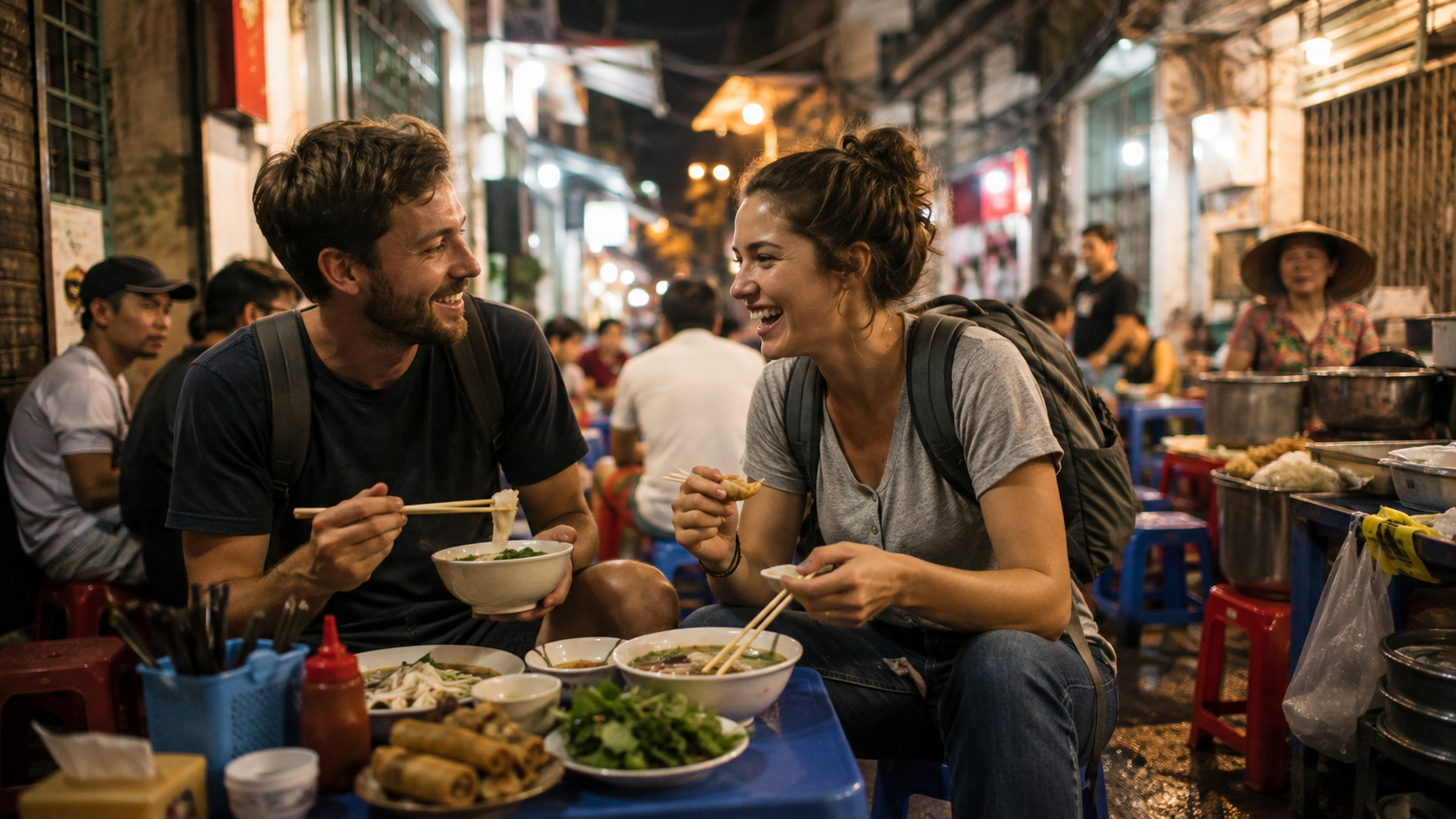
Stops should be treated as part of the experience, not as wasted time. A coffee in a small town, a viewpoint above a valley, lunch at a family-run place or a short walk through a village can make the journey more memorable than simply riding farther. Motorcycle travel should be flexible, but flexibility should not become rushing. The best days often leave enough time for a local story, a weather change or an unexpected road that deserves attention.
Prepare luggage, safety habits and local support
Pack light, but bring the right essentials
Luggage for a Vietnam Motorcycle Tour should be light, compact and easy to secure on the bike. Travelers should prioritize breathable clothing, a light jacket, a thin raincoat, sun protection, closed shoes, a multipurpose scarf, personal medicine and a waterproof pouch for phones and documents. Hard suitcases are not practical for multi-stage motorcycle travel because they are difficult to fix securely and inconvenient on small roads or when stopping many times during the day.
A few small items can be very useful: a power bank, copies of important documents, sunglasses, sunscreen, motion-sickness medicine if needed, drinking water and light snacks. If your route includes mountain areas or places with fewer services, bring a thin warm layer, as temperatures can drop quickly in the early morning or late afternoon. Packing light keeps the journey comfortable, but missing basic items can make an entire day unnecessarily difficult.
Put safety before the feeling of adventure
A rewarding journey does not need to be risky. A good helmet, moderate speed, proper rest and the decision to stop during heavy rain are far more important than completing every planned point on the itinerary. Travelers should not ride when exhausted, should avoid unfamiliar roads after dark and should never force themselves through a section that no longer feels safe. Knowing when to slow down or stop is part of real road experience.
Travel with local support to make the journey deeper
A local guide or driver does much more than show the way. They know which sections are best avoided at busy times, which food stops are clean and reliable, where it is safe to take photos, when to refuel before a remote stretch and when the route should change because of weather. These details rarely appear on a map, yet they shape the comfort of the whole trip.
Local support also gives the journey more meaning. A good guide can explain why a region grows a certain crop, why people gather at the market early in the morning, how to enjoy a roadside dish, or what story lies behind a pass, a river crossing or a craft village. These explanations do not need to be long. They simply help travelers understand what they are seeing and connect the scenery with daily life.
For a private journey, travelers should share their style before the trip begins. Some people love mountains and passes, some prefer villages and food, some want many photo stops, while others simply want to ride slowly and observe local life. When the planner understands these preferences, the tour becomes more natural, safer and less formulaic.
A memorable Vietnam Motorcycle Tour usually comes from balance: enough preparation to feel safe, enough flexibility for surprises, enough slowness to notice details and enough local support to avoid worrying about logistics all day. When these elements are arranged well, the road is no longer just a connection between destinations. It becomes the heart of the travel experience.