
Money planning may look like a small part of a Vietnam trip, but it affects daily comfort in a very practical way. Travelers can use cards in many hotels, larger restaurants, convenience stores and shopping centers, yet cash is still important for local markets, small eateries, short taxi rides, tips, minor entrance fees and rural areas. Understanding Vietnamese currency, ATM use, money exchange and how much cash to keep each day will make the journey smoother. A good plan does not require carrying too much cash, but travelers should not rely only on cards either, especially if the route includes Hanoi, Halong Bay, Hoi An, the Mekong Delta or mountain regions where small local payments are common.
Vietnamese dong and how to recognize denominations
The currency used in Vietnam is the Vietnamese dong. Because the notes have many zeros, first-time travelers may need a little time to feel comfortable when paying. Common notes used in daily spending include 10,000, 20,000, 50,000, 100,000, 200,000 and 500,000 dong. Recognizing the colors and values before arrival helps reduce confusion, especially in busy places or when paying in the evening.
A useful habit is to separate notes by value. Larger notes can be kept for hotels, restaurants or clear higher payments. Smaller notes should be ready for short taxi rides, coffee, bottled water, street food, small entrance fees, tips or market purchases. This makes daily payments faster and avoids using a large note for a very small amount.
Travelers should also check their change after paying. Most transactions in Vietnam are normal and friendly, but counting change is a good habit when using an unfamiliar currency. If traveling with children or older family members, it may be easier for one person to manage the main wallet. Once travelers become used to the denominations, spending in Vietnam becomes quite simple and flexible.
When to use cash and when to use cards
Bank cards are useful for larger payments or places with clear systems, such as hotels, resorts, higher-end restaurants, supermarkets, branded shops and shopping malls. Paying by card reduces the amount of cash travelers need to carry and makes it easier to review expenses after the trip. Still, it is worth asking whether a card fee applies, because some smaller businesses may add a surcharge.
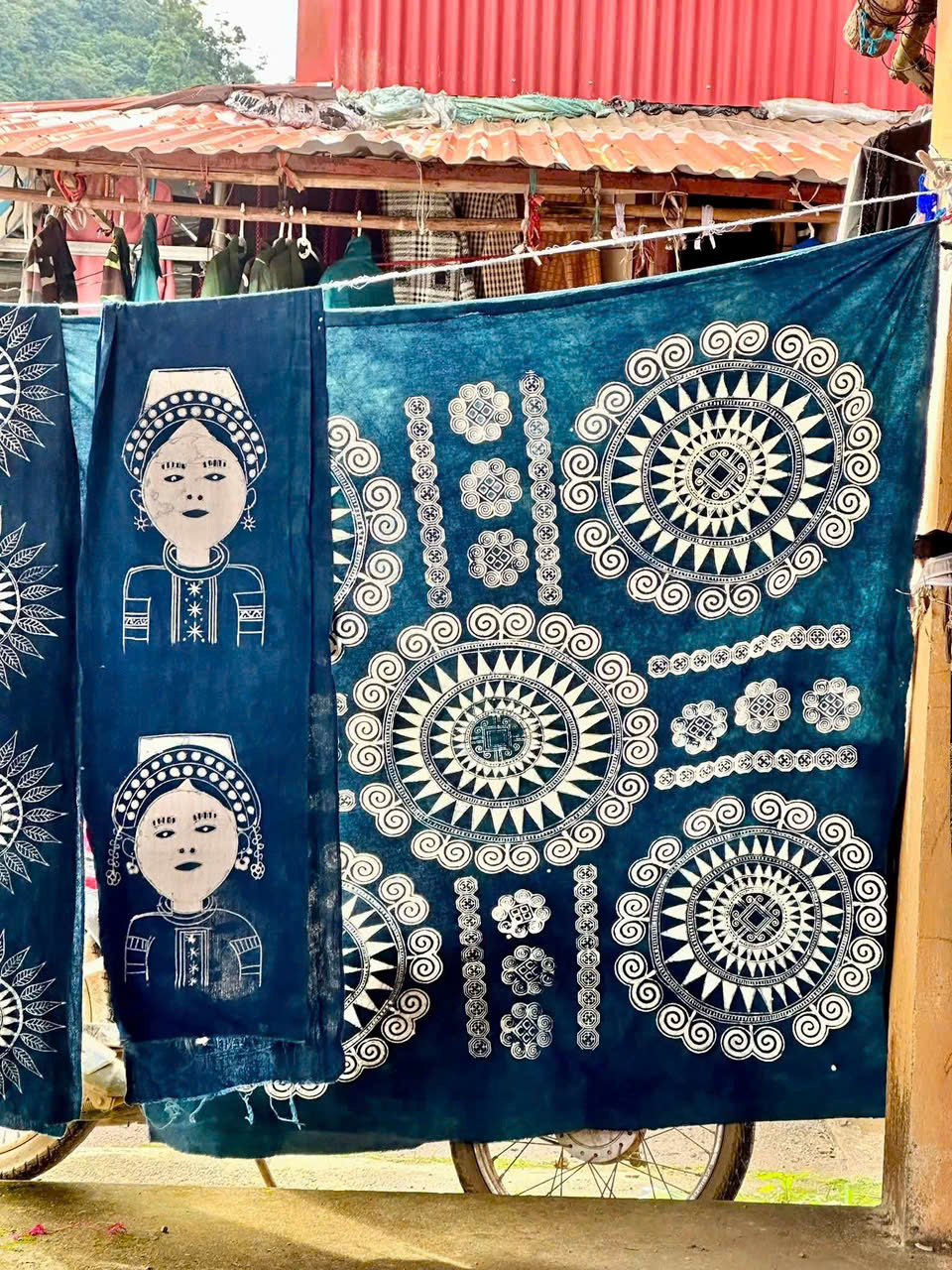
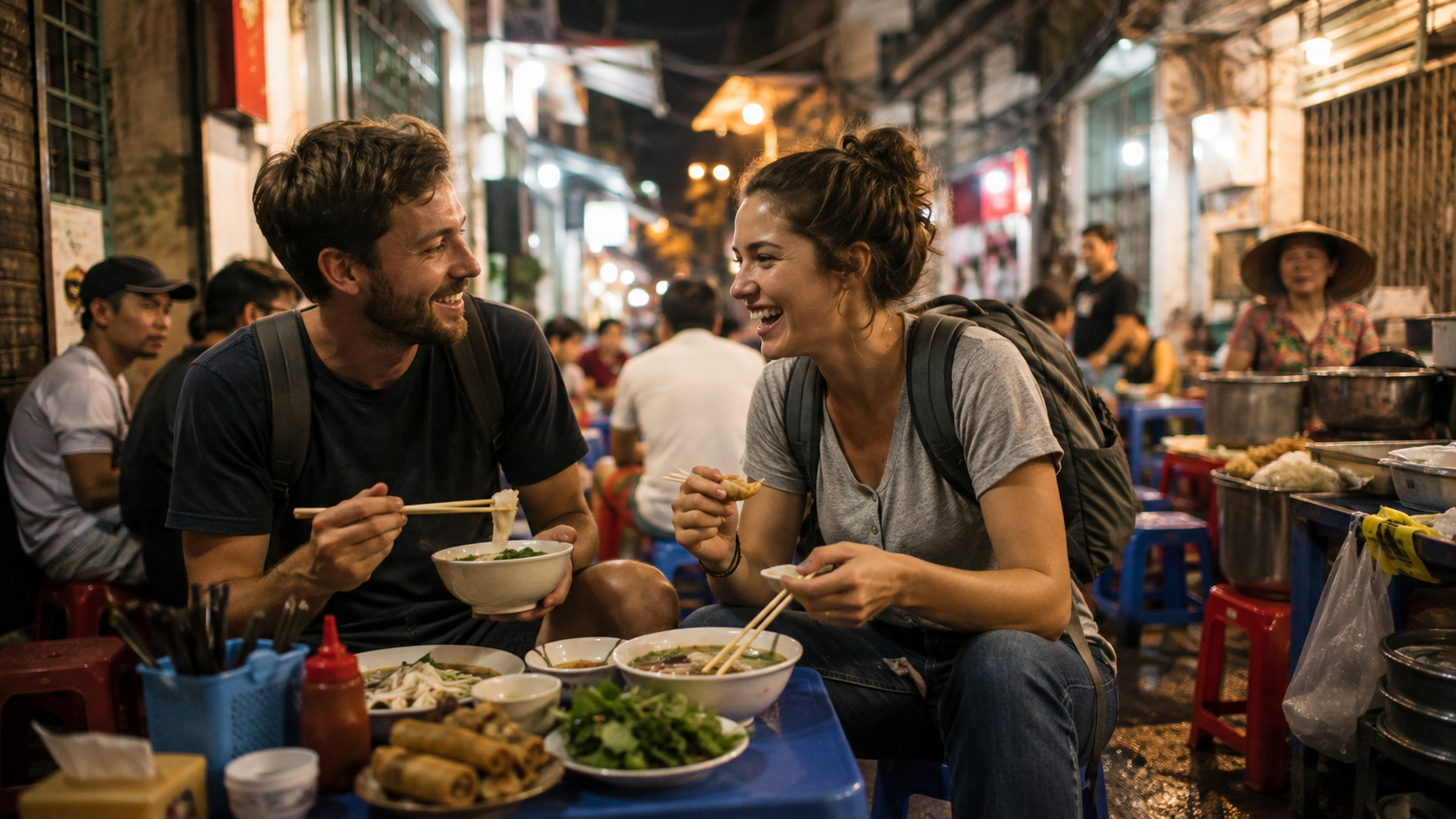
Cash remains necessary in many situations. Local markets, small eateries, street stalls, short rides, tips, small entrance fees and services in remote areas may not be convenient for card payments. In craft villages, boat stations, mountain areas, night markets or rural communities, cash makes transactions quicker and more natural. The best approach is to combine both: use cards for larger payments and keep cash for daily local spending.
Withdrawing and exchanging money safely
Travelers should withdraw money from ATMs located at banks, shopping centers, larger hotels or places with security. For exchange, it is better to use banks, licensed exchange counters or places recommended by a reliable local travel team. Avoid exchanging too much at one time if the journey is long, and keep cash in several safe places instead of carrying everything in one wallet.
How to prepare money for different Vietnam itineraries
Money preparation should follow the real itinerary, not only a general daily budget. A journey focused on major cities will not have the same payment needs as a route including Halong Bay, Ninh Binh, Sapa, the Mekong Delta or island destinations. In cities, travelers have more access to ATMs, card-friendly businesses and modern services. In more local or remote areas, cash becomes more useful because small payments are frequent. Group size, age range, dining style, free days and shopping habits also affect how much money should be available each day. Preparing properly helps travelers avoid repeated ATM stops while still avoiding the risk of carrying too much cash.
City, heritage and popular sightseeing routes
For a route through Hanoi, Hue, Hoi An, Da Nang or Ho Chi Minh City, travelers can combine cards and cash quite easily. Hotels, good restaurants, convenience stores and larger services often accept card payments. However, when walking through old quarters, trying local food, buying crafts, drinking coffee in small cafés or visiting markets, cash is still much more convenient.
Small expenses appear often in heritage towns and city walks. A bottle of water, a minor entrance ticket, a short ride, a snack, a small gift or a tip may all require low-value notes. If travelers only carry large notes, payment can become inconvenient. Before each day with a lot of walking, it is wise to prepare some smaller notes in a separate daily wallet.
Nature, mountain, bay and countryside routes
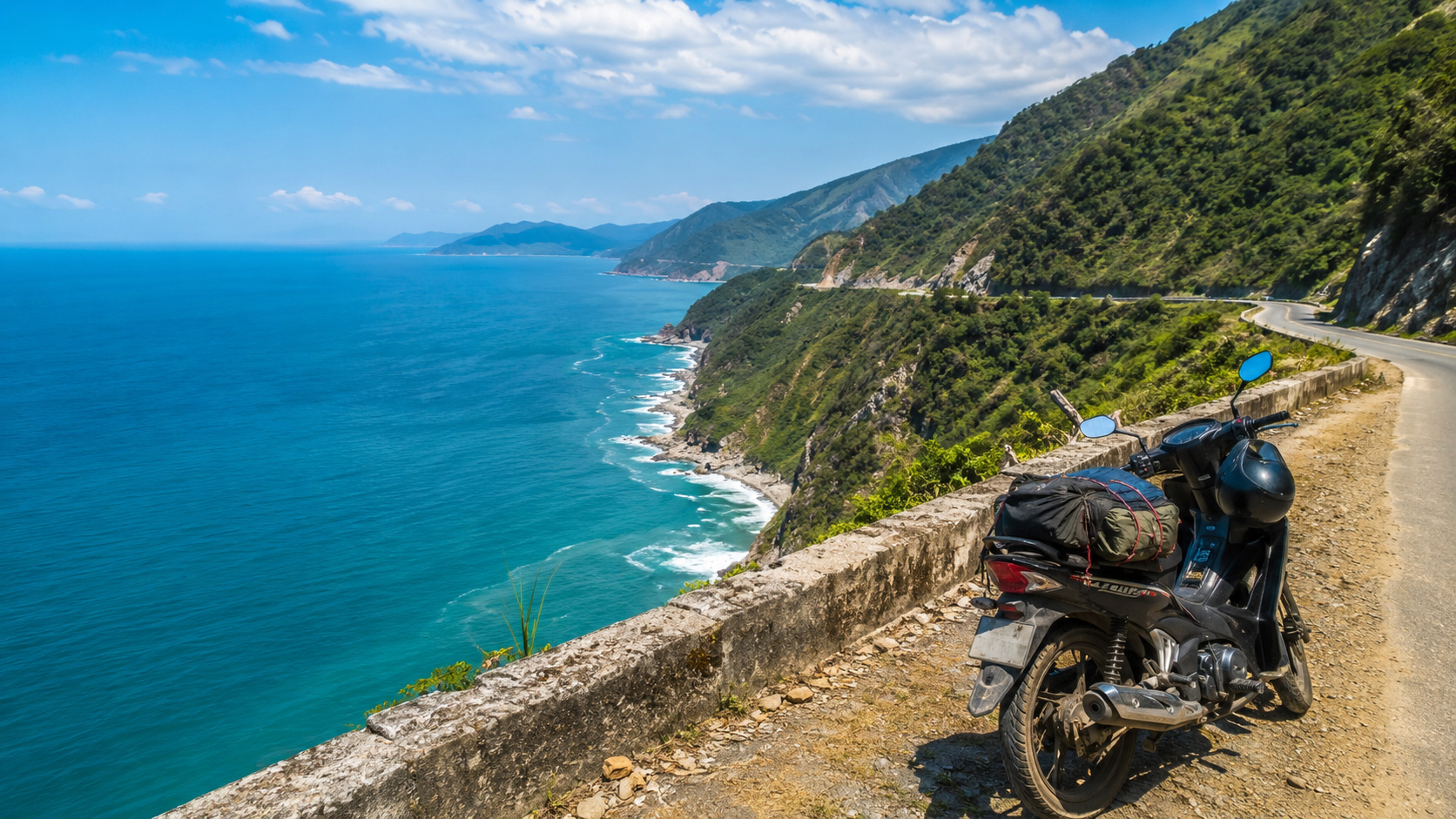
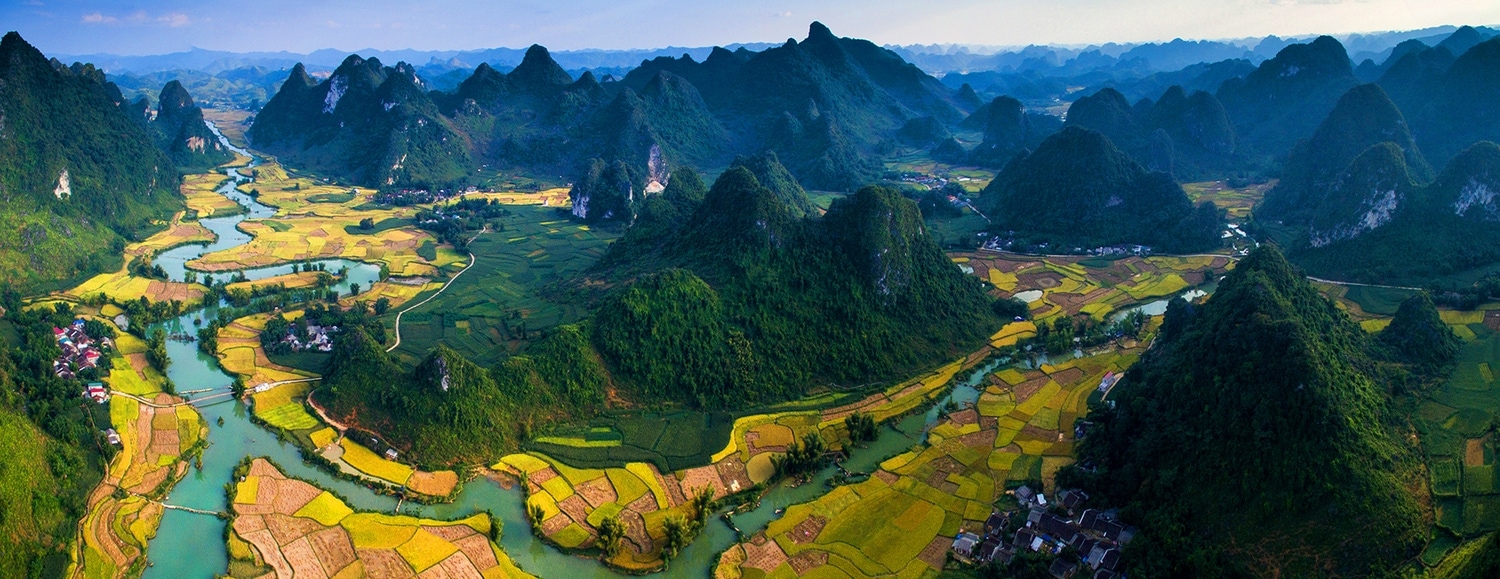
If the itinerary includes Sapa, Ha Giang, Ninh Binh, the Mekong Delta, Halong Bay or rural areas, cash becomes even more important. ATMs may not always be nearby, and not every small service accepts cards. Local boats, drinks, simple meals, handmade products, tips and small unexpected payments should be prepared before leaving a major city.
When traveling in mountain or remote areas, travelers should not keep all their cash in one place. It is safer to divide money into several parts: one amount in the daily wallet, one in a secure bag and one left at the hotel if appropriate. Passport, bank cards and larger cash amounts should also be kept separately. This reduces risk if the daily wallet is lost.
Another useful step is to ask the guide or travel organizer which days have fewer chances to withdraw money. Some long routes, distant attractions or isolated stays make ATM access less convenient. With a moderate amount of cash prepared in advance, travelers can enjoy local experiences without worrying about finding money on the road.
Sending your itinerary for practical money advice
If you are not sure how much cash to carry, where cards will be useful or when to withdraw money, send your expected itinerary, number of travelers, trip length and preferred destinations to Tradition Việt. Based on the real route, the team can suggest a more practical way to prepare money for each section, helping your Vietnam journey stay safe, flexible and comfortable in daily spending.
Plan a better-value Vietnam journey with local support
Send us your expected travel dates, number of travelers and main wishes to receive itinerary advice and a suitable quote from Tradition Việt.
📞 Hotline: (+84)967 04 88 91 / (+84)376 304 008.
📧 Email: info@traditionviet.com.
Address: CT2A, Hanoi Homeland, Thuong Thanh Ward, Long Bien District, Hanoi.