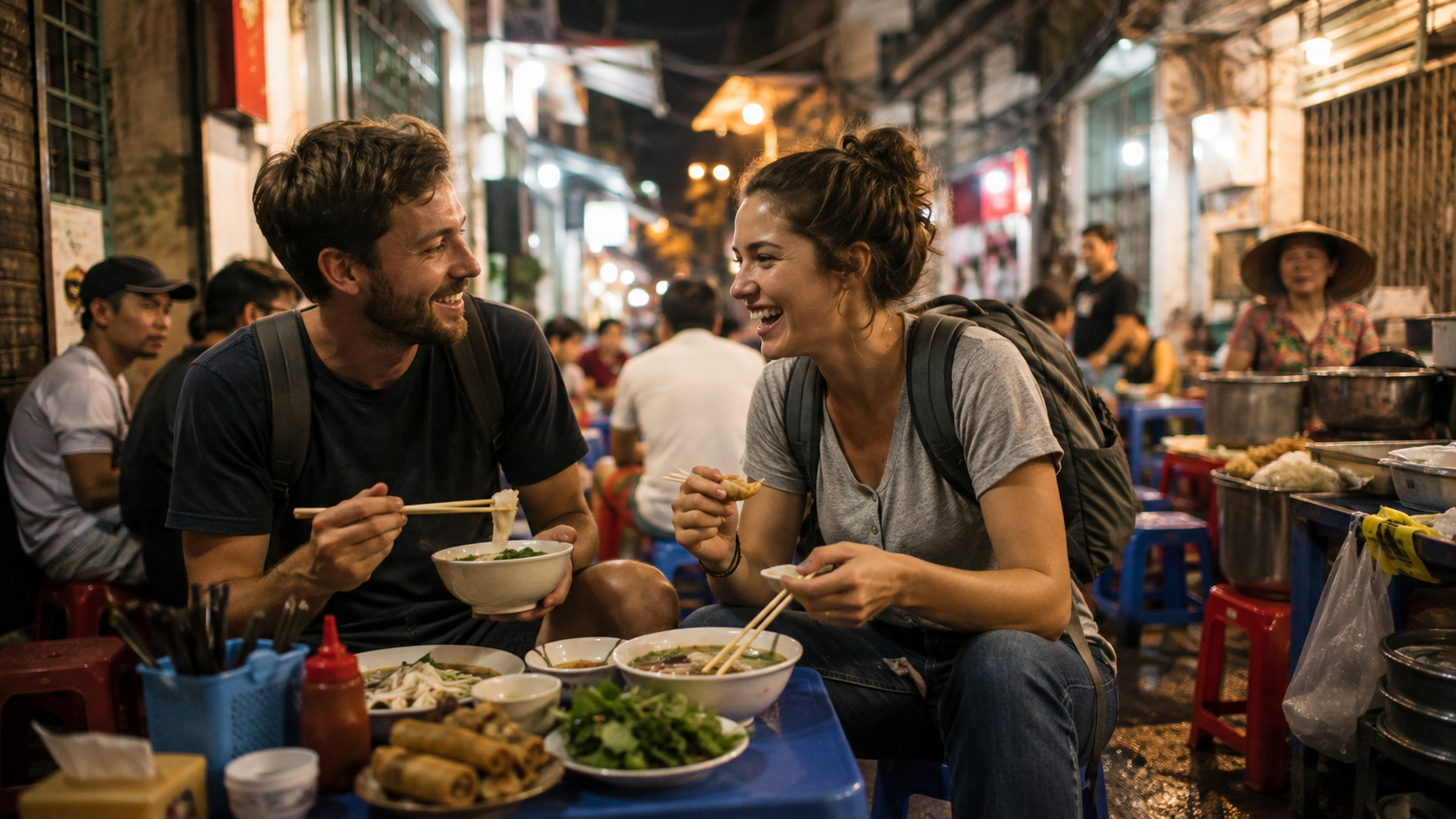

Vietnam local experiences are often remembered not through major monuments alone, but through small moments that feel close to daily life. A morning market, a family meal, a village road after rain, coffee in a small shop, the sound of oars on a river or a brief conversation with a local person can stay in memory longer than a crowded sightseeing stop. These experiences help travelers feel Vietnam more closely, more honestly and with more depth than an itinerary built only around famous landmarks.
To make local experiences meaningful, however, the trip needs thoughtful planning. Visiting a village, walking through a market or eating at a roadside place does not automatically create a deep experience. The value depends on choosing the right place, the right time, the right approach and enough time to observe. A well-designed journey allows travelers to enter Vietnamese daily life naturally, with respect for local people and without turning ordinary life into a performance for tourism.
How to understand Vietnam local experiences the right way
Local experience begins with very small details
A local experience does not need to be a large activity. It can begin by sitting at a breakfast stall, watching people order familiar dishes, hearing motorbikes move slowly through a lane, or walking through a market as sellers arrange their goods. These details help travelers understand how a day in Vietnam begins, how people eat, shop, talk and move through ordinary life.
What gives the experience depth is the context behind it
A local market becomes more interesting when travelers understand why people usually shop early in the morning, which foods follow the season, which herbs are used in family meals and why the same dish may taste different from one region to another. A craft village becomes more meaningful when travelers learn how long the work has existed, which families still keep the skill and whether the products are used in daily life or mainly made for visitors.
Context helps travelers do more than look at images. It allows them to understand the life behind those images. Without enough explanation, many experiences can be seen only as something beautiful or unfamiliar. With a local person or a guide who understands the area, ordinary things such as a bowl of noodles, a bunch of herbs, a conical hat, a boat or a cooking fire become a doorway into culture.
A good experience requires respect, not hurried curiosity
When entering local spaces, respect matters most. Travelers should observe gently, ask before photographing people, avoid entering homes or work areas unless invited, bargain with sensitivity in small markets and avoid treating cultural differences as objects of quick curiosity. A deep experience does not come from seeing as much as possible. It comes from approaching the place in the right way.
Respect also appears in the pace of the journey. If the itinerary is too rushed, travelers can only pass through a market, eat quickly, take a few photos and move on. With more time, they can sit down, listen to a story, ask a simple question, observe how people work or feel the atmosphere of the place. This time is what makes the experience feel real.
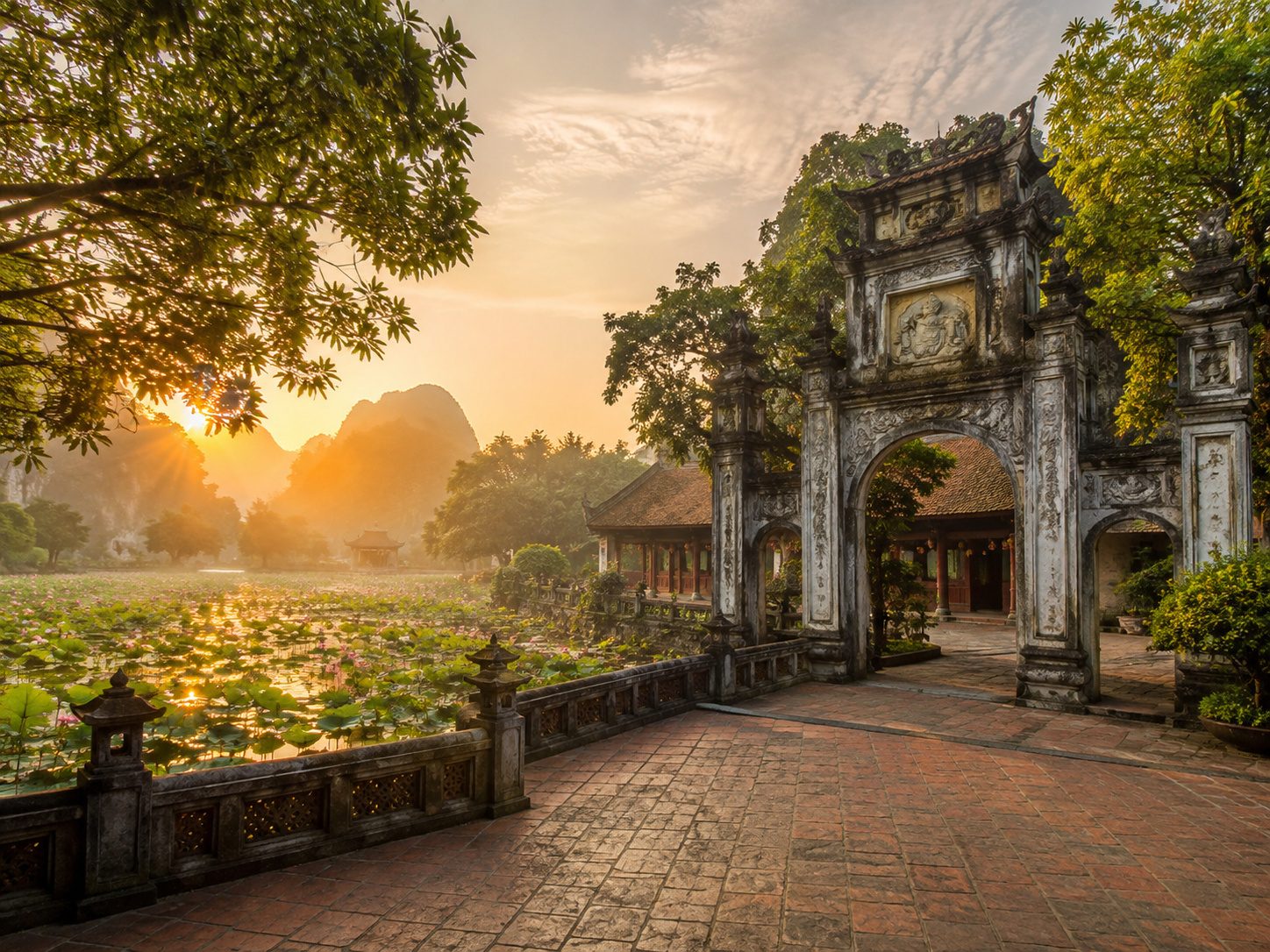
A good journey should not force local life to perform for visitors. Many of the most beautiful moments happen naturally: a seller wrapping food for a regular customer, children leaving school, a family preparing dinner, a boatman waiting for the tide or a temple bell sounding in the late afternoon. When travelers are guided well, they can witness these moments without disturbing the life around them.
How to build a local journey that feels genuine and easy to enjoy
Choose experiences by region, season and travel style
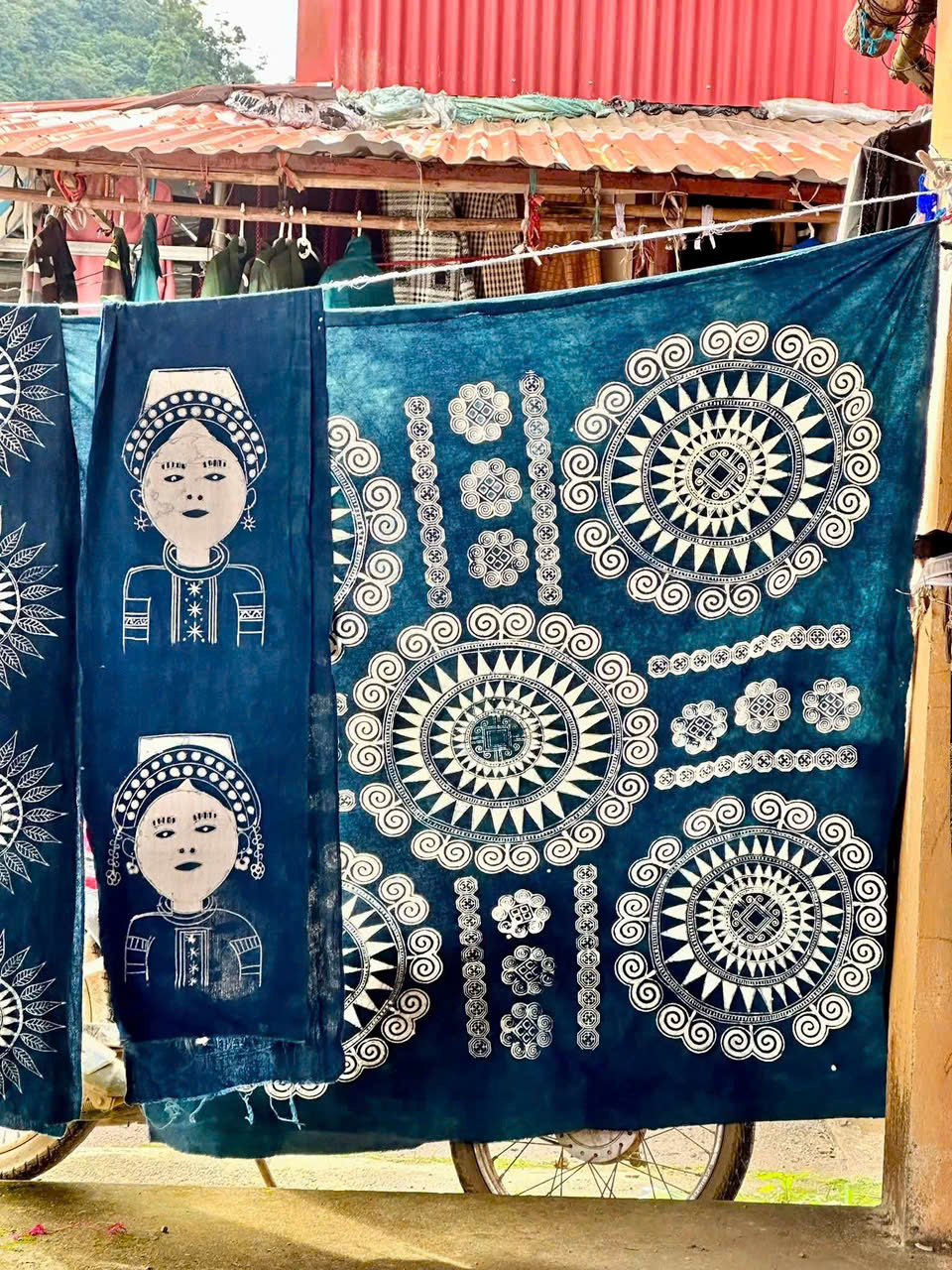
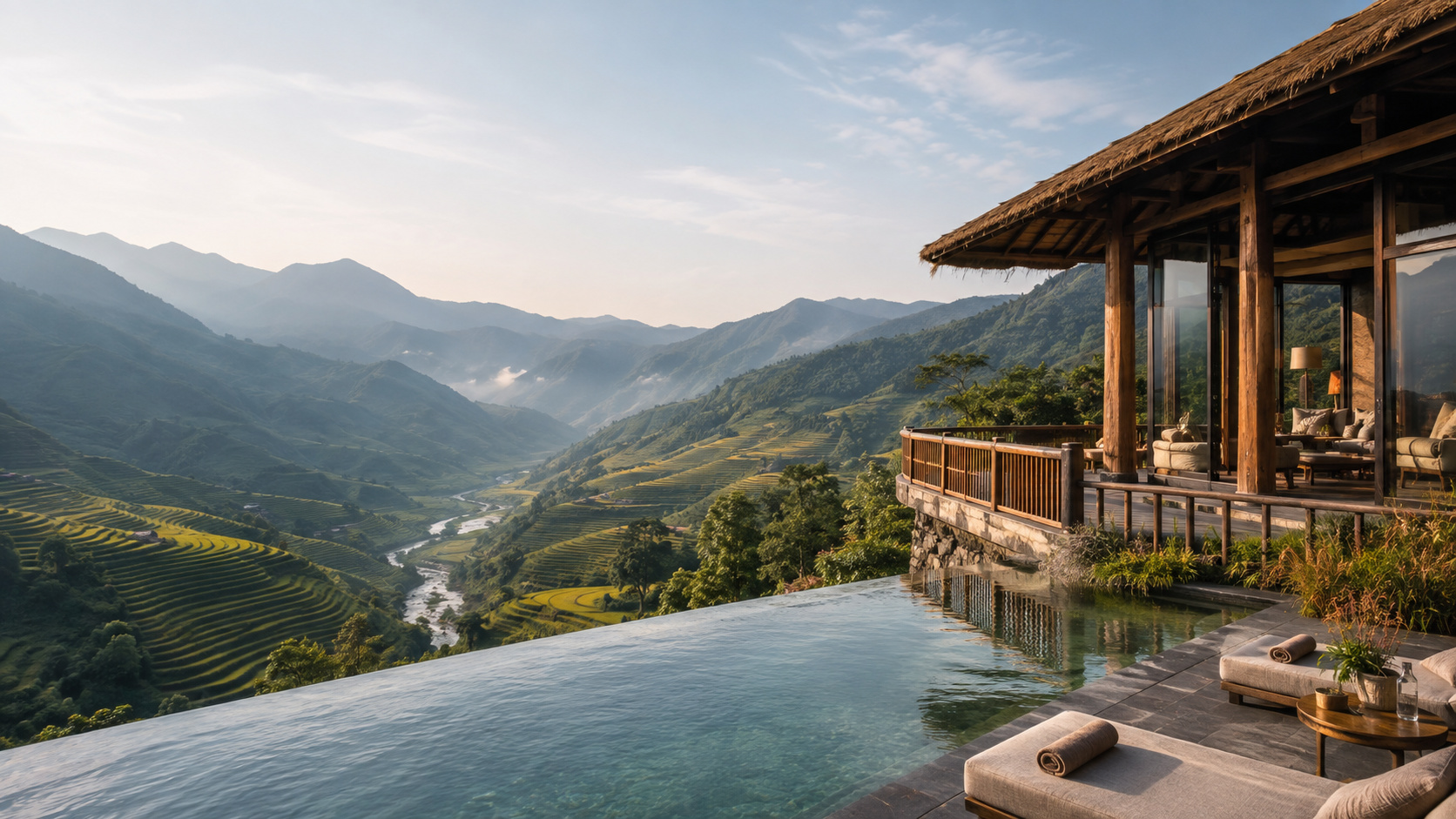
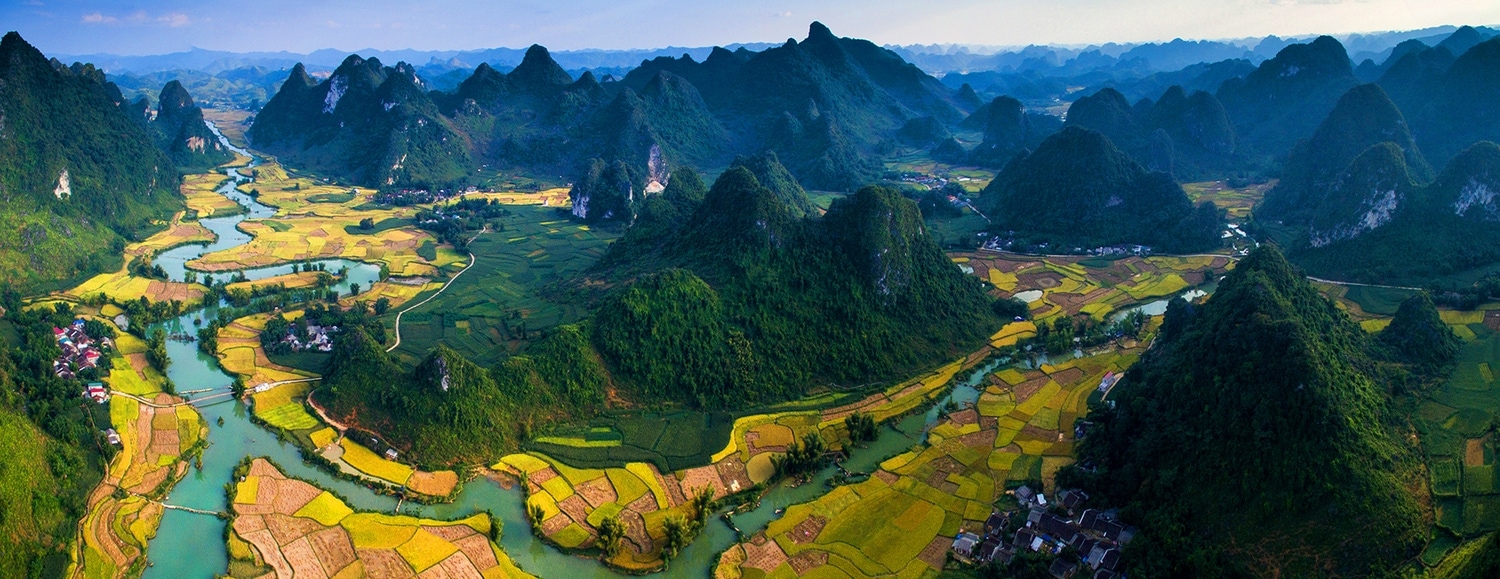
Vietnam offers many different types of local experiences. In the North, travelers may visit mountain markets, craft villages, homestays, terraced fields or riverside communities. In Central Vietnam, local life may be found in family cooking, incense villages, pottery workshops, lagoons, small markets, garden houses or old streets with many layers of memory. In the South, river life, fruit gardens, floating markets, family meals and narrow canals create a different atmosphere.
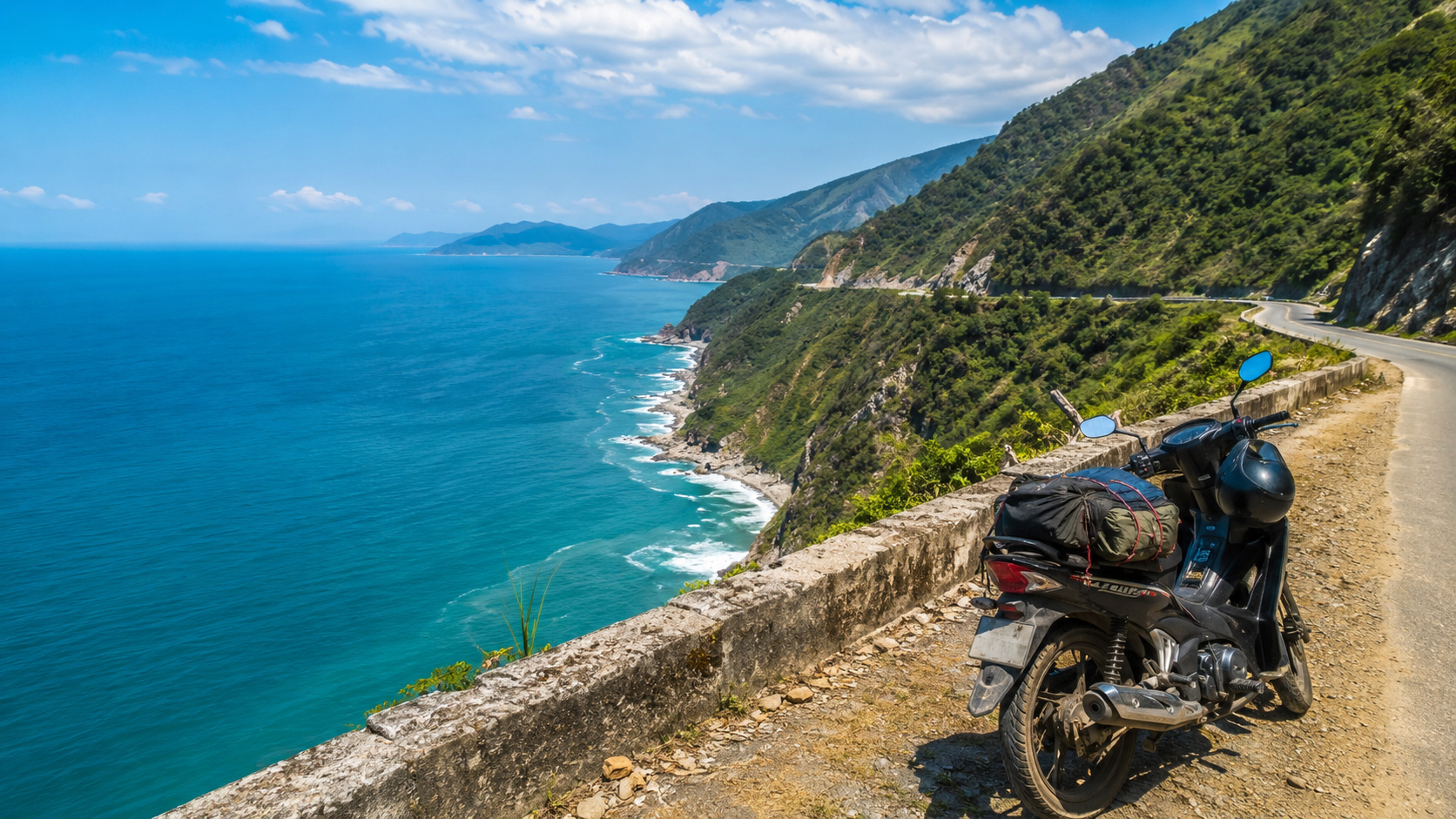
Season strongly affects local experiences. Some markets feel livelier when local produce is in season, some rice fields are more beautiful at certain times, and some months are better for walking or cycling. Rainy periods may require changes to outdoor activities. Travelers who want a more authentic local experience should not only ask where to go, but when a certain experience is most suitable.
Travel style should also be clear from the beginning. Some travelers love food, some enjoy photography, some want to meet local people, and others simply want to move slowly through villages and observe. A good itinerary does not place every possible activity into one day. It selects the experiences that best fit the traveler. Fewer stops with the right rhythm often create more depth than a crowded schedule.
Combine food, craft and daily life
A local journey often becomes more vivid when food, observation and encounters are connected. Travelers may begin with breakfast at a place used by local residents, continue through a market, visit a craft village or a family workshop, and end with lunch built around regional dishes. This structure gives the day a natural flow: from daily needs to work, from work to food and family stories.
Travel with someone who understands the local context
A guide who understands the local area can completely change the quality of the journey. They do not only bring travelers to the right place. They know when to go, when to stop, where to observe quietly, which food to try and what to avoid so local people do not feel uncomfortable. This knowledge helps travelers approach real daily life more naturally.
A good guide does not need to speak constantly, but knows when to add the right details. At a market, they may explain which foods are sold in the morning. In a craft village, they may describe how the work has changed. During a family meal, they may help travelers understand simple table manners. These small explanations make the experience easier to understand and easier to remember.
Plan a better-value Vietnam journey with local support
Send us your expected travel dates, number of travelers and main wishes to receive itinerary advice and a suitable quote from Tradition Việt.
📞 Hotline: (+84)967 04 88 91 / (+84)376 304 008.
📧 Email: info@traditionviet.com.
Address: CT2A, Hanoi Homeland, Thuong Thanh Ward, Long Bien District, Hanoi.