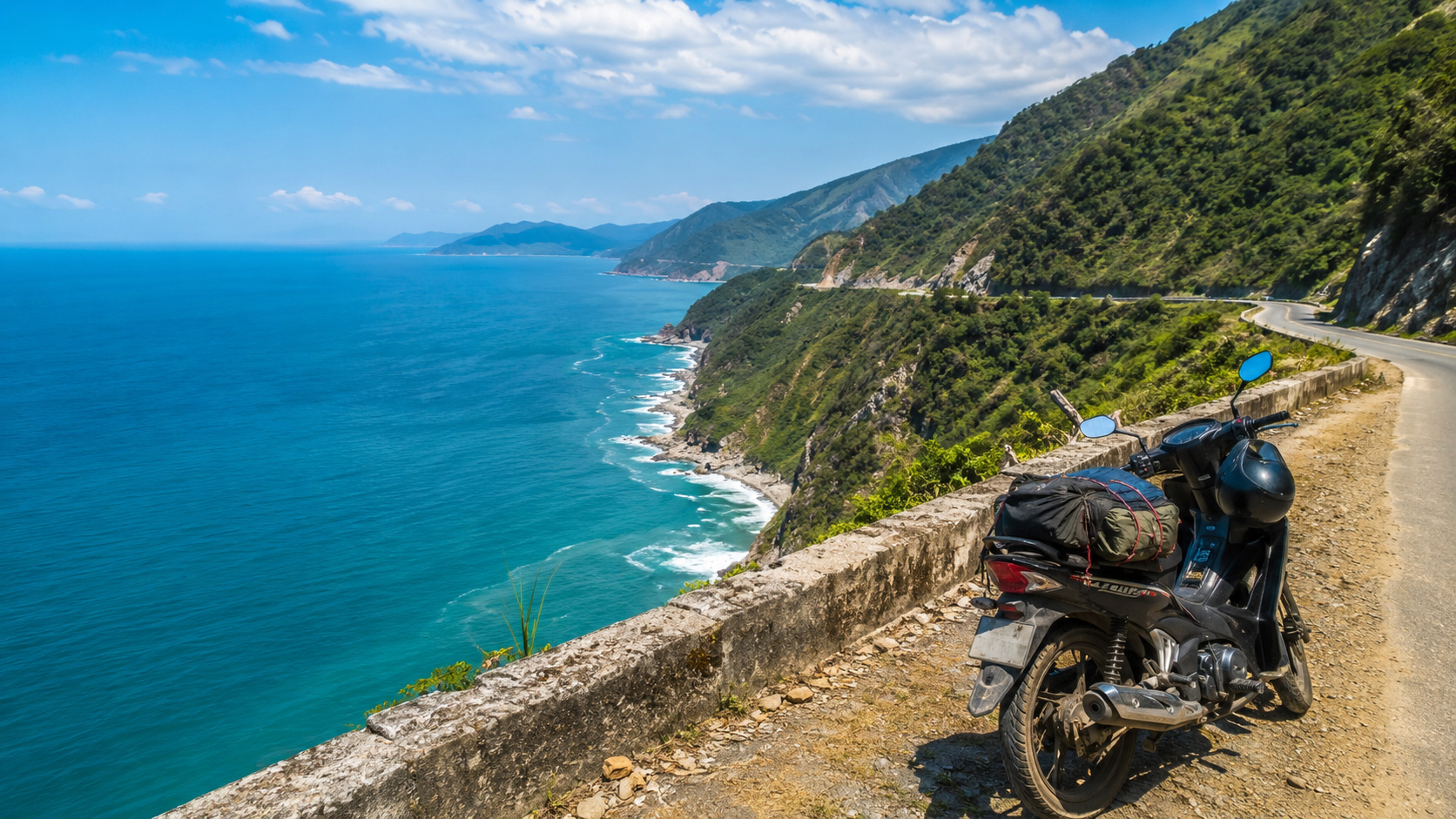


Vietnam holiday packages can reduce research time, connect several services and make a complex journey easier to manage. However, a holiday package does not necessarily include every expense, and it is not automatically the right choice for every traveller. Its value depends on how the route, hotels, transport, activities and support are combined. Before booking, assess 15 criteria covering your travel purpose, package type, duration, geographic scope, inclusions, accommodation quality, pace, flexibility, cost, booking conditions and organiser responsibility. A structured review helps you select the level of assistance you genuinely need without paying for services that add little value. It also allows you to compare packages on the same basis rather than being influenced only by destination photographs, headline prices or the number of days displayed.
Examine the structure of Vietnam holiday packages
The first seven criteria help you understand how a package has been constructed and whether it matches your initial expectations. Begin with the purpose of the journey, then examine the programme type, duration, geographic scope, transport, inclusions and accommodation standard. Together, these elements form the framework of the trip and determine much of your daily experience, time use and cost. A package that looks attractive in photographs may still be unsuitable when transfers are excessive, hotels are inconveniently located or important activities are excluded. Reading the complete structure before comparing discounts makes it easier to identify real value. It also reveals whether the separate services support one coherent journey or have simply been assembled into a marketable offer.
Define your travel purpose and package type
The first criterion is the main purpose of the journey, and the second is the type of package being considered. A culture, food, beach, nature, family or honeymoon trip requires a different allocation of time. Once the priority is clear, identify whether the programme is a shared tour, private tour, flight-and-hotel package or tailor-made itinerary. Shared tours are often less expensive but allow fewer changes. Private tours offer greater adjustment at a higher cost. A flight-and-hotel package suits independent travellers who need only basic arrangements. Choosing the correct format aligns your expectations with the way the programme actually operates and prevents you from buying more structure or accepting less support than you would enjoy.
Check the duration and geographic scope
The third criterion is the real duration of the trip. Do not count only the number of days shown in the title. Review arrival and departure times, transfer days and overnight journeys. An eight-day programme may provide only six useful days when the beginning and end are dominated by flights. Check how often hotels change and whether recovery time follows long connections. For a first visit to Vietnam, a moderate schedule is often easier to appreciate than a programme designed to include as many places as possible. The available time should support the selected route and reflect the health, age and travel habits of the people in your group.
The fourth criterion is geographic scope. Vietnam stretches a long distance from north to south, with considerable differences in climate, transport time and cultural character. A short package should normally focus on one region or a continuous route instead of combining distant cities. When the programme covers two or three regions, review the number of domestic flights and the hours spent waiting at airports. A sensible route limits backtracking, avoids unnecessary vehicle changes and leaves enough time at the main destinations. A clear geographic scope also helps you prepare suitable clothing, luggage and spending expectations for the locations you will actually visit rather than packing for every possible condition in the country.
Assess transport, inclusions and accommodation
The fifth criterion is the transport used for each stage. Check whether the package includes flights, trains, private vehicles, shared coaches or local transport and who is responsible when schedules change. Transfers between airports, stations, ports and hotels must be included in the overall pace. For longer road journeys, vehicle quality, rest stops and luggage space directly affect comfort. When overnight trains or cruises appear, review the cabin category and expected privacy. A well-designed package selects transport according to distance, convenience and experience instead of relying only on the cheapest option. The chosen connections should save time where necessary and contribute meaningfully to the journey where slower travel is part of the appeal.
The sixth criterion is the list of included services. Establish whether the price covers international flights, domestic flights, baggage, transfers, guides, entrance tickets, meals, service charges and specific activities. Read the exclusions to identify single-room supplements, drinks, gratuities, visas, insurance and optional experiences. Two packages with the same opening price may differ considerably after these items are added. Request a written inclusion table and compare it with the day-by-day itinerary. Transparency supports accurate budgeting and reduces repeated payment decisions after the trip begins. It also shows whether the package provides genuine convenience or leaves the traveller responsible for arranging several essential parts independently.
The seventh criterion is accommodation quality and location. Hotel names or replacement standards should be supplied early enough for you to review the neighbourhood, room type, lift access, breakfast and distance from central areas. A high-category property located far from the main districts can reduce the usefulness of free time and increase transport costs. On multi-region itineraries, check whether the standard remains reasonably consistent. Look beyond photographs to examine check-in conditions, extra beds, connecting rooms and suitability for children or older travellers. Appropriate accommodation supports recovery between travel days and can influence the overall holiday package more strongly than a long list of brief sightseeing stops.
Evaluate experience, cost and available support
The remaining eight criteria focus on how the package creates a real travel experience and protects your interests after booking. This stage covers pace, flexibility, meals, activities, total cost, payment terms, emergency support and organiser credibility. These elements may not be fully visible in the title or promotional images, yet they often determine satisfaction. A reliable programme should explain what travellers will do, how much free time is available, which costs may arise and who responds when plans change. Reviewing operational details helps you distinguish between a genuinely convenient package and a collection of services placed under one label. It also provides a clearer basis for comparing offers that appear similar at first glance.
Review the pace, flexibility and meals
The eighth criterion is the pace of each day. Check departure times, visit duration, travel distance and the number of early starts. A dense itinerary may suit travellers who want to maximise sightseeing, but it can exhaust families, older guests or visitors recovering from a long flight. A balanced package normally alternates major sightseeing days with lighter periods or free sessions. Confirm that enough time has been allowed for meals, check-in and rest between connections. A suitable pace gives each destination a distinct character instead of turning the journey into a rushed sequence of completed names. It also provides room for minor delays without damaging every activity scheduled later in the day.
The ninth criterion is flexibility. Ask which parts can be changed before departure, which adjustments are possible locally and how additional costs are calculated. Private tours are usually more adaptable than shared tours, although opening hours, purchased tickets and supplier conditions still impose limits. When you prefer not to join an activity, establish whether you may rest at the hotel, explore independently or must remain with the group. Suitable flexibility does not mean that every request can be fulfilled. It means that the limits are explained clearly and workable alternatives exist when weather, traffic or personal energy levels affect the original plan. This clarity is especially valuable for families and multigenerational groups.
The tenth criterion is meals. Review how many are included, the expected style of food, restaurant standards and the treatment of vegetarian diets, allergies or religious requirements. Including every meal is not always beneficial because travellers may lose opportunities to explore local food independently. On the other hand, pre-arranged meals are practical in remote areas and on long transfer days. A sensible programme combines group meals with free dining time. Included meals should offer reasonable variety and fit naturally into the itinerary rather than existing only to make the service list appear complete. Clear meal arrangements also help travellers estimate personal spending and avoid uncertainty when arriving late in unfamiliar places.
Check activities, total cost and payment terms
The eleventh criterion is activity quality. Distinguish between core experiences, optional activities and free time, and review the duration, guiding and physical demands of each item. The twelfth criterion is the total cost after adding supplements, insurance, gratuities, baggage, visas and a contingency fund. The thirteenth criterion is the payment structure, including deposit amount, deadlines, date-change rules, cancellation and refunds. These three criteria should be assessed together. A package with an attractive price but weak activities or highly restrictive cancellation conditions may offer limited value. Written details allow you to understand what is protected after payment and how much financial risk remains if personal circumstances or external conditions force the journey to change.
Assess support, local responsibility and organiser credibility
The fourteenth criterion is the support system. Before booking, identify the main contact, the after-hours telephone number and the process for delayed flights, lost luggage, illness or weather-related changes. Store insurance details, emergency contacts and service confirmations in both online and offline formats. If the itinerary includes trekking, boating or other active experiences, check equipment, supplier standards and the alternative plan when conditions are unsafe. Strong support cannot prevent every disruption, but it allows decisions to be made quickly and clearly. Travellers should know who has authority to adjust the programme and which expenses remain their responsibility when an event falls outside the package terms.
The fifteenth criterion is organiser credibility and local responsibility. Examine how guides, drivers, hotels, restaurants and community partners are selected. Visits to craft villages, family homes or minority communities should be arranged respectfully and provide a genuine benefit to local participants. Review the contract, company details, specific customer feedback and the way complaints are handled. A trustworthy organiser explains the limitations of a programme, confirms changes in writing and avoids broad promises that hide unresolved details. Credibility becomes most visible after the deposit has been paid, when consistent communication and dependable local operations matter more than polished promotional language. Responsible partnerships also improve the quality and authenticity of the traveller’s experience.
Choose suitable Vietnam holiday packages with Tradition Việt
Vietnam holiday packages are most suitable when the level of support, pace and cost reflect the way you want to travel. These 15 criteria help you assess the complete programme, from route structure and accommodation to activities, booking terms and local assistance. Before deciding, create a comparison table and mark the elements that cannot be compromised, such as free time, hotel location, group size or flexibility. Do not choose only because an offer includes more destinations or displays a lower opening price. Tradition Việt can help design a holiday package around your available days, budget and interests, whether you prefer a private guided journey or an independent programme with the most important services arranged in advance.
Tradition Việt contact information
Hotline: (+84) 967 04 88 91 / (+84) 376 304 008
Email: info@traditionviet.com
Address: CT2A Hanoi Homeland, Hanoi, Vietnam