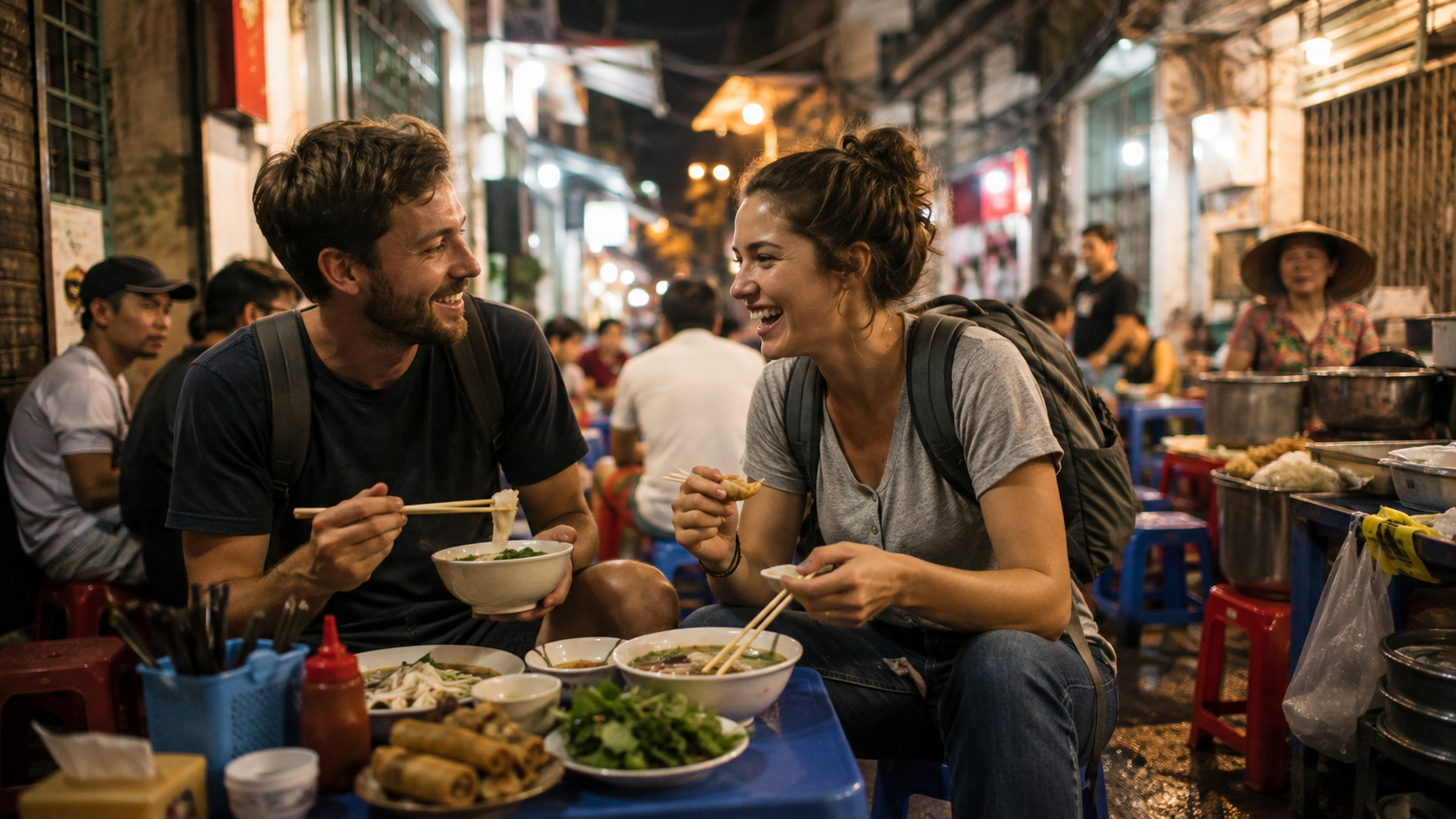


Vietnam food tours become much more enjoyable when travelers prepare properly in advance. Preparation does not need to be complicated, but it helps to understand that food tours in Vietnam often take place in very everyday spaces: old streets, small alleys, local markets, sidewalk eateries, low tables, night food areas, or long-running shops without large signs. This closeness is what makes the experience memorable, but it also requires an open and flexible mindset.
Remember that a food tour is not a contest to eat as many dishes as possible. A good food experience needs the right rhythm, taste fit, time of day, and enough comfort for you to observe the city through each small eatery. If you share dietary needs in advance, choose a tour that matches your energy, dress comfortably, avoid arriving too hungry or too full, and listen to your guide, Vietnamese cuisine will feel more natural, safer, and richer in story.
What to Prepare Before Joining a Vietnam Food Tour
A good food tour begins with small details: choosing the right time, explaining your taste, preparing your body, and understanding the kind of space you will enter. Many of Vietnam’s best dishes are not in fancy places, but in eateries with fast rhythm, steady local customers, food made continuously, and flavors connected to the neighborhood. When your mindset is ready, you will enjoy the experience more easily instead of feeling surprised by the energy of the streets.
Share taste preferences, allergies, and foods you avoid
Before joining a food tour, explain clearly if you are vegetarian, allergic to seafood, avoid meat, do not eat spicy food, avoid gluten, do not eat offal, or have any food you absolutely cannot try. Vietnamese food often includes ingredients hidden in broth, dipping sauce, scallion oil, fermented fish sauce, dried shrimp, or base seasoning, so the dish name alone may not reveal everything.
Sharing this information does not make the experience less exciting. On the contrary, it helps the guide choose dishes more intelligently and avoid awkward situations once you are already seated. For serious allergies or complex dietary needs, a private tour is often safer because the route can be adjusted more carefully at each stop.
Do not arrive too hungry or too full
Many travelers think they should skip meals all day to “save room” for a food tour, but this is not always a good idea. If you are too hungry, you may eat too quickly, feel tired, become lightheaded, or lose the ability to enjoy the flavors properly. It is better to eat lightly beforehand, drink enough water, and start the tour with your body in a comfortable state.
Choose clothing and essentials for the streets
Food tours in Vietnam often involve walking, stepping up and down sidewalks, crossing busy streets, sitting in small eateries, or moving between several stops in a short time. Comfortable shoes matter more than photo-ready clothing. Choose easy walking shoes, breathable clothes, a small bag, and avoid carrying too many bulky items.
For evening tours, a light layer can be useful on cooler days or if you sit outdoors for a while. In hot weather, bring water, tissues, wet wipes, and be ready for the fact that not every eatery has air conditioning. Comfort while moving directly affects the eating experience, especially in busy areas like Hanoi or Ho Chi Minh City.
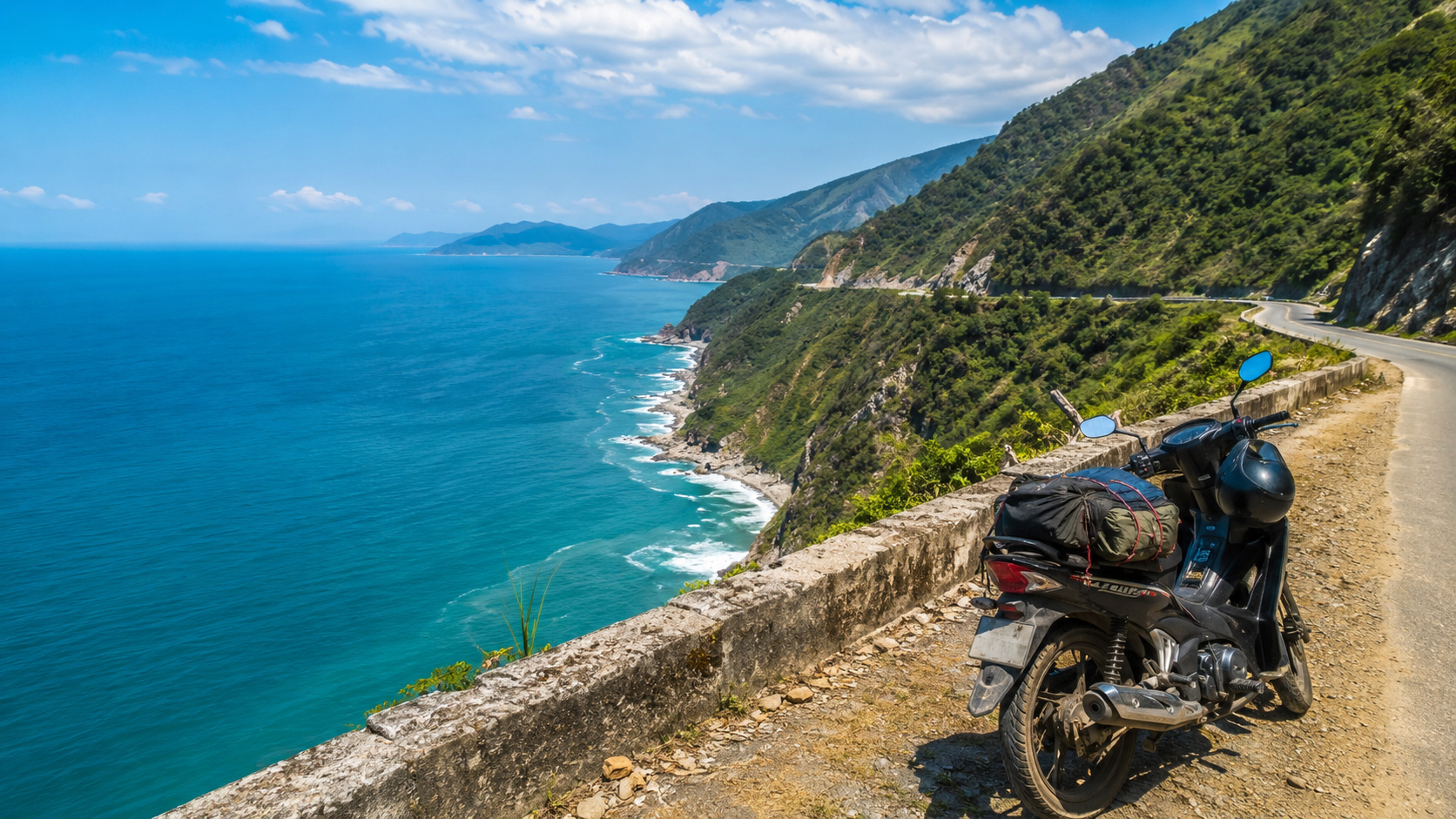
For tours that use motorbikes or private vehicles, ask in advance about the transport, helmets, pickup point, drop-off point, and distance between eateries. Some travelers love the motorbike experience in Saigon, but those with children, older travelers, or guests unfamiliar with traffic may need a gentler option. Choosing the right transport makes the food tour more enjoyable and less stressful.
During the Food Tour: How to Enjoy It Fully
Once the tour begins, the important thing is not only what you eat, but how you enter the local setting. A small eatery may not be perfect by restaurant standards, but it can carry history, rhythm, and a flavor of its own. If you stay curious, ask the right amount of questions, and eat a little more slowly, each dish can open a different view of the city.
Eat slowly, observe more, and ask at the right time
Do not rush to finish one dish just to move to the next. Observe how locals order, add herbs, mix dipping sauce, use chopsticks, share tables, or drink iced tea after a meal. These details turn the food tour into a cultural experience rather than only a list of dishes.
Stay open-minded but know your limits
Vietnamese cuisine has many flavors that are easy to love, but also some that are strong, unfamiliar, or not suitable for everyone. You can try a small bite before deciding whether to eat more. If a dish does not fit your taste, tell the guide gently so the route can be adjusted. A good food tour does not need to force travelers to love every dish; it should help them understand and experience food within their comfort zone.
Open-mindedness also means accepting local spaces. Some eateries are crowded, some are small, some serve quickly, and some require a little waiting because dishes are cooked in batches. These details are part of Vietnamese food life. If you look only for restaurant-style perfection, you may miss the real character of the food tour.
However, being open-minded does not mean ignoring your health. If you feel too full, too hot, too tired, or do not want to try the next dish, say so. A good guide can adjust portions, pace, or alternatives. The most memorable experience is one that makes you feel safe, not one that pushes you beyond your limits.
Connect the food tour with the rest of your journey
After the food tour, you will understand more clearly which flavors you like, which city’s eating style suits you, and which dishes you want to try again. Save the names of dishes, neighborhoods, or eateries that impressed you so you can return later. This is one of the biggest benefits of a food tour: it is not only one meal, but a way to feel more confident during the remaining meals of the trip.
Tradition Việt can help you choose a food tour that fits your journey through /en/vietnam-food-tours/. If you are unsure whether to take a food tour in Hanoi, Hue, Hoi An, Da Nang, or Ho Chi Minh City, Talk to a Vietnam travel advisor so the itinerary is designed around taste, timing, budget, and companions.
When placed well in the itinerary, a food tour can make the following days much easier. You learn to order more confidently, understand why dipping sauce matters, know how to eat herbs, know which dishes suit breakfast or dinner, and feel less dependent on familiar tourist restaurants. A good food tour can therefore open the way to many other good meals during your Vietnam trip.
FAQ
What should I prepare before a Vietnam food tour?
Share allergies and taste preferences in advance, eat lightly, wear comfortable clothes, choose easy walking shoes, bring water and tissues, and stay open to local eating spaces.
Should I skip meals before a food tour?
No. Avoid arriving too hungry. Eat something light beforehand so your body feels comfortable and you can enjoy each dish at a steady pace.
Are Vietnam food tours suitable for people who do not eat spicy food?
Yes. Many Vietnamese dishes are not very spicy, and spice levels can often be adjusted. Tell the guide your preferences before the tour.
Should I bring cash on a food tour?
Yes, bring some cash for extra drinks, tips, small purchases, or personal expenses, even if the main dishes are included in the tour.
Should I choose a walking food tour or a vehicle-based tour?
It depends on the city and companions. Hanoi and Hoi An work well for walking tours, while Ho Chi Minh City can be exciting by motorbike or private vehicle if you are comfortable with traffic.
Should I book a private food tour?
Yes, if you travel with family, have dietary needs, prefer a slower pace, or want to combine the tour with your own daily itinerary.
A complete Vietnam food tour is not about eating as much as possible. It depends on enough preparation, an open mindset, the right guide, and the ability to listen to your body throughout the experience. When you explain your taste, choose a suitable pace, and observe the life around each dish, a food tour becomes one of the closest ways to understand Vietnam.
To choose a food tour that fits your taste, timing, and itinerary, Talk to a Vietnam travel advisor. Tradition Việt can help arrange food experiences in Hanoi, Hue, Hoi An, Da Nang, Ho Chi Minh City, or other destinations in a way that is delicious, safe, and truly suited to your needs.