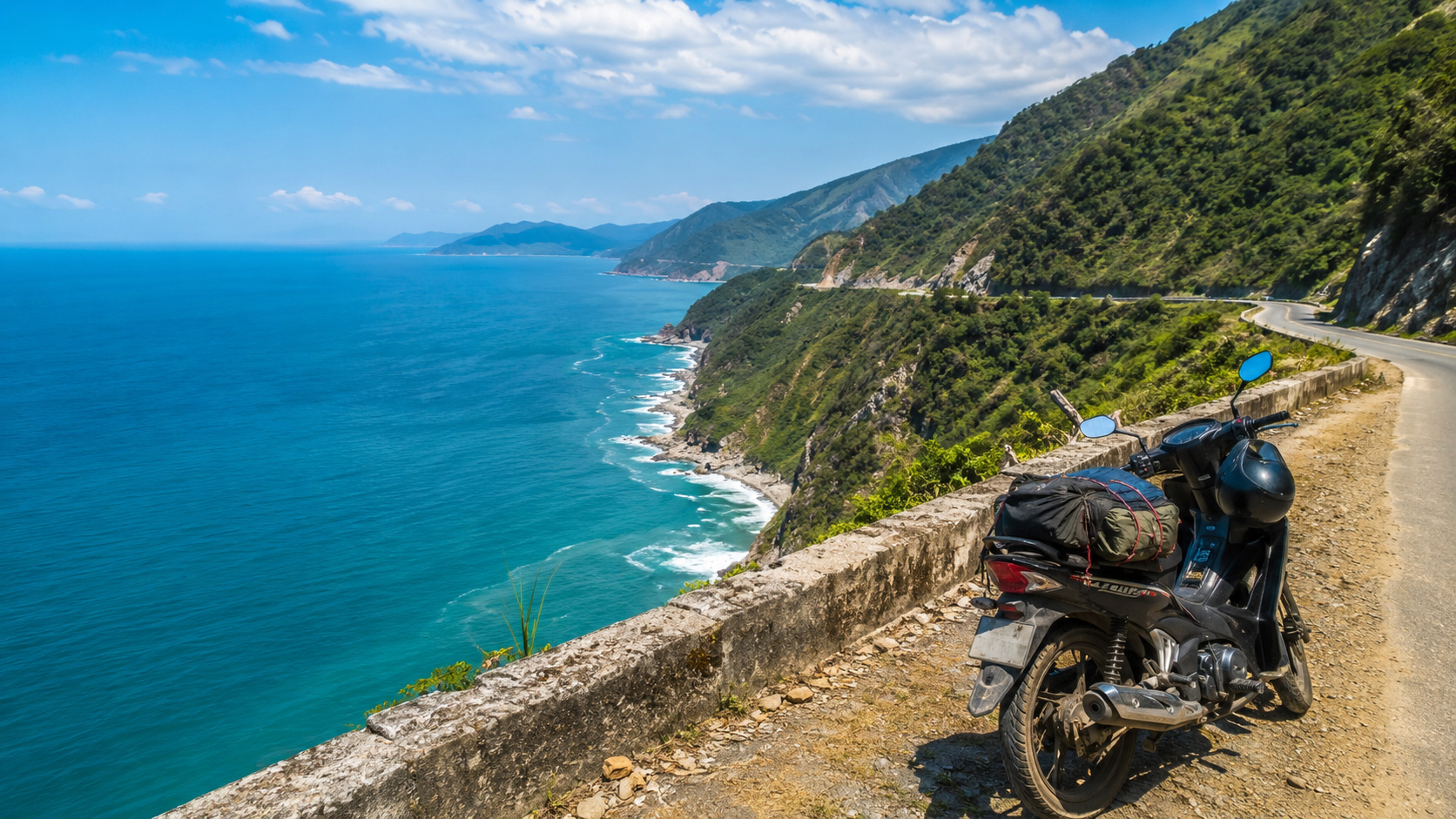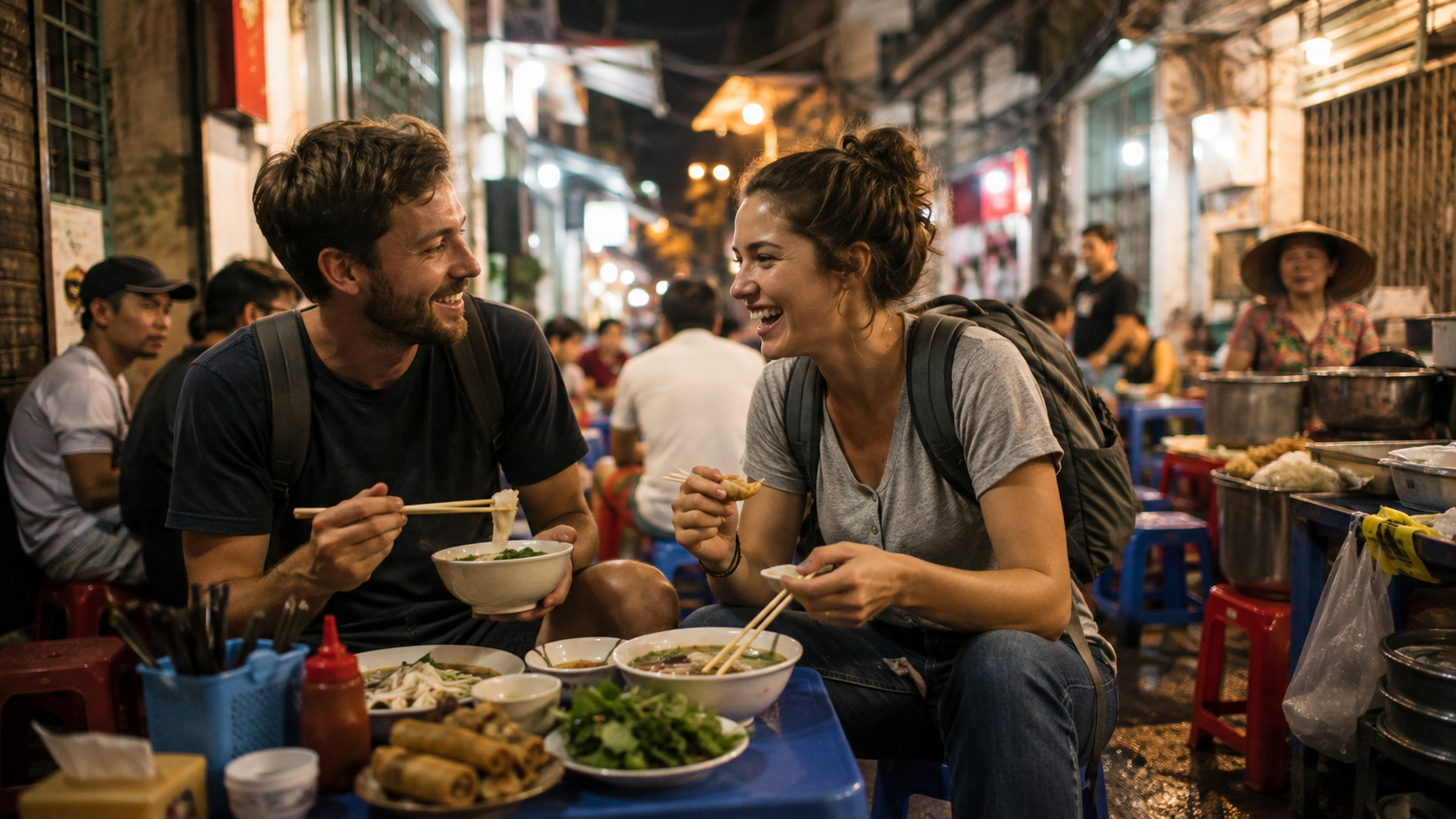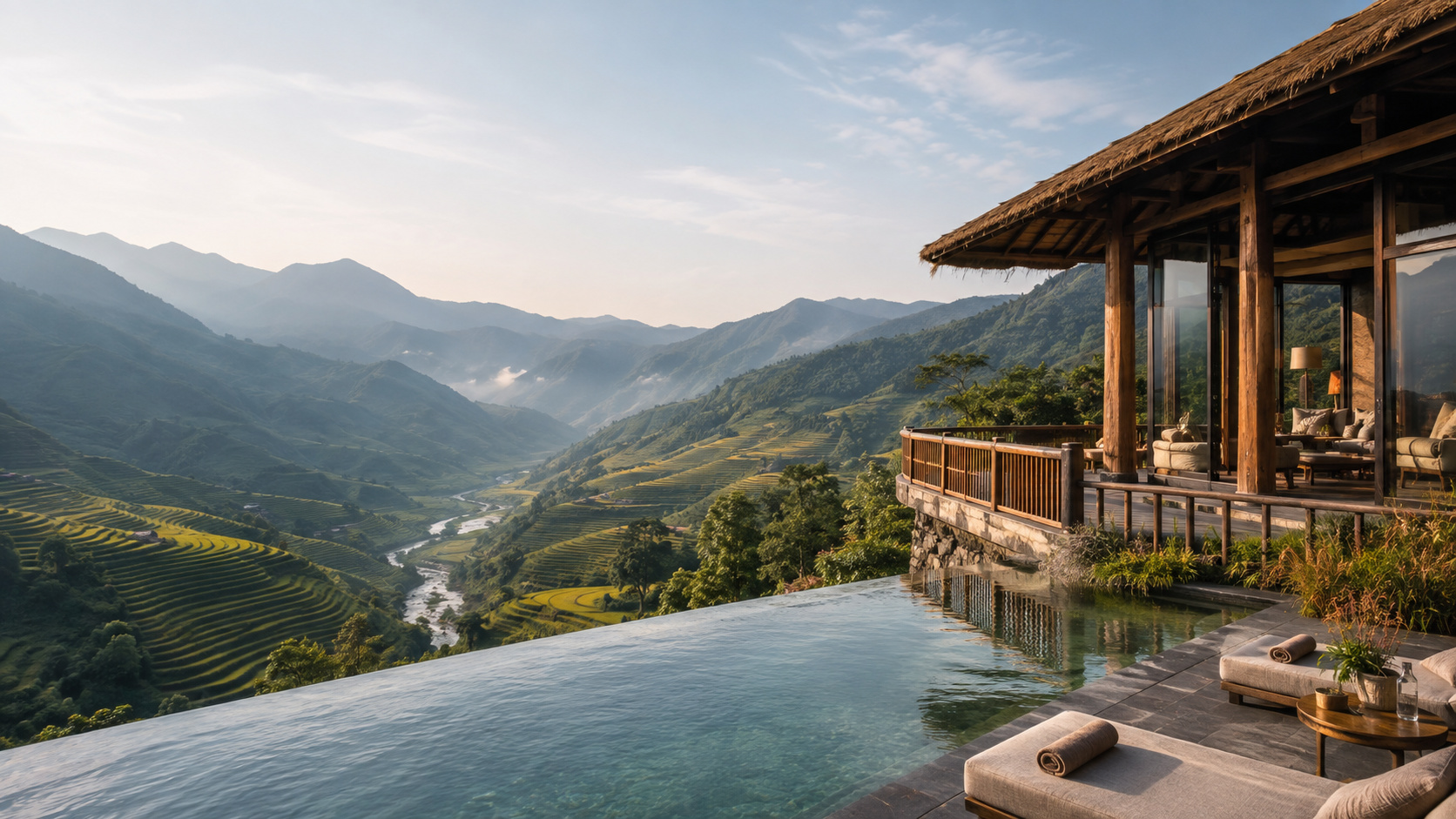


Transport in Vietnam can include private cars, domestic flights, trains, cruises, small boats, electric carts and walking routes. For families, the best option is not always the fastest one. It is the option that works with luggage, children’s sleep, older travelers’ comfort, weather and safety. A private vehicle on a long transfer may be worth more than a small saving on a shared service. Good transport planning keeps the itinerary calm and helps the family arrive ready to enjoy the next stop.
Use private cars for flexible family transfers
Private cars are often the most practical solution for family transfers in Vietnam. They allow children to sleep, parents to keep snacks and supplies close, and older relatives to stop when needed. On routes such as Hanoi to Ninh Binh, Hue to Hoi An or Ho Chi Minh City to the Mekong Delta, this flexibility can greatly improve the day. The vehicle becomes part of the comfort system, not just a way to move.
Families should mention luggage volume, child seat needs, mobility concerns and preferred stopping style before the quote is finalized. A vehicle that is too small can make even a short journey tiring. A well-matched car or van gives the family room to breathe and helps the guide or driver adjust the day when traffic or weather changes.
Book domestic flights at humane hours
Domestic flights are useful for crossing Vietnam’s long distances, especially between Hanoi, Da Nang and Ho Chi Minh City. However, very early or late flights can be hard for children and older travelers. A cheap ticket may cost the family a night of sleep. Families should compare the saving with the impact on the next day’s mood and energy.
Midday flights may interrupt sightseeing, but they often make the day easier. The family can wake normally, eat breakfast, pack calmly and arrive before evening. For many families, that comfort is worth more than squeezing in another visit. A good itinerary treats flight timing as a travel experience decision, not only a price decision.
Consider trains only on the right routes
Trains can be memorable, especially for older children who enjoy the experience of slow travel. Still, they are not always the best choice for every family. Departure times, sleeping quality, restroom standards, luggage handling and the distance from the station to the hotel should all be checked. A train ride should be chosen because it adds something meaningful, not only because it sounds romantic.
Overnight trains deserve particular care. A poor night of sleep can affect the whole next day. Families who need predictable comfort may prefer a flight or private car. Tradition Việt can advise which rail sections are worth considering and which ones may create more fatigue than value for a specific family group.
For a smoother family trip, Tradition Việt can shape the route, hotels, transfers and guiding around your travel dates, children’s ages and preferred comfort level.
Counting the hidden time between destinations
Families should count more than the visible travel time. A short flight also includes the drive to the airport, check-in, baggage, waiting and the transfer back into town. A three-hour road journey may be easier if the vehicle is comfortable and stops are flexible. When connecting Hanoi, central Vietnam and the south, these hidden hours become important. A route with fewer changes, better timing and realistic buffers usually feels much better than a route that looks efficient only on paper.
Check safety details for boats and cruises
Boat experiences are often highlights of a Vietnam family itinerary. Halong Bay, Lan Ha Bay, Ninh Binh, Hoi An and the Mekong Delta all offer different kinds of water travel. Families should check life jackets, boarding steps, weather conditions, cruise standards, meal suitability and activity duration. A beautiful boat trip can become uncomfortable if safety and timing are not considered.
For overnight cruises, cabin type and onboard program matter. Children may need downtime, and older travelers may prefer easier access. In the Mekong Delta, smaller boats can feel wonderfully close to local life, but they should be operated responsibly. The safest water experiences are those selected with the family’s age range in mind.
Plan walking routes with shade and breaks
Walking is essential in places such as Hanoi’s Old Quarter and Hoi An, but family walks should be planned. Narrow pavements, heat, motorbikes and crowds can tire children quickly. A good walking route has a clear start, a sensible finish, places to sit, restroom options and a story that keeps attention. It should not be a long wandering session without structure.
A local guide can make walking easier by choosing quieter lanes, explaining how to cross streets and adjusting the route when the family slows down. Comfortable shoes, water and a small day bag help. When walking is designed well, it gives children direct contact with local life without overwhelming the family.
Build buffers into every transfer day
Family travel always includes small surprises: a forgotten jacket, a slow breakfast, a restroom stop, a child who needs a nap, sudden rain or traffic near a bridge. If the itinerary has no buffer, these ordinary moments can make the day stressful. Transfer days should include extra space, especially in big cities and high season.
Buffers do not reduce the value of the trip. They protect it. They allow the family to stop for fruit, take a photo, rest after lunch or change a plan without panic. Tradition Việt builds these margins into family routes because real travel is never as neat as a timetable.
Frequently Asked Questions
How many days are ideal for a Vietnam family itinerary?
Ten to fourteen days usually work well if the family wants to combine the north, central Vietnam and part of the south. Shorter trips should focus on fewer regions.
Should a first family trip include all three regions of Vietnam?
It can, but only with enough time and sensible connections. Families with younger children often enjoy a route with fewer hotel changes.
Are Hoi An and Ninh Binh suitable for children?
Yes. Both destinations offer visual, hands-on experiences, but the schedule should avoid extreme heat and leave enough time for breaks.
Is private transport better for families?
In many cases, yes. Private transport gives families control over pickup time, rest stops, luggage and comfort, especially with children or older relatives.
Can Tradition Việt design a route around my budget?
Yes. Share your dates, group size, children’s ages, preferred comfort level and main wishes so the team can suggest a suitable route and quote.
Plan a better-value Vietnam journey with local support
Send us your expected travel dates, number of travelers and main wishes to receive itinerary advice and a suitable quote from Tradition Việt.
📞 Hotline: (+84)967 04 88 91 / (+84)376 304 008.
📧 Email: info@traditionviet.com. Address: CT2A, Hanoi Homeland, Thuong Thanh Ward, Long Bien District, Hanoi.