

To travel to Vietnam well, value should not be measured only by price. A good Vietnam journey gives travellers more meaning, comfort, flavor and memory for the time and money they invest. The country is long and varied, with northern cities and mountains, central heritage, southern river life, coastal stops and islands. A trip can become expensive in the wrong places if the route is rushed, hotels are badly located or transfers are poorly placed. It can also feel wonderfully rich without being extravagant when the itinerary has purpose. These seven tips help travellers get more value by shaping Vietnam with rhythm, not just ambition.
Make the route work before adding details
The strongest value in Vietnam comes from route logic. Travellers often begin with hotels, flights or famous sites, but the route should come first. A clear direction reduces backtracking and protects the emotional flow of the trip. North-to-south, south-to-north or one focused regional loop can all work, but they should not be mixed randomly. A coherent route also helps travellers choose better hotels, guided days and transfer points. Before spending more money, ask whether the itinerary already makes sense. If it does not, extra services may only decorate a weak structure.
Tip one: choose a clear travel direction
A clear direction helps the trip feel natural. Starting in Hanoi and ending in Ho Chi Minh City gives one kind of arc. Starting in the south and finishing with northern scenery gives another.
A travel to Vietnam planning guide can help travellers think about route order before adding too many destinations.
Tip two: remove one stop if the trip feels crowded
Removing a destination can increase value. It may reduce transfers, improve hotel choices and give travellers more time to experience the places that remain.
Spend where it changes the experience
Not every upgrade creates equal value. A better hotel location may matter more than a larger room. A private guide in Hue, Hanoi or the Mekong Delta may create more depth than an expensive dinner. A good cruise cabin may improve the whole Halong Bay experience, while a luxury transfer on a short city route may add little. Vietnam rewards selective spending. The goal is to identify the parts of the trip where money improves meaning, comfort or access. Then the rest can stay simple, local and flexible.
Tip three: protect hotel location before hotel category
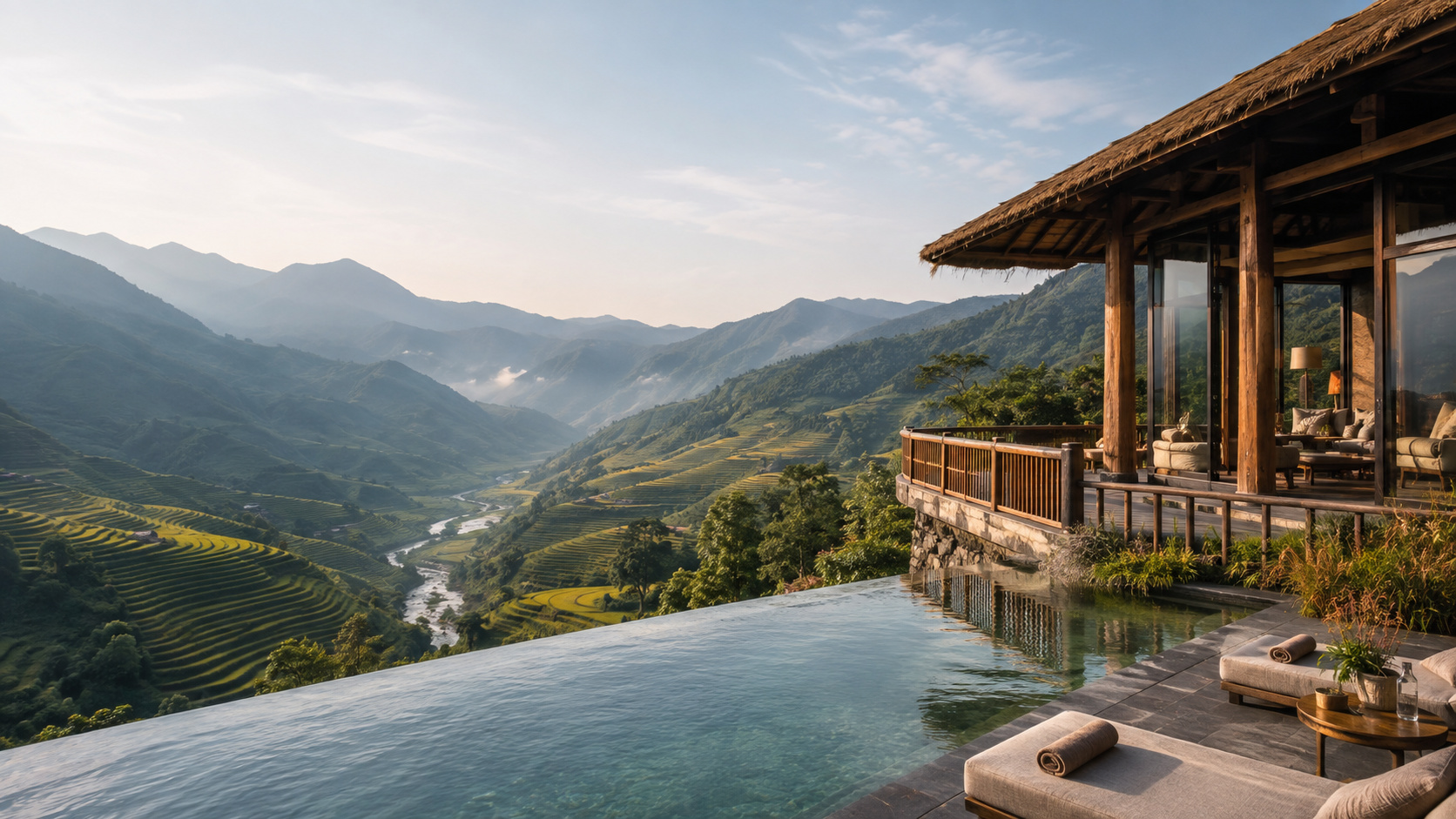
A modest hotel in the right area can beat a higher-category property that creates daily transport problems. Walkable access to food, old streets, markets, riverfronts or the beach can save time and improve mood.
In cities such as Hanoi, Hoi An and Ho Chi Minh City, location often becomes part of the experience.
A strong hotel base also makes free time more useful.
Travellers should not pay for distance disguised as comfort.
Tip four: use guides where context matters
Guides add value when they help travellers understand food, history, craft, local customs or landscape. They are especially useful in old quarters, heritage sites, countryside routes, river areas and first-day orientation.
A Vietnam private tours guide can help decide where private guiding improves the journey.
Tip five: let local meals carry part of the value
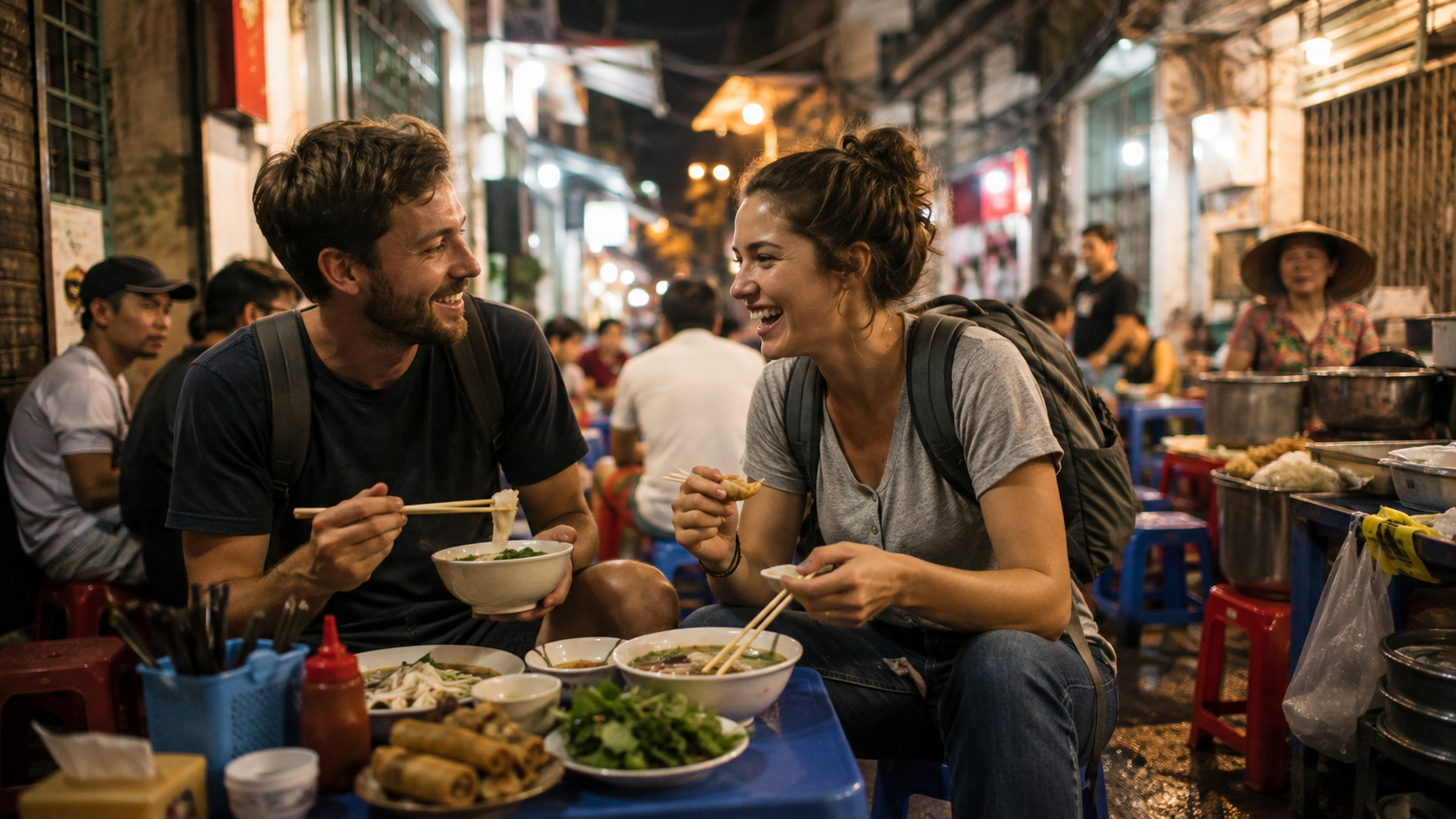
Vietnamese food is one of the best-value parts of the country. Local meals, guided tastings, seafood evenings and market visits can become highlights without needing constant fine dining.
Protect time as carefully as money
Time is the most limited resource in a Vietnam trip. Travellers can lose it through bad transfers, excessive hotel changes, poorly timed activities and days that try to do too much. Value increases when the route allows attention. A free evening in Hoi An, a slow breakfast in Hanoi or an unhurried beach morning may be more memorable than another rushed stop. A good itinerary knows when to move and when to stay. It also leaves room for weather, tiredness and personal discovery.
Tip six: make transfer days lighter
A domestic flight or road transfer is not only the time on the plane or in the car. It includes packing, checkout, traffic, waiting, arrival and orientation. Keep these days soft.
For route examples, a Vietnam itinerary sample can show how movement and experience can be balanced.
Tip seven: request a route built around your priorities
Value is personal. A family, couple, solo traveller, food lover and premium guest will not get value from the same plan. A tailored Vietnam travel proposal can align route, budget and pace before bookings become difficult to change.
To travel to Vietnam with better value, travellers should think beyond the cheapest price or the longest destination list. Value comes from clear route direction, fewer unnecessary stops, strong hotel location, well-placed guides, local meals and lighter transfer days. Vietnam offers extraordinary variety, but variety needs structure. When the trip is planned around purpose and rhythm, each destination has room to make an impression. The journey becomes easier to enjoy, easier to remember and more rewarding for the budget invested.
Tradition Việt
Hotline: (+84) 967 04 88 91 / (+84) 376 304 008
Email: info@traditionviet.com
Adresse: CT2A Hanoi Homeland