

Travel insurance for a Vietnam trip should be checked while the itinerary is still flexible, not after every booking is fixed. Vietnam can include city walking, domestic flights, cruises, beaches, trekking, motorbike experiences, food tours and river routes. Each travel style creates different practical questions. A simple city-and-beach holiday does not have the same risk profile as a motorbike adventure or mountain trek. The right insurance preparation is not about fear. It is about making sure the policy matches the real journey. These nine questions help travellers review coverage before small details become expensive problems.
Ask what the policy actually covers
Insurance summaries can look reassuring, but details matter. Travellers should read medical cover, emergency assistance, evacuation conditions, trip cancellation rules, baggage terms, activity exclusions and claim documents. A policy that looks sufficient at first glance may not support a specific route. Vietnam travel often includes optional experiences that feel casual on the ground: scooter rides, boat trips, trekking, cycling or adventure-style excursions. The policy must be read against the itinerary, not against a generic holiday idea.
Question one: Does the policy cover my real activities?
List the actual route: cities, cruises, beaches, motorbike rides, trekking, cycling, island tours or domestic flights. Then check whether the policy covers these activities and under what conditions.
A Vietnam travel insurance guide can help travellers organize the main coverage areas before departure.
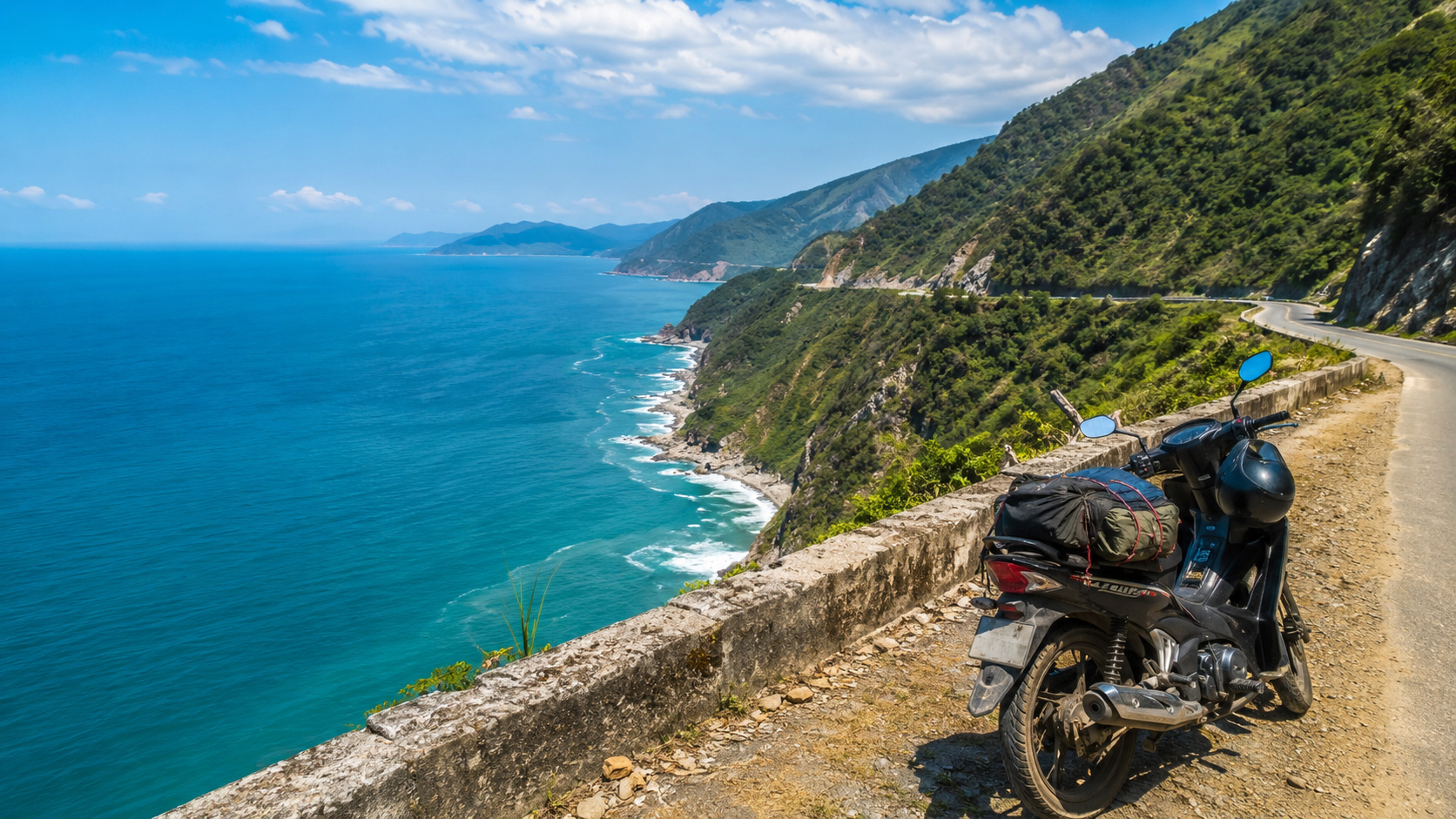
Question two: Are motorbike or scooter activities excluded?
This is one of the most important questions for Vietnam. Some policies may depend on engine size, licence status, helmet use, local laws or whether the traveller is riding or riding as a passenger.
Question three: What medical and evacuation support is included?
Medical treatment, emergency transport and evacuation terms should be clear before travel. This matters more if the route includes remote areas, islands, mountain roads or active experiences.
Read the policy wording, not only the marketing page.
If the answer is unclear, ask the insurer directly before departure.
A written confirmation can be useful.
Ask how cancellations and disruptions are handled
Vietnam itineraries can involve prepaid hotels, cruises, domestic flights, private guides and multi-day routes. If something changes, travellers need to understand what the policy requires. Cancellation cover may depend on reasons, timing, documents and proof. Travel delay or baggage delay may have specific thresholds. A good insurance plan connects financial protection with actual booking choices. Travellers should also understand when to contact the insurer before changing arrangements, because some policies require approval.
Question four: What prepaid services are at risk?
Cruises, premium hotels, domestic flights, private tours and special experiences may carry cancellation fees. Know which parts of the itinerary are expensive to lose.
A Vietnam travel insurance timeline guide can help travellers connect booking dates, payment timing and coverage review.
Ask what documents you must keep
Insurance is only useful if travellers can make a claim properly. Receipts, medical reports, police reports, airline confirmations, cancellation proof, delay notices and original invoices may be needed. Many travellers forget this until something has already happened. A simple document habit can save stress: save policy files offline, print key pages, keep receipts and photograph important documents. Make sure travel companions know where the policy details are stored.
Question five: Do I have offline copies?
Phones can lose battery or signal. Keep the policy number, emergency contact, certificate, passport scan, hotel details and local contact available offline.
Question six: What proof is needed for claims?
Ask what documents the insurer requires for medical expenses, theft, baggage delay, trip cancellation or missed connections. Keep receipts and written confirmations.
A Vietnam travel insurance requirements guide can help travellers prepare a practical document folder.
Question seven: Who should be contacted first in an emergency?
Some policies require travellers to contact the assistance line before treatment, evacuation or major changes. Store the emergency number clearly.
Ask whether local support is needed
Insurance can provide financial and assistance support, but it does not always solve local logistics alone. Travellers may still need help with translation, transport, hospital direction, rebooking, guide communication or route adjustment. This is especially important for families, older travellers, motorbike routes, remote stays, cruises or multi-region trips. Local support and insurance should work together. One helps with paperwork and coverage. The other helps with practical movement on the ground.
Question eight: Can someone help locally if plans change?
Ask whether your travel planner, hotel or guide can help with translation, transport or document collection if something happens during the trip.
Question nine: Should the itinerary change because of coverage limits?
If the policy excludes a key activity, adjust the route or find suitable coverage before travelling. Do not ignore a gap because the activity “seems small.”
For support before departure, Vietnam travel insurance help can help connect policy questions with the actual travel plan.
Travel insurance for a Vietnam trip becomes more useful when travellers ask specific questions before finalizing the route. Does the policy cover real activities? Are motorbike or scooter experiences excluded? What happens if a cruise, flight or hotel is cancelled? What documents are needed for claims? Who can help locally if plans change? The goal is not to make the trip feel risky. It is to protect the journey with clear preparation, so Vietnam’s food, landscapes, cities, beaches and cultural encounters can be enjoyed with greater peace of mind.
Tradition Việt
Hotline: (+84) 967 04 88 91 / (+84) 376 304 008
Email: info@traditionviet.com
Adresse: CT2A Hanoi Homeland