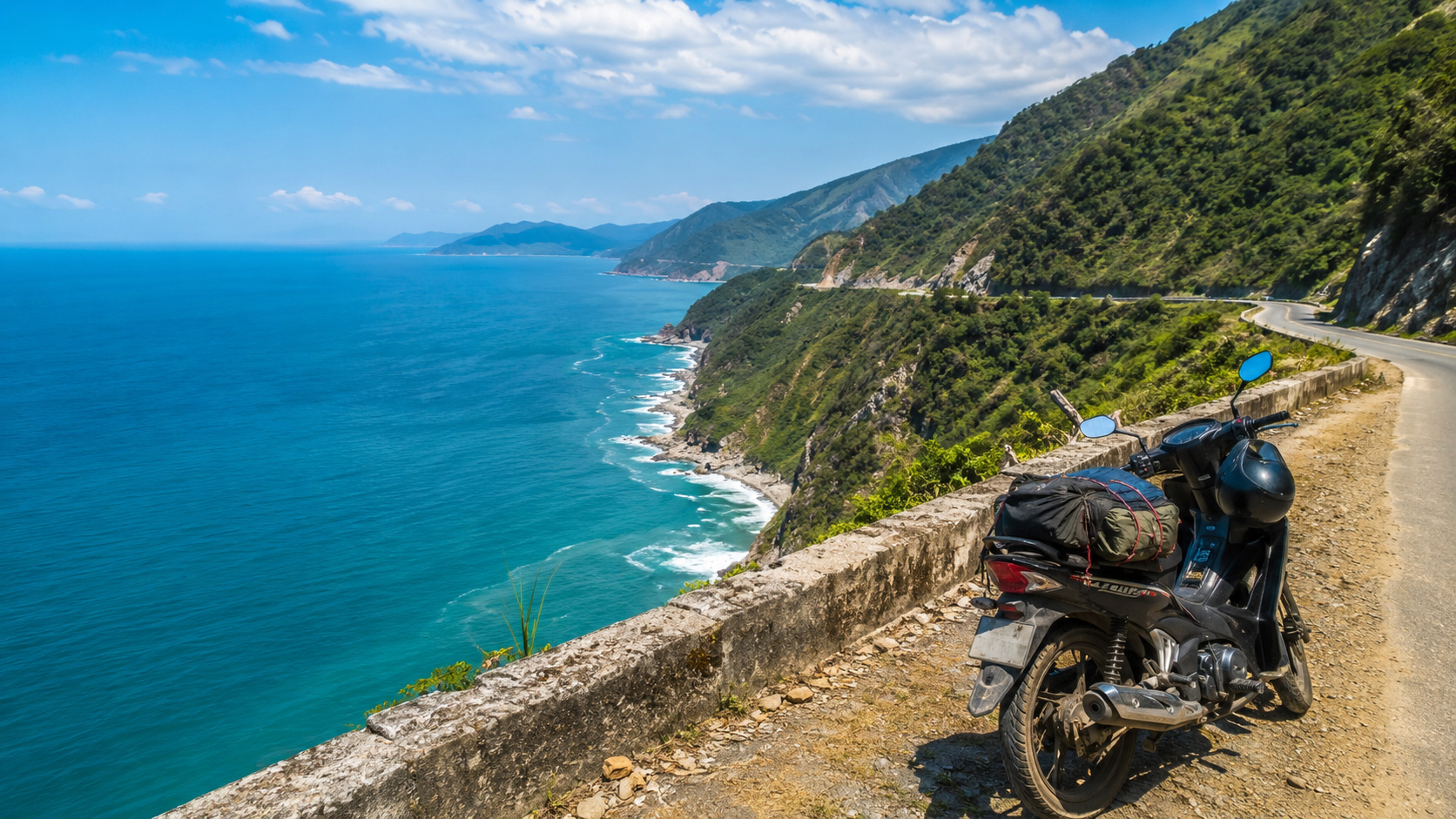


Travel insurance for a Vietnam trip is easy to postpone because it feels less exciting than hotels, food tours, cruises or beaches. Yet it is one of the details that can protect the whole journey when something goes wrong. Vietnam is a varied destination: travellers may move through cities, islands, mountain roads, boat routes, domestic flights, food walks and countryside excursions. Each style of travel carries different practical risks. The mistake is buying the cheapest policy quickly without reading how it matches the real itinerary. Good insurance preparation is calm, specific and organized. It should support the trip you are actually taking, not a generic holiday imagined in a brochure.
Match the policy to the itinerary
Insurance should be read with the itinerary open. A simple city break, a family beach holiday, a motorbike route, an overnight cruise and a mountain trek do not need the same level of attention. Travellers should ask where the trip creates risk: long transfers, water activities, riding, trekking, medical conditions, prepaid services, expensive devices or tight flight connections. The best policy is not automatically the most expensive one. It is the one whose coverage, exclusions and support process match the journey. If the route changes, insurance assumptions may need to be checked again.
Mistake one: buying before understanding the route
Buying insurance before the itinerary is clear can create mismatch. If motorbike travel, trekking, cruises, adventure activities or multiple domestic transfers are added later, the policy may not protect the trip as expected.
Travellers should review the route first, then choose coverage. A Vietnam travel insurance guide can help organize the main areas to check before purchase.
Mistake two: reading only the coverage summary
The summary is useful, but exclusions and conditions decide how protection works. Travellers should read medical limits, evacuation terms, activity exclusions, cancellation rules and claim documents.
If the wording is unclear, ask before departure. It is much better to confirm early than to discover a condition during a stressful moment.
Mistake three: ignoring motorbike and activity exclusions
Motorbike riding, scooter rental, trekking, water activities or adventure routes may require specific coverage. Some policies may depend on licence status, helmet use, engine size or whether the traveller is riding or sitting as a passenger.
Vietnam travel often includes small adventurous choices that feel casual on the ground. Insurance may not treat them casually.
A helpful Vietnam travel insurance mistakes guide can help travellers review exclusions before they become problems.
Keep documents ready before the problem happens
Insurance becomes useful only when the traveller can access it. A policy buried in email, a missing claim form, no emergency number or no proof of payment can create confusion when time matters. Preparation should be practical: save the policy, print key pages, store emergency contacts, keep receipts and make sure travel companions know where the information is. This is not overplanning. It is the small administrative work that makes help easier to activate. Vietnam is generally a welcoming and manageable destination, but clear documents still reduce stress.
Mistake four: saving everything only online
Phones lose battery, internet may fail and airport or hospital situations can be stressful. Keep offline copies of the insurance certificate, emergency contact, passport scan, visa or entry documents, hotel booking and flight information.
Understand claims before you need them
Many travellers focus on buying insurance but not on using it. The claim process matters. What documents are needed? Should the insurer be contacted before treatment, cancellation or rebooking? Are original receipts required? Is a police report needed for theft? These questions are easier before the trip than during a problem. Good preparation does not assume something bad will happen. It simply makes the response clearer if it does.
Mistake five: not keeping receipts and proof
Claims often depend on documentation. Keep receipts for prepaid services, medical expenses, replacement purchases, delayed luggage costs or changed transport. Take screenshots of confirmations and communication records when relevant.
Travellers should also keep proof of cancellation or disruption if a tour, flight or hotel changes. A vague memory is not enough for a claim.
For timing and document organization, Vietnam travel insurance timeline can help prepare the right file before departure.
Mistake six: treating insurance as a substitute for local support
Insurance can provide financial protection and assistance procedures, but it may not solve every on-the-ground detail. A local guide, hotel or travel planner can help with translation, transport, hospital direction, rebooking or practical next steps.
This is especially useful for families, older travellers, motorbike routes, cruises or multi-region itineraries.
A service such as Vietnam travel insurance support can help travellers connect insurance preparation with the actual travel plan.
Travel insurance for a Vietnam trip is most effective when it is chosen slowly and stored clearly. Avoid buying before the route is stable, reading only the summary, ignoring activity exclusions, saving documents only online, forgetting claim proof or expecting insurance to replace local support. The goal is not to travel anxiously. It is to protect the journey so small problems do not become larger than necessary. With coverage that matches the itinerary and documents ready before departure, travellers can focus on Vietnam’s food, landscapes, cities and culture with greater confidence.
Tradition Việt
Hotline: (+84) 967 04 88 91 / (+84) 376 304 008
Email: info@traditionviet.com
Adresse: CT2A Hanoi Homeland