

Travel insurance for a Vietnam trip is not the most romantic part of planning, but it can protect the whole journey when something goes wrong. Vietnam is a rewarding destination, full of food, cities, beaches, mountains, boats, markets and road travel, yet every trip involves practical risks: illness, lost luggage, delayed flights, weather changes, minor accidents, tour cancellations or unexpected medical needs. Insurance should not be bought in a hurry only to satisfy a checklist. It should be read carefully, especially if the itinerary includes motorbike travel, trekking, cruises, family travel or multiple domestic transfers. The right policy gives peace of mind because it matches the actual trip, not an imaginary simple holiday.
Read the policy according to your itinerary
Insurance only becomes useful when it fits the way you will travel. A city-and-food holiday, a family beach route, a mountain trek, a motorbike journey and a luxury multi-region itinerary have different risk profiles. Travelers should read the policy with the itinerary open beside them. Where will you go? How many flights or transfers are included? Will you ride a motorbike, join a cruise, trek in the mountains or carry expensive equipment? These questions are more important than the policy’s marketing name. A good insurance decision begins by connecting coverage to the real movements, activities and possible weak points of your Vietnam journey.
Check medical coverage first
Medical coverage should be the first thing to understand. Travelers should check emergency treatment limits, hospital coverage, evacuation conditions, pre-existing medical rules and the process for contacting assistance. It is not enough to know that “medical” is included; the level and conditions matter.
If you travel with children, older guests or people with health concerns, this step becomes even more important. Keep policy numbers, emergency contacts and medical information accessible both online and offline.
A broad Vietnam travel insurance guide can help travelers think through the main protection areas before buying.
Look carefully at motorbike and adventure exclusions
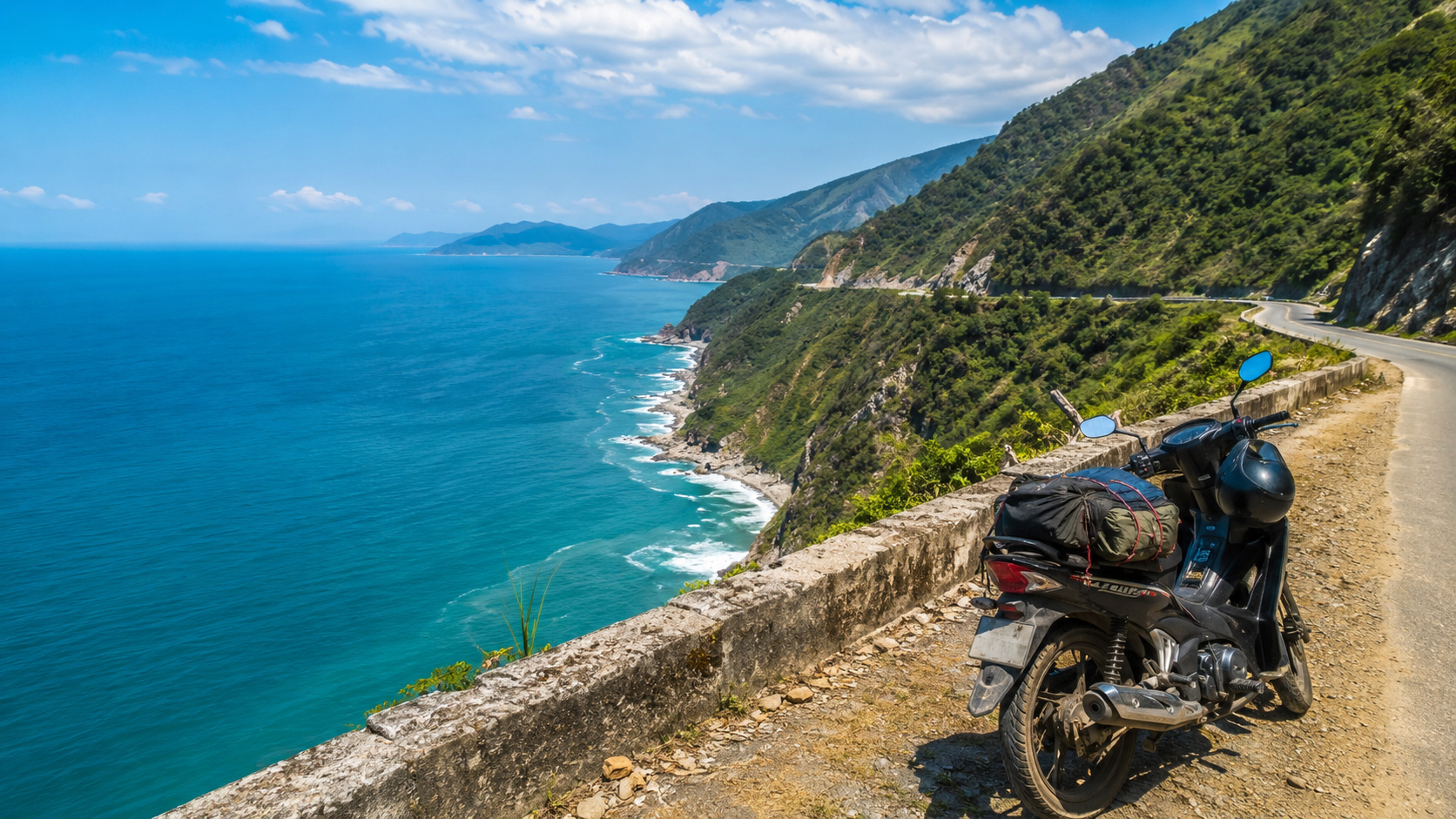
Many travelers underestimate exclusions. Motorbike riding, adventure activities, trekking, alcohol-related incidents or unlicensed riding may not be covered automatically. If your Vietnam trip includes a scooter, motorcycle tour or mountain activity, read this section slowly.
A policy may require a valid license, helmet use, engine-size limits or an activity upgrade. These details can decide whether a claim is accepted.
Do not rely on assumptions from another country. What feels like a casual travel activity may be treated differently by the insurer. Ask questions before departure if anything is unclear.
Travelers planning more active routes can review Vietnam travel insurance common mistakes to avoid buying coverage that does not match the trip.
Understand cancellation and interruption rules
Cancellation coverage is useful only when travelers know what it includes. Some policies cover illness, emergencies or certain travel disruptions, but not a simple change of mind. Others may require documents, proof of payment or specific timing.
Trip interruption matters if the route includes multiple prepaid services: domestic flights, cruises, guided tours, hotels or private transfers. If one part changes, the cost can spread across the itinerary.
Keep receipts, booking confirmations and communication records. A strong claim often depends on paperwork as much as the event itself.
For travelers booking through several providers, Vietnam travel insurance costs and timeline can help organize when to buy insurance and what to keep.
Prepare documents before they are needed
Insurance is easiest to use when documents are ready before the problem happens. Travelers often buy a policy, save the confirmation email, then forget the details. During a stressful moment, that is not enough. The policy number, emergency hotline, claim process, covered activities, passport copy, bookings and medical information should be stored in a simple, accessible way. This is especially important in Vietnam because a trip may move across cities, cruises, beaches and remote areas. Good document preparation turns insurance from a vague safety net into something practical. You may never need it, but if you do, clarity saves time.
Keep digital and offline copies
Store your insurance certificate, passport scan, visa or entry documents, flight bookings and emergency contacts in cloud storage and on your phone. Also keep one offline copy, because internet access may not always be available at the exact moment you need it.
Know who to contact first
In an emergency, travelers should know whether to contact the insurer, local emergency services, hotel staff, guide, tour operator or embassy first. The answer depends on the situation, but the insurance assistance number should be easy to find.
If you are traveling with a guide or local planner, share basic emergency information. They do not need private medical details unless necessary, but they should know how to help contact the right party.
Families should make sure more than one adult has the insurance details. Solo travelers may want to leave policy information with someone at home.
For documentation, Vietnam travel insurance requirements and documents can help travelers prepare a cleaner pre-trip file.
Match insurance with local support
Insurance handles financial protection and assistance rules, but local support can help manage the situation on the ground. A hotel, guide or travel planner may assist with translation, transport, hospital direction or rebooking logistics.
This is where travel planning and insurance work together. A traveler with both coverage and reliable local contact is better prepared than someone who has a policy but no idea how to act in Vietnam.
If you need help understanding how insurance fits a Vietnam itinerary, Vietnam travel insurance support can be useful before final departure.
Travel insurance for a Vietnam trip should be chosen with the real itinerary in mind. Check medical coverage, activity exclusions, motorbike conditions, cancellations, documents and emergency contact procedures before leaving. The goal is not to become anxious, but to travel with clearer protection. Vietnam offers rich and varied experiences, from street food and old towns to beaches, cruises, mountains and road journeys. That variety is exactly why insurance should not be treated casually. When coverage matches the trip and documents are ready, travelers can focus more fully on the journey, knowing that practical risks have been considered in advance.
Tradition Việt
Hotline: (+84) 967 04 88 91 / (+84) 376 304 008
Email: info@traditionviet.com
Adresse: CT2A Hanoi Homeland