

Saigon walking tours should be compared carefully because walking can reveal the city beautifully or become tiring if the route is poorly designed. Saigon, officially Ho Chi Minh City, is full of layered streets: colonial-era buildings, old apartments, cafés, markets, food corners, modern shops, temples, hidden alleys and lively crossings. A walking tour gives travellers time to notice details that disappear from a vehicle. But the route, guide, timing and pace matter. These twelve things help travellers choose a walking tour that feels meaningful, comfortable and true to the city.
Compare route theme and neighborhood focus
A walking tour should not try to cover all of Saigon at once. Some routes focus on landmarks around the central district. Others explore cafés, food, old apartments, markets, architecture, history or lesser-known neighborhoods. Travellers should compare the theme before booking. A first-time visitor may want central orientation, while a returning traveller may prefer hidden alleys or local food. A strong walk has a clear focus and does not feel like random wandering.
Thing one: compare the main theme
Choose between history, food, architecture, local life, photography, coffee culture, market rhythm or first-day orientation.
A Saigon tours guide can help travellers compare different city tour formats.
Thing two: compare the neighborhood area
Ask where the walk begins and ends. A central walk, market walk and local-neighborhood walk will feel very different.
Thing three: compare how many stops are included
Too many stops can make the route shallow. Fewer places with richer explanation may create a better walking experience.
Compare timing and physical comfort
Saigon can be warm, busy and energetic. Walking time should be chosen carefully. Morning walks can be fresher and more practical. Late-afternoon or evening walks can bring softer light, food energy and local social rhythm. Midday heat may not suit everyone. Travellers should check walking distance, shade, breaks, traffic crossings and whether there are rest stops. Comfort keeps curiosity alive.
Thing four: compare time of day
Morning works well for orientation and markets. Evening works well for food, lights and social atmosphere.
A Saigon walking tour itinerary guide can help place walking, food stops and breaks more naturally.
Ask about total distance
Walking distance should be realistic for the traveller. Heat, traffic and standing time can make short distances feel longer than expected.
A good guide should pace the walk.
The tour should not become a test of endurance.
Attention matters more than distance.
Compare guide style and storytelling
Walking tours depend heavily on the guide. The guide should explain what travellers are seeing at street level: signs, buildings, food stalls, family businesses, old apartments, religious spaces and local habits. Saigon walking tours are strongest when stories feel connected to exact places. A guide who only gives general history may miss the texture of the street. A guide who reads local detail can turn an ordinary corner into a memorable moment.
Thing five: compare storytelling style
Ask whether the guide focuses on history, daily life, food, architecture, photography or local neighborhoods.
A Saigon food tour guide can help travellers choose a food-led walking experience if taste is the main priority.
Thing six: compare language and group size
A smaller group allows more questions, safer movement and better guide attention.
Compare food, coffee and market elements
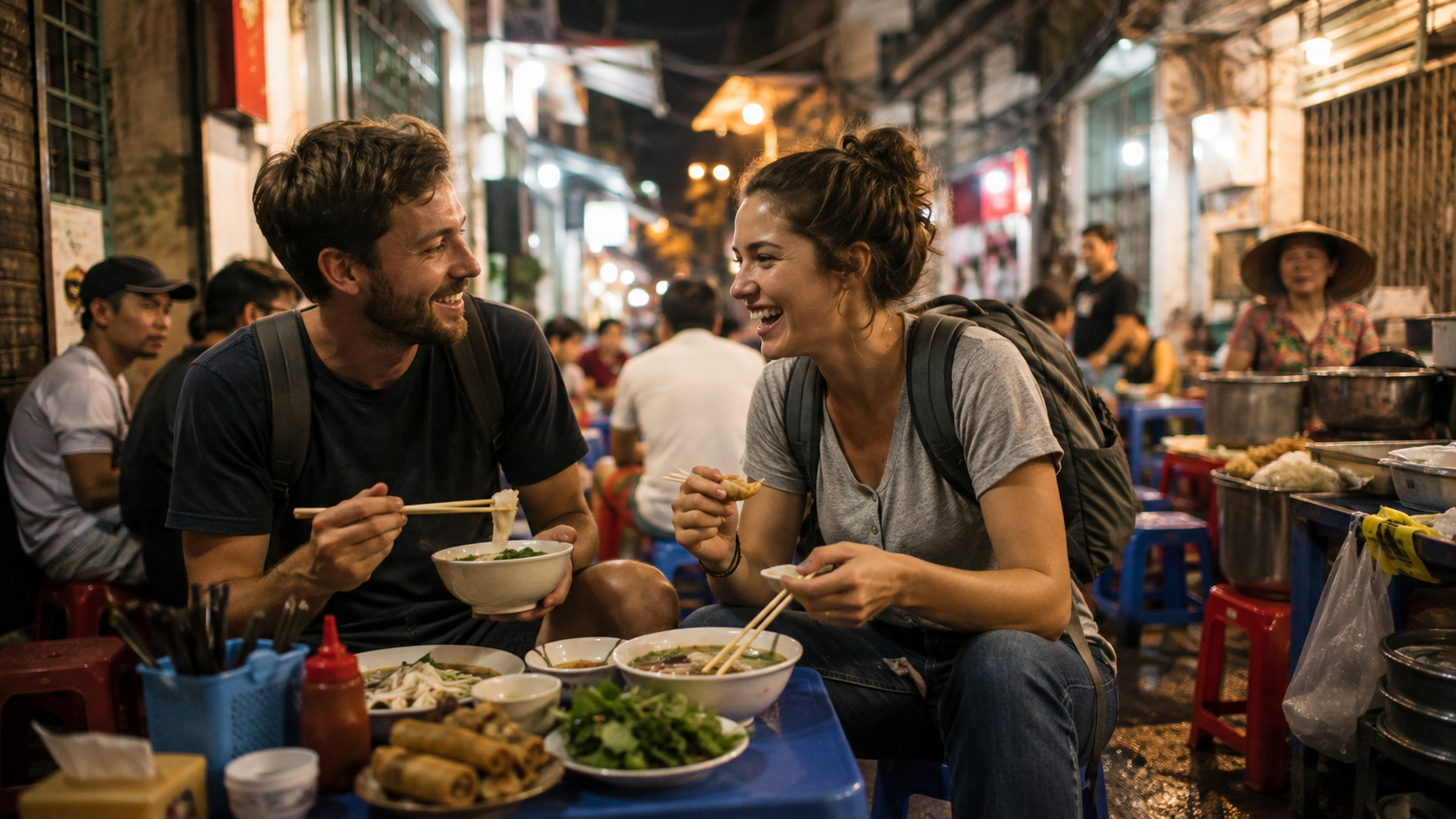
Food and coffee can make a Saigon walk more human. A short tasting, local drink or market snack can soften the route and reveal daily rhythm. But not every walking tour needs to become a full food tour. Travellers should compare whether food is included, optional or only briefly mentioned. The right choice depends on appetite, timing and the wider itinerary. If a separate food tour is planned later, the walking route can stay more architectural or historical.
Thing seven: compare food inclusions
Check whether snacks, coffee, drinks or meals are included. If they are not included, ask whether there will be time to buy something.
A Vietnam food tours guide can help connect food experiences across the wider route.
Thing eight: compare coffee stops
A coffee pause can be more than a drink. It gives time to rest, ask questions and observe street movement from a slower angle.
Thing nine: compare market depth
A market stop can be shallow or meaningful. Ask whether the guide explains ingredients, habits and local commerce.
Compare format, flexibility and itinerary fit
A walking tour can be private, shared, short, extended, food-led, photo-led or family-friendly. The right format depends on the traveller. Families may need shorter routes and more breaks. Couples may prefer atmosphere. Photographers may care about light. First-time visitors may need orientation. Travellers should also compare the walk with the rest of their Vietnam itinerary. It should add something new, not duplicate another city tour.
Thing ten: compare private and shared options
Private walking gives better control over pace and interest. Shared walking can be social and affordable if the group is small.
A Saigon walking route with local support can match route theme, hotel location and timing.
Thing eleven: compare family suitability
If children are joining, ask about distance, heat, rest stops, traffic crossings and snack options.
Thing twelve: compare the walk with later plans
If the itinerary already includes a food tour, choose a historical or architectural walk. If the route lacks food depth, choose a tasting-based walk.
Saigon walking tours are best compared by theme, neighborhood, timing, guide style, food elements, group size and itinerary fit. Walking helps travellers feel the city through details: façades, alleys, markets, cafés, food counters and local crossings. The strongest tour is not necessarily the longest one. It is the one that gives enough context and enough breathing space for Saigon’s street life to become memorable.
Tradition Việt
Hotline: (+84) 967 04 88 91 / (+84) 376 304 008
Email: info@traditionviet.com
Adresse: CT2A Hanoi Homeland