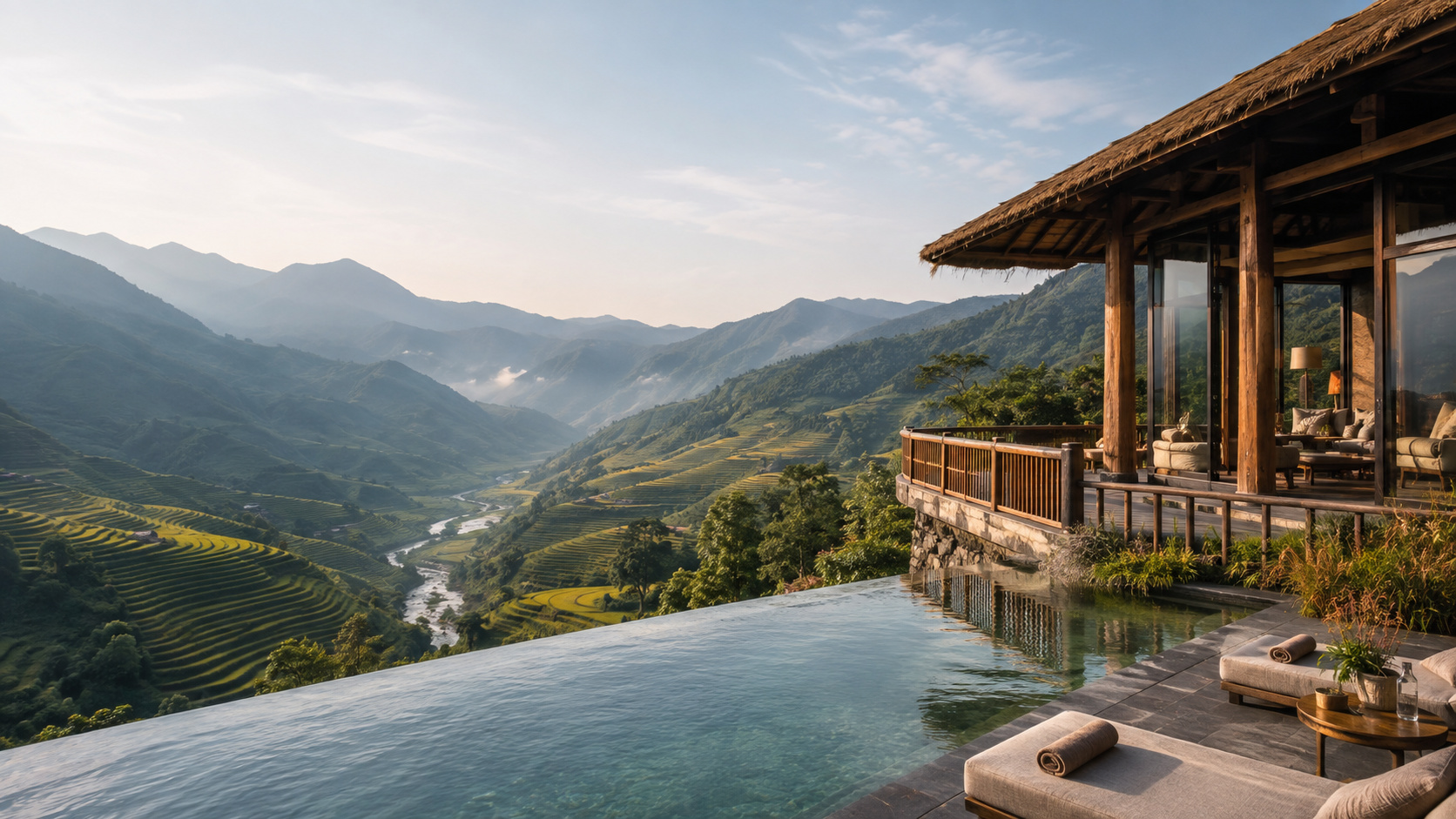

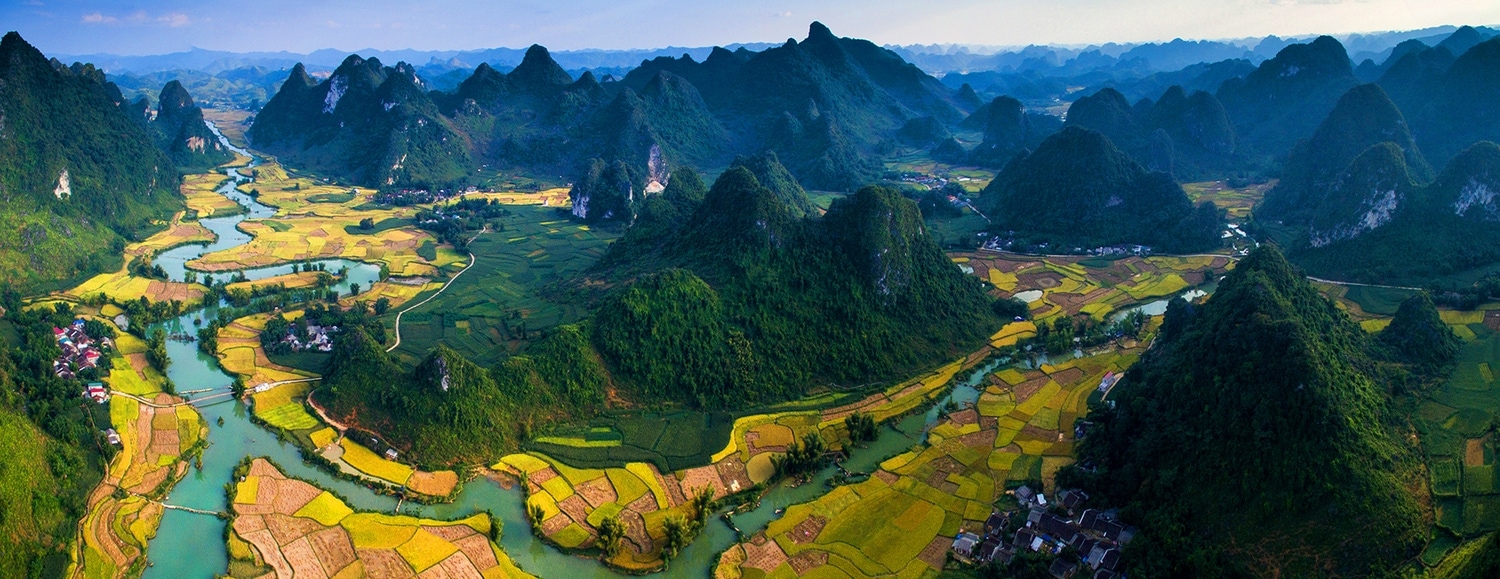
Romantic Vietnam trips for couples can combine historic towns, mountain scenery, cruises, beaches and private moments within one journey. Yet a programme filled with attractive hotels does not automatically feel romantic when the pace is exhausting, the activities ignore shared interests or the budget is concentrated on services that add little value. The 14 ideas in this article help couples adapt the route, accommodation, experiences, timing, costs and support to their real profile. When every choice reflects how two people want to spend time together, the journey feels more natural, balanced and memorable. Romance then comes from attention, comfort and shared discovery rather than from a collection of decorative extras.
Build a Romantic Journey That Reflects Both Travellers
The first eight ideas focus on the identity of the journey and the way a familiar Vietnam route can become personal to two travellers. The starting point is not the most expensive resort. It is the memory the couple wants to carry home. Some couples prefer a slow rhythm, private meals and generous rest, while others want trekking, food exploration or several regions. Vietnam can support these styles when the route remains selective. Once the purpose, pace, preferred regions, accommodation and experiences are connected, romance develops through the feeling of being understood. This approach is more reliable than adding isolated upgrades that look impressive but do not improve the time spent together.
Agree on the Purpose, Interests and Shared Pace
The first idea is to define the emotional centre of the journey. An anniversary trip may prioritise privacy and rest, while a longer honeymoon can combine cultural discovery with a coastal stage. Nature-focused couples may choose Sapa, Ninh Binh or a cruise, while travellers interested in cities and food may spend more time in Hanoi, Hoi An or Ho Chi Minh City. Describe the desired trip using three words such as slow, private and food-focused. These words become a useful filter when comparing services. Couples who need a broader planning framework can begin with Vietnam honeymoon planning before selecting hotels and transport.
The second idea is to make room for each person’s individual interests. Two people do not need identical preferences to travel well together. One may want photography and heritage, while the other values spas, cafes or time at the hotel. Choose one important activity for each traveller and place them on different days so that the same person is not always compromising. Short independent periods can also work. One traveller may join a cooking class while the other rests or explores nearby shops. When both people have something they genuinely anticipate, the itinerary feels shared rather than designed around the preferences of the more active or more vocal partner.
The third idea is to control the pace from the beginning. A couple’s journey should not become a race through multiple provinces simply to produce more photographs. Reduce hotel changes and give important places two or three nights whenever the schedule allows. A route combining Hanoi, Ha Long, Hoi An and Phu Quoc needs substantially more time than a journey focused on one or two regions. Couples can review a sample honeymoon itinerary for sequencing ideas, then remove stops that create excessive transfers. A slower rhythm leaves room for late breakfasts, unplanned walks and conversations that rarely happen during a schedule filled from morning until night.
Choose Accommodation That Creates Privacy and Comfort
The fourth idea is to choose accommodation according to how the couple will use the day, and the fifth is to prioritise facilities with practical value. A small hotel in a historic district suits couples who enjoy walking and dining, while a coastal or mountain resort provides more private time. Check room location, view, noise, breakfast, bathroom quality and early check-in or late checkout options. A beautiful balcony adds little when the property is far from every intended activity. Travellers comparing premium stays should assess the true value of a luxury Vietnam vacation instead of assuming that the highest room category automatically creates the strongest romantic experience.
Design Shared Experiences with Greater Meaning
The sixth idea is to select one signature experience that both people will remember. This might be an overnight Ha Long cruise, cycling through the countryside near Hoi An, a small boat journey in Ninh Binh or an island day. The activity should fit both travellers’ physical ability and desired privacy. Do not choose something merely because it is marketed as romantic when one person dislikes early departures, feels unwell on boats or is uncomfortable with heights. Couples looking for alternatives can explore honeymoon ideas in Vietnam and select the experience that creates genuine shared anticipation rather than one-sided compromise.
The seventh idea is to protect time for food, and the eighth is to include wellness and rest. A private dinner is memorable only when the restaurant matches the couple’s taste, preferred formality and daily schedule. Cooking classes, market visits and meals with local hosts can also create a shared cultural experience. Spas, mineral baths, yoga or an activity-free period help the body recover after demanding transfers. Avoid scheduling restorative services immediately after a late flight or at the end of an exhausting day. Rest needs to be deliberately protected. When couples are not tired or rushed, they are more likely to appreciate the meals, conversations and small details that give the journey its emotional character.
Turn Romantic Ideas into a Smoothly Operated Trip
The remaining six ideas turn a romantic concept into a journey that operates smoothly. Couples should review transport, buffers, budget, season, surprise planning and local support before paying for the principal services. A private trip can still become stressful when transfers are repetitive, hotel arrivals are too late or changes must be solved without a dependable contact. In contrast, a clearly organised itinerary leaves more room for spontaneous moments. The objective is to protect time together, reduce small daily decisions and preserve enough flexibility for the couple to respond to real energy levels. Practical structure does not make the journey less emotional. It creates the conditions in which emotional moments can happen without logistical pressure.
Arrange Private Transport and Protect Buffer Time
The ninth idea is to use private transport where convenience creates a clear benefit. A private vehicle can work well between airports, hotels and regional attractions, particularly when the couple has substantial luggage or wants to stop along the way. Not every stage requires an upgrade. Trains, domestic flights and small-group services can still be efficient when the timetable is clear. Prioritise privacy during potentially stressful moments such as arrival, hotel changes and longer road journeys. Couples with a complex route may find private Vietnam tours useful for deciding which stages deserve dedicated transport and which can remain shared.
The tenth idea is to preserve buffers between important services. Do not place a flight immediately after a cruise, schedule a special dinner on the evening of a long transfer or connect an overnight train directly after a trekking day. An open afternoon can be used for rest, shopping, a changed activity or unexpected weather. When everything operates as planned, that space still provides valuable freedom. A romantic journey should protect comfort, while a tightly connected schedule forces both travellers to watch the time and worry about the next service. Buffer periods are not empty gaps. They are the structure that allows the itinerary to maintain a natural rhythm when daily conditions differ from the original plan.
Balance Budget, Season and Thoughtful Surprises
The eleventh idea is to direct the budget toward services that influence the experience most. Couples may prioritise accommodation during the restorative stage, private transport on a difficult route and one or two signature activities. A premium room is unnecessary in every city when most of the day will be spent outside. Divide spending among hotels, transport, food, experiences, gifts and contingencies. Small costs such as drinks, transfers, room supplements and date changes can increase the total quickly. When priorities are agreed in advance, the couple is less likely to argue about where to save and where an upgrade is worthwhile. Financial clarity also makes spontaneous spending feel more comfortable.
The twelfth idea is to match the season with the principal experience. A beach route requires attention to sea conditions and boat operations, while mountain travel depends more on rainfall, visibility and trail surfaces. A central Vietnam itinerary should account for the wetter period, and a Phu Quoc stay should place marine activities before the departure day so that a change remains possible. The best period is not necessarily the most expensive one. Some couples prefer fewer visitors and accept brief rain in exchange for quieter surroundings. The essential point is that the season should support the experience both travellers value most rather than simply matching a generic national recommendation.
The thirteenth idea is to create a controlled surprise. A note in the room, a small dinner, a photography session or a locally made gift can produce emotion without disrupting the whole itinerary. The person organising it should check food preferences, clothing requirements, weather and timing so that the surprise does not create pressure. When hiring a photographer, agree on the visual style, location, delivery date and rain alternative. Avoid hiding so many details that the other traveller cannot prepare appropriately. A thoughtful surprise still allows the recipient to feel comfortable and reflects the real character of the relationship instead of copying a romantic gesture designed for a different couple.
Maintain Local Support Throughout the Journey
The fourteenth idea is to maintain one clear support point from preparation through the end of the trip. Save the contacts for hotels, drivers, guides, activity providers and insurance, and confirm who takes responsibility when a service changes. A local coordinator is particularly useful when the itinerary includes private meals, cruises, flights and several regions. Reliable support does not mean every disruption disappears immediately. It means the couple knows who to contact, which alternatives exist and how additional costs will be explained before approval. This structure reduces the time both travellers spend resolving operational issues and allows the journey to remain focused on shared experiences rather than communication between multiple suppliers.
Design a Romantic Trip That Reflects the Relationship
Romantic Vietnam trips for couples become memorable when all 14 ideas are adapted to the relationship, available time and realistic budget. Prioritise experiences both travellers genuinely anticipate, reduce unnecessary hotel changes and preserve open periods for rest or spontaneous decisions. A small dinner, a quiet walk or a well-paced boat journey often creates more emotion than an itinerary designed mainly to display luxury. Tradition Việt can coordinate routes, accommodation, private transport and selected experiences so that the journey reflects the couple’s own style while remaining operationally clear. The strongest romantic itinerary is not the one with the most upgrades. It is the one that gives two people enough comfort, attention and freedom to enjoy being together.
Tradition Việt contact information
Hotline: (+84) 967 04 88 91 / (+84) 376 304 008
Email: info@traditionviet.com
Address: CT2A Hanoi Homeland, Hanoi, Vietnam