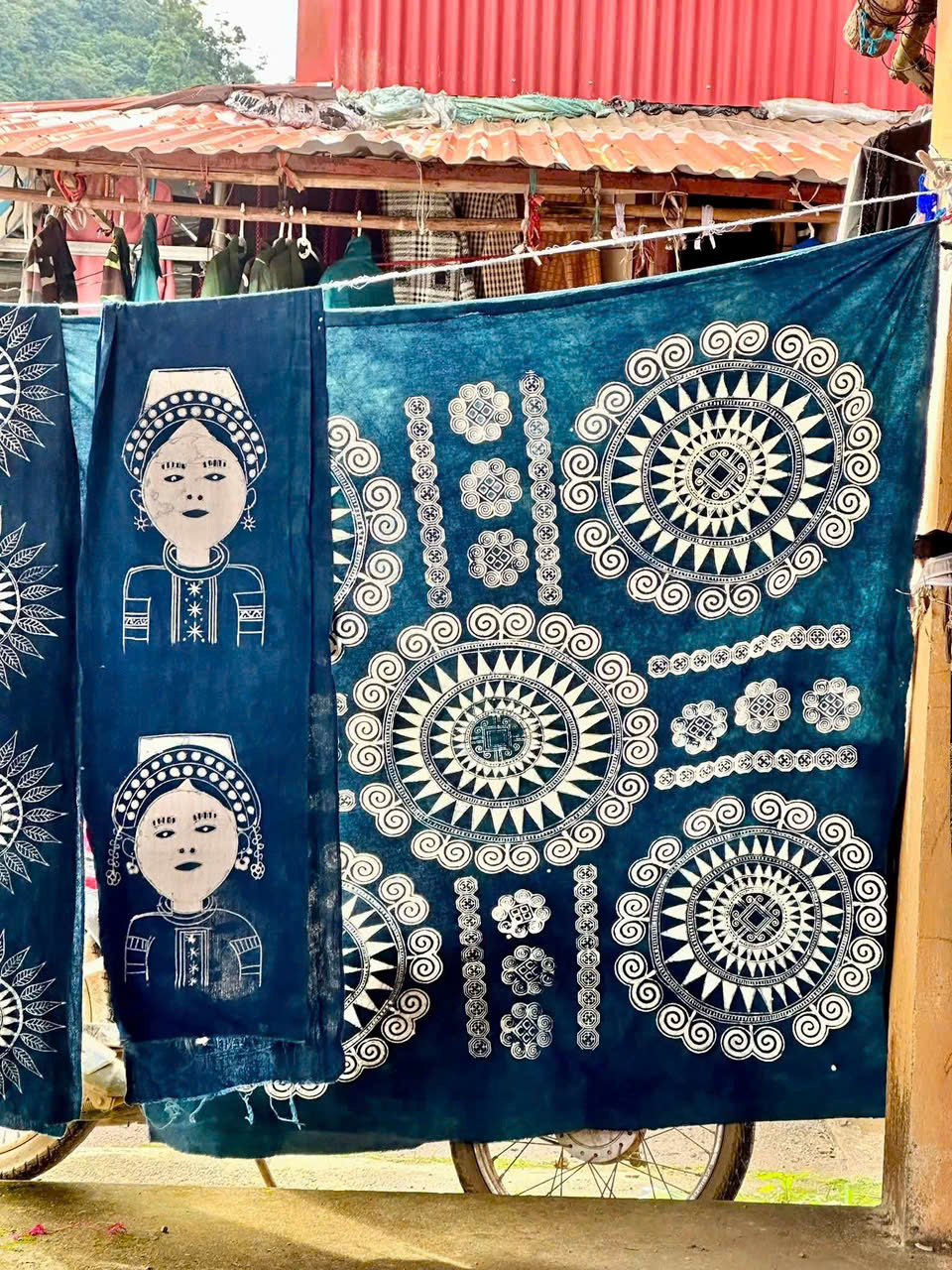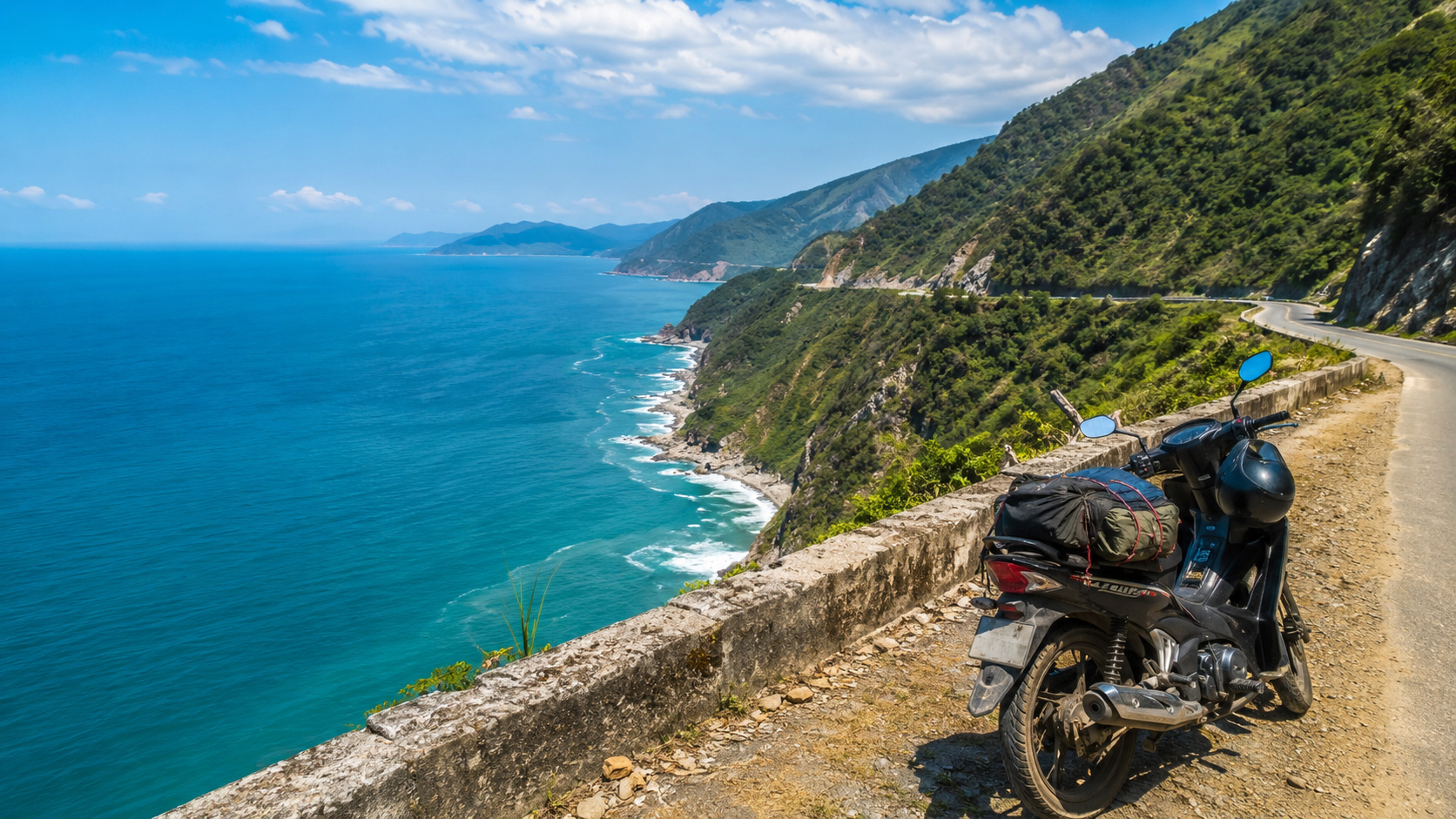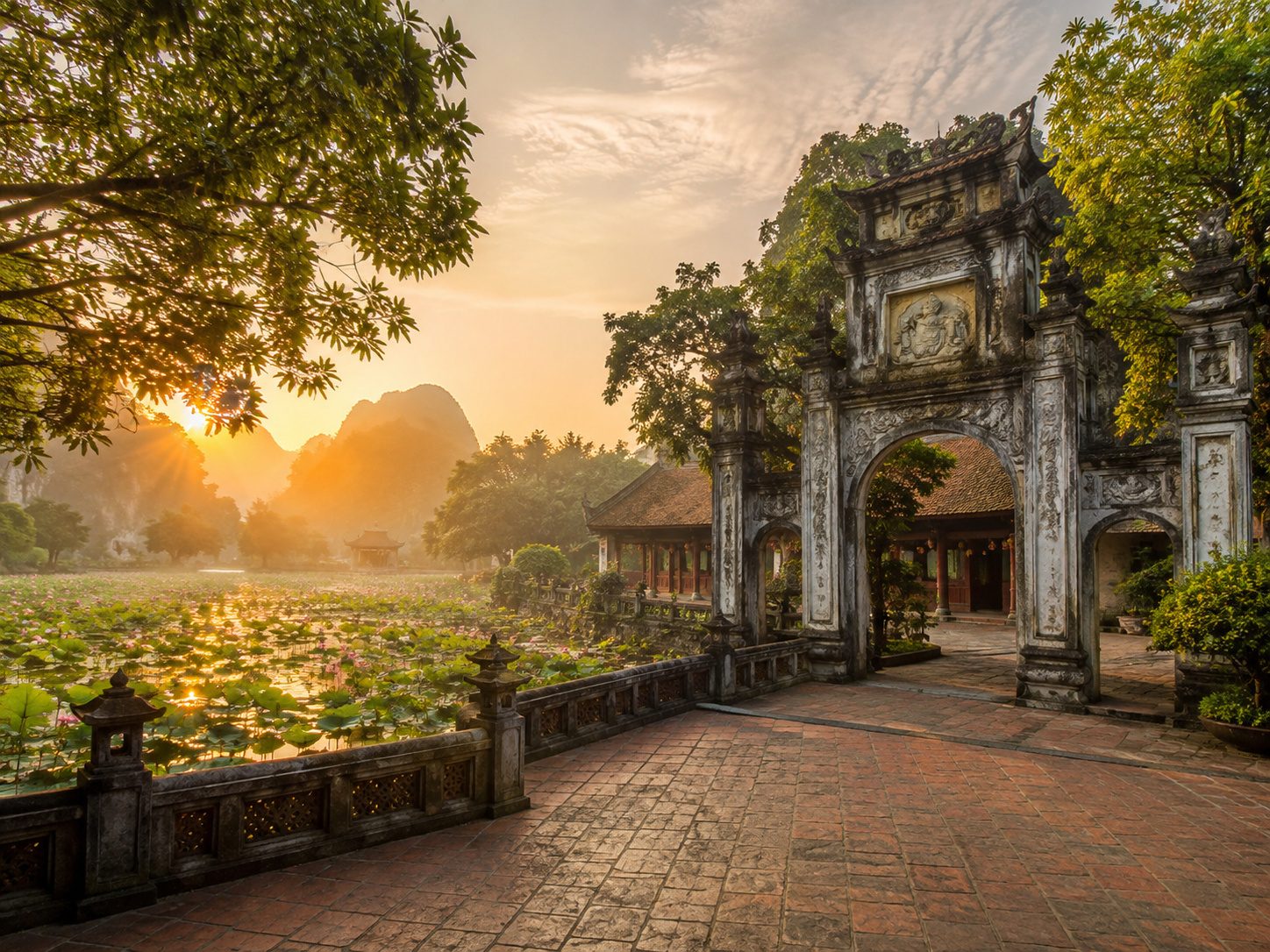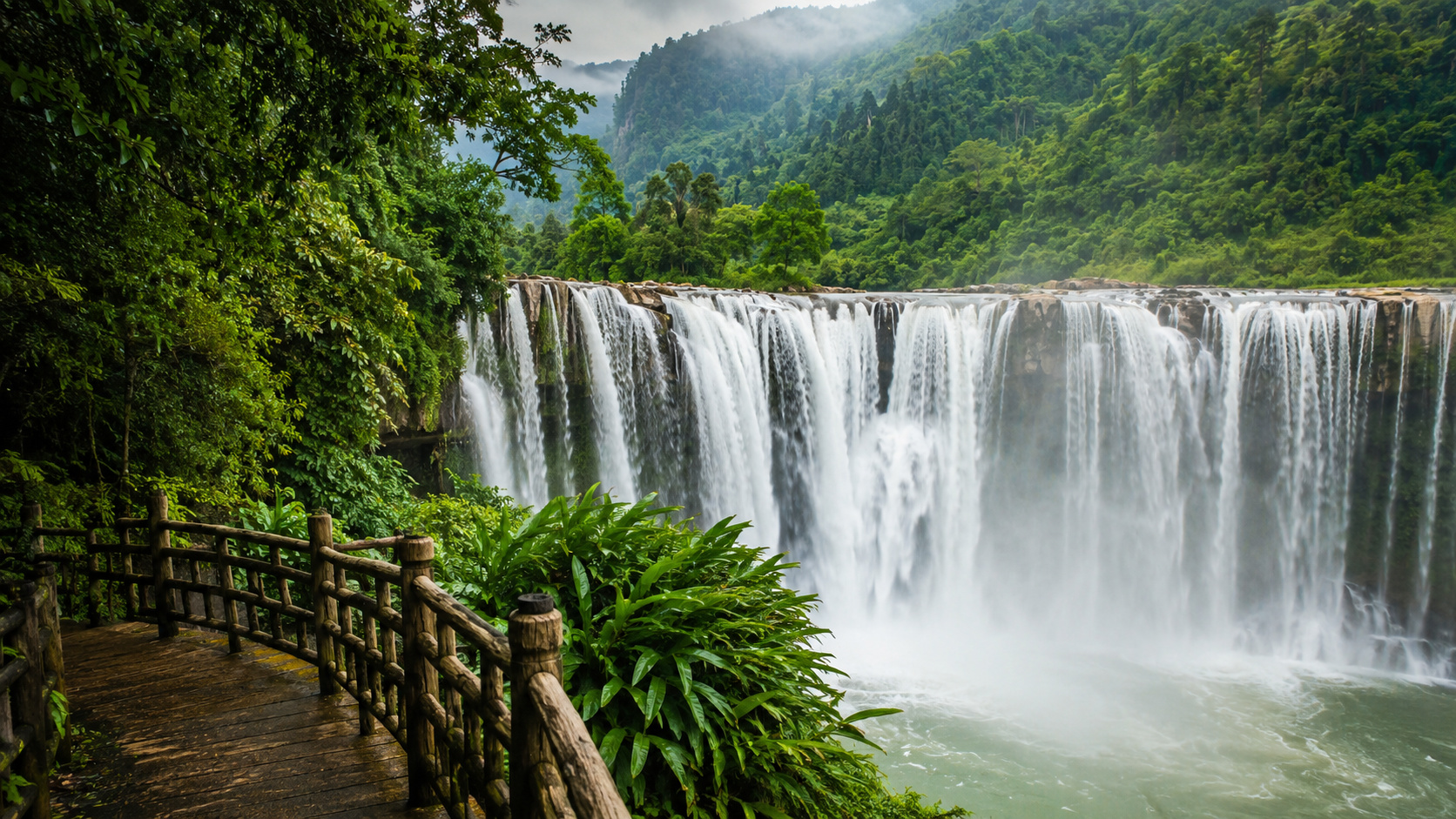

A Motorbike Tour Vietnam experience can feel wonderfully free, but that freedom becomes truly enjoyable only when the journey is prepared with care. Vietnam has many beautiful routes, from riverside villages, old towns and rice fields to mountain passes, highlands and coastal roads. Yet each place comes with different traffic conditions, weather, service availability and levels of difficulty. The more travelers understand these elements before departure, the more space they have to enjoy the trip instead of worrying throughout the day.
Good preparation does not make the journey rigid. On the contrary, it makes the trip more flexible. When travelers know which section is better in the morning, which roads should be avoided after dark, what to pack, where to stop and when to change the plan, the whole experience becomes lighter. For international visitors, especially those coming to Vietnam for the first time, practical preparation helps the journey stay safer, deeper and closer to local life.
Prepare your route and riding style before departure
Do not choose a route only because it looks beautiful
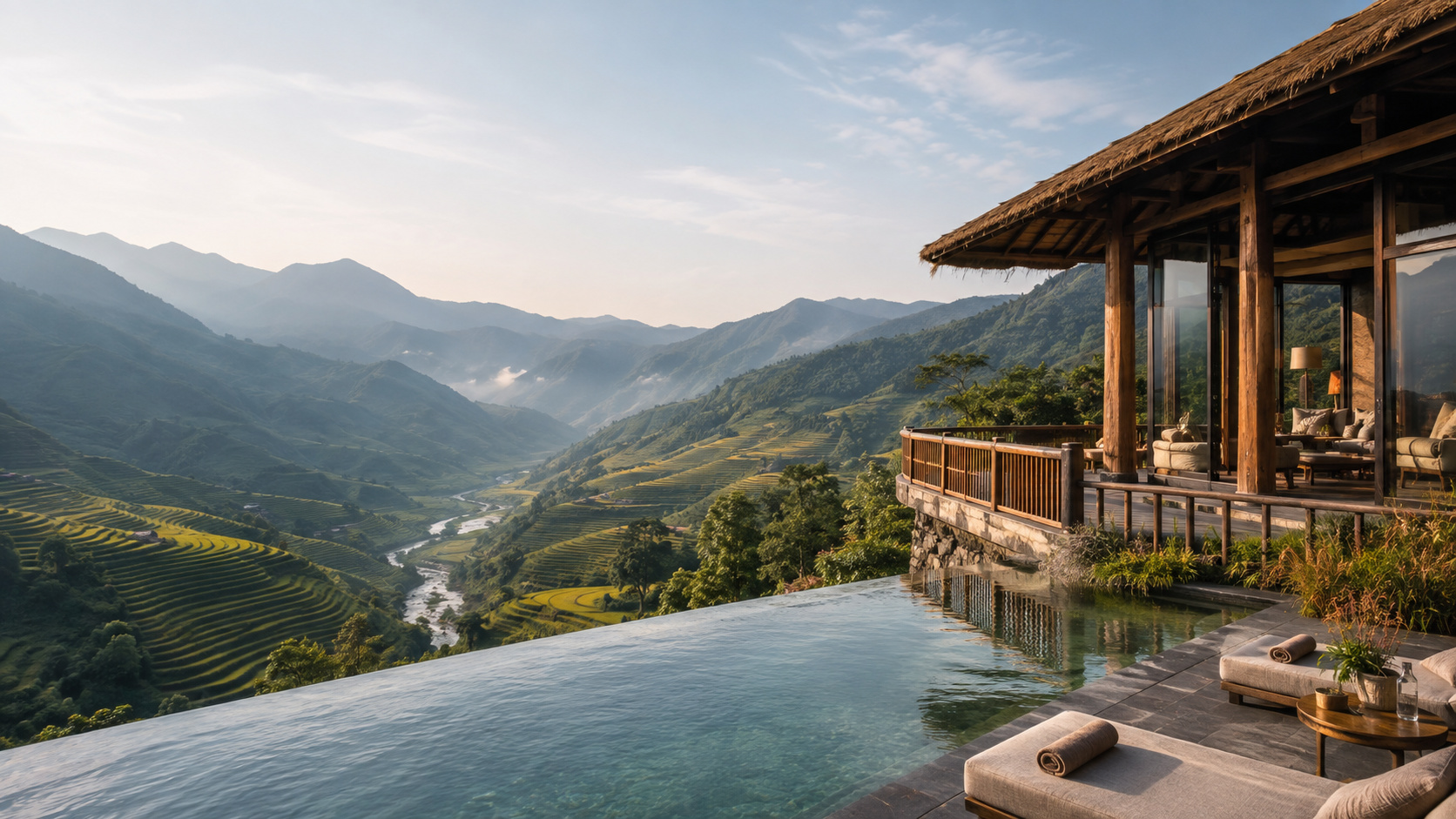
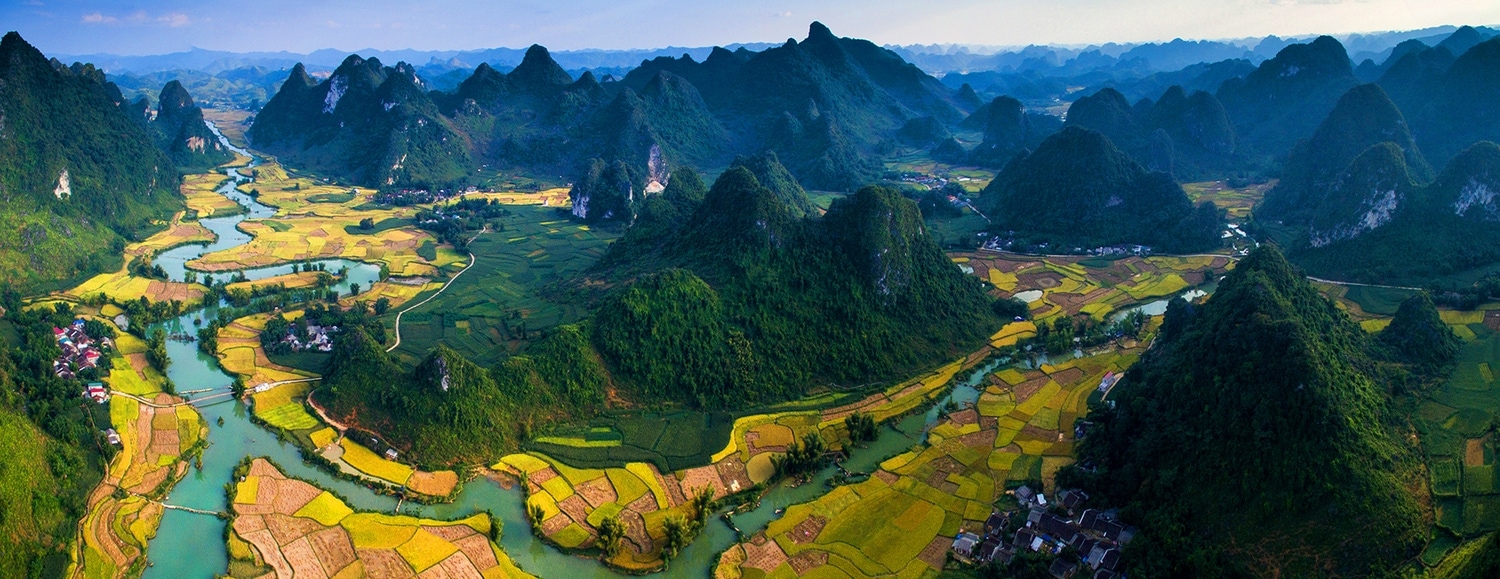
Many roads in Vietnam look stunning in photos: mountain passes curving through peaks, terraced fields opening below valleys, blue coastal roads or small lanes crossing quiet villages. But a beautiful photo does not show the full reality of the road. A section may be narrow, shared with trucks, short of rest stops, slippery after rain or covered by fog in the early morning. If travelers choose a route only because of images, the real journey may feel more demanding than expected.
Before departure, it is important to understand the length of each stage, road type, riding time, number of stops, distance between services and whether the itinerary can change when the weather is poor. A route suitable for an experienced motorcyclist may not suit someone looking for a gentle introduction. A beautiful but overly demanding road can take away the pleasure of the day.
For first-time travelers, it is better to begin with a moderate route, enough rest stops and local support. A day through countryside roads, small markets, roadside food places or quiet outskirts can offer a very clear feeling of Vietnam without too much difficulty. Once travelers feel more comfortable, they can consider deeper routes, more passes or a multi-day journey.
Choose your riding style based on real experience
Travelers should not self-ride only because it sounds more adventurous. If they are not familiar with Vietnamese traffic, riding behind a local driver is a sensible choice. They still feel the wind, the road, the scenery and the sound of life around them, but they do not need to manage traffic situations, bends, busy roads or sudden weather changes.
Treat rest time as part of the experience
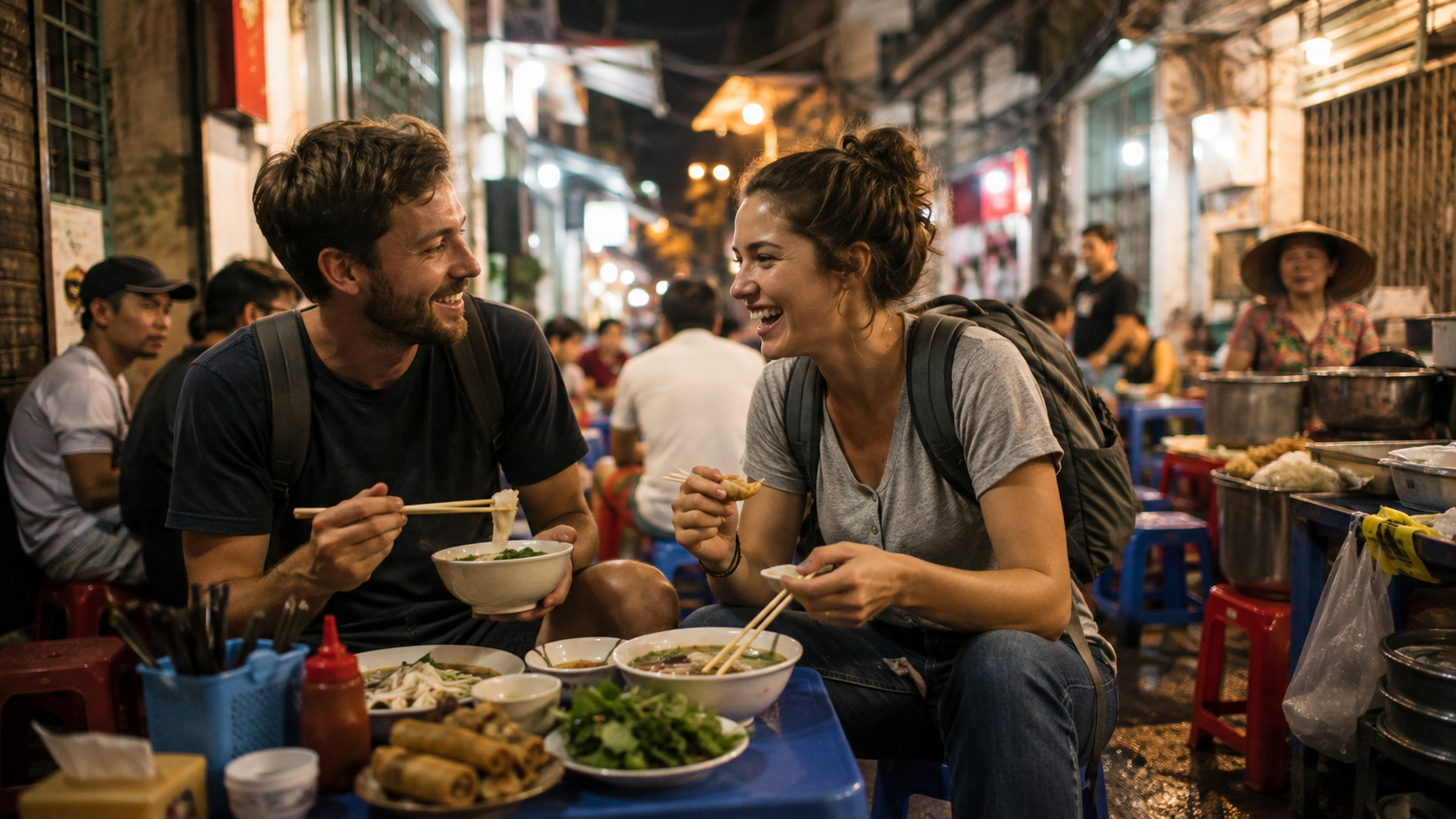
A motorbike itinerary should not calculate only moving time. Breaks are an important part of the journey. After a hot section, a water stop helps the body recover. After a mountain pass, a few minutes looking down into a valley can become a memorable moment. Lunch at a local place is not only a practical need, but also a chance to understand regional taste and daily habits.
Rest time also prevents travelers from becoming tired too quickly. Long sitting time, sun, wind, dust and road noise can drain energy even when the distance does not look long on a map. If the schedule is too full, travelers stop less, observe less and simply wait for the final destination. A good journey needs breathing room and should not press every activity too tightly together.
Prepare luggage, safety habits and local support
Pack light, but bring what Vietnam’s weather requires
Luggage should be light, easy to secure on the bike and comfortable when getting on and off. Travelers should prioritize breathable clothing, closed shoes, a light jacket, a thin raincoat, sun protection, a multipurpose scarf, personal medicine and a waterproof pouch for phones and documents. If the route includes mountains or highlands, a thin warm layer is useful because temperatures can drop quickly in the early morning or late afternoon.
Hard suitcases are not practical for a multi-stage motorbike journey. A soft bag or small backpack is usually easier to secure and better suited to narrow roads. Small items such as a power bank, document copies, sunglasses, sunscreen, drinking water and light snacks can make the day much more comfortable. Packing light does not mean being unprepared; it means carrying what truly matters.
Always put safety above the feeling of conquest
A motorbike journey does not need to prove anything through speed or distance. A good helmet, moderate speed, proper breaks and the willingness to stop when weather turns bad matter far more than completing every point on the plan. If the road is slippery, visibility is poor or the body is tired, it is better to slow down, change route or stop earlier. Knowing when to stop is part of real road experience.
Travel with local support to make the journey deeper and easier
Local guidance reduces pressure throughout the trip. A local guide knows which sections are best avoided at busy times, where it is safe to stop for photos, which food places are clean and reliable, where to refuel before a remote stretch, which roads should not be left until late and when the schedule should change because of rain or fog. These details do not always appear on a map, but they strongly affect the quality of the day.
Local support also gives the journey more depth. Passing through a farming area, a craft village, a market or a mountain road becomes more meaningful when someone can explain the life behind the scenery. Why a regional dish tastes the way it does, when people go to market, what areas a road connects or which season brings the best view. These short explanations help travelers not only see the landscape, but understand more of the place they are passing through.
For a private trip, travelers should share their preferred style in advance. Some want many photography stops, some care about local food, some need a gentle route because they are not used to long hours on a bike, while others enjoy passes and open landscapes. When the organizer understands these preferences, the journey becomes safer and more personal.
A memorable motorbike journey in Vietnam is not usually about covering the most distance. It comes from preparing well enough to travel slowly, stop at the right moments and notice more along the way. When route, luggage, weather, rest stops and local support are arranged properly, the road is no longer something to get through. It becomes the most memorable part of the trip.