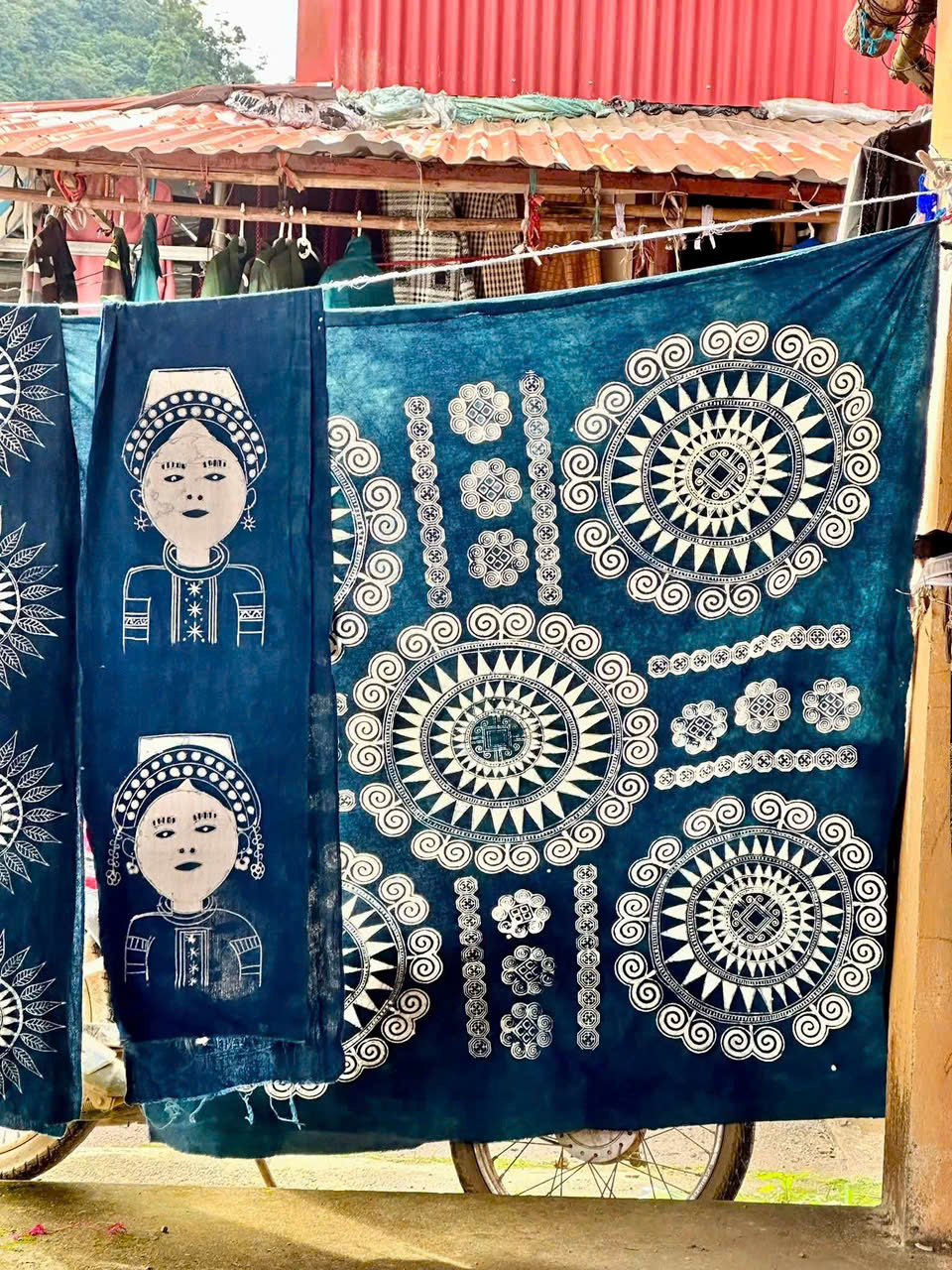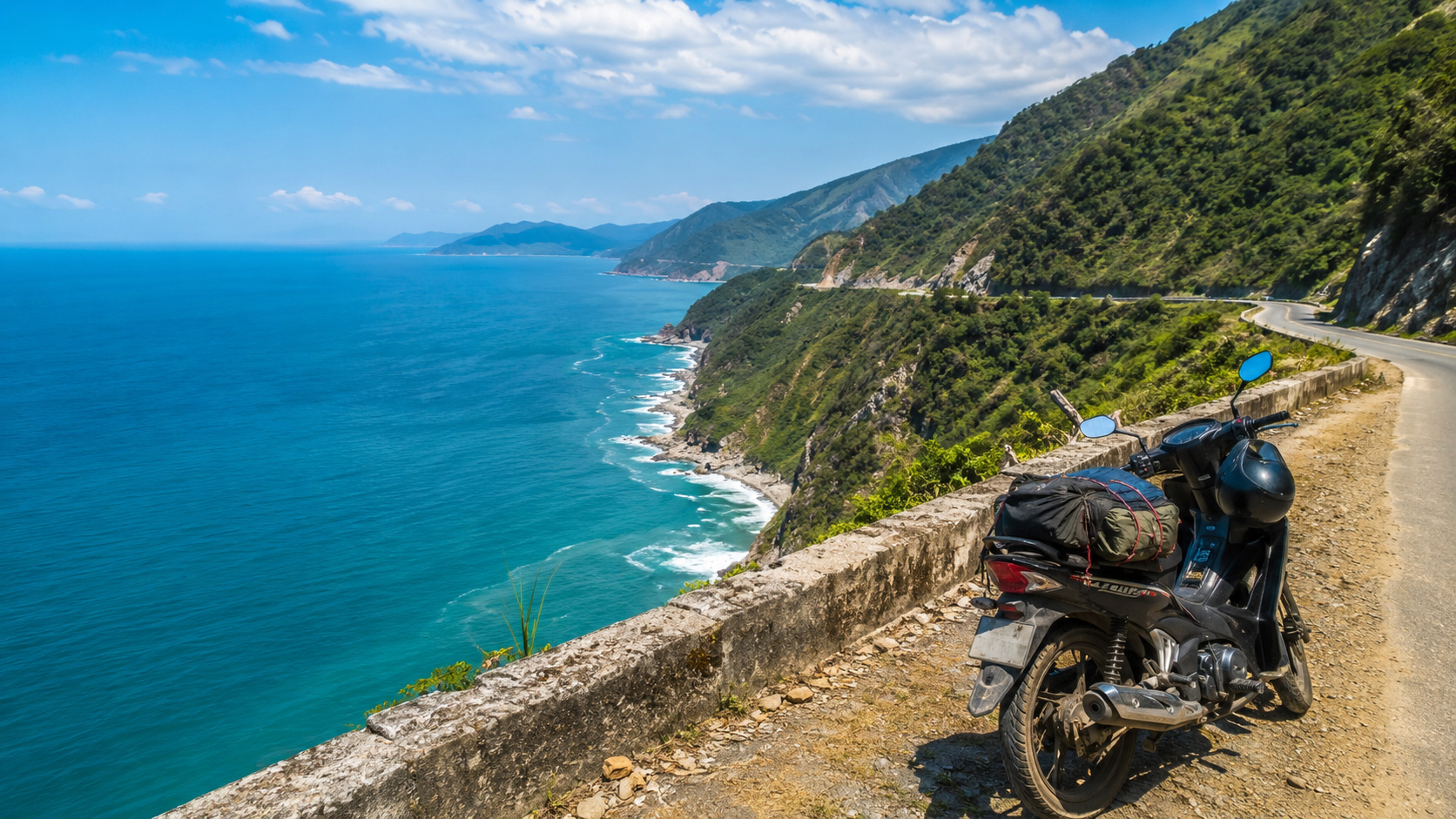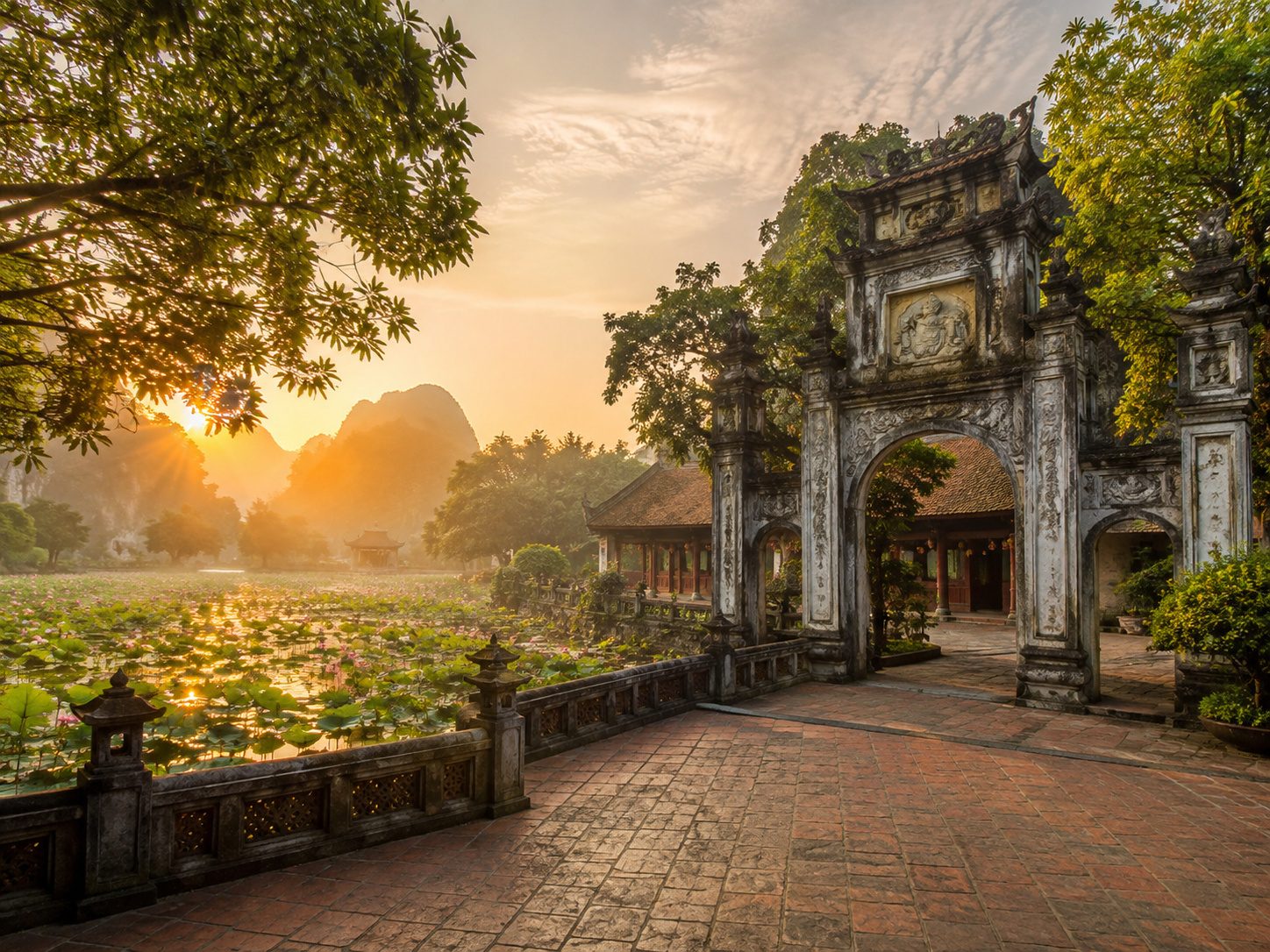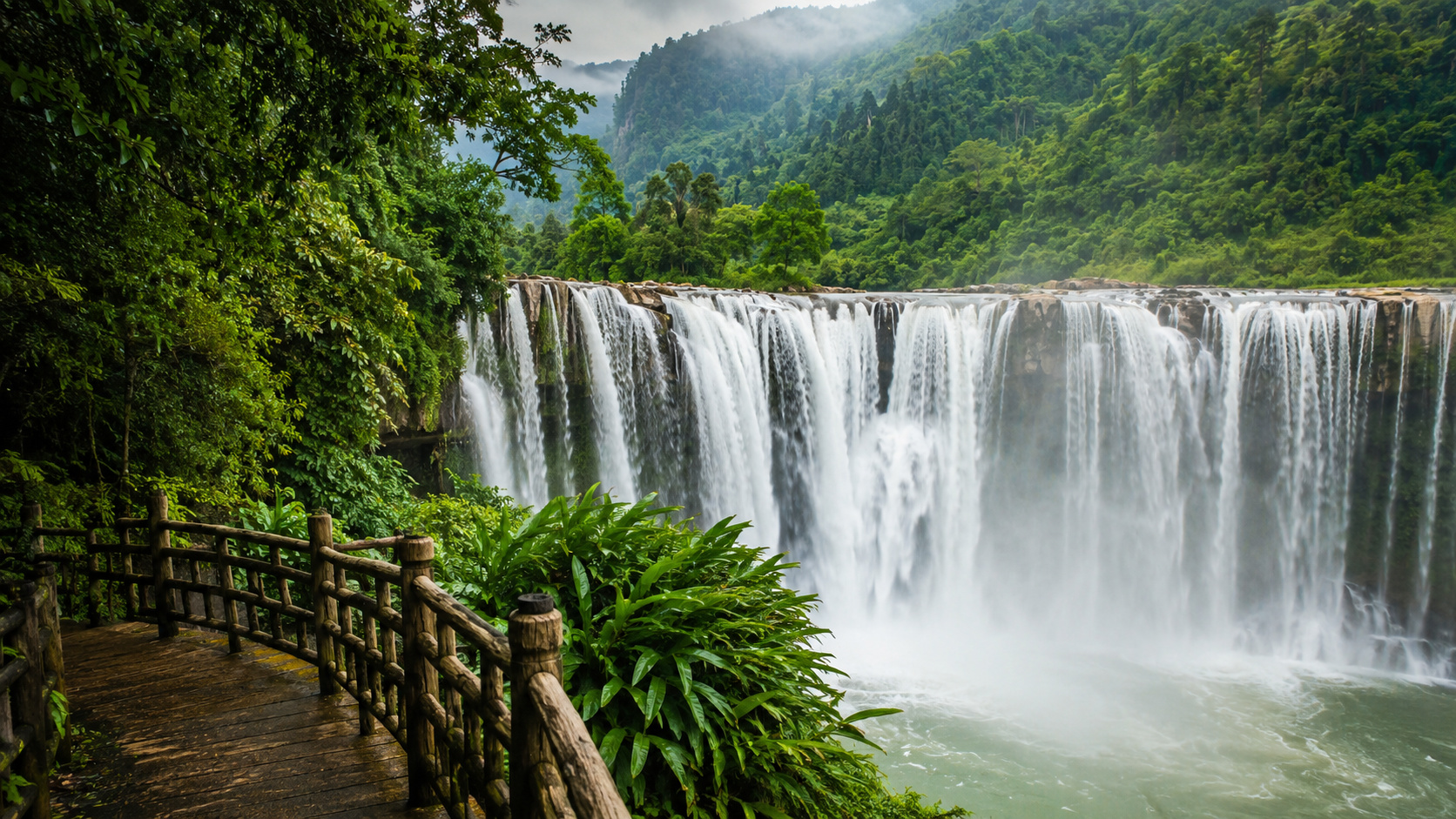

A Motorbike Tour Vietnam experience is often remembered through very small details. It is not always a famous pass, a wide beach or a sightseeing place marked on the map. Sometimes it is the sound of a broom sweeping a courtyard in the morning, the smell of hot noodles in a small stall, sunlight falling across the roof of a local house, or a village lane where children ride bicycles to school. A motorbike brings travelers closer to these images, slow enough to notice them, flexible enough to stop and direct enough to feel the changing space around them.
For many international travelers, this experience is memorable because it does not make them feel outside local life. They are not only “visiting” Vietnam; they feel as if they are passing through a living part of the country. The route can be short or long, gentle or demanding, but the way it is designed matters most. With a local guide, enough time to stop and a route that matches the traveler’s ability, a motorbike journey becomes a way of telling a story through the road itself.
A day on the road: details that give the journey its soul
The morning begins with ordinary sounds
A motorbike day may begin at the edge of a city, when the road is not yet too crowded and the air is still cool. The bike leaves the larger roads, passes through lower residential areas and slowly opens into villages, fields, ponds, gardens, small markets or tree-lined lanes. At that time of day, local life appears clearly: food sellers light their stoves, students go to school, older people sit in front of their houses and small motorbikes carry vegetables toward the market.
Morning sounds are different from the noise of a city center. There are knives on chopping boards in food stalls, voices calling across a market, bikes crossing small bridges, chickens in courtyards and light wind moving across the fields. For travelers used to fixed sightseeing schedules, these sounds can feel surprisingly fresh. They realize that Vietnam is not only found in famous places, but also in the way an ordinary day begins.
A roadside meal can open the story of a region
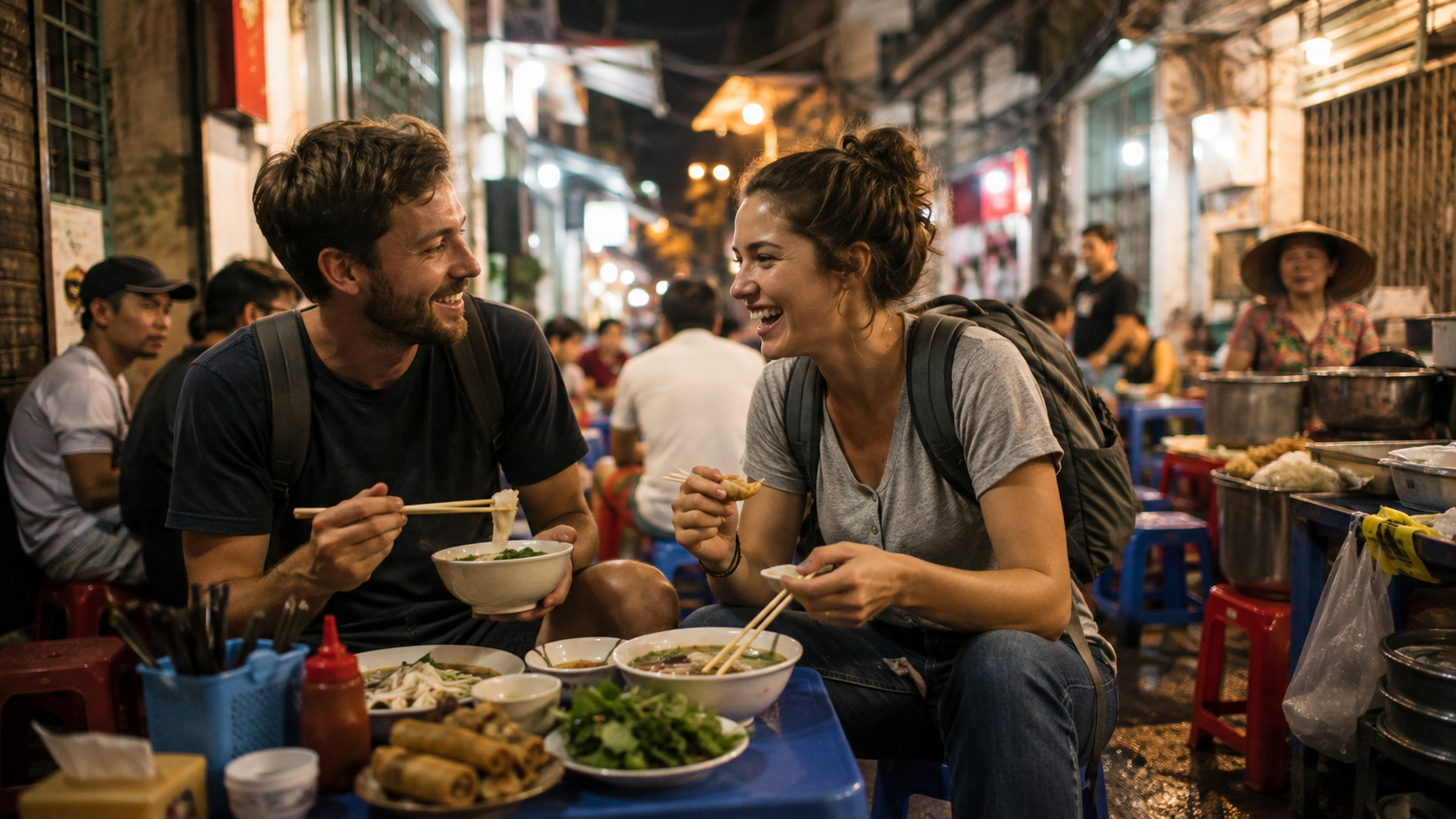
On a motorbike journey, a meal is not only a stop to eat. A roadside place can tell travelers a great deal about where they are: what local people eat in the morning, which dishes are prepared quickly for workers, whether the broth tastes different from another region, how herbs are used and whether coffee is enjoyed slowly or quickly. With a local guide giving just enough explanation, a bowl of noodles, a plate of rice, a small cake or a cup of coffee becomes a natural part of the cultural experience.
Short encounters make the journey feel less like a standard tour
Some encounters last only a few minutes but make the journey more memorable. A shop owner asks where travelers come from, a local person points toward the correct turn, a mechanic quickly checks a tire, or a child waves as the bike passes. These moments do not need to be arranged. They happen when travelers move through places where local life is still present and when the itinerary is not too rushed.
A local guide helps these encounters become easier to understand. They may translate a friendly joke, explain a greeting habit or point out something travelers might miss: why people dry farm products in front of their houses, why the market is busiest in the morning, or why a small shop attracts so many locals. These details change the journey from simply looking at scenery into a connected series of observations.
What makes these encounters valuable is their simplicity. They do not try to feel special, but their natural quality helps travelers remember them. A smile, a nod, a direction, or an invitation to sit down for a drink can feel warmer than a crowded photo stop. On a motorbike journey, emotion often comes from these brief crossings between the traveler and local life.
An immersive itinerary example for travelers who want to feel Vietnam more closely
A gentle one-day route for first-time travelers
For travelers joining a motorbike experience in Vietnam for the first time, a gentle one-day route is often the right choice. The morning can begin from the city and move toward the outskirts, stopping at a local breakfast place, then continuing through villages, small markets, gardens, fields or a riverside road. Travelers do not need to go far. The important thing is to have enough change in scenery and enough stops to feel local life.
This soft route suits travelers who are not familiar with Vietnamese traffic, couples, photography lovers, active seniors or those who want to try a motorbike experience without feeling overwhelmed. Travelers may ride behind a local driver for greater comfort. Without the pressure of controlling the bike, they have more time to look around, speak with the guide, take photos and notice the sounds, smells and light of the road.
A day like this should end before dark. In the afternoon, the route can follow quieter roads, stop for a drink, visit a scenic point or rest at a small local shop before returning to the city. The right level of comfort matters. If the itinerary tries to do too much, travelers become tired and miss the softer details. If the route is slower, even a short journey can feel deep.
A multi-day route for road lovers and local stories
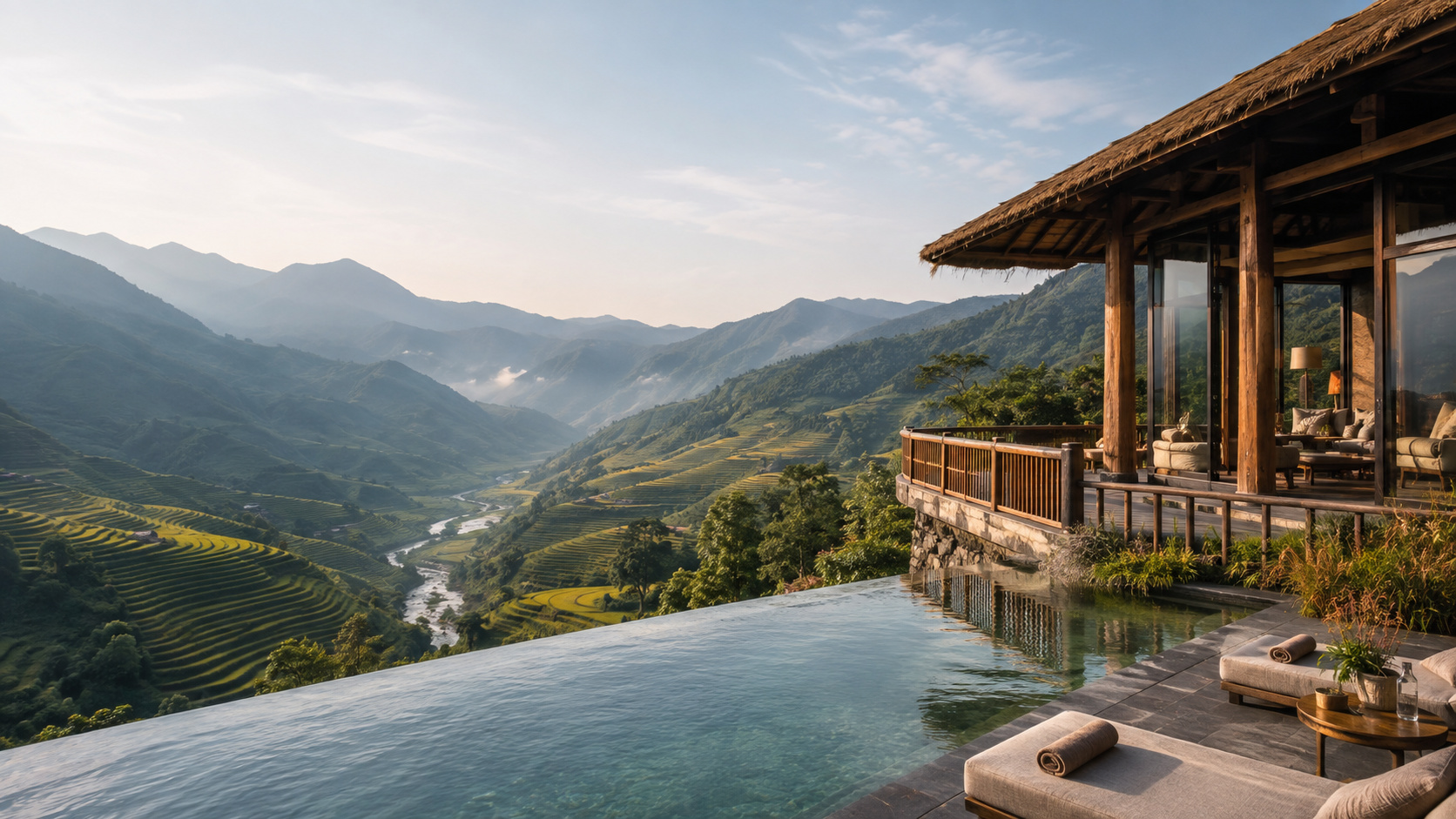
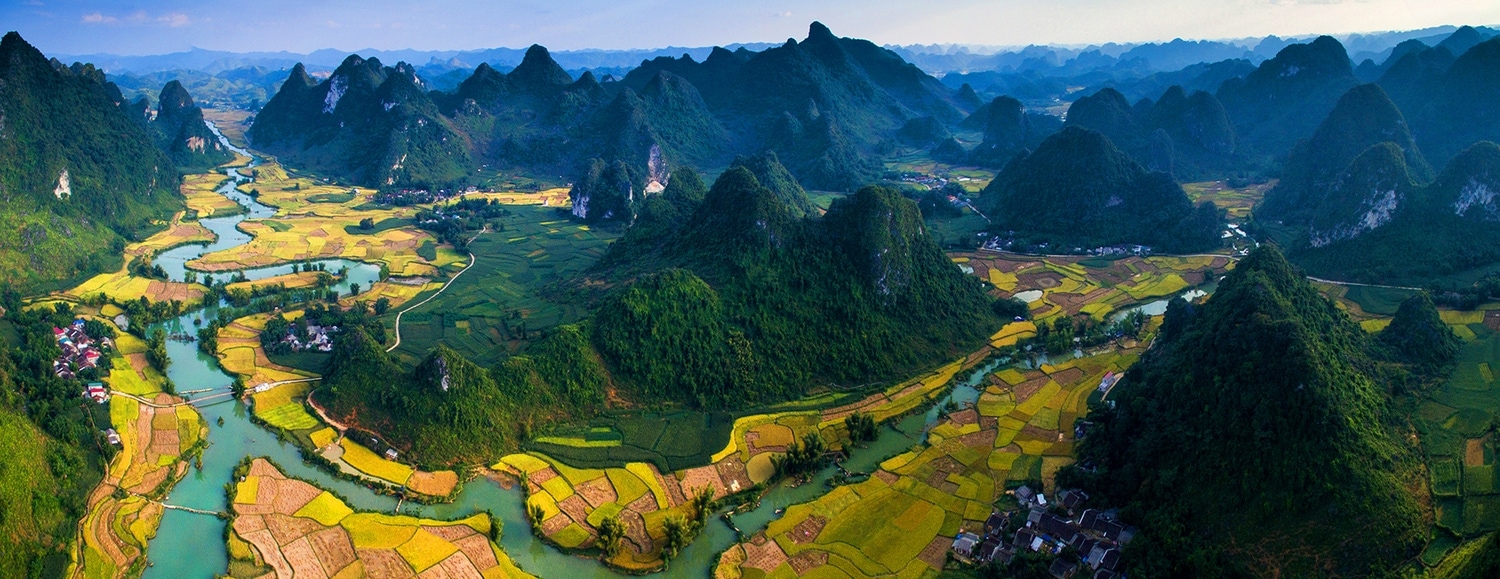
For more experienced travelers, a multi-day motorbike journey can reveal a broader Vietnam. Mountain roads, highlands, coastal routes or countryside areas farther from the main centers allow travelers to see landscapes change constantly. A morning may begin in a small town, lunch may happen in a hilly area, and the afternoon may pass through a mountain road or a valley viewpoint. The feeling that each day has its own color is what makes a longer journey attractive.
However, a multi-day route requires more preparation. Travelers need to consider energy, weather, motorbike quality, fuel points, rest stops, accommodation, food and backup plans. It is not enough to connect several beautiful roads together. Each day needs a reasonable pace, time to rest and at least a few stops with local meaning. A family meal, a small market, a craft village or a road through a distinctive farming area can make the journey much richer.
This style suits travelers who love nature, observation and flexibility. Weather may change, roads may be more difficult than expected, and the plan may sometimes need adjustment. Travelers should see this as part of the experience rather than a failure. When organized well, a long journey is not a tiring series of riding days. It becomes a way of reading Vietnam through each section of road.
Personalize the route so the journey truly belongs to the traveler
A motorbike journey can be shaped around very personal interests. Food lovers may want more stops at markets, family-run places, local snack stalls or areas known for specific ingredients. Photography lovers may prefer early morning light, late afternoon roads, fields, rivers, villages, quiet lanes or ordinary daily scenes. Culture-focused travelers may enjoy craft villages, old houses, small temples, local markets or places with community stories.
The important point is not to fit too many stops into one day. Immersive travel needs space for observation and for unexpected moments to appear. A good itinerary has clear structure, but remains soft enough to stay longer in an interesting place, change direction when the weather is not favorable or remove a stop if the body becomes tired.
When the route is personalized well, travelers do not only remember the names of places they visited. They remember the feeling of the morning road, the taste of food near a market, a guide’s story, light across a field, rain under the roof of a small shop or the moment of returning to town as the first lights appear. That is the deepest value of a motorbike journey in Vietnam: not overly polished, not staged, but close to life and long-lasting in memory.
Plan a better-value Vietnam journey with local support
Send us your expected travel dates, number of travelers and main wishes to receive itinerary advice and a suitable quote from Tradition Việt.
📞 Hotline: (+84)967 04 88 91 / (+84)376 304 008.
📧 Email: info@traditionviet.com.
Address: CT2A, Hanoi Homeland, Thuong Thanh Ward, Long Bien District, Hanoi.