
A Motorbike Tour Vietnam experience can be deeply rewarding, but to make it comfortable, travelers should understand three elements before departure: budget, difficulty and logistics. A motorbike brings travelers closer to landscapes and local life, but it also places them directly in contact with weather, road surfaces, traffic rhythm and small situations along the way. For that reason, a good journey depends not only on the route, but also on how carefully it is prepared.
The cost of a motorbike journey is not only the rental price. Difficulty is not only measured by kilometers. Logistics should never be treated as a minor detail, especially when the route crosses mountains, rural areas or places with fewer services. When these factors are considered properly, travelers can enjoy freedom while staying safe. When they are ignored, the trip can become a series of worries: Is the bike reliable? Will we arrive before dark? Is there a rest stop nearby? Is the road too difficult? What happens if it rains?
Understand budget and difficulty before choosing a route
The cost is not only the motorbike
Many travelers begin by asking how much it costs to rent a motorbike for one day. That is a reasonable question, but it is only a small part of the full budget. For an organized journey, costs may also include motorbike quality, helmet, fuel, maintenance, guide, local driver if the traveler does not self-ride, meals, accommodation, entrance fees, local contacts and support in case something goes wrong. A very low price may mean that important support has been removed.
What changes the budget from one journey to another
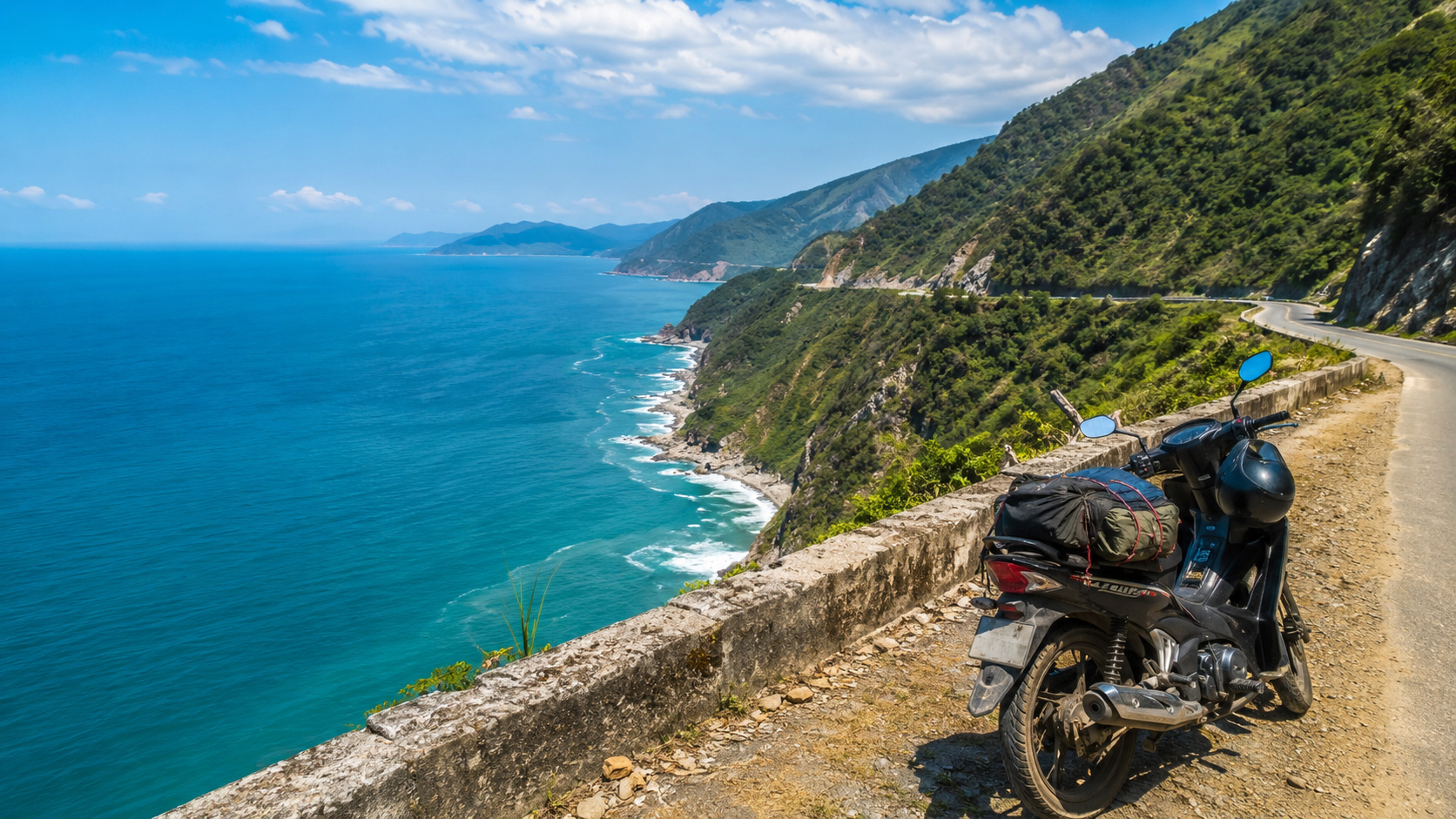
Budget changes most clearly according to trip length, road type and level of support. A gentle day around countryside roads, the edge of a city or a riverside area is much easier to manage than a multi-day journey through mountain passes, highlands or long coastal routes. The farther the journey goes from main service areas, the more carefully motorbike quality, rest points, fuel, meals and emergency support need to be planned.
Group size also affects cost. A private solo traveler usually pays more per person than a small group because the guide, support and logistics are not shared across several people. However, a private trip gives strong advantages: a more flexible itinerary, a pace that matches the traveler, stops chosen according to personal interests and the ability to adjust when the traveler becomes tired or the weather changes.
Comfort level is another important factor. Some travelers are happy with simple places close to local life. Others need clean and comfortable hotels, easier meals, better rest time and more predictable services. Both styles can work, but they should be discussed from the beginning. On a motorbike tour, saving too much on the bike, helmet, driver or rest stops is rarely a wise decision.
Difficulty depends on more than distance
A 70-kilometer route in the mountains can be more tiring than 150 kilometers on easier roads. Difficulty is shaped by road surface, slopes, bends, larger vehicles, weather, visibility, distance between services and the traveler’s energy. For visitors not used to Vietnamese traffic, even a moderate route can feel demanding if they must self-ride through many unexpected situations.
It is useful to separate technical difficulty from physical fatigue. Mountain passes, slippery surfaces, sharp bends and larger vehicles require riding skill and concentration. Heat, rain, dust, noise and several hours on the bike affect the body. A well-designed itinerary considers both. If travelers only look at a map or estimated travel time, it is easy to underestimate the real challenge.
Good logistics make the journey easier and safer
Motorbike, documents and insurance should be checked first
Before the journey begins, the motorbike should be checked carefully: brakes, tires, lights, horn, mirrors, chain, oil and luggage setup. A poorly maintained bike can spoil the whole day, especially when the route is far from a main town. The helmet should also fit well, fasten securely and remain comfortable for several hours. For longer trips or mountain roads, equipment quality should not be chosen only by the lowest price.
Documents and insurance are often overlooked. If travelers want to self-ride, they should check legal riding conditions, rental rules, insurance coverage and responsibility if something happens. If they are not sure about their ability or legal coverage, riding behind a local driver is often the better option. This is not only paperwork; it is a way to protect the trip from unnecessary complications.
Rest stops, fuel points and backup plans shape the day
A motorbike itinerary should not only include the starting point and final destination. It should identify where to refuel, where services become limited, where lunch is possible, where to rest, which sections should not be left until late and where shelter may be available if it rains. These details do not make the trip less natural. They make travelers more relaxed because basic needs are already considered.
Rest stops should follow the body’s rhythm. After a hot section, a water break may matter more than a famous viewpoint. After a mountain pass, a few quiet minutes looking down into a valley can help the body and mind recover. For travelers not used to Vietnam’s climate, short breaks help prevent dehydration, reduce fatigue and keep the day enjoyable.
Backup plans should also exist before departure. If heavy rain, fog, slippery roads or unexpected tiredness appear, the itinerary should allow for a shorter route, a change of direction or an earlier stop. A motorbike journey should not be forced by a rigid plan. A good organizer protects the spirit of the trip while adjusting the day when real conditions require it.
Local knowledge saves time and reduces risk
A local guide can make the journey much smoother. They know which roads are beautiful but safe, which food stops are reliable, where photos can be taken safely, which sections become slippery after rain, when to refuel and which areas are best avoided at busy times. These things are difficult to judge from a map alone. On a motorbike journey, local knowledge can be as important as the quality of the bike.
A guide also gives the trip more depth. Instead of simply passing a rice-growing area, travelers can understand more about the season. Instead of only stopping at a roadside place, they can learn when local people usually eat that dish. Instead of just seeing a pass, they can hear how the road connects communities. These small explanations make the landscape more meaningful.
When budget, difficulty and logistics are considered properly, a motorbike journey in Vietnam becomes freer, not more restricted. Travelers can move slowly, stop at the right moments, change plans when needed and pay attention to landscapes, people, food and local stories. A good trip is not one without surprises. It is one prepared well enough so that surprises do not become risks.
Plan a better-value Vietnam journey with local support
Send us your expected travel dates, number of travelers and main wishes to receive itinerary advice and a suitable quote from Tradition Việt.
📞 Hotline: (+84)967 04 88 91 / (+84)376 304 008.
📧 Email: info@traditionviet.com.
Address: CT2A, Hanoi Homeland, Thuong Thanh Ward, Long Bien District, Hanoi.