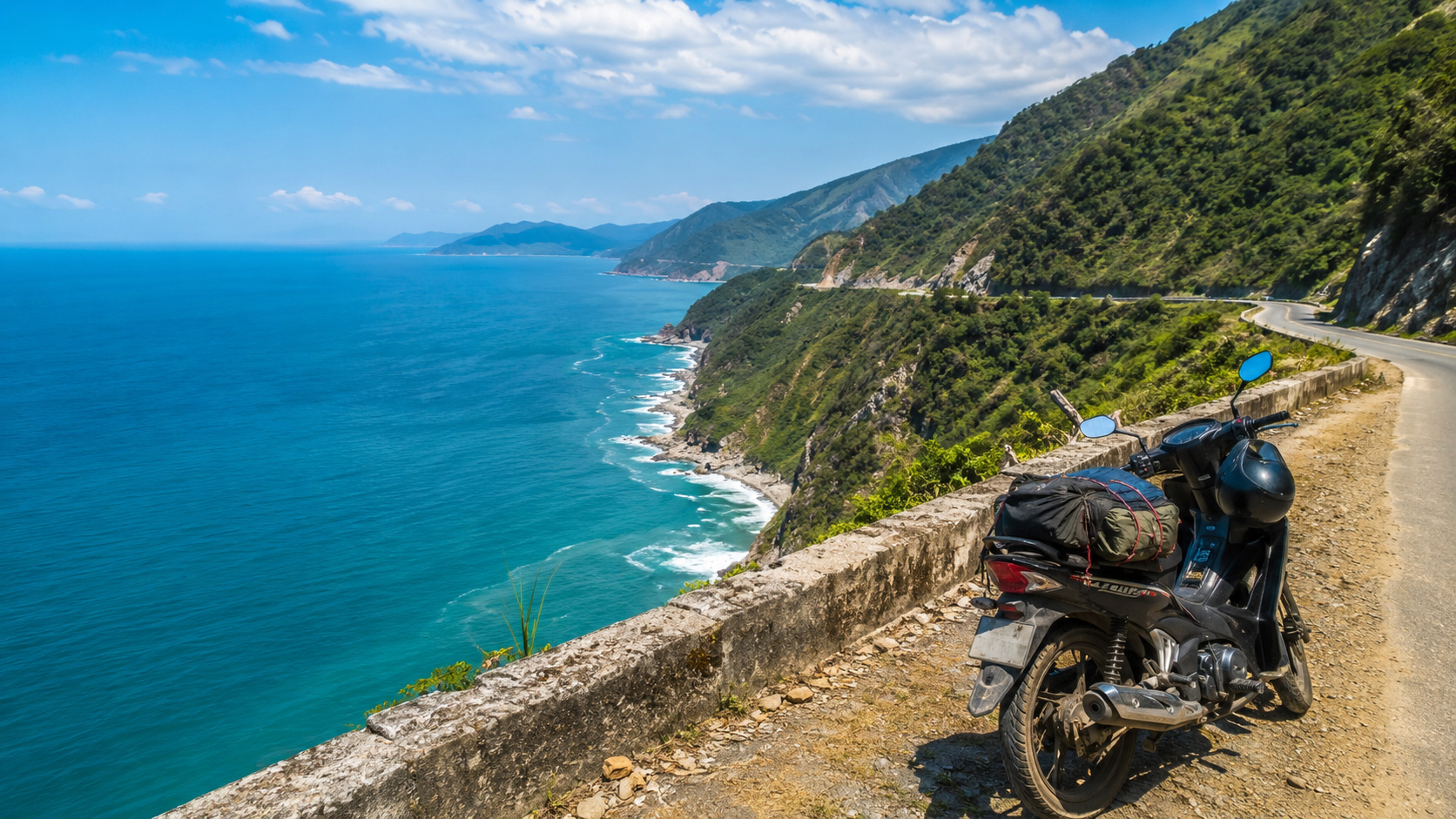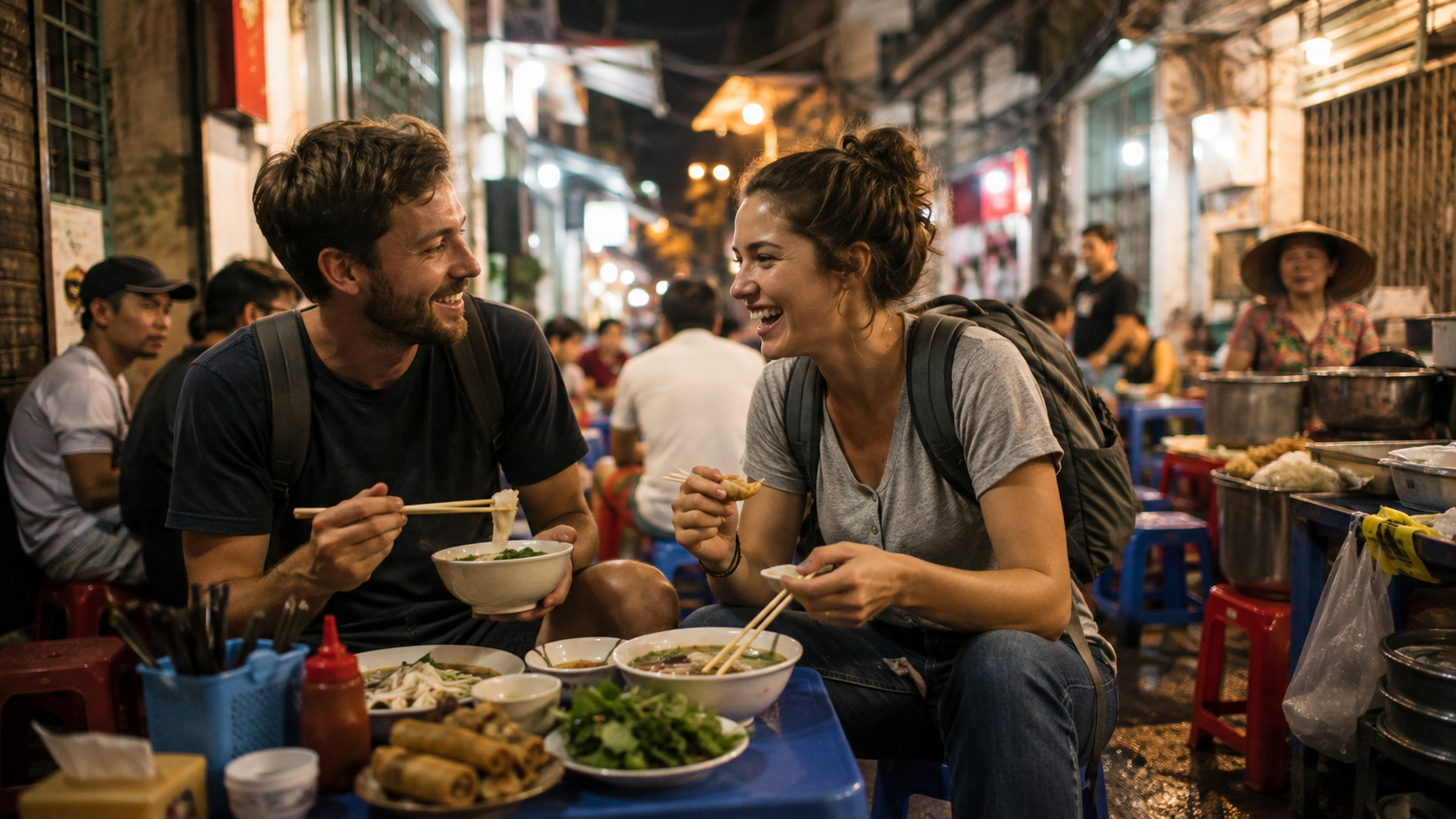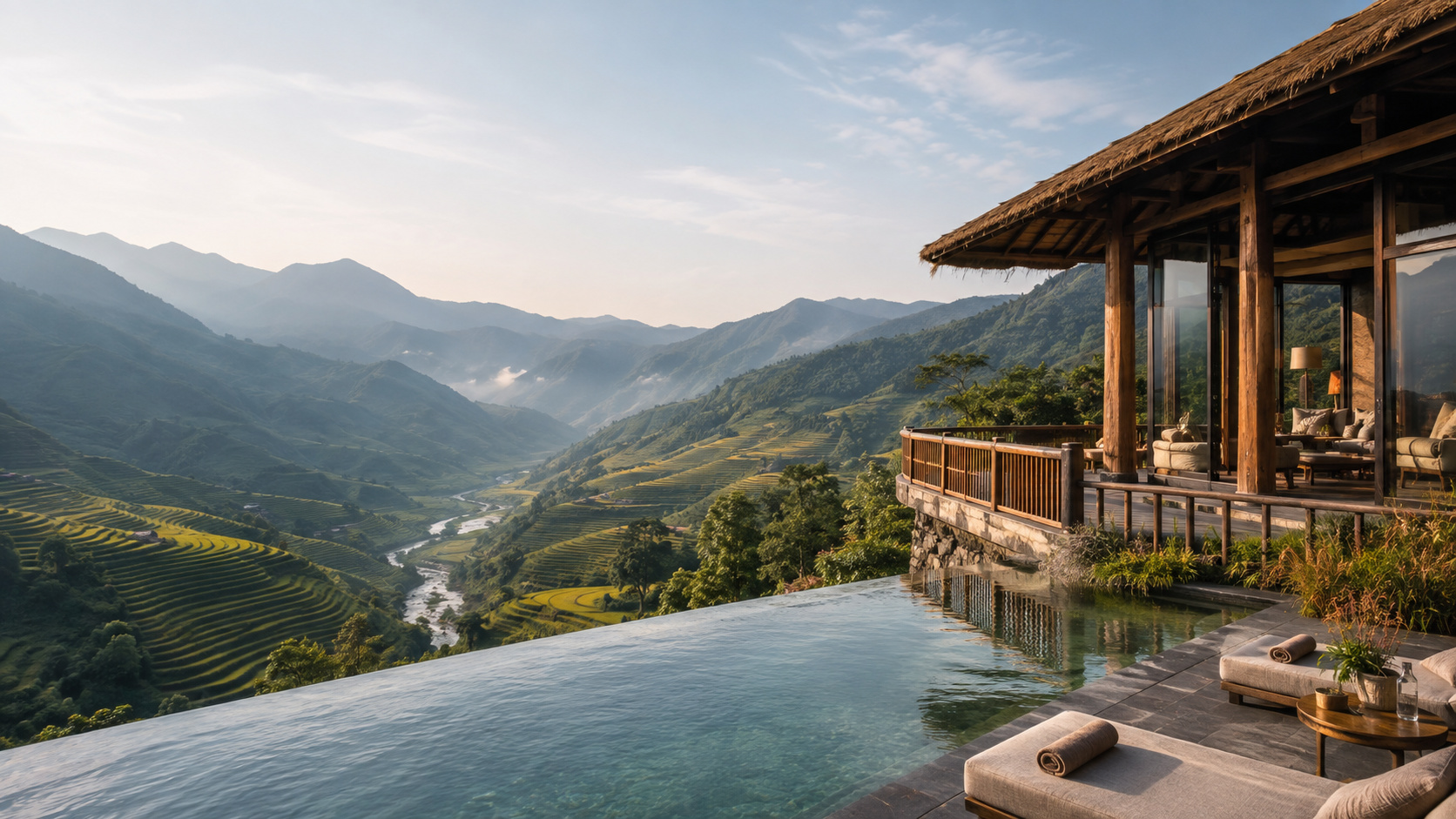


Local guide motorbike trip Vietnam can make a road-based journey safer, smoother and more meaningful. A local guide does much more than lead the way. They read traffic, understand road conditions, choose rest stops, explain local context, manage timing, adjust for weather and help travellers experience Vietnam beyond the surface. For many visitors, this support is what turns a motorbike trip from a risky idea into a carefully shaped adventure. These eight points help travellers plan a guided motorbike journey that respects both freedom and responsibility.
Start with the right guiding format
A guided motorbike trip can mean different things. Some travellers ride their own bike behind a guide. Others ride as passengers with experienced local riders. Some join small groups with support vehicles. Each format creates different comfort, risk and flexibility. Before choosing the route, travellers should choose the guiding format. The format must match skill level, travel style, luggage needs and safety expectations. This decision is the foundation of the whole trip.
Point one: decide whether you self-ride or ride pillion
Self-riding gives more control but requires real skill and responsibility. Riding pillion can let travellers enjoy the road while leaving handling to an experienced local rider.
A motorbike tour Vietnam guide can help compare route types and support levels.
Point two: ask who the guide really is
A good guide should know the road, speak clearly, manage group pace and understand local culture. Navigation alone is not enough.
Plan route difficulty with honesty
Motorbike trips can range from gentle countryside rides to demanding mountain routes. Distance on a map does not tell the whole story. Mountain passes, traffic, rain, roadwork and heat can make a shorter distance feel long. Travellers should ask about daily riding hours, road surface, elevation, rest stops and emergency alternatives. A smooth trip depends on matching the route to the traveller’s body and confidence.
Point three: check daily riding hours, not only kilometers
A 100-kilometer mountain day may feel very different from a 100-kilometer easy road. Ask how many hours will actually be spent riding.
A motorbike tour difficulty guide can help travellers compare budget, road challenge and comfort.
Point four: allow the guide to adjust the route
Weather, fatigue or road conditions may change the best plan. A responsible guide should be willing to adapt rather than force the itinerary.
The road should feel alive, not reckless.
Adaptation is part of good guiding.
A fixed plan is not always the safest plan.
Point five: include meaningful local stops
Coffee, markets, roadside meals, viewpoints and village pauses can make the trip human. The motorbike is a way to meet Vietnam, not only a vehicle.
Prepare equipment and expectations
Practical preparation matters. Travellers should ask about helmet quality, rain gear, luggage storage, phone charging, water, riding clothing and communication during the route. They should also discuss insurance and activity coverage before departure. A guided trip still requires personal responsibility. The more clearly expectations are handled before the ride, the easier the journey becomes.
Point six: pack light and secure
Large luggage does not suit motorbike travel. Waterproofing, small bags and accessible essentials help the day run smoothly.
A motorbike trip practical checklist can help prepare clothing, gear and road expectations.
Point seven: discuss safety signals
Groups should know how to communicate stops, discomfort, weather concerns and speed changes. Simple signals can reduce stress.
Point eight: request local planning support before booking
A tailored guided motorbike trip in Vietnam can align riding format, guide style, road difficulty and recovery time.
Local guide motorbike trip Vietnam works best when guidance is treated as safety, interpretation and rhythm management. Choose the right riding format, confirm guide quality, check daily riding hours, prepare gear and leave room for route adjustment. A local guide can make the road more meaningful by connecting scenery with food, villages, markets and stories. With careful planning, the journey feels adventurous without losing control, and Vietnam becomes vivid from the road itself.
Tradition Việt
Hotline: (+84) 967 04 88 91 / (+84) 376 304 008
Email: info@traditionviet.com
Adresse: CT2A Hanoi Homeland