
Local culture trips in Vietnam become clearer when travellers prepare them as living experiences, not just sightseeing. Vietnam’s culture appears in old quarters, temples, family meals, craft villages, markets, music, festivals, architecture, language, rivers, countryside and daily habits. A traveller can visit famous sites and still miss the human layer if the route is rushed or poorly interpreted. Culture needs time, respect and context. The goal is not to collect performances or photographs. The goal is to understand how people live, remember, create and share identity. These fifteen points help travellers prepare more clearly.
Define what local culture means for your trip
Culture is a broad word. For one traveller, it may mean heritage sites and temples. For another, it may mean food, craft, family life, ethnic communities, markets, festivals, countryside or contemporary city culture. A strong local culture trip begins by narrowing the focus. This helps choose destinations, guides and activities more thoughtfully. Without a focus, the itinerary may include many “cultural” stops that do not connect. A clear theme creates depth.
Point one: choose a cultural focus
The focus may be food, craft, heritage, village life, music, architecture, religion, ethnic diversity or family traditions.
A Vietnam local experiences guide can help travellers compare different cultural formats.
Use guides to add meaning, not performance
A guide can make local culture easier to understand, but the guide’s role should be interpretation, not staging. Travellers should ask for stories, context and respectful explanation. A good guide helps visitors know when to ask questions, when to observe quietly and when photography may be inappropriate. In Vietnam, many cultural experiences happen in living spaces: homes, workshops, markets, temples and villages. Sensitivity matters as much as curiosity.
Point two: choose guides who explain daily life
A strong guide can connect objects, places and habits with people’s lives. This makes culture feel human rather than abstract.
A Vietnam private tours guide can help match guide style with cultural interests.
Point three: ask fewer, better questions
Instead of asking many surface-level questions, ask about meaning, family practice, seasonal rhythm and how traditions change today.
Respectful curiosity is more valuable than constant questioning.
Some places need quiet observation.
A good cultural trip leaves space for both.
Include food, craft and local rhythm
Food and craft are among the easiest ways to experience local culture with all senses. A market visit, cooking class, family meal, craft workshop, pottery stop, silk village, lacquerware visit or traditional music experience can reveal skills and values that monuments alone cannot show. These experiences should be chosen carefully. The best ones feel connected to real local practice, not only tourist display. Travellers should prefer quality and context over too many stops.
Point four: use food as cultural entry
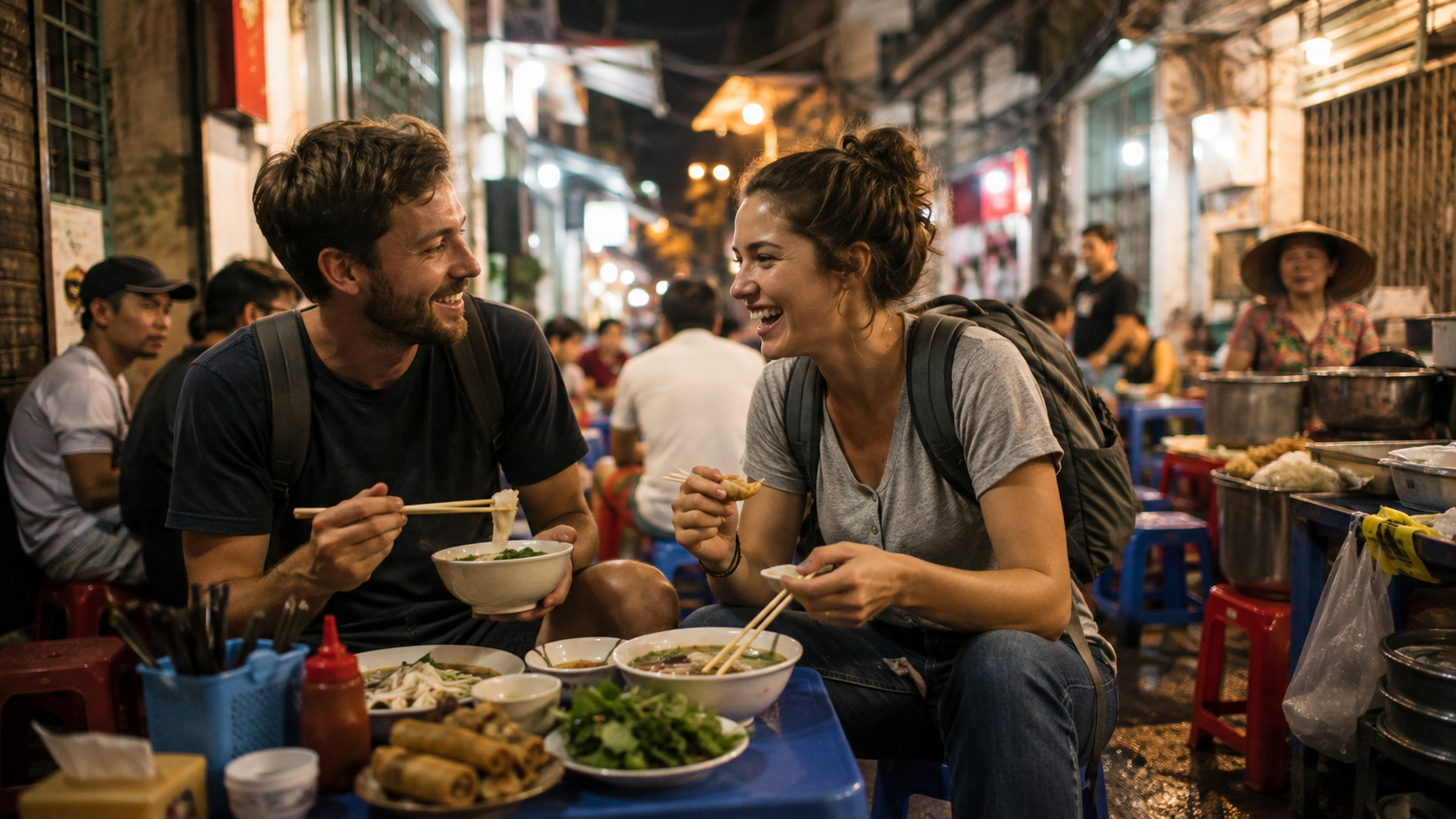
Regional dishes can reveal climate, history, family habits and local identity. Food is often the most approachable cultural bridge.
A Vietnam food tours guide can help connect meals with local understanding.
Point five: include one craft experience
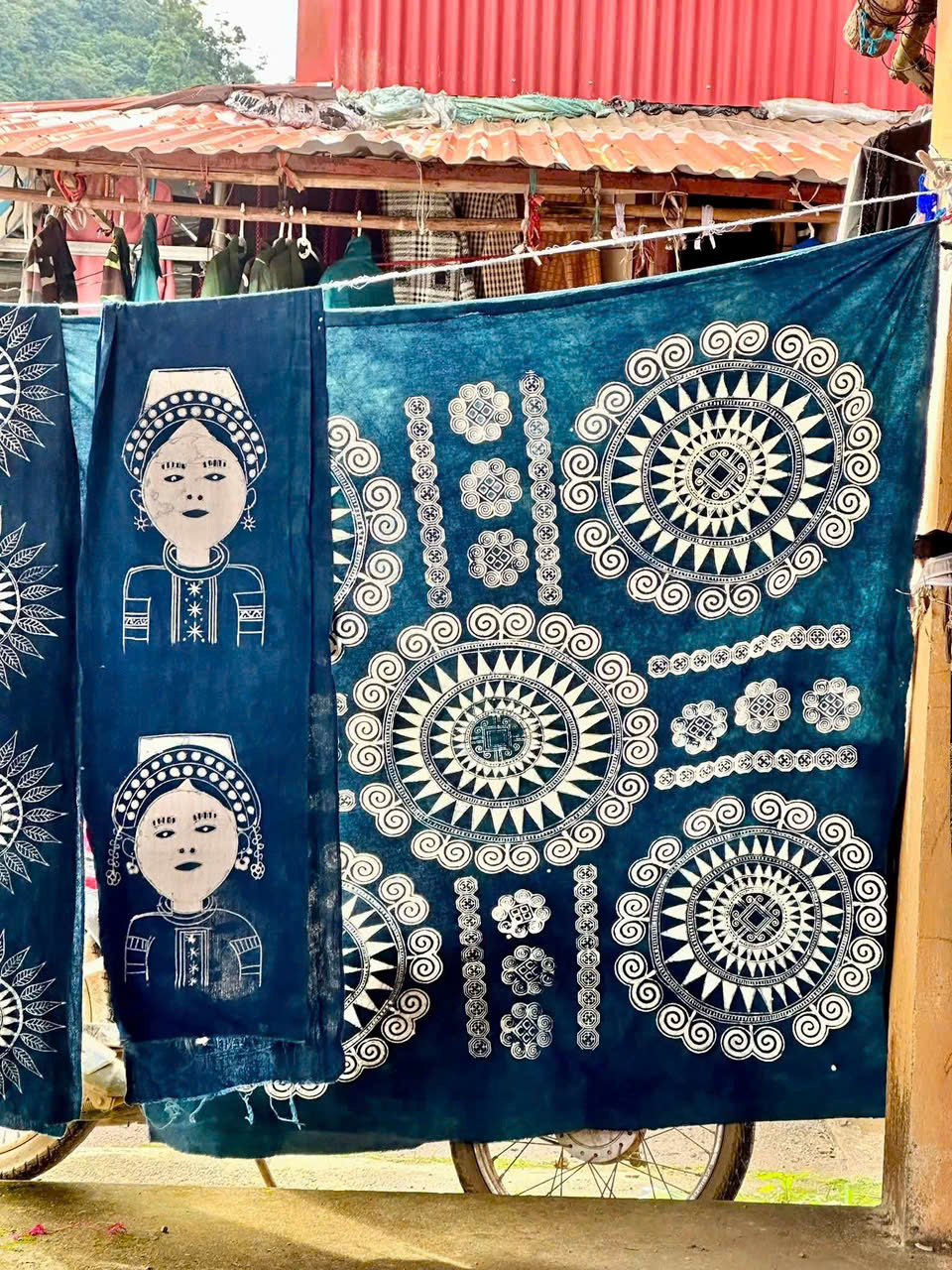
A craft village or workshop can show patience, materials, family knowledge and the connection between tradition and livelihood.
Point six: do not rush markets
Markets are not only shopping places. They show ingredients, language, timing, social habits and local economy.
Point seven: balance formal heritage with living culture
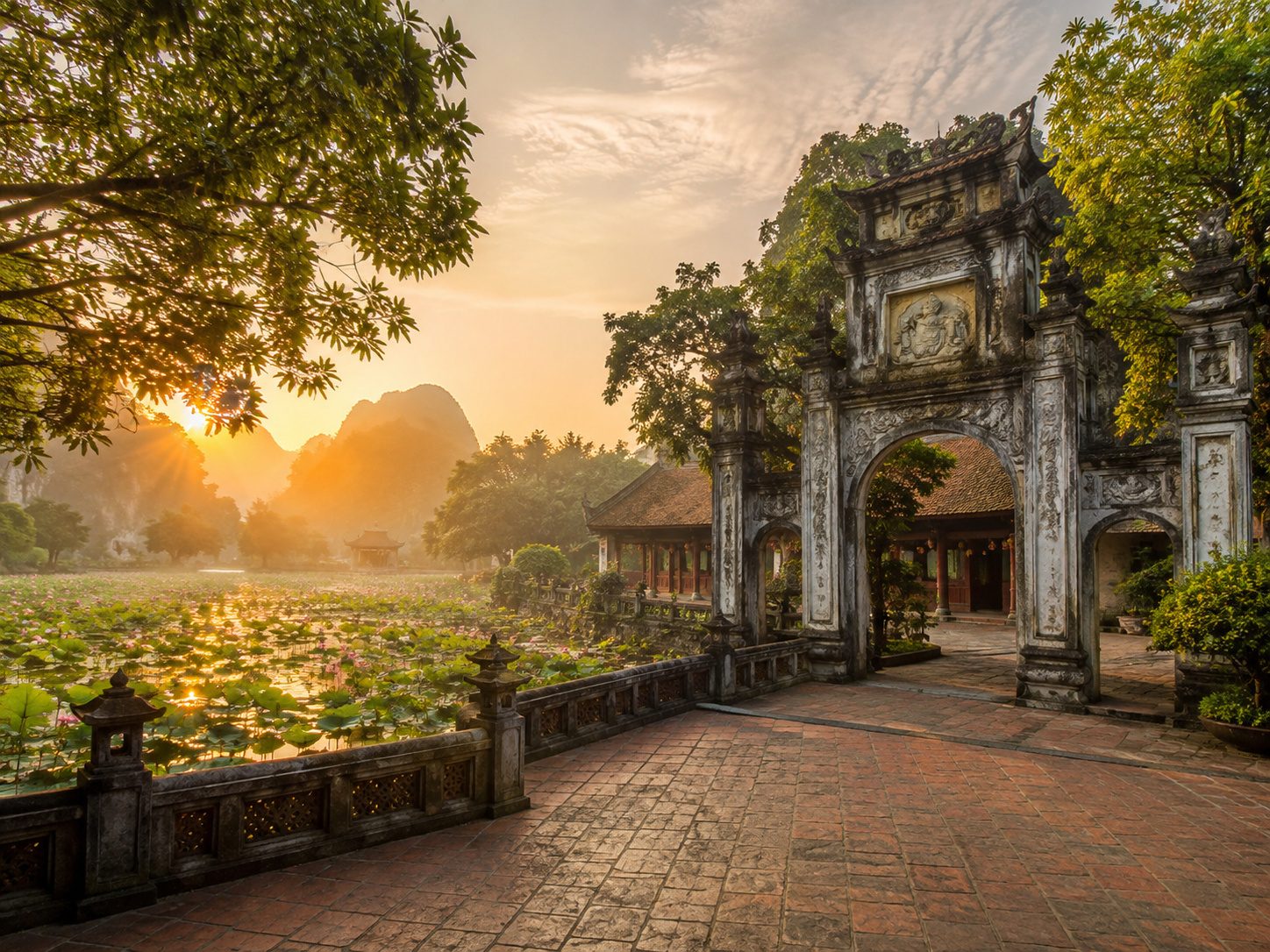
Temples, old houses and museums are valuable, but they become stronger when paired with food, craft, music or local life.
Prepare for respectful interaction
Local culture trips require more awareness than standard sightseeing. Travellers should think about clothing, temple etiquette, photography, bargaining, gifts, household visits and environmental behavior. Respect is practical. It affects how people welcome travellers and how comfortable both sides feel. A responsible itinerary should not push visitors into private spaces without care. Cultural access should benefit hosts and preserve dignity.
Point eight: dress thoughtfully for temples and homes
Modest clothing can show respect in religious or family settings. Carry a light scarf or layer if needed.
A Vietnam culture guide can help prepare for cultural etiquette and route design.
Point nine: ask before photographing people
A beautiful photograph is not more important than someone’s comfort. Ask, smile and accept refusal politely.
Point ten: understand that villages are homes
A village is not a stage. Walk gently, keep voices reasonable and avoid entering private spaces without invitation.
Point eleven: buy directly when possible
Purchasing craft or local products directly from artisans can support livelihoods and make souvenirs more meaningful.
Point twelve: keep group size appropriate
Smaller groups often create better cultural interaction and less disruption, especially in workshops, homes and village areas.
Connect cultural stops into a coherent route
A local culture trip should not feel like scattered fragments. Hanoi, Hue, Hoi An, the Mekong Delta, Sapa, Ninh Binh and craft villages can all contribute different layers, but they need route logic. Travellers should decide whether they want a northern culture route, central heritage route, southern local-life route or a wider national overview. Coherence helps memory. The traveller should finish the trip with a story, not just a folder of photos.
Point thirteen: give each cultural stop a role
One place may show food, another craft, another religion, another history and another rural life. Avoid repeating the same type of stop too often.
A Hue travel guide can help travellers understand how heritage can anchor a cultural route.
Point fourteen: leave time to reflect
Culture needs space. After a meaningful workshop, temple visit or family meal, do not rush immediately into another heavy activity.
Point fifteen: request local planning support
A tailored local culture Vietnam trip proposal can connect food, craft, heritage, markets and respectful guiding into one route.
Local culture trips in Vietnam become more meaningful when travellers prepare with focus, respect and good pacing. Define what culture means for the journey, use guides for interpretation, include food and craft, behave thoughtfully in living spaces and connect stops into a coherent story. Vietnam’s culture is not found only in monuments. It lives in meals, markets, workshops, temples, villages, streets and family memory. When approached with care, local culture turns a trip into real understanding.
Tradition Việt
Hotline: (+84) 967 04 88 91 / (+84) 376 304 008
Email: info@traditionviet.com
Adresse: CT2A Hanoi Homeland