
Field details that change the journey
Mornings often define the whole day
A good day in Vietnam often begins earlier than travelers expect. Not because the schedule must be rushed, but because morning shows the country at its freshest: stalls opening, people buying breakfast, traffic still soft, and light falling gently over the streets. In Hanoi, this may mean walking near the lake. In Hoi An, it may be the moment before the yellow walls grow bright under the sun. An itinerary that uses mornings well can make the whole day feel lighter and richer.
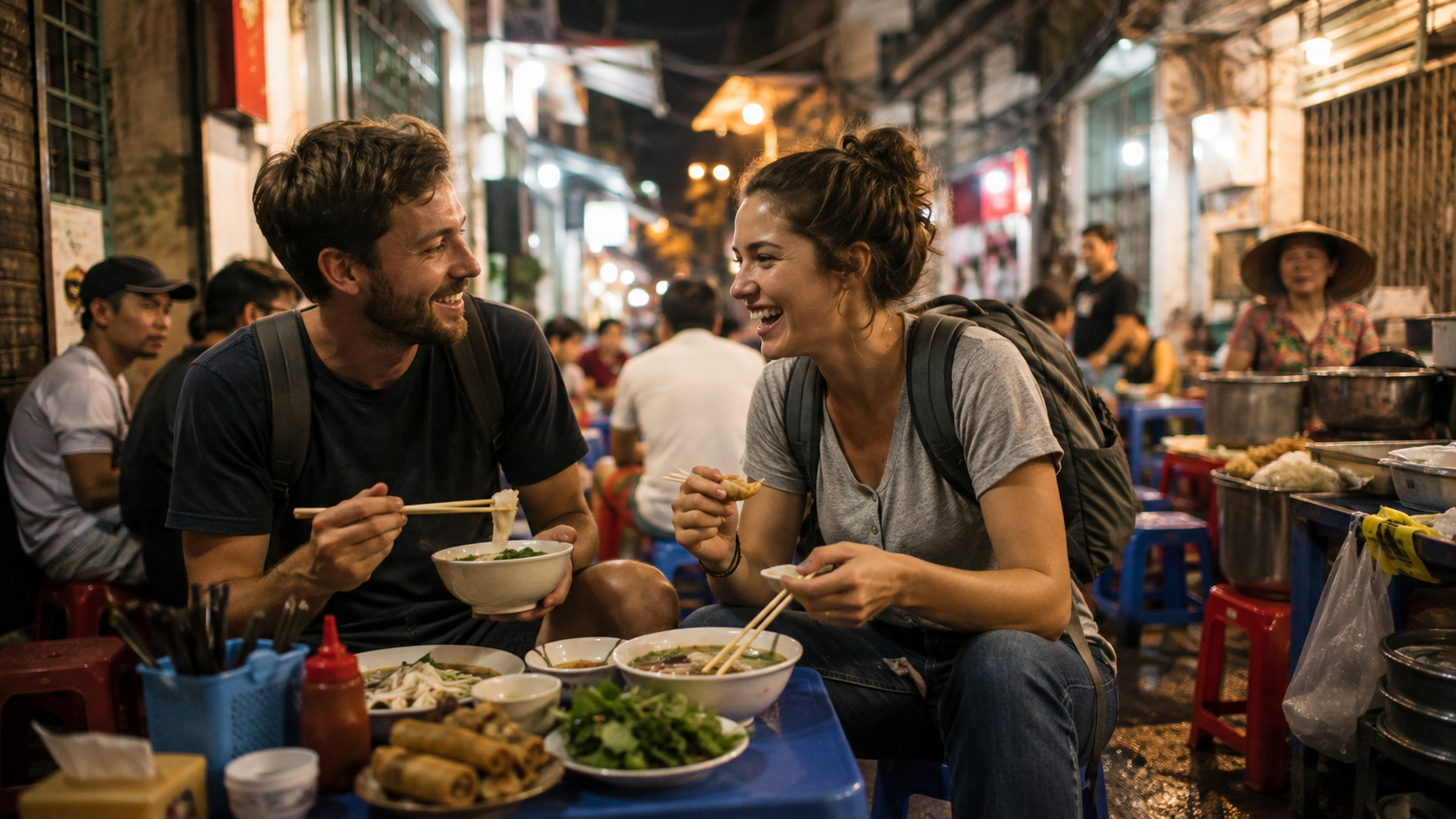
Local markets should not be treated as simple stops. They have their own living hours. In the morning, vegetables are fresh, bargaining is lively, broth and grilled food scent the lanes. Arrive too late and travelers may see only the tired part of the scene. Floating markets in the Mekong Delta also depend on timing. These experiences do not need exaggeration. Arriving at the right moment with someone who can explain the setting gives them natural weight.
Local markets reward the right timing
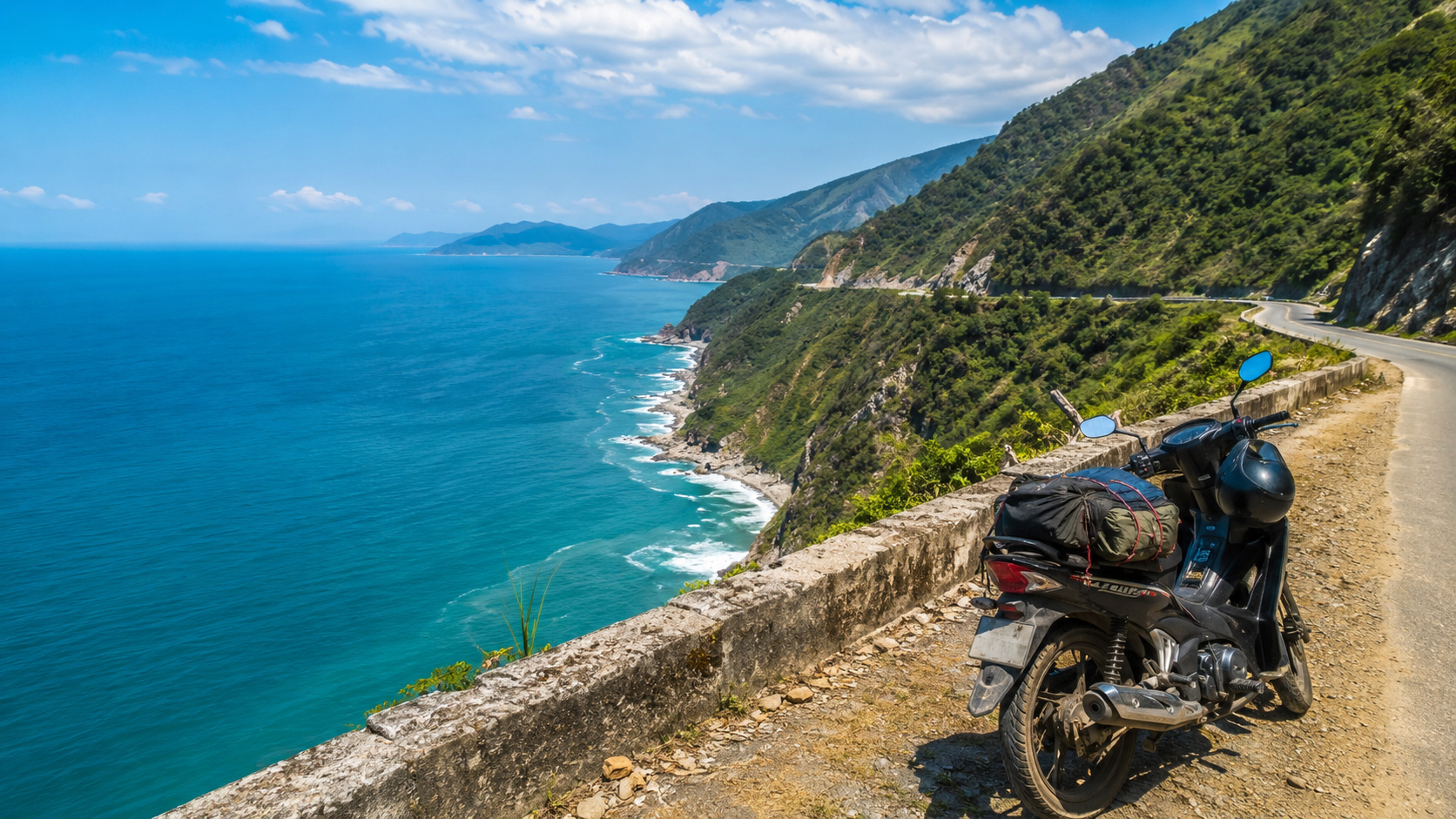
Long drives are not a problem when stops have a reason. A good roadside meal, a small craft village, a view over rice fields or a coffee break facing the mountains can turn a transfer into a memory. What should be avoided is stopping too often without value or sitting in the car until everyone is tired. A good planner knows which leg should run directly, which one should be broken, and which pause will genuinely soften the day.
Old town days deserve a slower pace than modern city days. Hoi An, Hanoi’s old quarter and some corners of Hue need time for walking, looking at doorways, hearing street sounds and stopping when something catches the eye. If too many visits are packed in, travelers see only the surface. Slow travel does not mean doing little. It allows details to appear: wall colors, kitchen smells, bicycle bells, a vendor’s story or the cool air after rain.
Long drives need stops with a purpose
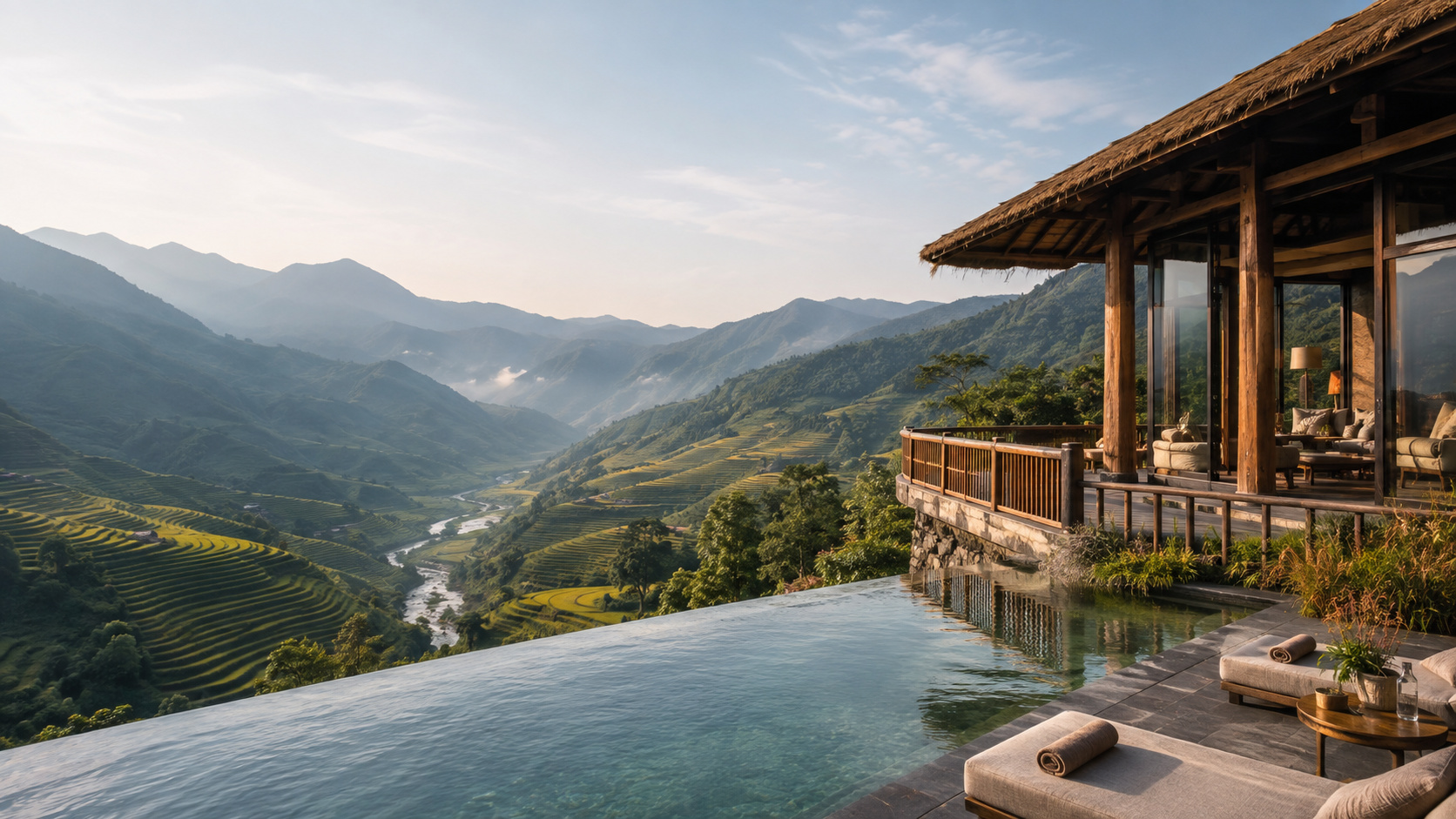
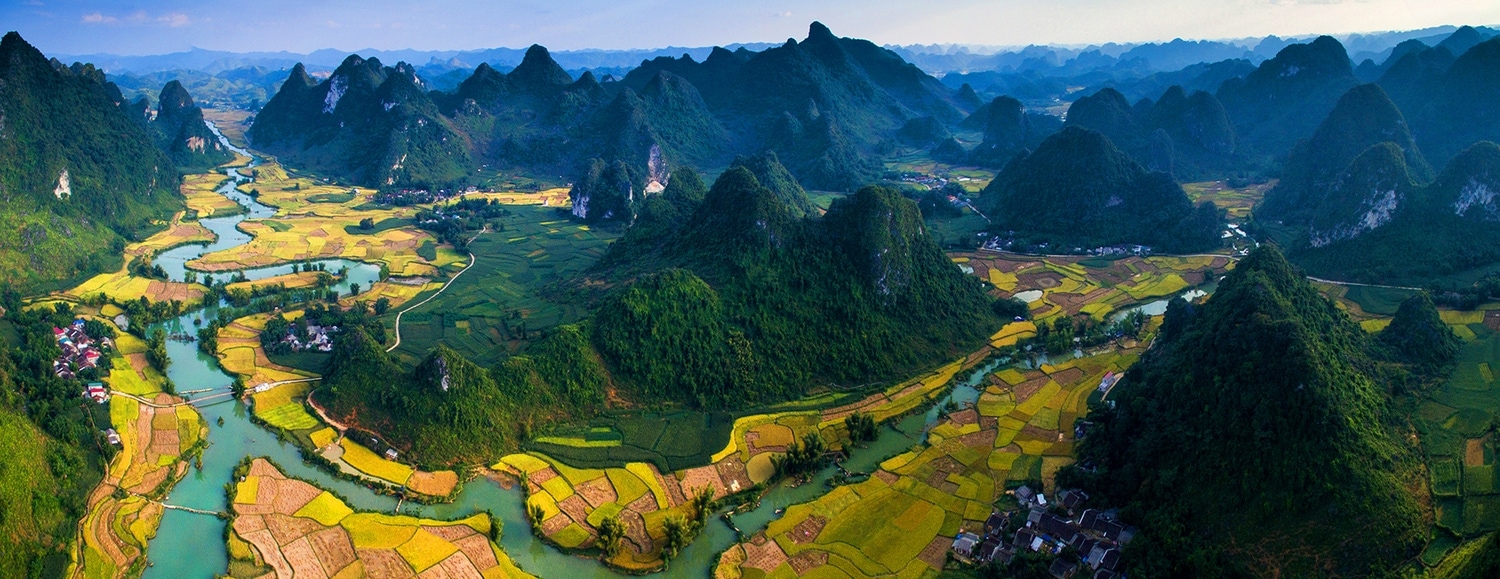
Nature days need weather margins. Bays, mountains, caves, valleys and rice terraces all depend on cloud, rain, mist and light. A grey sky does not necessarily ruin the trip, but the itinerary should be able to adapt: shift a boat time, add an indoor visit, rest longer at the hotel or move an outdoor activity if possible. This flexibility helps travelers meet nature as it is, rather than feeling forced to complete a plan.
The final day should end gently. Many travelers try to add one more visit before a flight and leave Vietnam in a rush. A better choice may be a good lunch, a short gift-shopping walk near the hotel, a quiet cafe or a small final stroll. Last impressions shape the emotional memory of the whole journey. When the final day is not too heavy, travelers leave with a more complete feeling.
Soft CTA: Share your expected travel dates, travel style and main wishes with Tradition Việt. Our local team can suggest a route that feels comfortable, meaningful and realistic.
Local advice for different types of travel days
Old town days deserve slower pacing
Field experience shows that the most memorable journeys are not always the longest or most expensive. They are the ones planned around the travelers: good light for photography, local meals for food lovers, convenient hotels for those who need rest, and thoughtful guides for curious guests. When an itinerary reflects the character of the group, Vietnam feels more natural, generous and close.
A good day in Vietnam often begins earlier than travelers expect. Not because the schedule must be rushed, but because morning shows the country at its freshest: stalls opening, people buying breakfast, traffic still soft, and light falling gently over the streets. In Hanoi, this may mean walking near the lake. In Hoi An, it may be the moment before the yellow walls grow bright under the sun. An itinerary that uses mornings well can make the whole day feel lighter and richer.
Nature days need weather margins
Local markets should not be treated as simple stops. They have their own living hours. In the morning, vegetables are fresh, bargaining is lively, broth and grilled food scent the lanes. Arrive too late and travelers may see only the tired part of the scene. Floating markets in the Mekong Delta also depend on timing. These experiences do not need exaggeration. Arriving at the right moment with someone who can explain the setting gives them natural weight.
Long drives are not a problem when stops have a reason. A good roadside meal, a small craft village, a view over rice fields or a coffee break facing the mountains can turn a transfer into a memory. What should be avoided is stopping too often without value or sitting in the car until everyone is tired. A good planner knows which leg should run directly, which one should be broken, and which pause will genuinely soften the day.
The final day should end lightly
Old town days deserve a slower pace than modern city days. Hoi An, Hanoi’s old quarter and some corners of Hue need time for walking, looking at doorways, hearing street sounds and stopping when something catches the eye. If too many visits are packed in, travelers see only the surface. Slow travel does not mean doing little. It allows details to appear: wall colors, kitchen smells, bicycle bells, a vendor’s story or the cool air after rain.
Nature days need weather margins. Bays, mountains, caves, valleys and rice terraces all depend on cloud, rain, mist and light. A grey sky does not necessarily ruin the trip, but the itinerary should be able to adapt: shift a boat time, add an indoor visit, rest longer at the hotel or move an outdoor activity if possible. This flexibility helps travelers meet nature as it is, rather than feeling forced to complete a plan.
Frequently asked questions
How many days are ideal for a Vietnam itinerary?
For a multi-region journey, 10 to 14 days is often comfortable. A shorter trip can work well when focused on one or two regions.
Should I visit North, Central and South Vietnam in one trip?
Yes, if you have enough time and the itinerary includes rest. For shorter journeys, prioritizing the most meaningful regions is usually better.
Is a tailor-made itinerary suitable for families?
Yes. It can adjust hotels, transfers, meal timing and daily pace around children, seniors or mixed-age groups.
When should I request a custom quote?
As early as possible once you know your dates, group size and main wishes. Early planning helps protect better choices.
Start shaping your Vietnam journey
Send us your expected travel dates, number of travelers and main wishes to receive itinerary advice and a suitable quote from Tradition Việt.
Hotline: (+84)967 04 88 91 / (+84)376 304 008
Email: info@traditionviet.com
Address: CT2A, Hanoi Homeland, Thuong Thanh Ward, Long Bien District, Hanoi.