
Ho Chi Minh City sightseeing trips can vary widely, so travellers should compare the format before booking. Some routes focus on history and landmarks. Others emphasize food, markets, architecture, river life, modern city energy or neighborhood texture. The city is fast, layered and generous, but it can feel overwhelming if the tour is poorly paced. A sightseeing trip should help visitors understand southern Vietnam’s urban rhythm without turning the day into a rushed checklist. These eleven things help compare options more clearly.
Compare what side of the city the tour reveals
Ho Chi Minh City has many layers: historic buildings, wartime memory, colonial-era streets, local markets, cafés, modern towers, religious sites and riverside movement. A good sightseeing trip should reveal a chosen side of the city rather than trying to show everything superficially. Travellers should ask whether the route gives an introduction, a deep historical day, a food-based experience, a local neighborhood walk or a mix of highlights. The clearer the focus, the better the experience.
Thing one: compare the tour theme
The theme may be history, architecture, food, markets, local life, river views or first-time city orientation.
A Ho Chi Minh City tours guide can help travellers understand the main formats before choosing.
Thing two: compare landmark depth
If the tour includes major landmarks, ask how much explanation is given. A quick photo stop may not be enough for travellers who want context.
Thing three: compare local-life elements
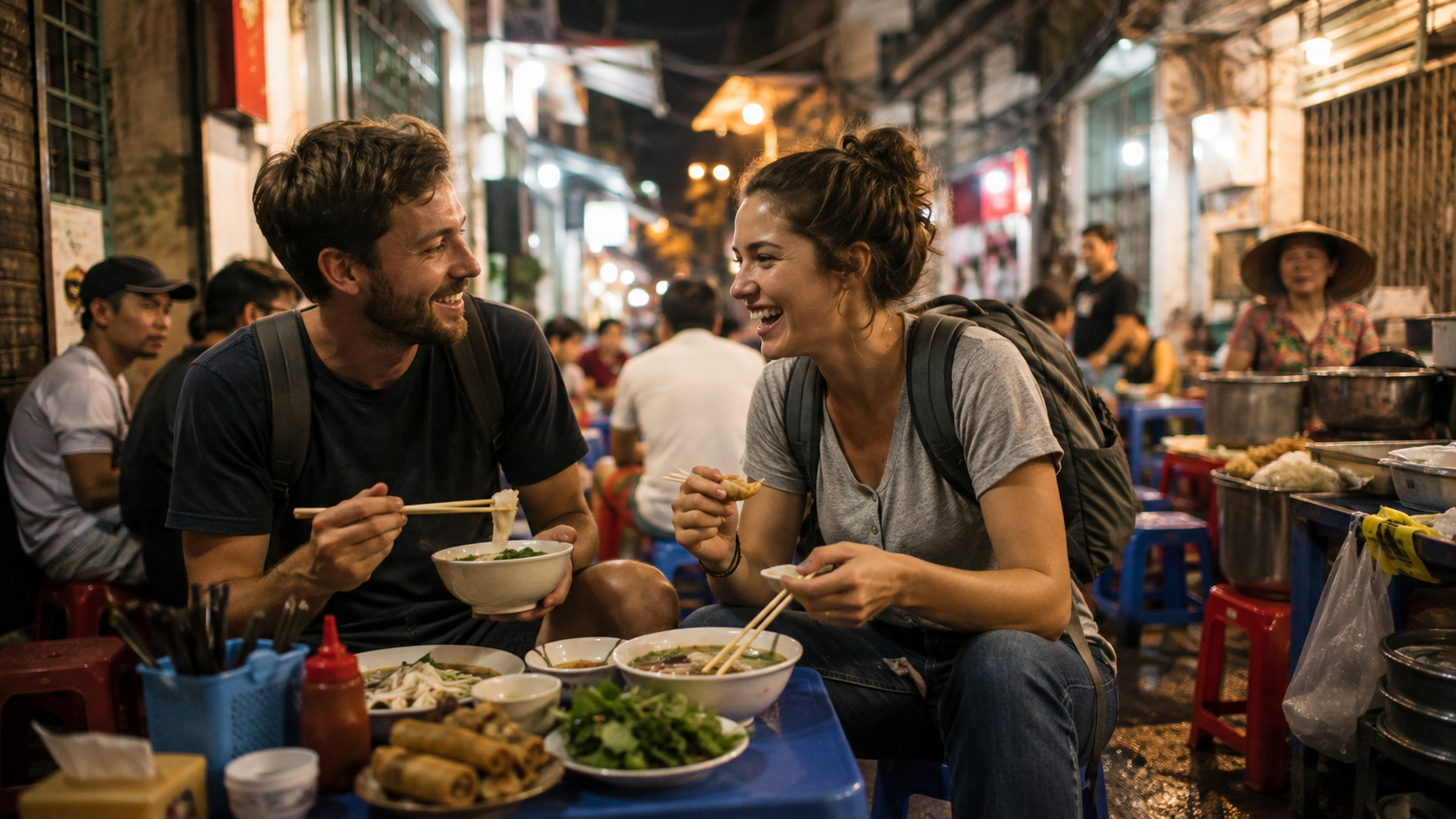
Markets, coffee stops, alleys, food corners and neighborhood walks can make the city feel more human.
Compare timing, transport and comfort
Ho Chi Minh City sightseeing involves movement through a busy urban environment. Travellers should check whether the tour uses walking, private vehicle, cyclo-style routes, river elements or a mixed format. Traffic, heat and timing matter. A good route should avoid exhausting travellers before they understand the city. The day should include breaks, water, shade and realistic transfer expectations. This is especially important for families, older travellers or guests arriving after long flights.
Thing four: compare walking and driving balance
A vehicle can cover distance, but walking reveals detail. The best balance depends on heat, time, interest and traveller stamina.
A Ho Chi Minh City itinerary guide can help place landmarks, breaks and movement more naturally.
Thing five: compare pickup and return logistics
Hotel location, traffic and tour ending point can affect the day. Ask whether pickup is included and where the tour finishes.
Thing six: compare morning, afternoon and evening options
Morning may work better for traditional sightseeing. Evening may suit food, markets, lights and social atmosphere.
The time of day changes the city.
A good sightseeing plan should use that rhythm, not ignore it.
A rushed afternoon in heat may not be the best version of the experience.
Compare guide quality and flexibility
A strong guide helps travellers connect history with daily life. They explain buildings, events, food, market habits and neighborhood changes without making the day too heavy. Flexibility also matters. Some travellers want more museum time. Others want more food, photography, local conversation or short breaks. A guide should be able to read the group and adapt within reason. The tour should feel shaped, not mechanical.
Thing seven: compare guide style
Ask whether the guide is strongest in history, food, architecture, local life, family travel or general orientation.
A Saigon tours guide can help compare different southern city experiences.
Compare how the city trip connects to the southern route
Ho Chi Minh City often connects with the Mekong Delta, Cu Chi-related routes, food tours, domestic flights or beach extensions. A sightseeing trip should prepare travellers for the wider southern chapter. If the route includes a Mekong Delta day, the city tour can create contrast. If travellers have limited time, the tour should focus on orientation. If they stay longer, a deeper neighborhood or food route may be stronger.
Thing eight: compare the city tour with Mekong plans
If the next day is the Mekong Delta, use the city tour to understand urban southern life before moving to river rhythm.
A Mekong Delta tour guide can help connect city and countryside experiences.
Thing nine: compare food add-ons
A snack, coffee or local lunch can make the sightseeing day warmer and less formal.
Thing ten: compare private and shared format
Private touring gives more flexibility. Shared tours can offer value if the group size and route are clear.
Thing eleven: compare final evening impact
A heavy sightseeing day should not be followed by an overly packed evening. Leave space to enjoy the city at a calmer pace.
A tailored Ho Chi Minh City sightseeing trip with local support can align route, hotel location, guide style and onward plans.
Ho Chi Minh City sightseeing trips should be compared by theme, landmark depth, local-life elements, timing, transport, guide style, flexibility and connection to the southern route. The city is more than a gateway. It is a dynamic chapter of modern Vietnam, full of history, food, architecture, commerce and street energy. When the tour format is chosen well, travellers understand the city with more context and leave ready for the next part of the journey.
Tradition Việt
Hotline: (+84) 967 04 88 91 / (+84) 376 304 008
Email: info@traditionviet.com
Adresse: CT2A Hanoi Homeland