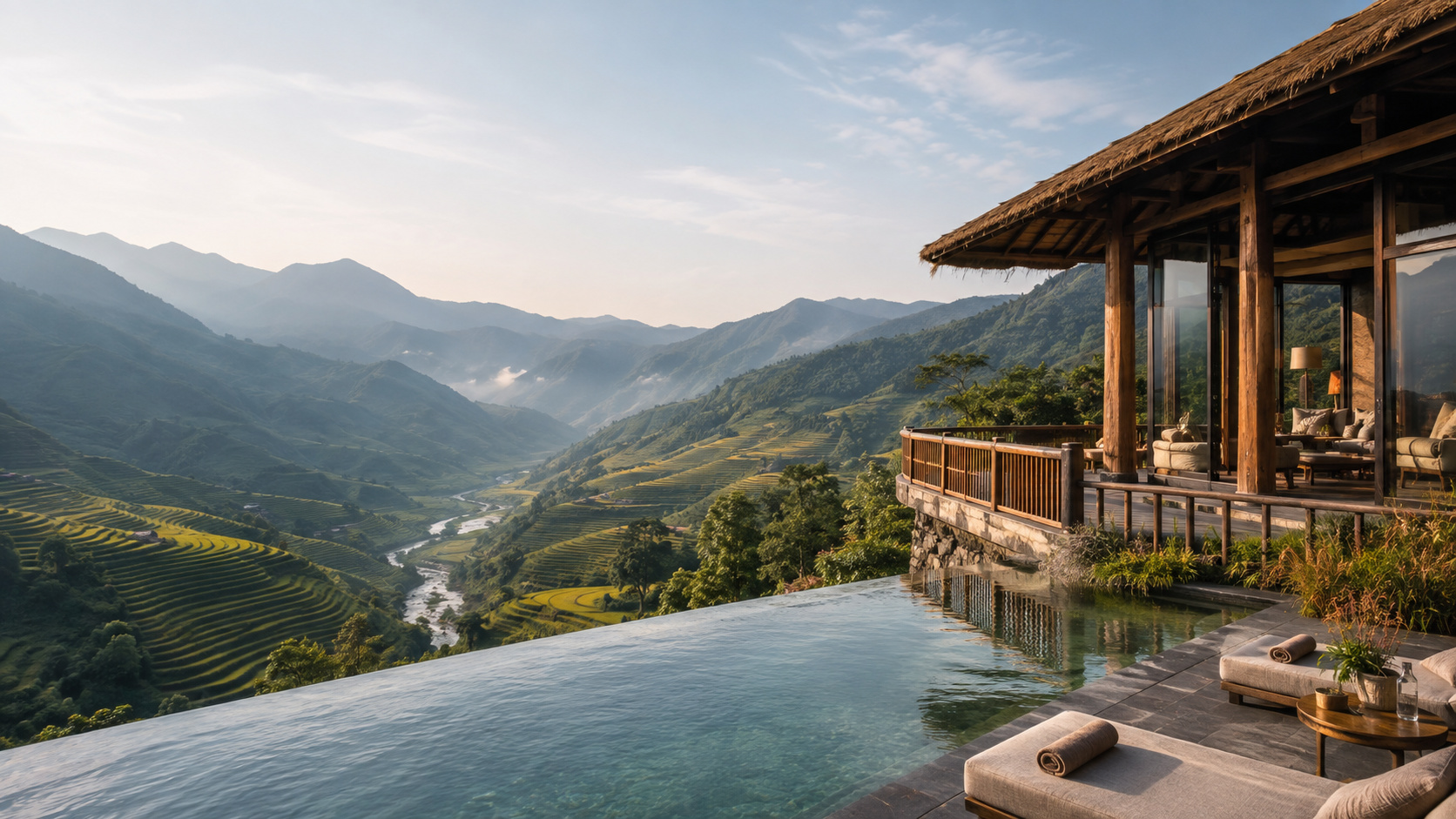

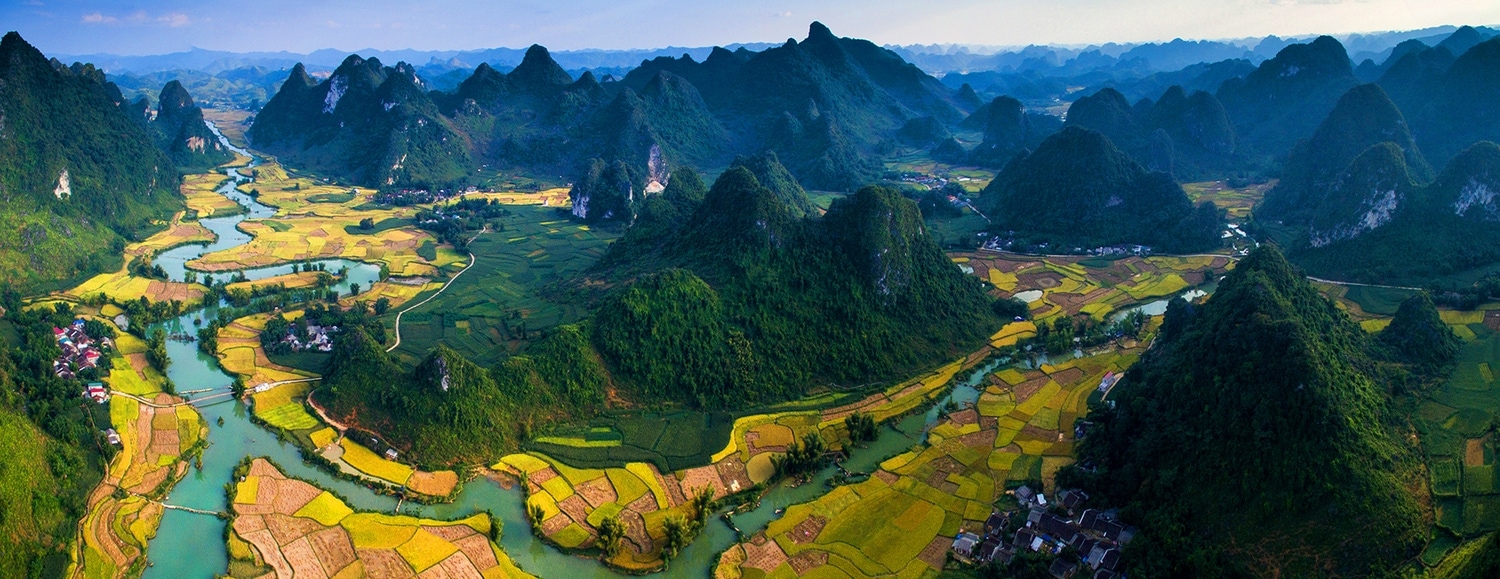
Hiking tours in Sapa can be unforgettable, but travellers should compare the details carefully before booking. Sapa is not only a mountain viewpoint. It is a region of valleys, rice terraces, local villages, shifting mist, muddy paths, market rhythm and mountain communities. A hiking route can feel gentle, moderate or demanding depending on distance, weather, elevation and trail surface. The best tour is not automatically the longest one. It is the one that matches the traveller’s body, curiosity and respect for local life. These fifteen things help compare hiking options with more confidence.
Compare trail level before scenery
Many travellers choose a Sapa hike because of photos, but trail level matters more than the image. A beautiful route can still feel difficult if it includes slippery slopes, long descents, narrow terrace paths or too much walking after a long transfer from Hanoi. Travellers should ask how the trail feels underfoot, how many hours are spent walking and what happens if the weather changes. Sapa hiking is most rewarding when the route leaves energy for observation.
Thing one: compare daily walking hours
Ask how many hours are spent walking, not only how many kilometers appear on the itinerary. Mountain paths can make distance feel very different.
A Sapa trekking guide can help travellers understand route types before choosing a hiking tour.
Thing two: compare surface and slope
Mud, stone paths, rice terrace edges, uphill sections and long downhill routes change difficulty. A route should match the traveller’s balance and footwear.
Compare guide quality and cultural sensitivity
A Sapa hiking tour is not only about landscape. The guide helps travellers understand farming, local communities, seasonal work, textiles, village life and respectful behavior. Villages are homes, not tourist displays. A good guide should help visitors ask before photographing people, move gently through local spaces and understand what they are seeing. Without guidance, the hike may become scenic but shallow. With the right guide, the valley becomes more human and memorable.
Thing three: compare local knowledge
A strong guide should explain crops, seasons, village life and local customs, not only lead the path.
A Sapa trekking local tips guide can help travellers avoid rushed or uncomfortable village experiences.
Thing four: compare language and storytelling style
Some guides are practical route leaders. Others are strong storytellers. Choose the style that fits your purpose.
Thing five: compare group size
Smaller groups often move more smoothly, ask better questions and create less disruption in village areas.
A quiet group can notice more.
A large group may turn the path into a schedule.
Sapa rewards attention more than speed.
Compare season, clothing and backup options
Weather changes the hiking experience. A clear day may reveal wide valley views. Mist can create atmosphere. Rain can make paths muddy and more difficult. Travellers should not book based only on ideal photographs. They should ask what the route looks like in the chosen month, what clothing is needed and whether the guide can adjust the plan. A responsible hiking tour includes realistic preparation.
Thing six: compare the best time for your goal
Golden rice terraces, green fields, clear skies and cooler air may appear in different periods. Choose timing by what matters most.
A Sapa trekking timing guide can help connect season with scenery and trail comfort.
Thing seven: compare rain plans
Ask whether the route can be shortened, rerouted or softened in wet conditions.
Thing eight: compare equipment advice
Shoes, rain protection, layers, water and a small day bag can change comfort dramatically.
Thing nine: compare hotel and transfer timing
A demanding hike should not begin immediately after a tiring travel night unless the traveller is ready.
Thing ten: compare recovery time
A calm evening or gentle next morning helps the body absorb the experience.
Compare how the hike fits the wider Vietnam route
Sapa should strengthen the itinerary, not overload it. A hiking tour can work beautifully after Hanoi, before Halong Bay or as part of a longer northern route. But it should not be squeezed between tight domestic flights or repeated early starts. Travellers should compare not only the hiking day but also how Sapa connects with arrival, departure and the rest of Vietnam. A good route makes the mountain chapter feel intentional.
Thing eleven: compare transport from Hanoi
Train, road transfer and private vehicle options create different levels of comfort and timing.
A Sapa trekking itinerary guide can help place Sapa inside a realistic northern route.
Thing twelve: compare village focus
Some routes are more scenic. Others are more cultural. The best choice depends on whether travellers want views, local life or both.
Thing thirteen: compare meal quality
A simple local lunch can become a highlight if it is well placed and connected to the day.
Thing fourteen: compare private and shared formats
Private hiking gives better control over pace. Shared tours can be social and affordable if group size is reasonable.
Thing fifteen: request a route matched to your body
A tailored Sapa hiking tour with local support can align trail level, guide, transport and recovery time.
Hiking tours in Sapa should be compared by trail level, guide quality, season, group size, equipment, transport and itinerary fit. The best route is not the hardest or most photographed one. It is the one that lets travellers walk with attention, respect and enough comfort to enjoy the mountain region properly. With the right preparation, Sapa becomes more than a scenic stop. It becomes a living northern Vietnam experience.
Tradition Việt
Hotline: (+84) 967 04 88 91 / (+84) 376 304 008
Email: info@traditionviet.com
Adresse: CT2A Hanoi Homeland