
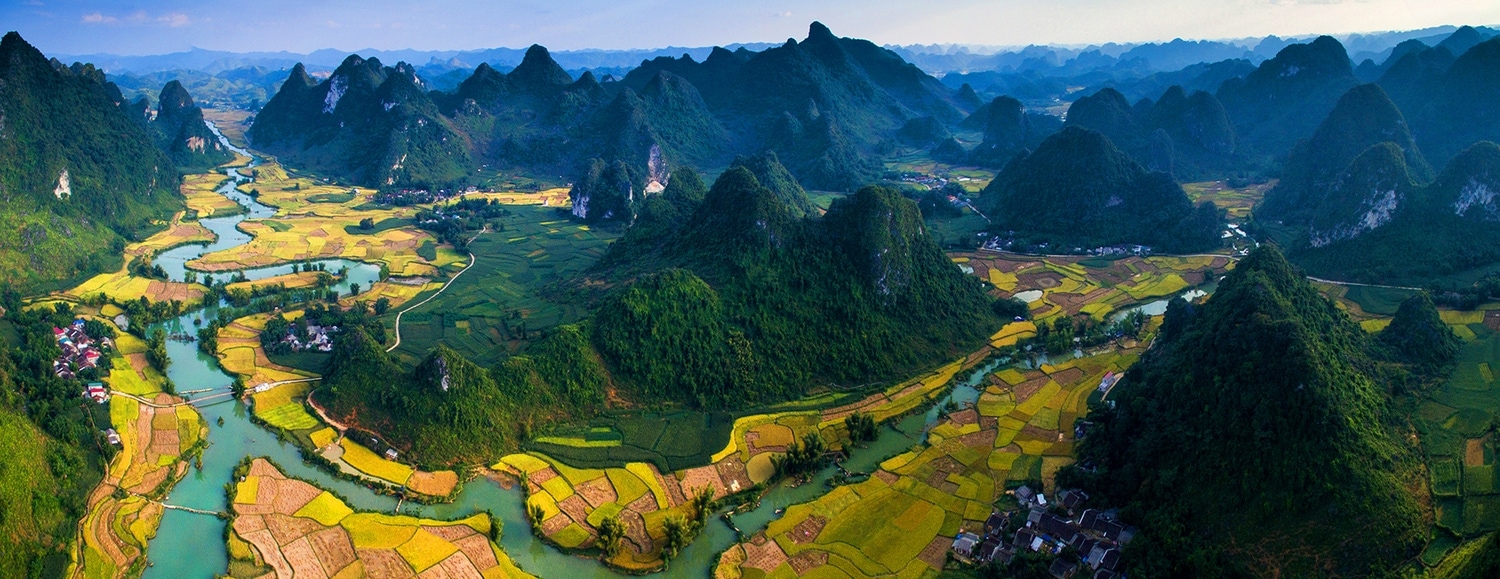
Hiking tours in Sapa can add a completely different texture to a Vietnam trip. After cities, bays, beaches or old towns, Sapa brings mountains, valleys, rice terraces, local villages, morning mist and paths that make travellers slow down. The experience is physical, but it should not be treated only as outdoor exercise. Hiking in Sapa can connect scenery with culture, farming rhythm, local guidance and northern mountain life. The route must be chosen carefully, because ability, weather and trail conditions matter. These twelve reasons show why Sapa hiking can be a meaningful addition when planned responsibly.
Sapa gives the itinerary a mountain chapter
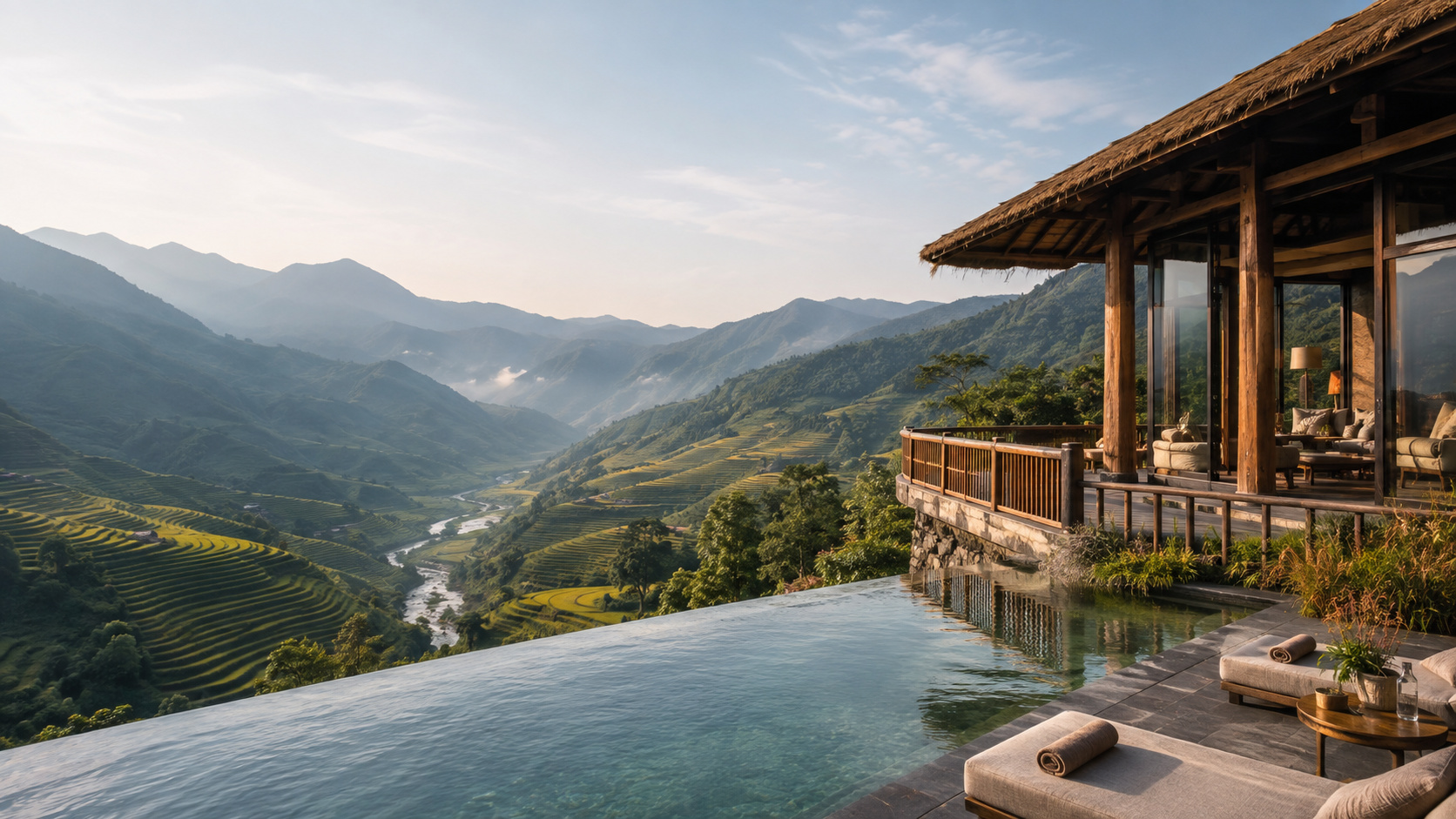
Vietnam is often associated with cities, food, coast and heritage, but its northern mountains create another kind of memory. Sapa offers height, air, terrace views and village routes that feel far from urban sightseeing. Adding Sapa can make a Vietnam itinerary more varied. It gives travellers time to move through landscape at human speed. A hiking tour allows the destination to unfold gradually: valley, field, path, home, market, ridge and cloud.
Reason one: the scenery changes the pace of the trip
A hike naturally slows travellers down. Instead of moving from monument to monument, they follow paths, rest at viewpoints and notice small changes in light and landscape.
A Sapa trekking guide can help travellers understand trail types before adding Sapa to the route.
Reason two: rice terraces create strong seasonal emotion
Terraces can look different by season: water, green growth, golden harvest or quiet post-harvest fields. This makes timing part of the experience.
Hiking makes local context more visible
Sapa’s value is not only visual. Hiking routes pass through places where farming, family life, textiles, local markets and mountain paths are part of daily reality. A guide can explain what travellers are seeing and help them behave respectfully. Villages are not staged attractions. They are living communities. A responsible hiking tour should protect dignity, avoid intrusive photography and support better understanding. The guide’s role is essential because culture, landscape and etiquette meet on the trail.
Reason three: local guiding adds meaning
A local guide can explain crops, village life, language groups, textiles, farming seasons and how mountain communities relate to the land.
A Sapa trekking local story guide can help travellers avoid shallow or uncomfortable village experiences.
Reason four: hiking encourages respectful travel
Walking through villages gives travellers time to understand that these are homes, not open-air displays. Respectful pacing matters.
Reason five: simple meals can become memorable
A local lunch after walking may feel more meaningful than a formal meal because it arrives with hunger, context and landscape.
This kind of memory is quiet but strong.
It often stays longer than a viewpoint photo.
Reason six: trails help travellers meet northern Vietnam differently
The mountain north feels distinct from Hanoi, Halong Bay or central Vietnam. Hiking creates a richer national contrast.
The experience can be adapted to many levels
Sapa hiking does not need to be extreme. Routes can be short, moderate or more demanding depending on distance, elevation, surface and weather. Families may choose gentle village walks. Active hikers may choose longer valley routes. Photographers may prefer slower trails with better light. Couples may want scenic calm and private pacing. The key is honesty about ability. A good hiking tour should match the traveller rather than forcing a standard challenge.
Reason seven: route difficulty can be adjusted
A half-day walk, full-day hike or multi-day trek can create different levels of immersion. Travellers should choose what their body can enjoy.
A Sapa trekking itinerary guide can help place hiking time inside the northern route.
Reason eight: private pacing can improve comfort
Private or small-group hiking allows more control over speed, rest stops, photo pauses and route changes.
Reason nine: weather becomes part of the planning
Mist, rain, mud, cool air and strong sun can all shape the day. Preparation makes the experience safer and more enjoyable.
Reason ten: Sapa can pair well with Hanoi and Halong Bay
A northern route can combine Hanoi’s food and culture, Halong Bay’s water scenery and Sapa’s mountain walking.
Sapa rewards travellers who allow enough time
Sapa should not be squeezed carelessly into an already packed itinerary. The journey from Hanoi, arrival timing, trekking day and return movement need space. If travellers rush Sapa, they may spend more time transferring than experiencing the mountains. The destination rewards those who allow enough margin to arrive, walk, rest and continue. The best Sapa chapter feels grounded, not forced.
Reason eleven: the mountain stay benefits from recovery time
After a hike, travellers should have a calm evening or gentle next morning. This protects the body and the memory.
A Sapa trekking timing guide can help match hiking plans with season and route order.
Reason twelve: local support helps the route fit properly
A tailored Sapa hiking tour with local support can align trail level, guide, transport, hotel and recovery time.
Hiking tours in Sapa are worth adding when travellers want Vietnam to include mountains, villages and slower movement. The experience brings rice terraces, local context, seasonal scenery, simple meals, northern contrast and physical connection to the landscape. It should be planned responsibly, with honest route difficulty, respectful guiding and enough time for arrival and recovery. When Sapa is fitted well into the itinerary, it becomes one of the most human and atmospheric chapters of the trip.
Tradition Việt
Hotline: (+84) 967 04 88 91 / (+84) 376 304 008
Email: info@traditionviet.com
Adresse: CT2A Hanoi Homeland