

Heritage tours in Vietnam become more valuable when travellers look beyond famous monuments. Vietnam’s heritage appears in imperial architecture, old trading towns, craft villages, temples, traditional houses, food, music, family rituals, river landscapes and local production. A traveller can visit many sites and still miss the deeper meaning if the route is too rushed or poorly explained. The best heritage journey connects places into a story. It shows how memory, landscape and daily life still meet. These seven tips help travellers get more from Vietnam’s cultural route without turning the trip into a heavy museum schedule.
Build the heritage route around a clear story
A heritage itinerary needs a spine. Central Vietnam often provides a natural one, with Hue’s imperial memory, Hoi An’s old-town atmosphere and nearby cultural or craft experiences. Northern Vietnam can connect Hanoi, craft villages, Ninh Binh and Halong Bay. A wider route may compare several forms of heritage across the country. The important point is connection. Each stop should add context rather than repeat the same kind of visit. A good story makes the route easier to remember.
Tip one: choose one main heritage focus
Decide whether the trip should focus on imperial history, old towns, craft culture, religious spaces, food heritage or a wider national overview. This helps avoid a scattered route.
A Hue travel guide can help travellers understand why Hue often becomes a strong anchor for cultural routes.
Use guides where interpretation matters
Heritage needs explanation. A tomb, citadel, pagoda, old house, craft kiln or village workshop may be visually interesting, but its value grows when someone explains how it was built, used, changed and remembered. A good guide should not overload travellers with facts. They should connect architecture, people, symbols and local life. The guide’s role is to make heritage human. Without interpretation, travellers may only collect photos. With the right guide, a quiet courtyard or handmade object can become meaningful.
Tip two: invest in strong guiding for key sites
Hue, Hanoi, Hoi An, My Son, craft villages and religious spaces often deserve guided explanation. The guide helps travellers understand what is not obvious at first glance.
A Hue guided tour guide can help show where explanation changes the experience.
Tip three: ask for stories, not only dates
Dates matter, but stories stay in memory. Ask guides to explain people, rituals, daily use, restoration, local beliefs and the meaning of design.
A heritage day should feel alive.
It should not become a list of names that travellers forget by dinner.
Tip four: keep the walking pace realistic
Heritage sites often involve heat, courtyards, steps, uneven paths or long standing time. A well-paced day includes shade, water and pauses.
Add living culture to balance monuments
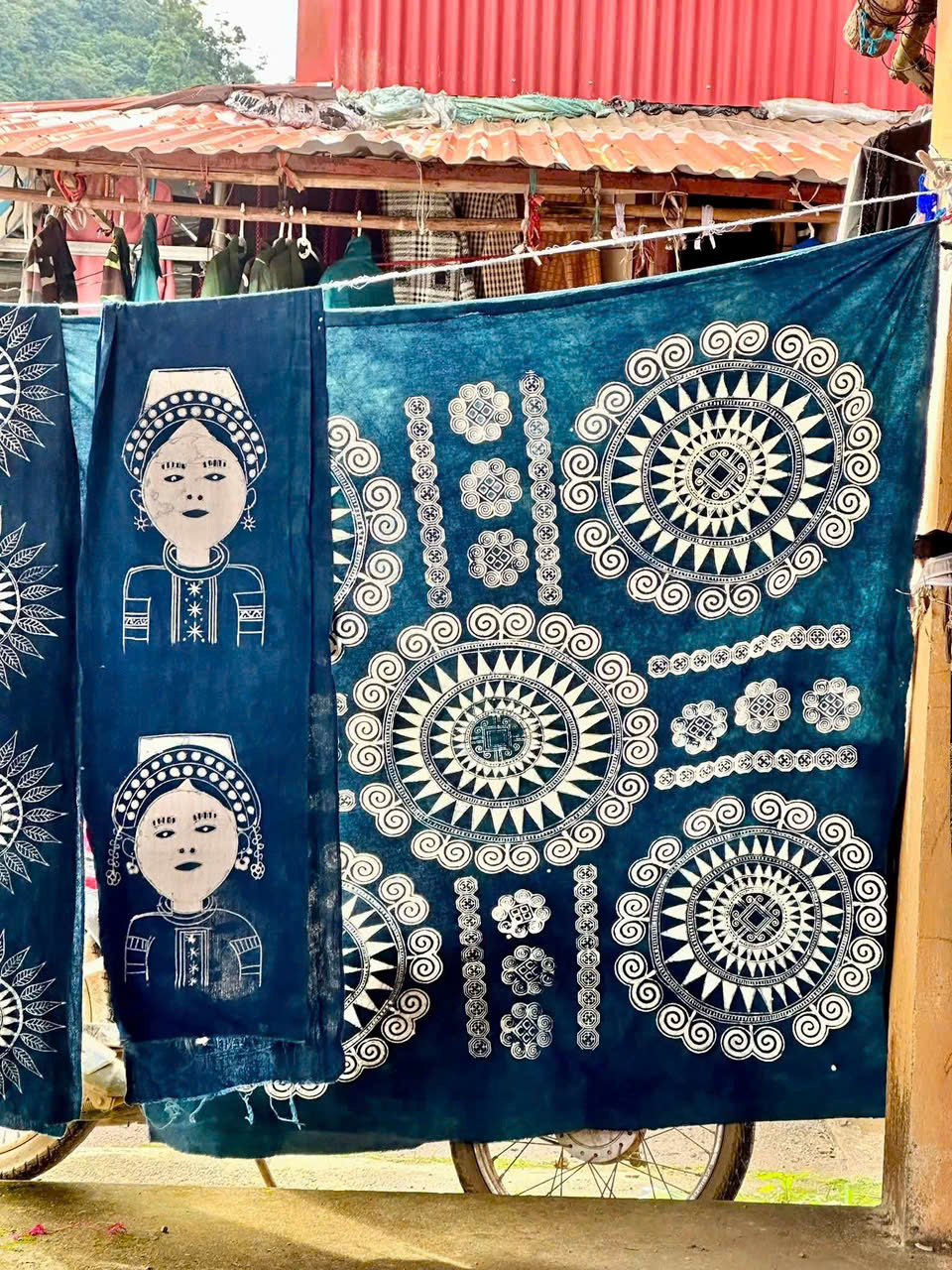
Heritage is not only preserved walls. It is also food, craft, music, family recipes, ceremonies, market habits and traditional skills. A strong itinerary includes at least one living cultural experience, such as a craft workshop, local meal, market visit or performance. These experiences show how tradition continues in daily life. They also make the route more sensory and less formal. Travellers understand more when they can taste, touch, watch and ask questions.
Tip five: include one craft or local production stop
A craft village or workshop can reveal materials, patience and family knowledge. It adds texture beyond architecture.
For example, traditional ceramics in Phu Lang can help travellers connect heritage with skilled local hands.
Tip six: use food as heritage
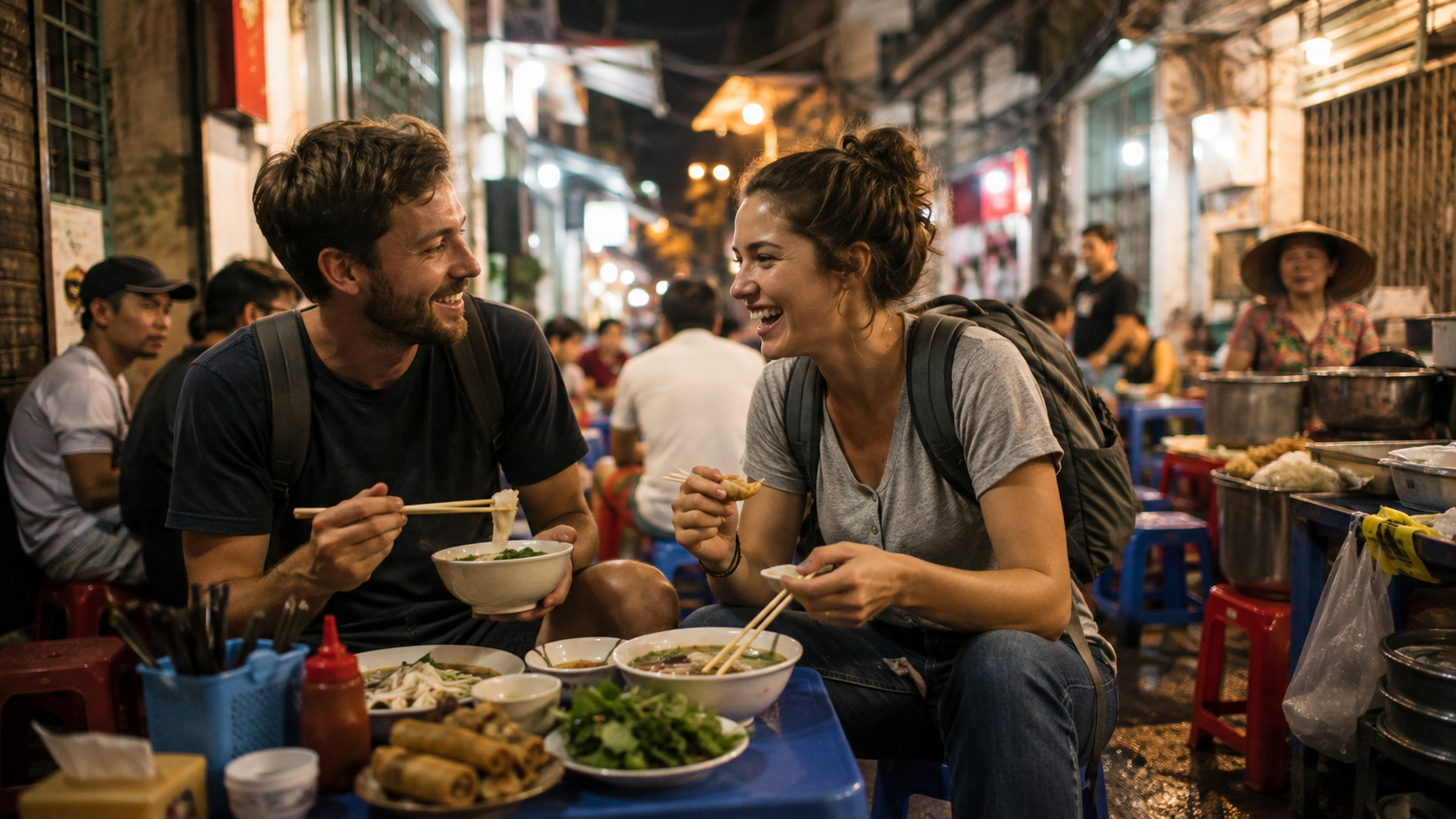
Regional dishes can carry memory, migration, climate and family habits. Hue cuisine, Hoi An noodles or Hanoi street food can deepen the cultural route.
Tip seven: request a route that balances depth and comfort
A tailored Vietnam local experiences plan can combine heritage sites, craft, food, guides and rest time more coherently.
Heritage tours in Vietnam give more value when they are planned as a connected cultural story. Choose a focus, use guides where interpretation matters, ask for human stories, pace walking days carefully and include living culture through craft or food. Vietnam’s heritage is not frozen in old buildings. It continues in kitchens, workshops, villages, rituals, streets and family memory. When the route brings these layers together, travellers understand more and remember the journey more clearly.
Tradition Việt
Hotline: (+84) 967 04 88 91 / (+84) 376 304 008
Email: info@traditionviet.com
Adresse: CT2A Hanoi Homeland