

Heritage tours in Vietnam are most rewarding when they are connected as a route rather than collected as separate monuments. Vietnam’s heritage appears in imperial cities, old trading ports, craft villages, temples, traditional houses, cuisine, music, river landscapes and daily customs. A traveller can visit several famous places and still miss the meaning if the itinerary moves too quickly or lacks explanation. A coherent heritage route should show how history, landscape and living culture relate to one another. The goal is not to stand in front of old walls only. It is to understand how memory remains visible in streets, meals, materials and local life.
Choose a heritage spine
A heritage route needs a spine. Central Vietnam often works beautifully because Hue, Hoi An and nearby cultural sites create a natural sequence. Northern Vietnam can connect Hanoi’s old quarters, craft villages, Ninh Binh and Halong Bay. A wider national route can link north, central and south through different forms of memory. The important point is connection. Each stop should deepen the previous one or create meaningful contrast. Without a spine, heritage touring becomes a list of disconnected visits.
Idea one: Build the route around one main heritage region
Central Vietnam is often the most natural focus for heritage travellers. Hue brings imperial memory, Hoi An brings trading-port atmosphere and nearby villages can add craft and food culture.
A Hue travel guide can help travellers understand why Hue deserves time rather than a quick pass-through.
Let the guide turn sites into stories
Heritage needs interpretation. A citadel, tomb, old house, temple, village kiln or wooden hall may be visually interesting, but the deeper value comes through stories: who built it, how it was used, what changed and how local people relate to it now. A good guide does not overwhelm travellers with facts. They create a human bridge between place and visitor. Guided explanation is especially useful where symbolism, dynastic history, religious practice or craft technique may not be obvious.
Idea two: Use guided interpretation where context matters
Hue, Hanoi’s old quarters, craft villages and traditional cultural sites are much stronger with explanation. A guide can make architecture, ritual, food and local memory easier to understand.
A Hue guided tour guide can help travellers see how guided context changes the experience.
The guide should also help with pacing.
Heritage visits can become tiring if every stop is treated like a lecture.
A good day alternates explanation, walking, rest and local flavor.
Add living heritage, not only monuments
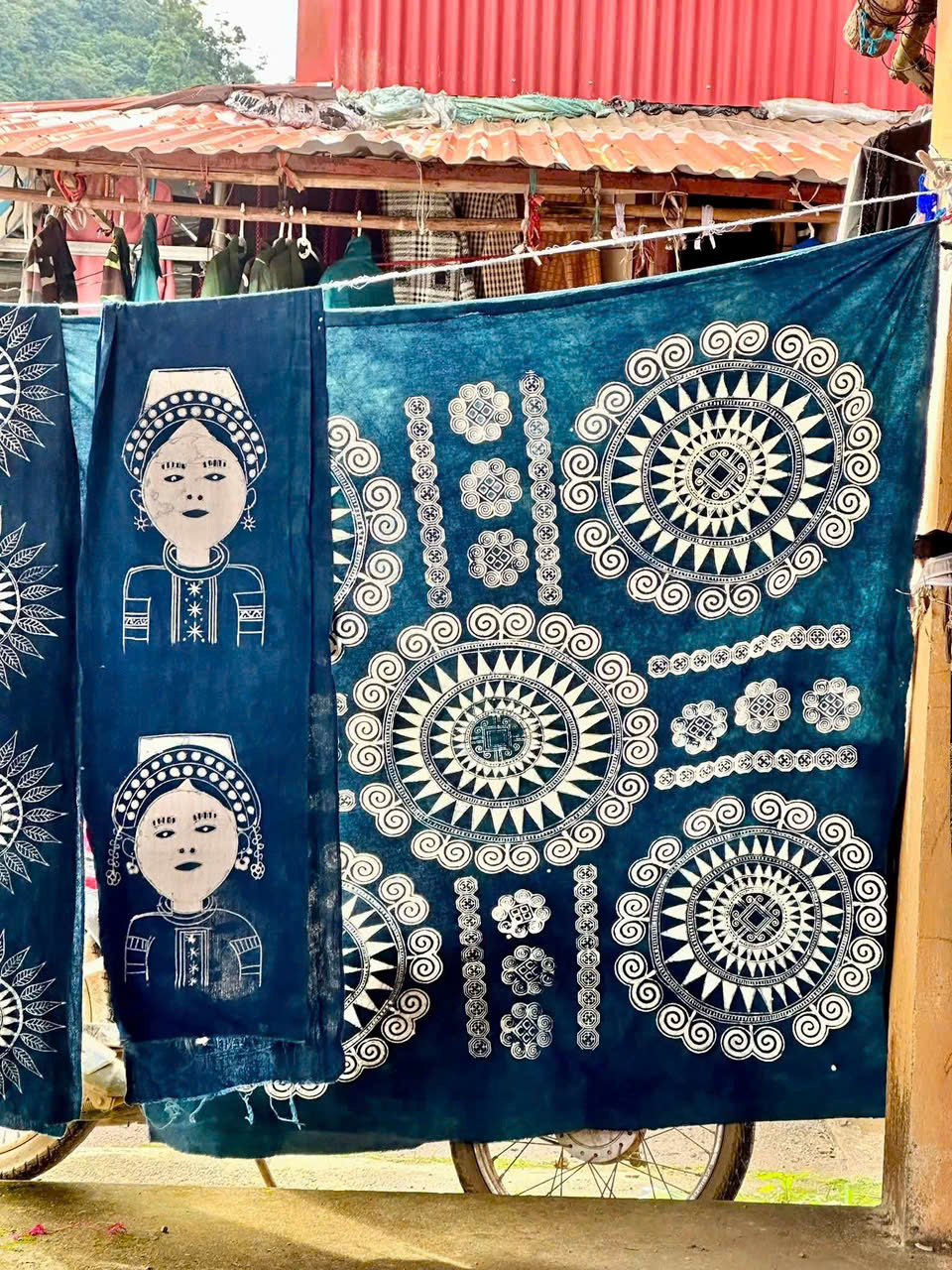
Heritage is alive in ceramics, food, music, markets, family houses, local craft and religious practice. A coherent route should include at least one living cultural experience so travellers do not see Vietnam only through preserved buildings. This can be a craft village, a cooking experience, traditional performance, family workshop or market visit. These moments help connect past and present. They also make the itinerary feel less heavy.
Idea three: Include craft or local experience as a bridge
A craft stop can reveal patience, materials and regional identity. It gives the route texture beyond stone, brick and royal architecture.
For example, traditional ceramics in Bac Ninh can show how material culture carries local memory through skilled hands.
Living heritage should be selected carefully.
It should not feel like a souvenir stop disguised as culture.
Travellers should have time to ask questions, watch technique and understand why the craft matters.
Balance heritage depth with travel comfort
Heritage tours can become mentally and physically dense. Temples, tombs, old towns, museums and monuments all require attention. A coherent route protects rest, meals and lighter moments. A riverside lunch, local coffee, beach pause or scenic drive can help travellers process what they have seen. The strongest heritage itinerary does not force solemnity all day. It lets history breathe beside everyday pleasure.
Idea four: Connect heritage with food, landscape and pause
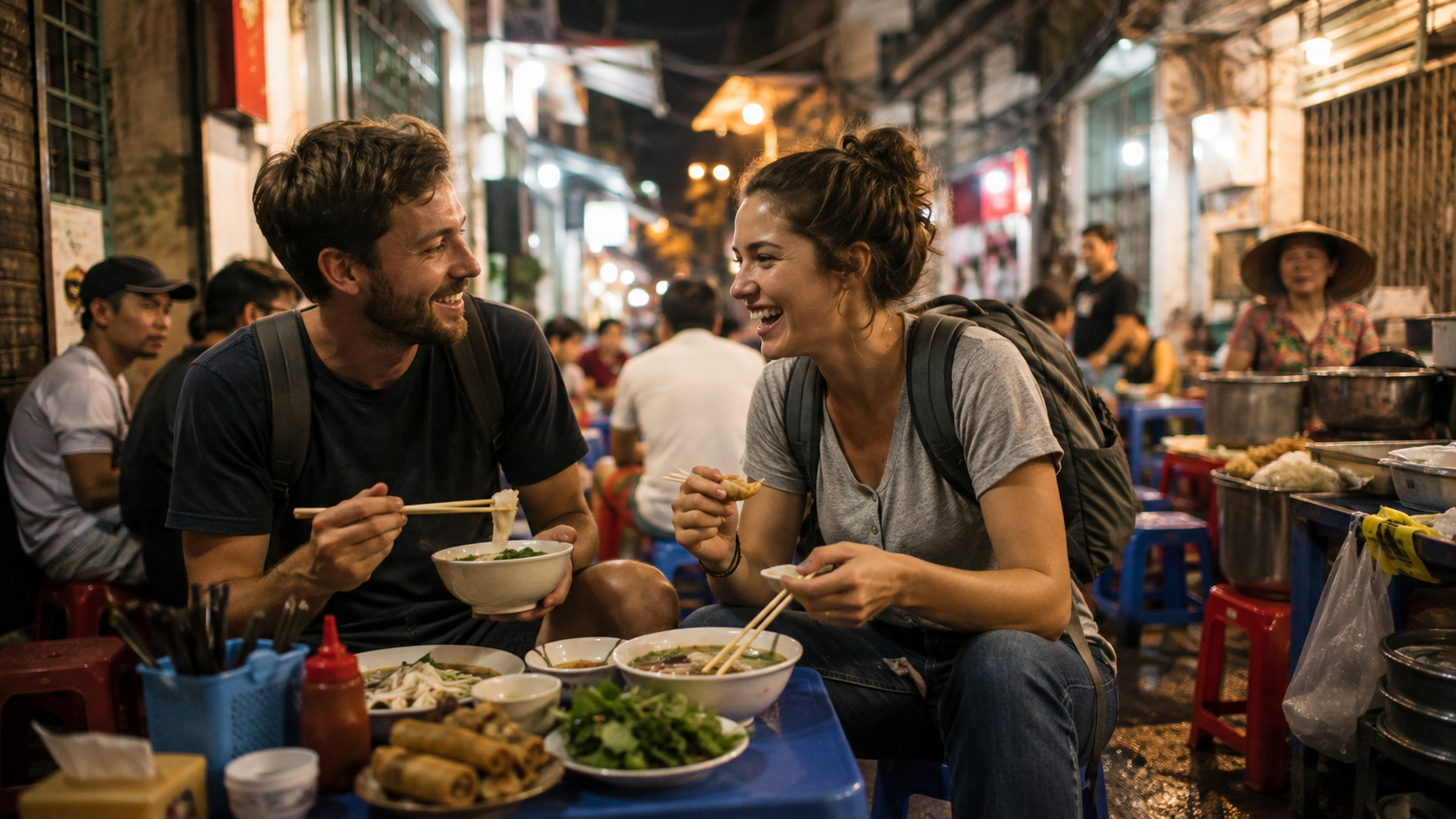
A Hue heritage day may include local cuisine. A Hoi An old-town visit may end with an evening walk. A northern heritage route may pair craft with countryside.
A Vietnam local experiences guide can help travellers add cultural texture without overloading the route.
A route that includes Halong Bay or Ninh Binh can also balance built heritage with landscape heritage.
This contrast keeps the journey from feeling too museum-like.
A coherent heritage route should end with memory, not exhaustion.
Heritage tours in Vietnam become stronger when they follow a clear spine, use guided interpretation, include living culture and balance depth with comfort. Vietnam’s heritage is not only in monuments. It lives in food, craft, old neighborhoods, imperial memory, religious practice, river landscapes and the way people still use inherited spaces. A thoughtful route helps travellers see these connections instead of rushing from site to site. When heritage is given time and context, Vietnam’s past feels present rather than distant.
Tradition Việt
Hotline: (+84) 967 04 88 91 / (+84) 376 304 008
Email: info@traditionviet.com
Adresse: CT2A Hanoi Homeland