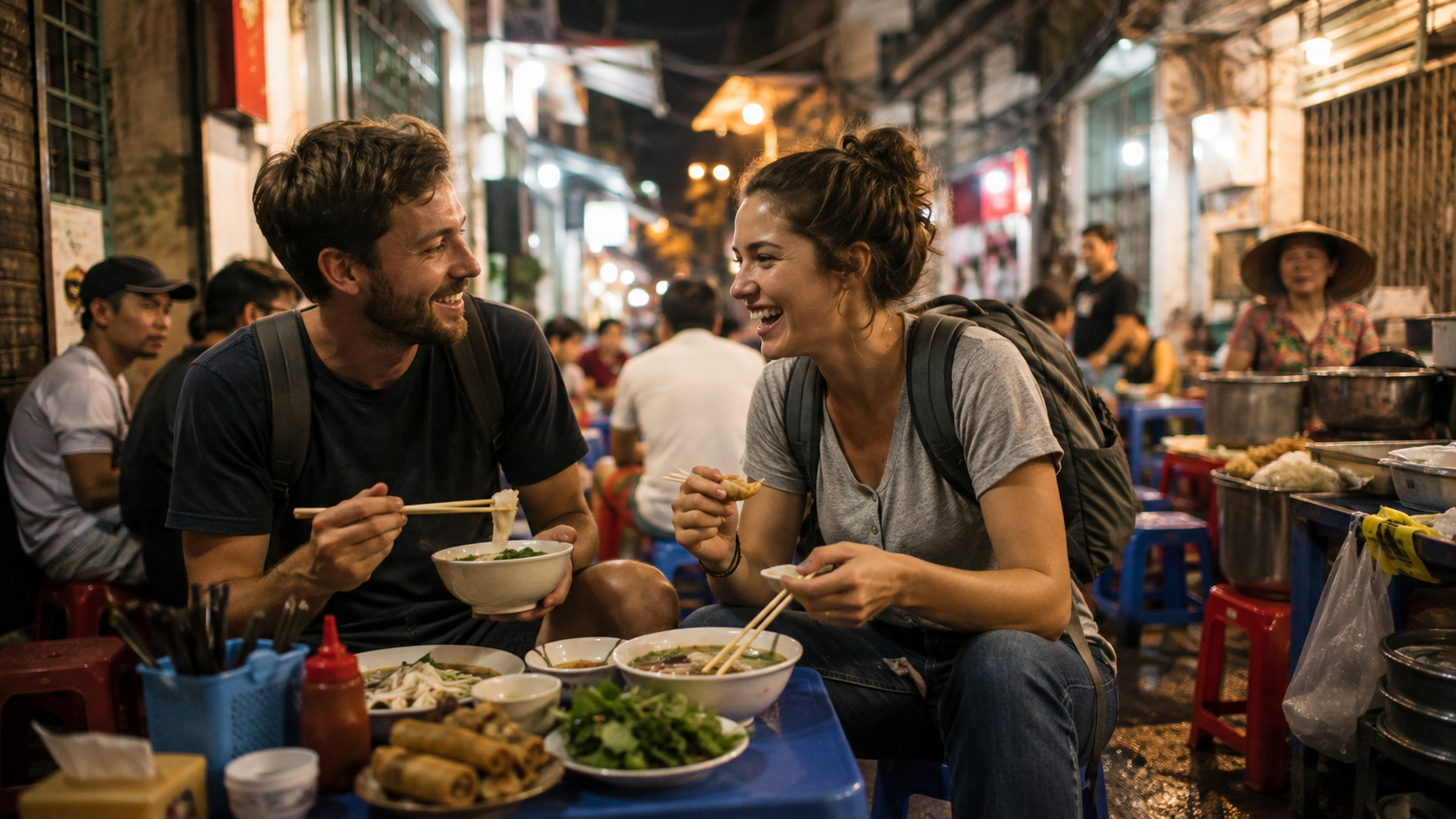


Hanoi Old Quarter is easy to enter but not always easy to read. First-time travelers often arrive expecting a compact historic district, then find themselves surrounded by scooters, shop signs, food smoke, narrow pavements, tiny cafés, markets, and streets that seem to change character every few minutes. The area is exciting precisely because it is alive, but that same energy can feel confusing without a little preparation.
This hanoi old quarter guide experience gathers practical advice for travelers who want to enjoy the district with more confidence. It is not about making the Old Quarter neat or predictable. It is about knowing how to move through it, what to avoid, where to slow down, and how to turn small street-level moments into one of the most memorable parts of a Hanoi journey.
Experience-Based Tips for Visiting Hanoi Old Quarter
A better Old Quarter visit often comes from small decisions: starting at the right time, choosing fewer stops, crossing streets calmly, taking café breaks, and accepting that the district works by its own logic. Travelers who try to control every minute usually feel tired quickly. Travelers who use a loose plan and stay observant tend to enjoy the area much more.
Start with orientation, not a checklist
Before diving into the smallest streets, begin near Hoan Kiem Lake or another clear landmark. This gives you a mental anchor and makes the Old Quarter feel less like a maze. From there, choose a simple direction and allow short detours, rather than forcing yourself through a long list of streets and food stops.
Walk slowly and let the district reveal itself
The Old Quarter rewards a slower pace. Many of its best details are not announced by signs or ticket counters: a small shrine behind a shopfront, a balcony covered with plants, a tailor measuring fabric in a doorway, a coffee shop hidden upstairs, or a street vendor balancing baskets through traffic. These moments are easy to miss if you treat the area like a route to complete.
Walking slowly also makes the traffic easier to understand. At first, scooters may seem to move without order, but there is a local rhythm. Step steadily, avoid sudden movements, and watch how residents cross. Confidence matters, but rushing does not. A calm crossing is usually safer than hesitating halfway across the road.
Use food and coffee as natural pauses
Food should not be squeezed into the Old Quarter as an afterthought. A bowl of noodles, a small bánh mì, a cup of egg coffee, or a quiet drink above the street can become part of the experience itself. These pauses help you reset before walking again and give the district time to shift around you.
Choose food stops with care. A busy local place can be excellent, but not every crowded spot fits every traveler’s comfort level. Look for freshness, turnover, and a setting where you feel relaxed enough to enjoy the meal. If you are unsure, it is better to plan a guided food walk than to gamble every meal based on signs and online ratings.
Coffee is especially useful in the Old Quarter because it slows the day down. Sitting at a small table, watching people pass below, and listening to the street from a little distance can reveal more than another rushed turn through the crowd. In Hanoi, rest is not separate from travel; it is often where the city becomes clearer.
Mistakes to Avoid in Hanoi Old Quarter
Most mistakes in the Old Quarter come from expecting it to behave like a tidy tourist district. It is not designed around smooth sidewalks, silent streets, or perfectly marked routes. It is a working neighborhood, a food area, a shopping district, a cultural zone, and a place where local routines continue around visitors. Once you accept this, the visit becomes easier and more enjoyable.
Trying to do too much in one walk
The Old Quarter may look small, but it can drain energy quickly. Heat, traffic, narrow pavements, repeated crossings, and constant visual stimulation make even a short distance feel fuller than expected. A common mistake is trying to see the lake, market, temples, cafés, food streets, shops, and night scene all in one uninterrupted push.
A better approach is to divide the visit. Do one focused walk in the morning or late afternoon, then return later for food or evening atmosphere. This keeps the experience fresh and gives you more than one version of the district.
It also reduces decision fatigue. When travelers try to fit too many stops into one route, every street begins to feel the same. With a lighter plan, you have more attention for the details that make Hanoi memorable: the smell of grilled pork, the sound of metalwork, the color of old walls after rain, or a quiet temple courtyard just behind the traffic.
Ignoring personal comfort and pace
Not every traveler enjoys the Old Quarter in the same way. Some love crowds and street food. Others need quieter cafés, shorter walks, or a guide who can make choices easier. Ignoring your own comfort level is one of the quickest ways to turn a fascinating district into a tiring one.
Choosing only the most obvious places
The most visible places are not always the most rewarding. Restaurants on the busiest corners, souvenir shops on the loudest streets, and cafés with the brightest signs may be convenient, but they do not always give the richest experience. The Old Quarter becomes more interesting when you mix well-known stops with quieter lanes and smaller local places.
This does not mean avoiding popular areas completely. Hoan Kiem Lake, Dong Xuan Market, and central streets are popular for good reasons. The key is balance. Use the famous points as anchors, then allow room for less obvious stops between them.
If you want help building that balance, Talk to a Vietnam travel advisor before your Hanoi trip. Tradition Việt can connect the Old Quarter with food walks, local culture, and wider city touring through /en/hanoi-tours/, so your experience feels personal rather than copied from a standard checklist.
FAQ
Is Hanoi Old Quarter difficult for first-time visitors?
It can feel intense at first because of traffic, narrow streets, crowds, and constant movement. With good timing, short walking sections, and realistic expectations, most travelers find it rewarding.
What is the biggest mistake tourists make in Hanoi Old Quarter?
The biggest mistake is trying to do too much too quickly. The district is best enjoyed with a loose plan, regular pauses, and enough time to notice small details.
Is street food safe in Hanoi Old Quarter?
Many travelers enjoy street food safely, but it is wise to choose busy places with good turnover and fresh preparation. A guided food experience can help if you are unsure where to eat.
How should I cross streets in the Old Quarter?
Cross calmly and steadily, avoid sudden movements, and watch how local residents move. Do not run or stop abruptly in the middle of the road.
Should I book a guide for Hanoi Old Quarter?
A guide is useful if you want food recommendations, cultural context, easier navigation, or a route matched to your comfort level and travel interests.
Can older travelers enjoy Hanoi Old Quarter?
Yes, but the visit should be planned with shorter walks, café breaks, comfortable timing, and transport support where needed.
The best Old Quarter experiences are not always the most dramatic ones. They are often the moments when you stop trying to control the district and begin to move with it: one careful street crossing, one good bowl of noodles, one slow coffee, one old doorway noticed at the right time. With patience and a practical plan, the Old Quarter becomes less overwhelming and far more rewarding.
To shape your Hanoi visit around your comfort, curiosity, and travel pace, Talk to a Vietnam travel advisor. Tradition Việt can help you avoid common mistakes and create an Old Quarter experience that fits naturally into your wider Vietnam journey.