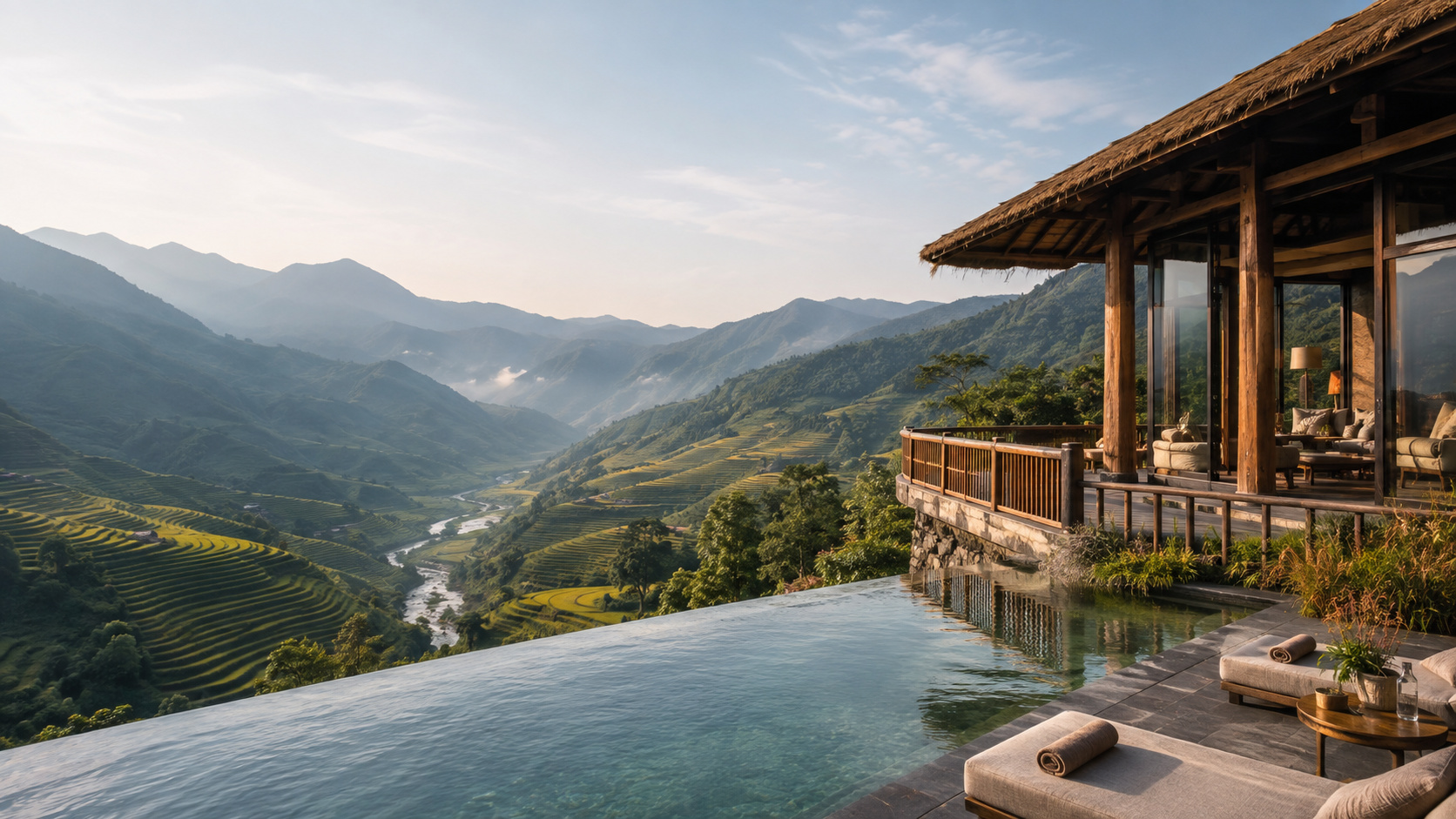

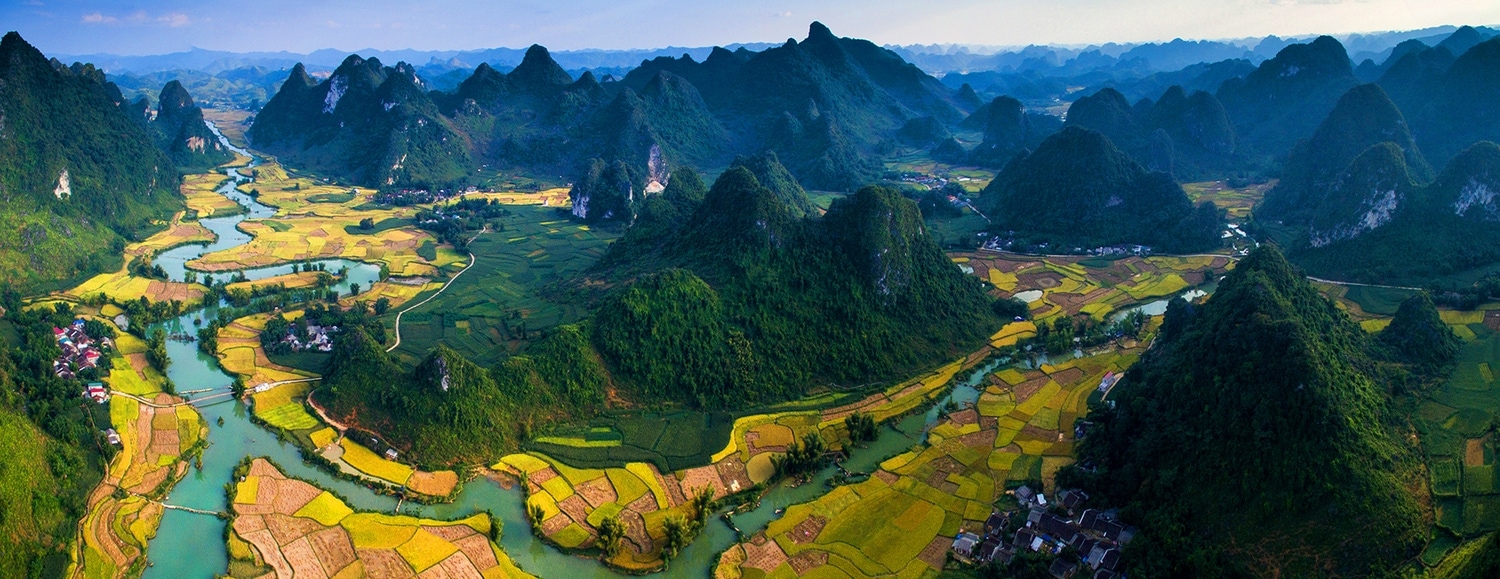
Guided trekking in Sapa should be planned with more care than many travellers expect. The landscape looks soft from a distance: rice terraces, valleys, mist, small villages and mountain paths. But on the ground, the experience depends on walking ability, trail surface, weather, guide quality and how respectfully village visits are handled. A good trek can become one of the most meaningful moments of a Vietnam trip. A poorly matched trek can become tiring, slippery or culturally shallow. Before finalizing the route, travellers should ask four useful questions. The answers help match the mountain day to the traveller rather than forcing the traveller into a generic route.
Ask what level of trekking your body can enjoy
The first question is physical, but it is not only about fitness. It is about comfort, shoes, balance, weather tolerance, patience and the ability to walk on uneven terrain. Sapa trekking can involve mud, steps, slopes, narrow paths, village roads and sudden changes in visibility. Travellers should not choose the longest route simply because it sounds more authentic. A shorter trek with time to observe may be richer than a difficult route that leaves no energy for the landscape. The right route should challenge gently without stealing the pleasure of being there.
Question one: How difficult is the trail in real conditions?
Ask about distance, elevation, surface and weather impact. A trail described as moderate may feel harder after rain. A route through terraces may be slippery in places, especially for travellers without trekking shoes.
A Sapa trekking guide can help compare walking styles before choosing the day.
Travellers should also ask whether there are easier alternatives if conditions change.
The best trekking choice is the one that allows curiosity to survive the effort.
Question two: What should I wear and carry?
Good shoes matter. So do layers, rain protection, water and a small day bag. Sapa’s mountain weather can shift quickly, and travellers should be ready without overpacking.
A guide can help suggest the right level of preparation.
For seasonal decisions, Sapa trekking timing advice can help travellers understand how the same trail may feel different across the year.
Ask what kind of guide and village experience you want
A Sapa guide should do more than lead the way. They help travellers understand terraces, farming, local communities, language, etiquette and how village life relates to tourism. This matters because trekking is not only physical. It passes through lived-in landscapes. Travellers should choose a guide who can protect both safety and respect. A route that only uses villages as scenery misses the deeper value of Sapa. The best guide helps visitors move through the landscape with humility, not as if the mountains are only a backdrop for photos.
Question three: What will the guide explain about local life?
Ask whether the guide explains farming, village customs, ethnic communities, local food, market habits and respectful behavior. This makes the trek feel human rather than decorative.
Photo etiquette should also be discussed. Ask before taking close photos of people, homes or children.
A good guide knows when to stop, when to explain and when to let silence hold the view.
They should also manage pace without making slower travellers feel embarrassed.
Question four: How should the trek fit into the wider itinerary?
Sapa should not be squeezed between heavy transfers. The journey from Hanoi, the arrival time, the trek, the overnight stay and the return plan should be connected carefully.
A Sapa trekking itinerary guide can help place trekking days in a realistic order.
If travellers arrive tired, a soft first afternoon may work better than immediate trekking.
If the route continues to Halong Bay or central Vietnam, build enough recovery time.
Let Sapa keep its mountain rhythm
Sapa is most rewarding when travellers stop trying to control every moment. Mist may hide a view and then reveal it suddenly. A muddy path may slow the day. A village conversation may become more memorable than a viewpoint. The mountain rhythm should be respected. A strong route leaves room for weather, rest, tea, lunch and small observations. Trekking is not only about reaching a point. It is about moving through a landscape that changes under your feet.
Use local support to refine the final route
When travellers are unsure about difficulty, timing or village choice, local support can help prevent a mismatch. A service such as guided Sapa trekking with local help can align walking ability, season and cultural interest.
Guided trekking in Sapa becomes more meaningful when travellers ask the right questions before finalizing the route. How hard is the trail? What should you carry? What will the guide explain? How does the trek fit into the wider itinerary? These questions protect comfort, safety and cultural respect. Sapa is not simply a scenic stop in northern Vietnam. It is a mountain landscape shaped by weather, farming and local communities. With the right guide and realistic pacing, trekking becomes a slower way to understand the highlands, one path at a time.
Tradition Việt
Hotline: (+84) 967 04 88 91 / (+84) 376 304 008
Email: info@traditionviet.com
Adresse: CT2A Hanoi Homeland