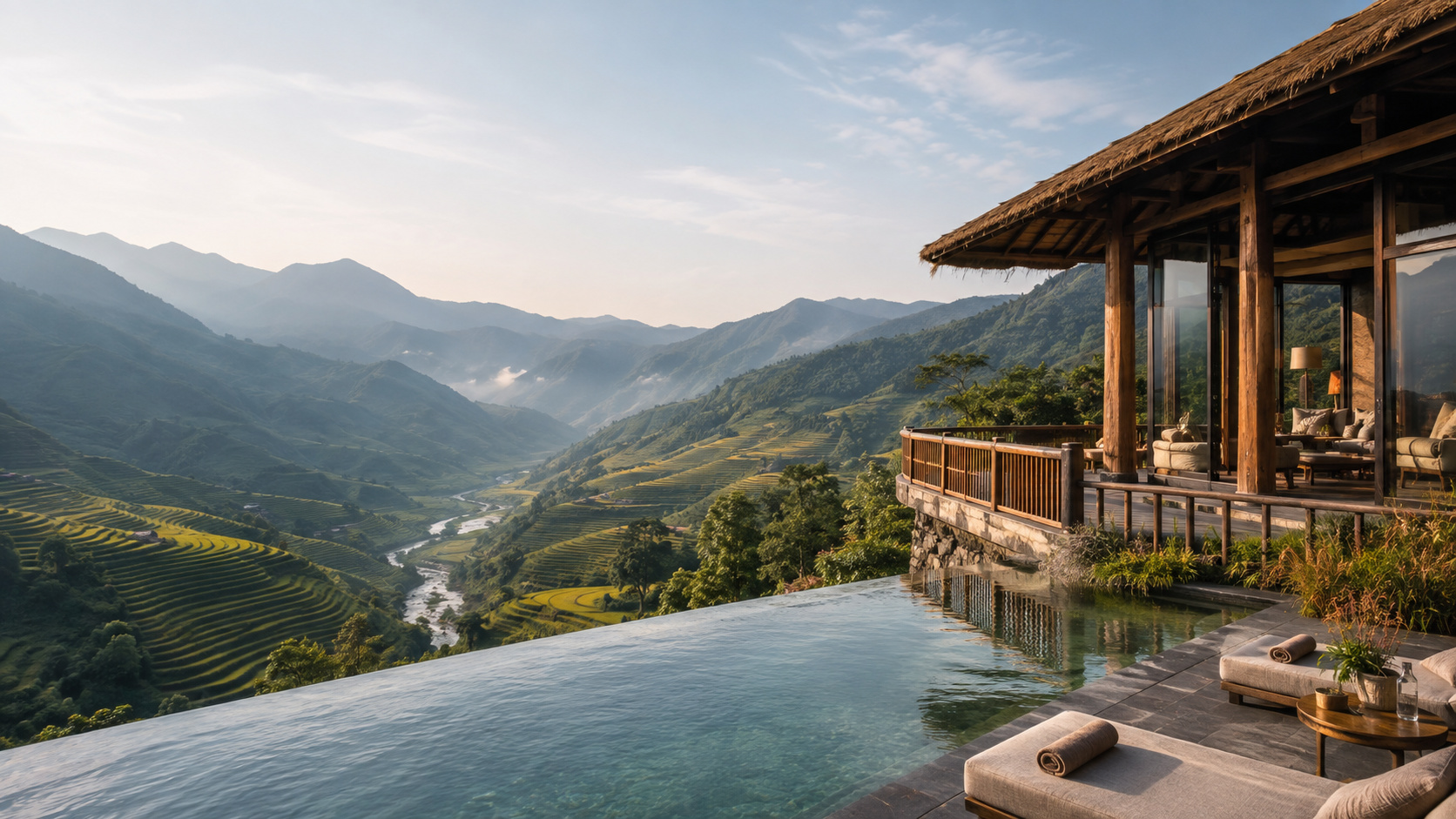

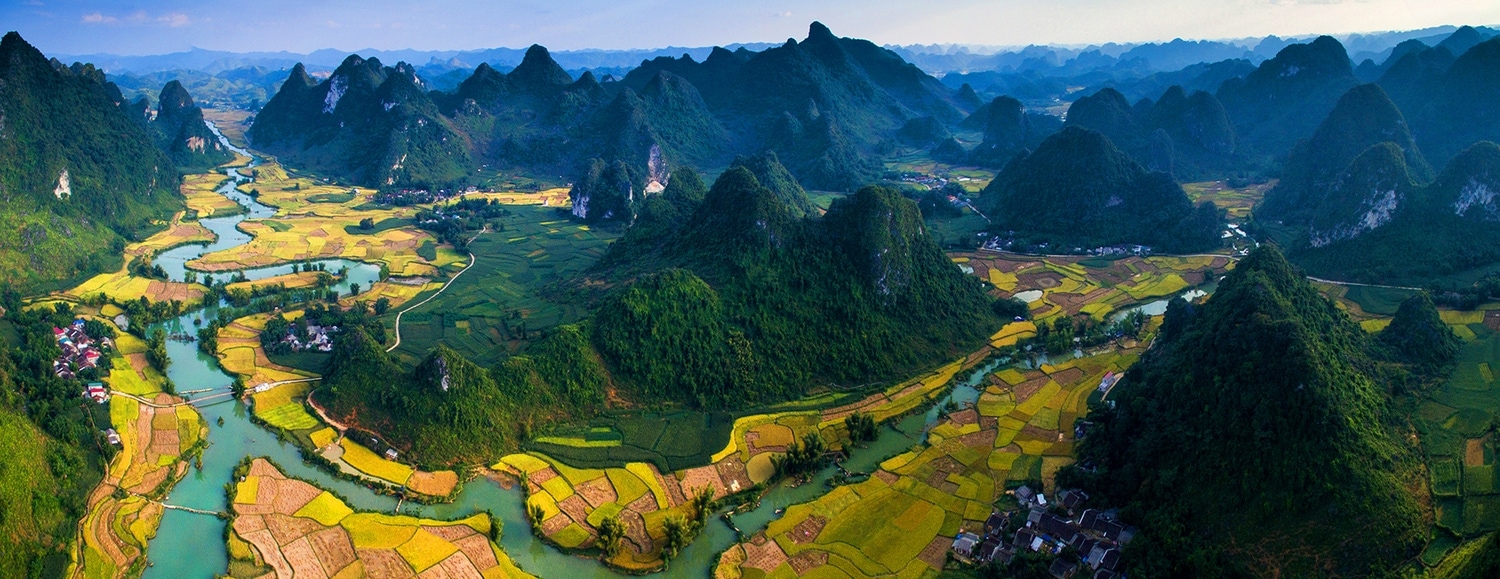
Guided trekking in Sapa is not only about walking through beautiful rice terraces. It is about entering a mountain landscape where weather, paths, villages, farming life, mist, slopes and local rhythm all shape the day. Many travellers arrive with strong expectations from photos: green valleys, soft clouds and quiet trails. The real experience can be even more memorable, but it needs preparation. Sapa asks for good shoes, realistic walking ability, the right guide, respectful village encounters and flexibility when the weather changes. The mistakes travellers make are usually not dramatic. They are small assumptions made before departure that later affect comfort, safety and the depth of the trek.
Respect the mountain before choosing the route
Sapa looks gentle from a distance, but mountain travel has its own rules. A route may pass through rice terraces, village paths, muddy slopes, small streams, narrow trails and areas where weather changes quickly. The first mistake is choosing a trek only by the beauty of the photos. A good guided route should match walking ability, season, group size and cultural interest. Some travellers want soft countryside walking; others want longer trekking with stronger physical effort. Neither choice is wrong. The problem begins when the selected route does not match the traveller’s body, shoes, time or expectations.
Mistake one: choosing the longest trek to prove something
A longer trek is not automatically a better trek. Sapa is more rewarding when travellers can look, listen and breathe rather than only push forward. If the route is too ambitious, the views may still be beautiful, but the memory becomes dominated by tired legs and slippery paths.
A better approach is to choose a route that leaves enough attention for the landscape and the people living in it. A clear Sapa trekking guide can help travellers compare route style before choosing distance.
Mistake two: ignoring shoes and weather
Shoes matter more than many travellers expect. Smooth city trainers may not work well on wet trails, clay paths or uneven village roads. Sapa trekking often involves surfaces that change during the day, especially after rain or mist.
Weather should be treated as part of the route, not as a minor note. Clouds can move quickly, paths can become slippery and views may open or disappear within minutes.
Pack layers, rain protection and a small bag that leaves your hands free. The goal is not to carry too much, but to be ready for mountain variation.
For timing decisions, Sapa trekking season tips can help travellers understand why the same trail feels different across the year.
Mistake three: assuming every village visit is the same
A village stop should not be treated as a decorative add-on. Villages around Sapa have different settings, walking access, levels of tourism and daily rhythms. A good guide helps travellers understand where they are, how to behave and what should be observed respectfully.
Let the guide protect both safety and meaning
A guide in Sapa does more than lead the way. They read the path, adjust the pace, explain farming life, help with local interaction and decide when a route needs to change. This is especially important because Sapa is not only a scenic area; it is also home to communities with their own customs, languages and livelihoods. A weak trek may move through villages without understanding them. A strong guided trek creates a more respectful encounter. Travellers should choose guiding quality carefully, because the guide shapes how the landscape becomes meaningful.
Mistake four: choosing a guide only by price
Price is important, but guide quality changes the whole trek. A strong guide knows when to slow down, how to explain terraces and crops, how to support nervous walkers and how to avoid turning village life into a performance.
They also help travellers understand local etiquette. This can include asking before taking photos, dressing respectfully, not entering private spaces casually and listening more than assuming.
Mistake five: packing the day too tightly
Trekking should not be squeezed between late arrival and early departure. If travellers arrive tired from Hanoi and walk immediately, the mountain day may feel harder than necessary.
Mistake six: forgetting that trekking is also cultural travel
Sapa trekking is physical, but it is also cultural. The best moments may happen during a quiet explanation, a lunch stop, a valley view or a conversation translated by the guide.
Travellers should not rush through these moments. They are part of the value of the trek.
If the journey needs better pacing, Sapa trekking itinerary support can help place walking days, rest and transfers in a more realistic order.
A guided trekking in Sapa experience becomes much better when travellers respect the mountain’s rhythm. Avoid choosing the longest route for the wrong reason, ignoring shoes and weather, rushing village visits or booking only by price. Sapa is not a stage set for quick photos; it is a living highland landscape shaped by farming, weather and local communities. With a good guide, realistic pacing and respectful curiosity, trekking becomes more than exercise. It becomes a way to understand northern Vietnam through terraces, paths, clouds and the people who know the valleys by heart.
Tradition Việt
Hotline: (+84) 967 04 88 91 / (+84) 376 304 008
Email: info@traditionviet.com
Adresse: CT2A Hanoi Homeland