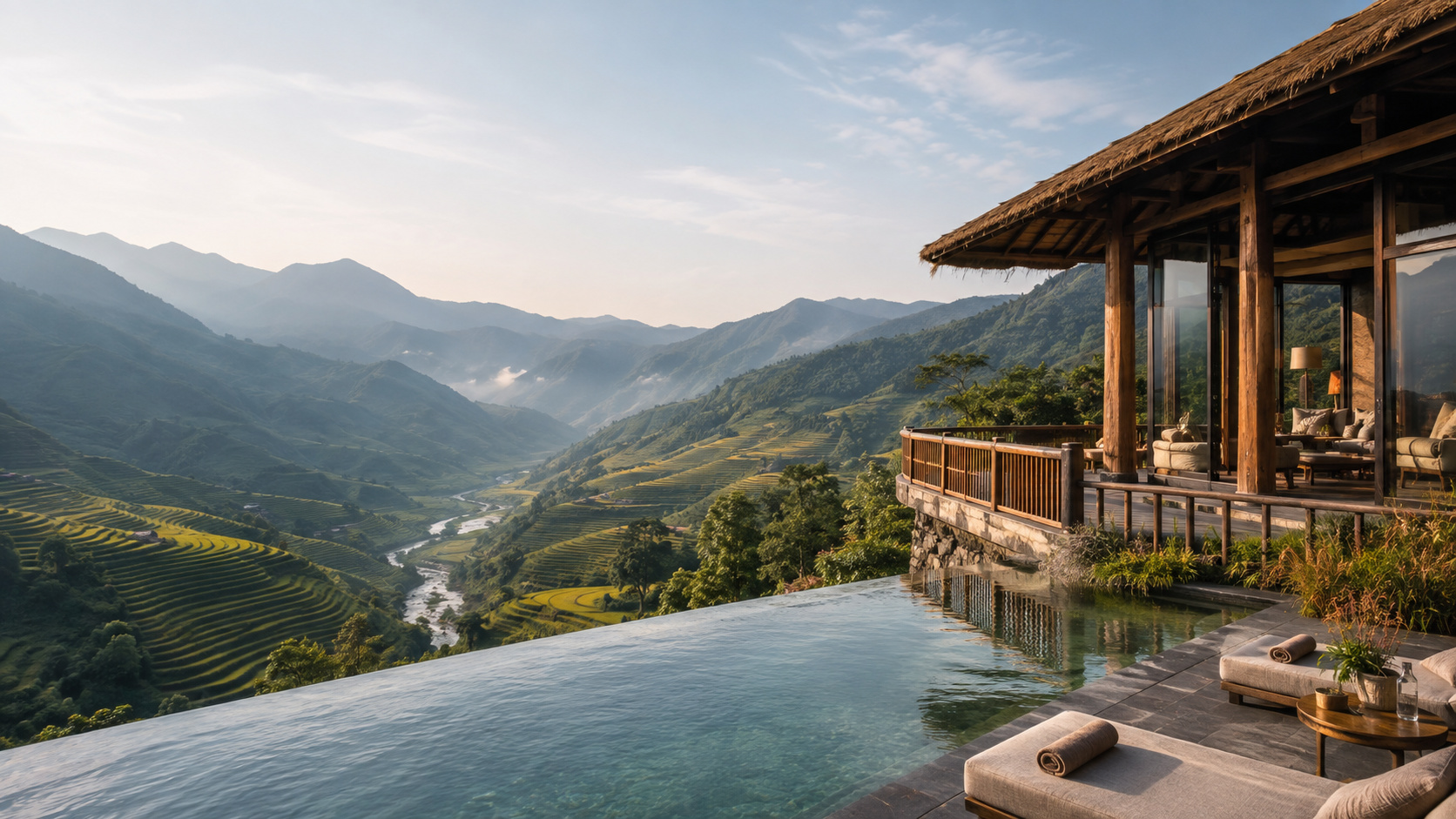

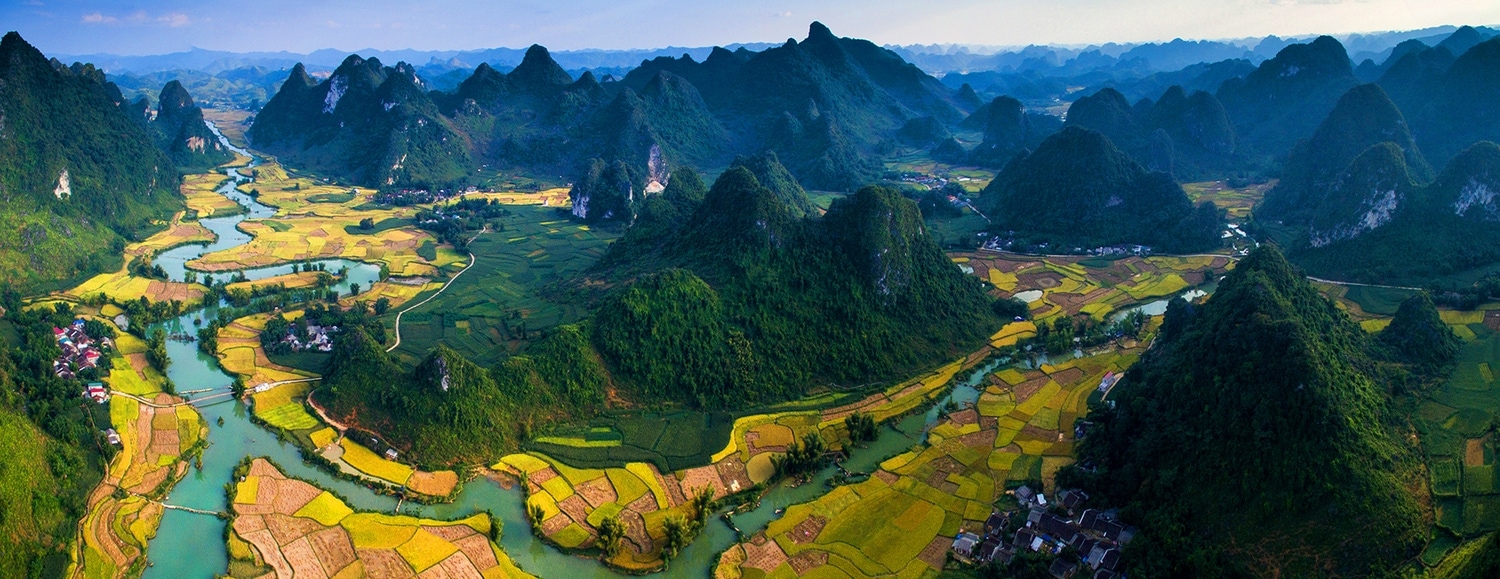
Guided trekking in Sapa is not only about walking through mountain scenery. It is a travel experience shaped by terrain, weather, village life, physical rhythm and the quality of the local guide. Before departure, travelers should look beyond beautiful photos of rice terraces and check whether the route truly suits their fitness, footwear, timing and expectations. A short walk near town, a valley trek through villages and a longer mountain route can feel completely different. Good preparation helps visitors enjoy the landscape without turning the day into a struggle. It also encourages more respectful contact with local communities, where paths, homes, fields and traditions are part of daily life rather than a tourist backdrop.
Prepare your body, route and expectations
The first step is to understand the trek as a physical journey, not just a scenic activity. Sapa routes may include slopes, muddy sections, narrow paths, stone steps, village lanes and open rice-field edges. The same distance can feel easy in dry weather and much harder after rain. Before choosing a route, travelers should compare the duration, elevation, ground conditions, rest points and return transfer. It is also important to be honest about walking habits. Someone used to city sightseeing may need a gentler rhythm than a traveler who hikes regularly. A good guided trek should match the group’s ability while still leaving space to enjoy the valley, villages and mountain views.
Check route difficulty and walking distance
Route difficulty should be checked in practical terms: hours of walking, slope level, terrain type and how often the group can stop. A trek listed as “easy” may still include wet paths, uneven ground or downhill sections that challenge the knees. When comparing a Sapa trekking guide, look for details that explain how the day actually moves.
Distance alone is not enough. A shorter route with slippery clay can feel more tiring than a longer walk on dry paths. Ask whether the route crosses rice terraces, village trails, forest edges or paved lanes, and whether there is a vehicle option if someone becomes too tired.
Match the trek to your fitness level
Fitness is personal, and travelers should choose with honesty rather than ambition. A gentle village walk can be deeply rewarding if you want photography, conversation and cultural context. A longer route is better for guests who enjoy sustained movement, changing viewpoints and a stronger sense of outdoor challenge.
Before departure, think about recent walking experience. If you rarely walk for several hours, avoid choosing the most scenic-sounding route only because it appears popular online. The best trek is one that lets you stay curious, steady and present.
Footwear is part of fitness planning. Comfortable shoes with grip are usually more useful than fashionable travel shoes. Even when the route is not technically difficult, wet earth and uneven stone can make balance important.
Travelers should also consider altitude, sleep and travel fatigue. Arriving after a long transfer and trekking immediately may reduce enjoyment. If your schedule allows, a slower start can make the first mountain day feel more natural.
Review season, rain and trail conditions
Sapa’s landscape changes with the season, and rain can transform the feeling of a route. Before departure, check whether the trail may be muddy, whether views are likely to be misty, and whether the guide can adjust the plan if weather becomes uncomfortable. A flexible approach is more valuable than forcing a fixed route.
Respect the villages and choose the right guide
The second part of preparation concerns cultural context and guide quality. Many Sapa treks pass through or near ethnic minority villages, cultivated fields and family spaces. This means the experience should be handled with awareness, not only with camera enthusiasm. A good guide does more than show the way; they explain local etiquette, help travelers understand what they are seeing and reduce awkward interactions. Before booking, compare how the provider describes community visits, market stops, lunch arrangements and photography manners. A respectful trek should protect both the traveler’s experience and the dignity of the people who live along the route.
Ask what kind of local guidance is included
Guidance can change the whole trek. A strong local guide helps interpret the landscape, explain village life and manage the route according to weather and group energy. When reviewing Sapa trekking tours, check whether the guide is simply leading the path or actively providing cultural context.
Language ability matters, but it is not the only factor. A guide who understands timing, safety, local customs and traveler comfort can prevent many small problems. Ask how the guide handles slippery sections, rest breaks, interactions with vendors and route changes.
Travelers should also ask whether the guide is connected to the local area. This can make explanations more grounded and help visitors avoid treating villages as staged attractions. A trek feels more meaningful when the guide can explain everyday life with care.
Prepare for village etiquette and photography
Village etiquette should be discussed before the walk begins. Travelers should avoid entering homes, photographing people closely or touching agricultural spaces without permission. Children, elders and working families are not props for travel photos, even when the scenery feels beautiful.
Check packing, meals and local support
Packing for Sapa trekking should be simple but deliberate. Bring water, a light rain layer, sun protection, insect repellent, socks that can handle moisture and a small bag that leaves your hands free. Heavy luggage should stay at the hotel or homestay whenever possible.
Meals should also be checked in advance. Some routes include lunch at a local home or simple restaurant, while others require travelers to bring snacks. If you have dietary restrictions, confirm them early instead of waiting until the group is already on the trail.
For smoother planning, review Sapa trekking experience-based tips before finalizing your plan. This helps you avoid common mistakes such as overestimating your fitness, wearing poor footwear or booking a route that is too ambitious for the available time.
Confirm booking details before departure
Before the trek, confirm pickup time, meeting place, included services, guide language, meal arrangements, entrance fees and return transport. If the trek connects with a night train, bus or next destination, make sure the expected finish time is realistic. Travelers who want help adjusting the route can choose local support for Sapa trekking instead of relying on a generic listing.
Guided trekking in Sapa becomes more rewarding when travelers prepare with both practicality and respect. The route should match your fitness, the weather should be taken seriously, and the guide should help you understand the villages, fields and mountain paths you pass through. Good footwear, clear timing, thoughtful packing and realistic expectations can make the difference between a tiring walk and a memorable highland experience. Sapa is not a place to rush through only for photographs. It is better approached slowly, with attention to terrain, people and atmosphere. When the trek is well chosen, the journey feels balanced, human and deeply connected to northern Vietnam’s mountain landscape.
Tradition Việt
Hotline: (+84) 967 04 88 91 / (+84) 376 304 008
Email: info@traditionviet.com
Adresse: CT2A Hanoi Homeland