

Guided tours in Vietnam can turn a good trip into a deeper one when they are chosen with care. The guide can explain a temple, translate a market, pace a food walk, manage a countryside route, adjust the day when rain arrives and help travelers understand what they would otherwise pass too quickly. But a guided tour can also feel flat if it is booked only by price or attraction count. The mistake is assuming all guided experiences are the same. In Vietnam, guide quality, route design, group size, local knowledge and timing can completely change the day. A strong guided tour should not make travelers passive. It should help them see more clearly.
Choose the guide for the story, not only the schedule
A schedule tells you where you will go. A guide decides how those places will become meaningful. In Vietnam, many destinations need interpretation: old streets, war memories, craft villages, royal architecture, food culture, local beliefs, market behavior and regional identity. A weak guide may recite facts without making the place come alive. A strong guide connects visible details to human context. They know when to explain, when to let silence work and when to adapt the route because the group is tired, curious or moved by something unexpected. The first mistake is therefore choosing a guided tour as if the guide were only a walking timetable.
Mistake one: comparing only the number of stops
A tour with many stops can look better online, but more places do not always mean more value. In Vietnam, a slower route through fewer sites can offer stronger understanding than a long list of rushed visits.
When reading Vietnam tours for first timers, look for structure and purpose. A good tour should explain why the stops belong together.
If the program jumps too much, the guide has no time to build a story. The traveler may end the day with photos but little memory of meaning.
Mistake two: ignoring the guide’s local depth
Language ability is important, but it is only the surface. A good guide needs local depth: knowing the neighborhood, understanding regional customs, reading visitor energy and explaining culture without turning everything into a lecture.
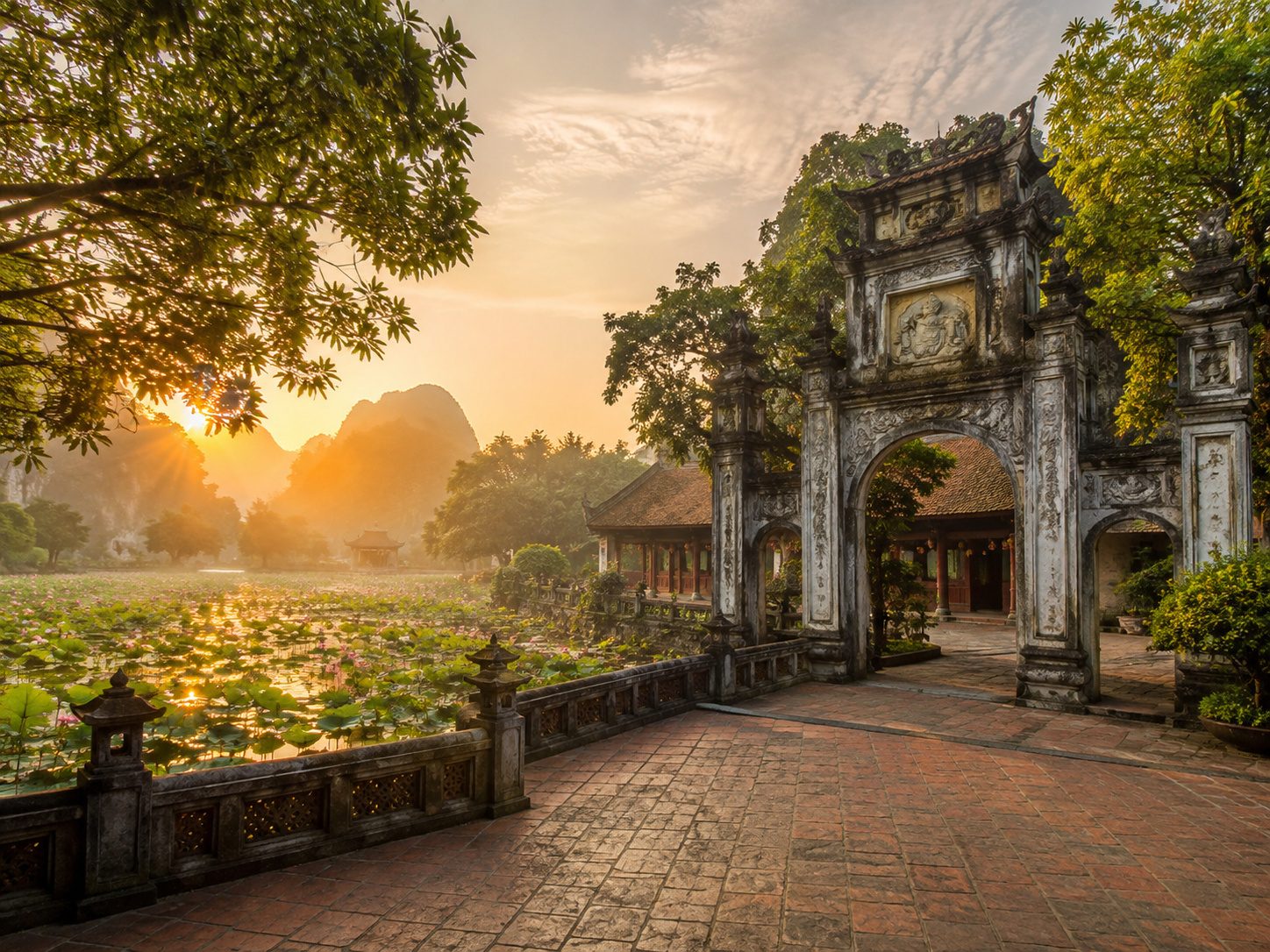
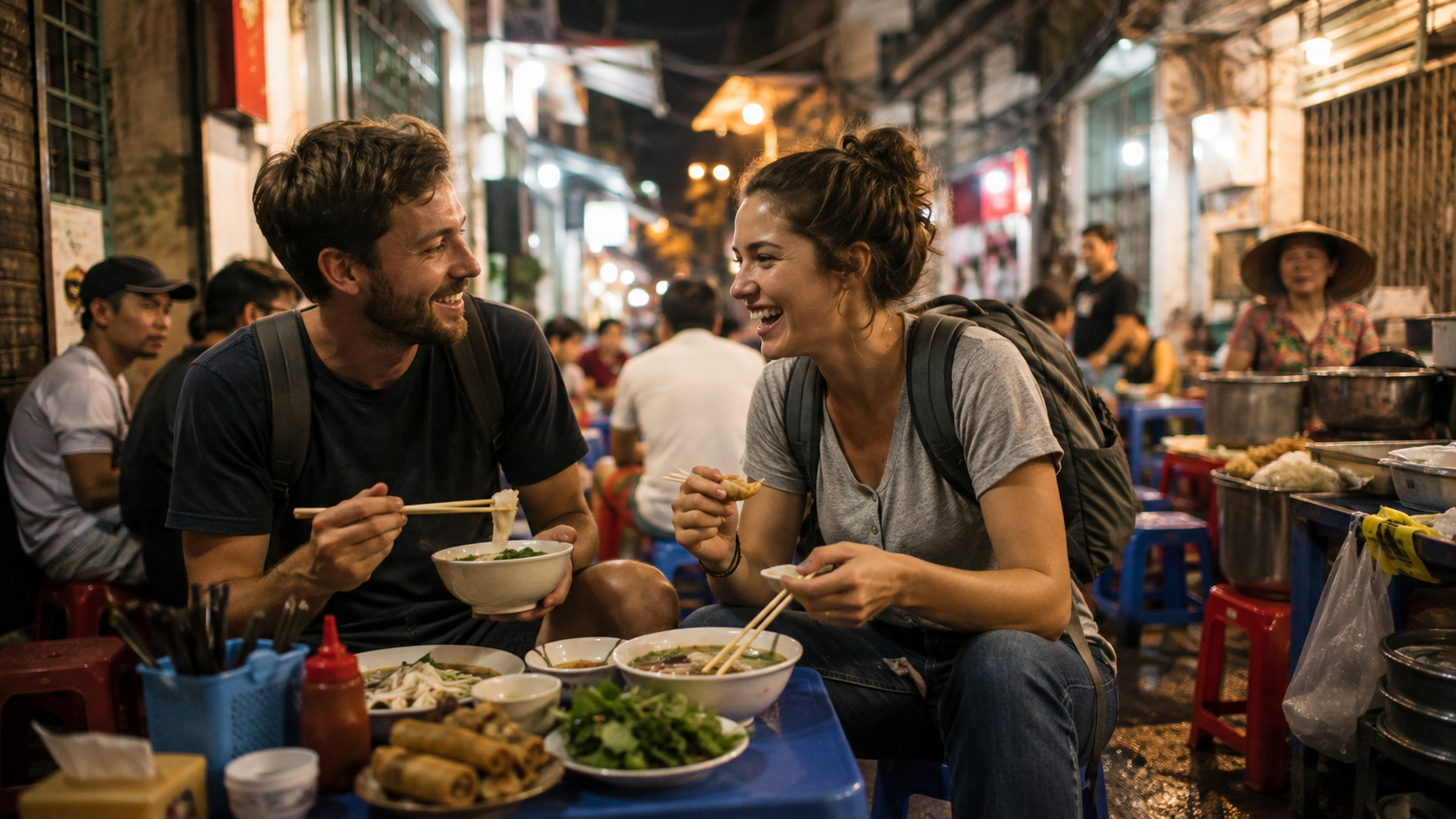
In Hanoi, this may mean explaining food and old streets. In Hue, it may mean connecting imperial history to architecture and cuisine. In the Mekong Delta, it may mean showing how water shapes daily life.
Ask what kind of guide leads the tour. A general guide can be fine for an overview, but a specialist may be better for food, history, photography, craft or trekking.
Good guiding feels personal. The traveler should feel accompanied by someone who understands the place, not processed through a script.
Mistake three: choosing the wrong group format
Private, small-group and larger shared tours each have a role. The mistake is choosing one format without considering personality. A private tour gives flexibility. A small group adds social energy. A larger group may reduce cost but usually gives less room for questions.
Let the guided day fit the wider journey
A guided tour is not an isolated product. It should fit the full itinerary. A walking tour after a long flight may be too heavy. A food tour before an early transfer may feel rushed. A heritage tour in the midday heat may need more indoor pauses. A city orientation on the first day can help the rest of the stay, while a deeper neighborhood tour may be better after travelers already know the basics. Good planning means placing guided experiences where they do the most work. The second layer of preparation is not only choosing the right tour, but choosing the right moment for it.
Mistake four: booking guided days back-to-back
Guided tours require attention. Even when they are enjoyable, they ask travelers to listen, walk, taste, ask and absorb. Too many guided days in a row can make the trip feel managed rather than lived.
Mistake five: not matching the guide to the travel style
A family needs a different guide from a couple. A backpacker needs different advice from a premium traveler. A first-time visitor needs orientation, while a returning traveler may want hidden details or regional comparison.
The best guided experiences are shaped around the traveler’s style. If the guide cannot adapt, the tour may feel generic.
For travelers who want stronger personalization, Vietnam private tours can offer more control over pace, interest and route depth.
Mistake six: overlooking food, rest and transport details
Small practical details often decide whether a guided tour feels smooth. Where does pickup happen? How long is the walking section? Is lunch included? Is the vehicle comfortable? Are entrance fees clear? Can the guide adjust for rain, heat or dietary needs?
A beautiful description may hide weak logistics. Always read what is included and what remains vague.
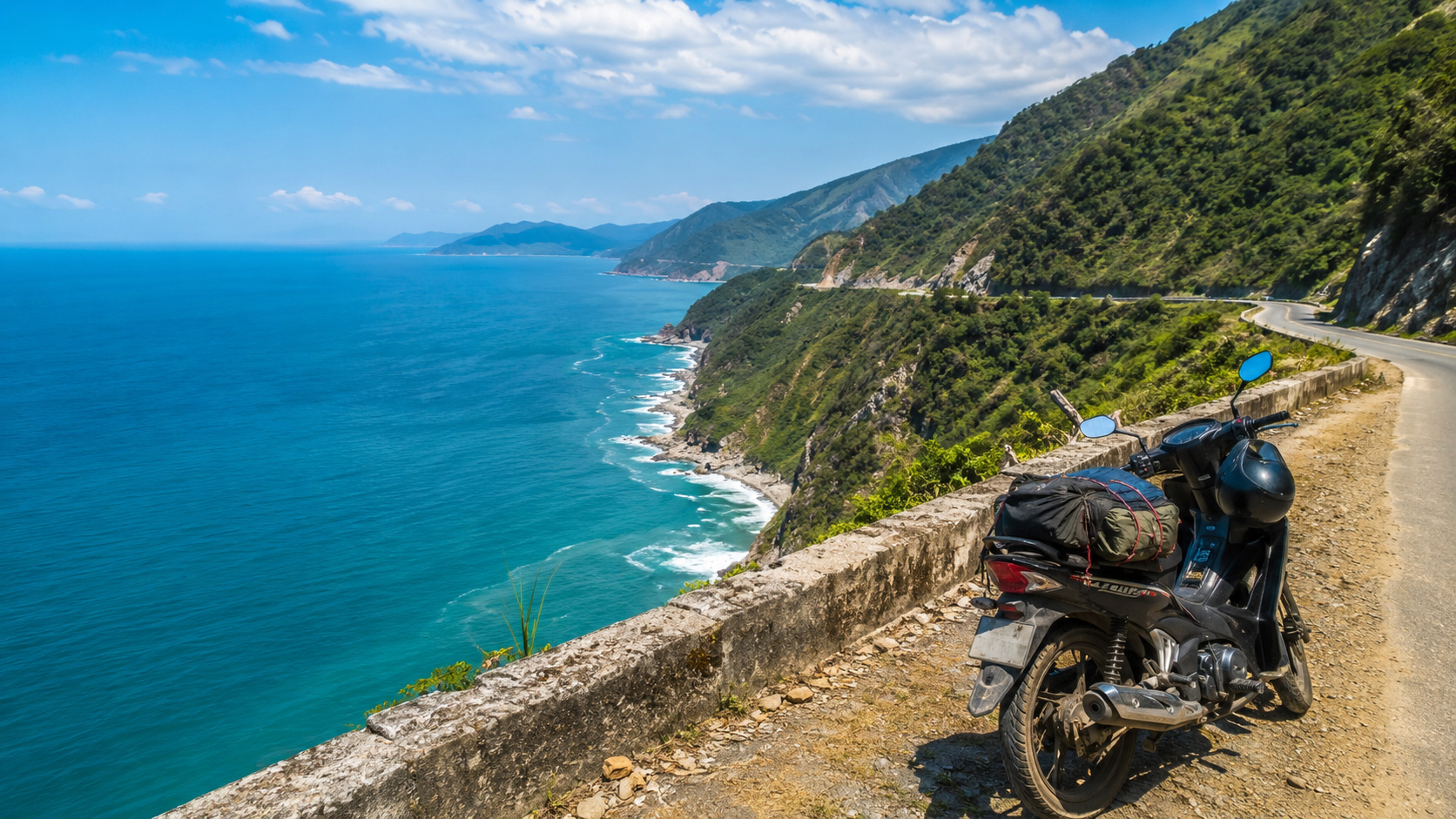
Transport is especially important outside cities. Rural routes, delta trips, mountain areas and day excursions need timing that respects real road conditions.
Travelers comparing broader options can review guided Vietnam travel ideas before choosing which days truly need guided support.
Mistake seven: expecting the guide to solve unclear planning
A guide can make a day excellent, but they cannot repair a badly designed itinerary. If the route is rushed, the hotel location is poor or the transfer timing is unrealistic, even a good guide has limited room to help.
The planning should be clear before the guide appears. What is the purpose of the tour? What should the traveler understand by the end? What pace is acceptable?
Local support through plan Vietnam tours can help place guided experiences at the right points in the overall route.
Guided tours in Vietnam are most valuable when they bring clarity, not control. Avoid choosing only by price, attraction count or polished photos. Look for guide depth, realistic pacing, suitable group format and a strong fit with the wider itinerary. Vietnam has places that reveal themselves slowly: markets, old towns, temples, villages, rivers, food streets and mountain paths. A thoughtful guide helps travelers notice what matters. When guided days are placed well, the trip becomes easier, richer and more human without losing freedom.
Tradition Việt
Hotline: (+84) 967 04 88 91 / (+84) 376 304 008
Email: info@traditionviet.com
Adresse: CT2A Hanoi Homeland