

Guided tours in Ho Chi Minh City can help travellers understand a place that moves quickly on the surface but holds many layers underneath. The city is energetic, commercial, young, historical and deeply local at the same time. A traveller may see traffic, cafés, markets and skyscrapers first, but the guide can reveal older neighborhoods, wartime memory, southern food culture, colonial-era architecture, small alleys and the city’s role as a gateway to the Mekong Delta. Before finalizing a route, travellers should ask what kind of city experience they want. A good guided tour does not try to show everything. It helps the city become readable.
Decide which side of the city you want to enter first
Ho Chi Minh City can be introduced through several doors: history, food, architecture, markets, local neighborhoods, nightlife, wartime sites or a wider southern Vietnam route. A first-time traveller may need orientation, while a returning traveller may want depth. A family may need shorter walking sections and softer timing. A food lover may prefer markets and local stalls. The best guided route begins by choosing focus. Without that focus, the tour can become a rapid list of stops that explains too little and moves too fast.
Question one: Is this tour for orientation or depth?
An orientation tour helps travellers understand the city’s main rhythm: central districts, traffic habits, landmarks, local food, café culture and practical movement. It works well early in the stay.
A depth-focused tour should go further into one theme. It may explore wartime history, street food, old apartments, market life or southern urban culture. A Ho Chi Minh City tour guide can help travellers compare these formats before confirming.
Question two: What will the guide explain that I cannot see alone?
A building, market or street may look simple without context. A good guide explains why a neighborhood matters, how local people use the area and what changed over time.
Check how the day will move
Ho Chi Minh City tours need careful pacing. The city is large, traffic can shape the day, and heat or rain can affect walking comfort. Travellers should not judge the route only by the list of stops. They should imagine the day from hotel pickup to return. How much walking is involved? How long is the transfer between districts? Is there a coffee break? Are meals included? Is the route private, shared or small-group? These questions help prevent a tour that looks complete but feels exhausting. The best guided day uses the city’s energy without letting that energy overpower the traveller.
Question three: How much traffic time is included?
Moving across the city can take longer than expected. A good route clusters stops logically instead of crossing back and forth for no reason.
Ask whether the guide has built the tour around realistic city movement.
If the route includes distant sites, check whether the extra drive adds enough value.
For smoother pacing, Ho Chi Minh City travel tips can help travellers think about timing, comfort and daily rhythm.
Question four: Should the tour include food?
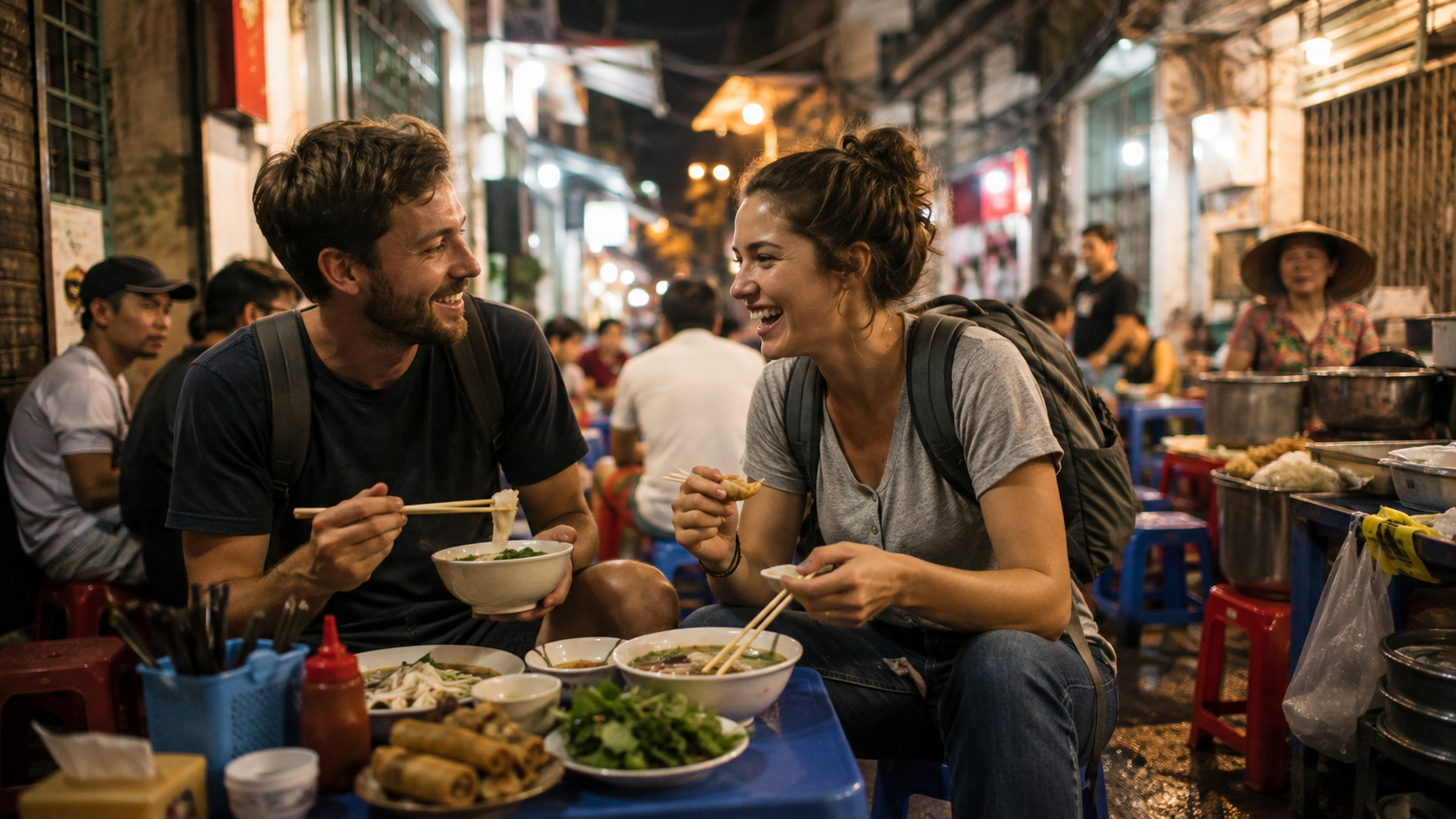
Food can reveal the city beautifully. Southern flavors, coffee culture, market snacks and local meals give the tour a human layer that pure sightseeing may miss.
A food element does not need to dominate the day. Even one well-chosen stop can make the city feel warmer.
Question five: What should be private, and what can be shared?
Private tours are useful for families, premium travellers and anyone who wants flexibility. Shared tours may work well for budget-conscious travellers who enjoy social energy.
The right format depends on how much control you want over pace, questions and stops.
A small group may be enough if the route is clear and the guide can still answer properly.
Before booking, ask the real group size rather than relying only on the word “small.”
Make the city connect to southern Vietnam
Ho Chi Minh City should not be treated only as an arrival point. It can introduce the south: river culture, trade, food, migration, modern business energy and the Mekong Delta. A strong guided route helps travellers understand why the city feels different from Hanoi, Hue or Hoi An. It can also prepare them for day trips to Cu Chi, the Mekong Delta or nearby countryside. When the guided tour is placed well, the rest of southern Vietnam becomes easier to understand.
Question six: Should this tour come before the Mekong Delta?
A city introduction before the Mekong Delta can help travellers understand southern food, movement and urban-river contrast. It makes the next day feel less disconnected.
Question seven: How much history should the route include?
History matters in Ho Chi Minh City, but the emotional weight should match the traveller. Some visitors want deep context; others prefer a lighter mix with food and local life.
A Saigon tour planning guide can help balance history, street life and modern city energy.
Question eight: Is there time for independent discovery afterward?
A guided tour should create confidence, not fill every hour. Leave space after the tour for coffee, shopping, rest or returning to a street that felt interesting.
Question nine: Who can help combine the right elements?
Many travellers need a mixed route: orientation, food, one historical layer and maybe a Mekong Delta day. Local support through Ho Chi Minh City tours with local help can help combine these pieces without overloading the stay.
Guided tours in Ho Chi Minh City become more rewarding when travellers ask precise questions before booking. Decide whether the tour is for orientation or depth, check traffic and walking rhythm, choose the right guide format and make sure the city connects to the wider southern journey. Ho Chi Minh City is not only fast streets and famous sites. It is food, memory, trade, coffee, neighborhoods and daily movement. With the right guide, the city becomes less overwhelming and far more meaningful.
Tradition Việt
Hotline: (+84) 967 04 88 91 / (+84) 376 304 008
Email: info@traditionviet.com
Adresse: CT2A Hanoi Homeland