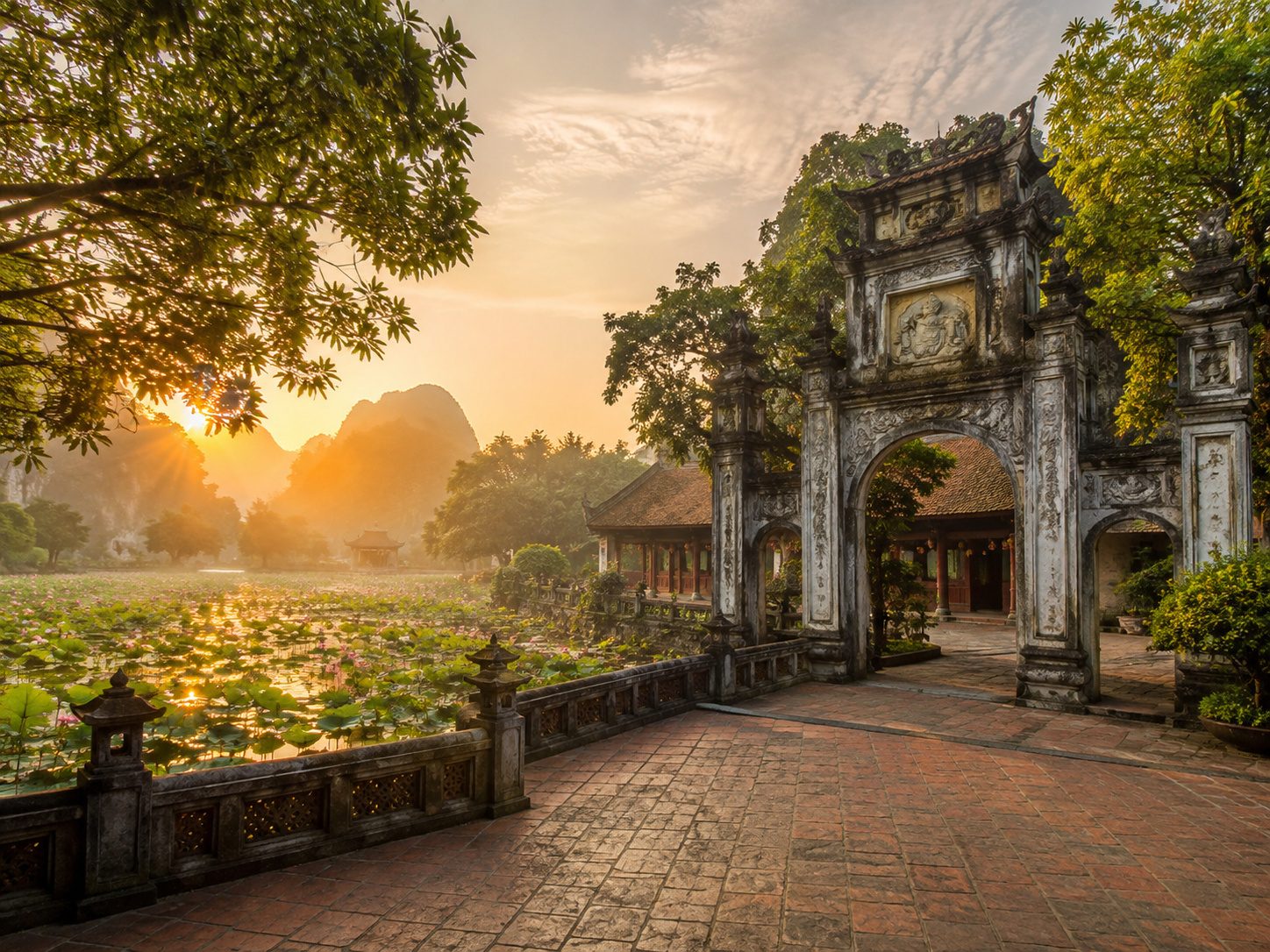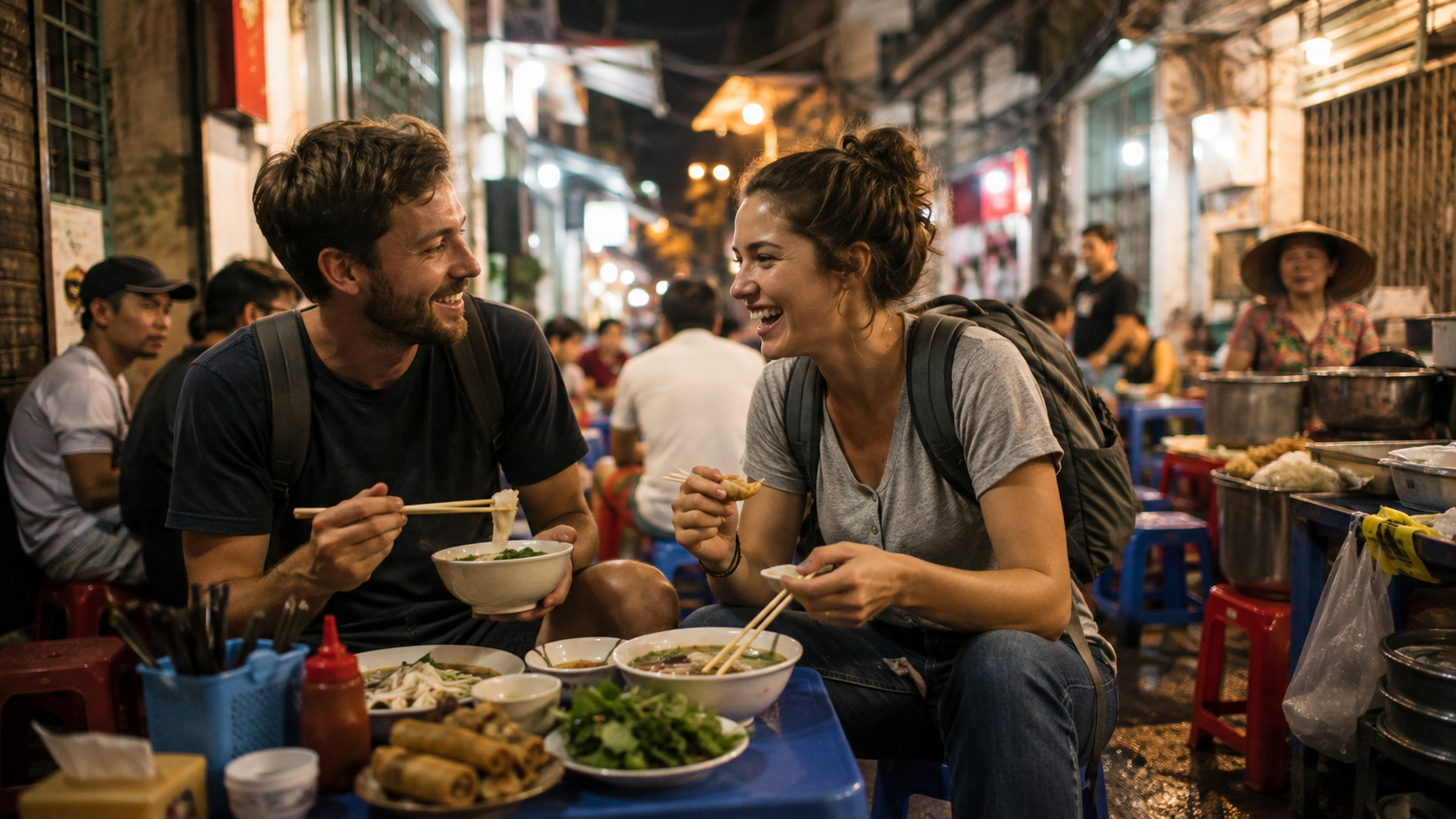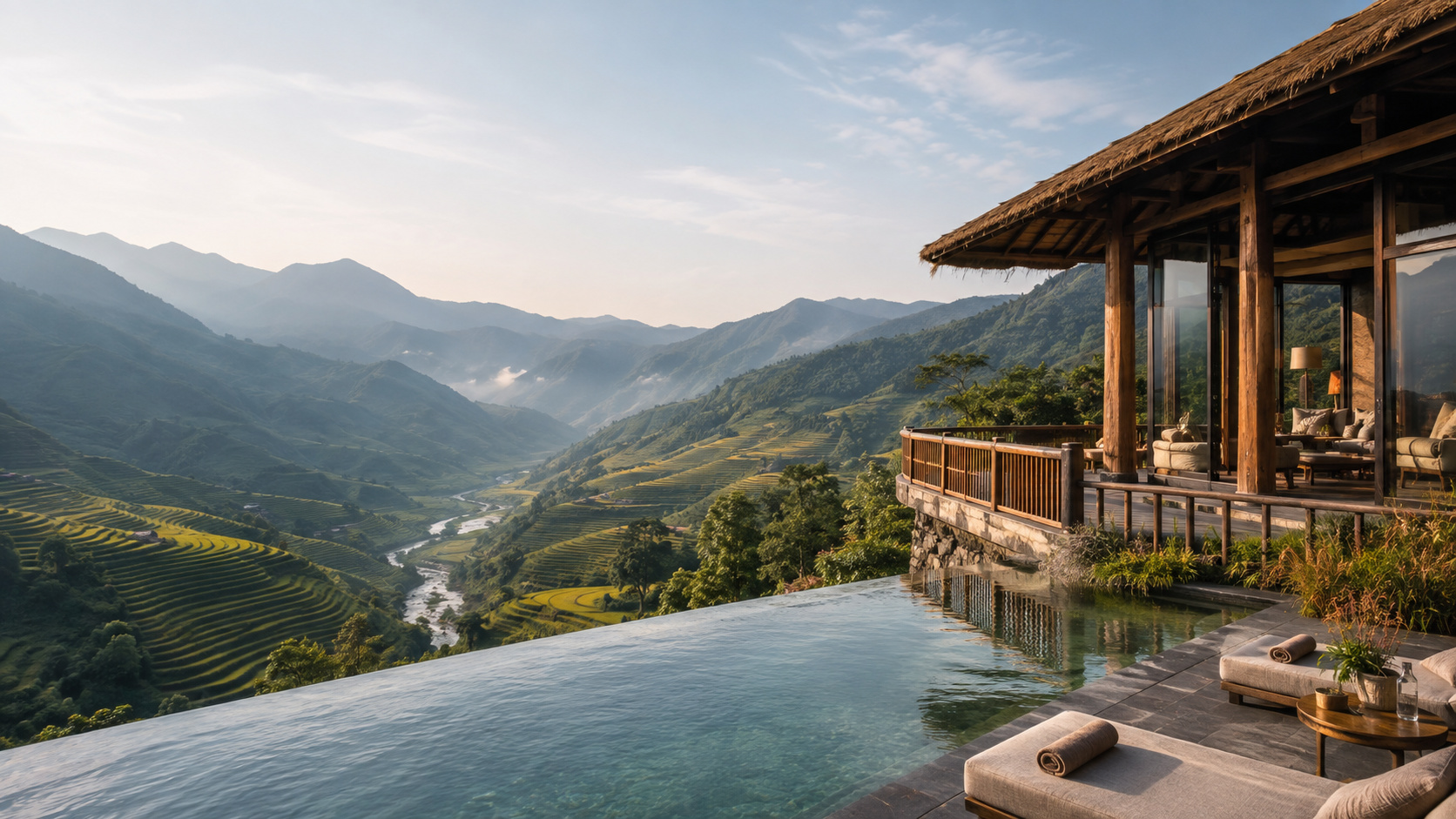


Guided tours in Hanoi can transform the city from a beautiful confusion into a layered introduction to Vietnam. Hanoi is not always easy to read alone. The Old Quarter can feel like a maze of streets, vendors, temples, cafés, workshops, traffic and hidden stories. The city holds imperial memory, French-era architecture, revolutionary history, lakeside calm, street food rituals and daily habits that are easy to miss without context. A good guide does not simply move travellers from stop to stop. They help explain how Hanoi breathes. Before finalizing a route, travellers should ask the right questions about pace, focus, guide style and how the tour fits the wider journey.
Decide which Hanoi you want to understand first
Hanoi can be approached through food, history, architecture, local life, craft, religion, literature, war memory or day trips beyond the capital. One guided tour cannot cover everything deeply. The first decision is focus. A first-time traveller may need an orientation walk through the Old Quarter. A food lover may want a street food route at the right hour. A family may need a shorter, gentler introduction. A culture traveller may want heritage and stories. The strongest guided route begins with a clear version of Hanoi, then leaves room for later discovery.
Question one: Is this tour for orientation or depth?
An orientation tour helps travellers feel confident in the city. It may cover the Old Quarter, lake area, street movement and basic local habits. A deeper tour focuses on one theme: food, history, craft, architecture or local neighborhoods.
A Hanoi tours guide can help travellers compare these formats before choosing.
Question two: What will the guide explain that I would miss alone?
Hanoi is full of details: street names linked to trades, hidden temples, food timing, coffee culture, old houses and small rituals. A guide should reveal these details, not only point to buildings.
Ask whether the guide will explain local behavior, historical context and daily life.
A strong guide makes the city feel less chaotic and more meaningful.
The goal is not to memorize facts, but to notice better.
Question three: How much walking does the tour include?
Hanoi walking can be rewarding but tiring. Pavements may be busy, crossings require confidence and weather affects comfort. Families, older guests and travellers with mobility concerns should ask about distance and breaks.
Match the tour to time of day
Hanoi changes through the day. Morning food culture feels different from evening street life. Historical sites have their own visiting hours. Markets are more alive at certain times. Cafés, lakes and old streets shift mood as the light changes. Choosing the wrong time can weaken the experience. A guided tour should be placed where the city naturally supports the theme. Food tours need appetite. Heritage visits need attention. Arrival-day walks should be gentle. The right hour can make a simple route feel much richer.
Question four: Should I take the tour on arrival day?
A gentle orientation walk may work well on arrival day if the traveller is not too tired. A dense history tour or long food walk may be better after rest.
Question five: Is morning or evening better for food?
Morning shows breakfast habits, markets and coffee routines. Evening shows grills, snacks, social energy and a softer street atmosphere. The better choice depends on appetite and travel schedule.
A Hanoi food tour guide can help travellers decide which food rhythm fits the stay.
Question six: What should I eat before the tour?
For a food tour, eat lightly beforehand. For a history or walking tour, do not arrive hungry. Small practical choices like this can improve the whole experience.
Check pace, comfort and flexibility
Hanoi rewards curiosity, but it can overwhelm travellers who are tired, hungry or overheated. A guided tour should be designed with breaks, shade, water, realistic walking and enough time to ask questions. It should also adapt to weather, traffic and interest. A rigid tour may cover the planned route but miss the traveller. Good guiding feels responsive. It should protect the day’s structure while still reading the people inside it.
Question seven: Are breaks included?
Breaks are not wasted time. A coffee stop, shaded pause or short sit-down can make the tour more enjoyable and allow the guide to explain context.
Question eight: Can the tour adapt to weather?
Rain, heat and humidity affect Hanoi walking. Ask whether the route can shift indoors, slow down or change order if needed.
A practical Hanoi tour tips guide can help travellers prepare clothing, shoes and expectations.
Question nine: Is the route private, shared or small-group?
Private tours offer flexibility. Shared tours may be more affordable and social. Small groups can balance both. Choose based on comfort, budget and desired interaction.
Question ten: What is included in the price?
Check guide time, entrance fees, food tastings, drinks, transport, hotel pickup and drop-off. Clear inclusions prevent awkward surprises.
Question eleven: Can dietary needs be handled?
For food tours, mention allergies, vegetarian needs, seafood restrictions or spice concerns before booking. Hanoi cuisine may include fish sauce, pork broth, peanuts or egg.
Let Hanoi connect to the wider Vietnam trip
A guided tour in Hanoi should not stand alone. It should help prepare travellers for the rest of Vietnam. Hanoi can introduce food habits, cultural etiquette, street crossing, northern history, local coffee, craft traditions and the rhythm of Vietnamese cities. It can also lead naturally into day trips to Ninh Binh, Halong Bay, craft villages or mountain routes. The right guided experience at the beginning of the journey gives travellers confidence for later destinations.
Question twelve: Should this tour come before Halong Bay or Sapa?
A Hanoi orientation before leaving for Halong Bay or Sapa can help travellers understand northern Vietnam better. It also prevents the city from becoming only an airport stop.
Question thirteen: Should I add a day trip from Hanoi?
If the itinerary allows, a day trip can add countryside, river scenery or craft culture. But it should match the wider route and not duplicate experiences already planned.
A Vietnam day trips from Hanoi guide can help compare Ninh Binh, craft villages and other options.
Question fourteen: How much free time should remain in Hanoi?
Guided tours are valuable, but Hanoi also needs wandering time. Leave space for coffee, shopping, lake walks and returning to a street or dish you enjoyed.
A city becomes more personal when travellers have time to revisit it alone.
Question fifteen: Who can help finalize the right combination?
For many travellers, the best Hanoi plan combines an Old Quarter orientation, one food experience and possibly a day excursion. Local support through Hanoi tours with local support can help choose the right mix.
Guided tours in Hanoi are most successful when travellers know what they want the guide to unlock. Ask whether the tour is for orientation or depth, what the guide will explain, how much walking is involved, what time of day suits the theme and how the route connects to the wider Vietnam journey. Hanoi is a city of layers: food, streets, lakes, temples, memory, craft and everyday improvisation. With the right questions answered early, a guided tour becomes more than sightseeing. It becomes the traveller’s first real conversation with the capital.
Tradition Việt
Hotline: (+84) 967 04 88 91 / (+84) 376 304 008
Email: info@traditionviet.com
Adresse: CT2A Hanoi Homeland