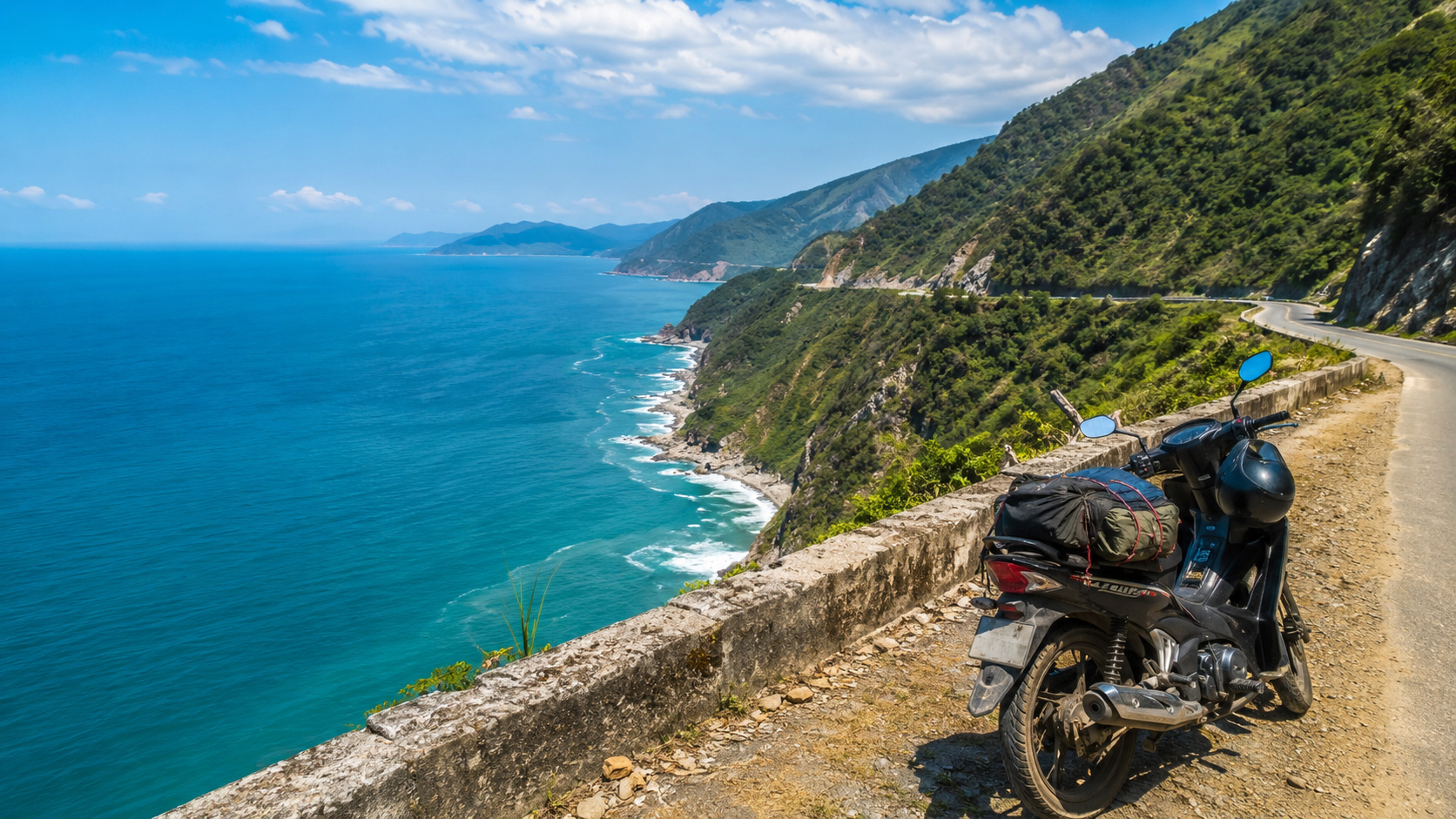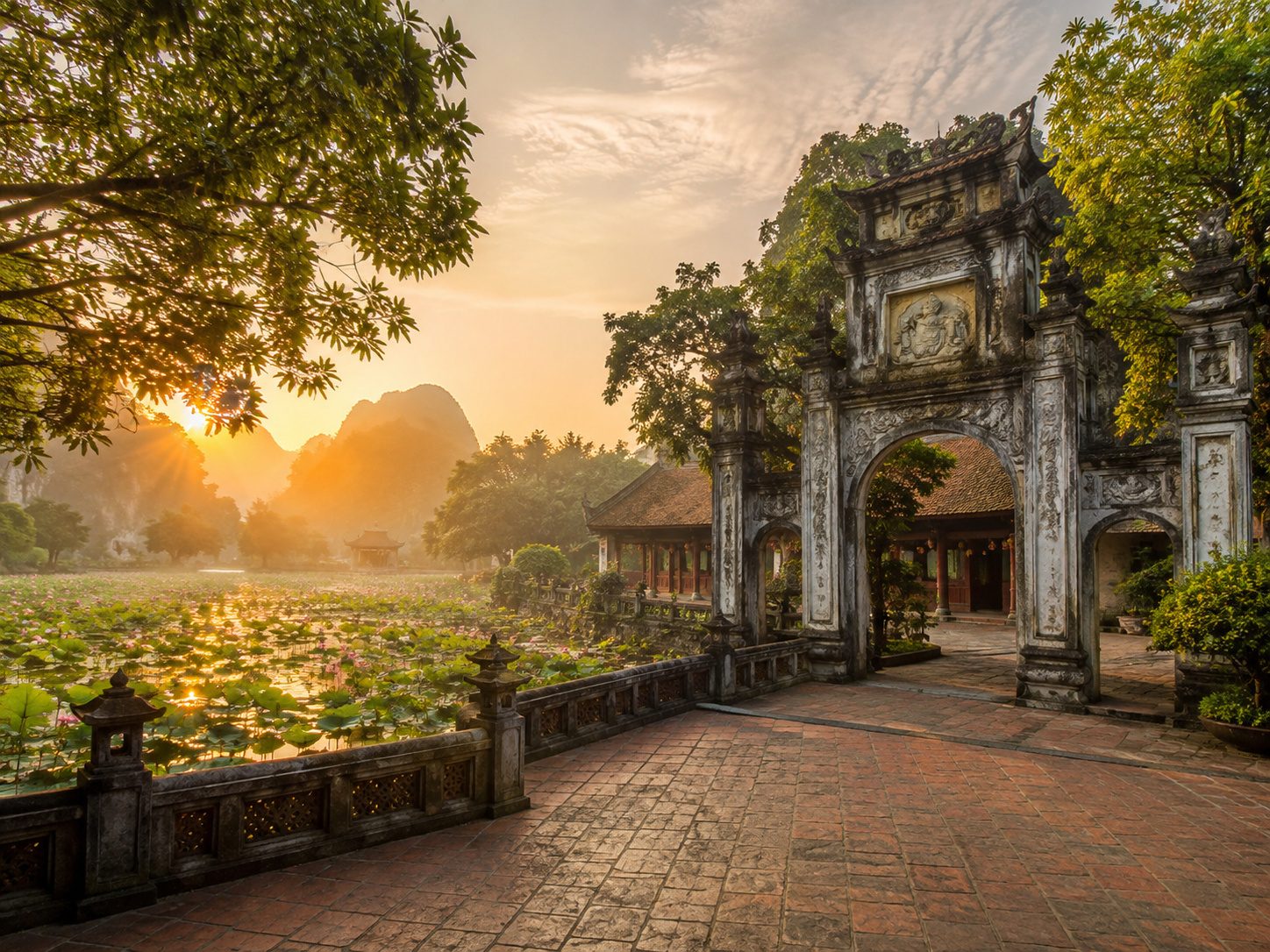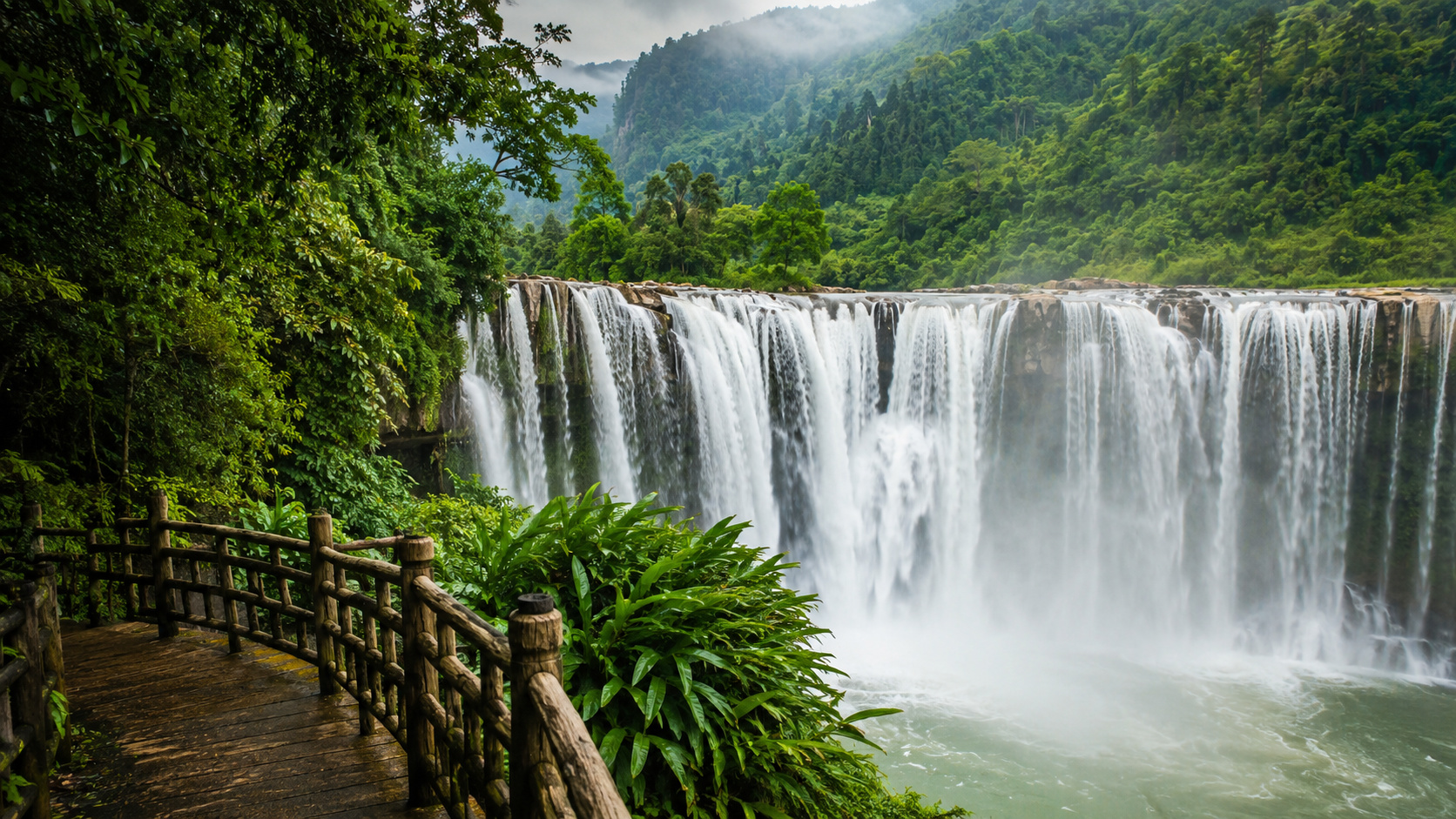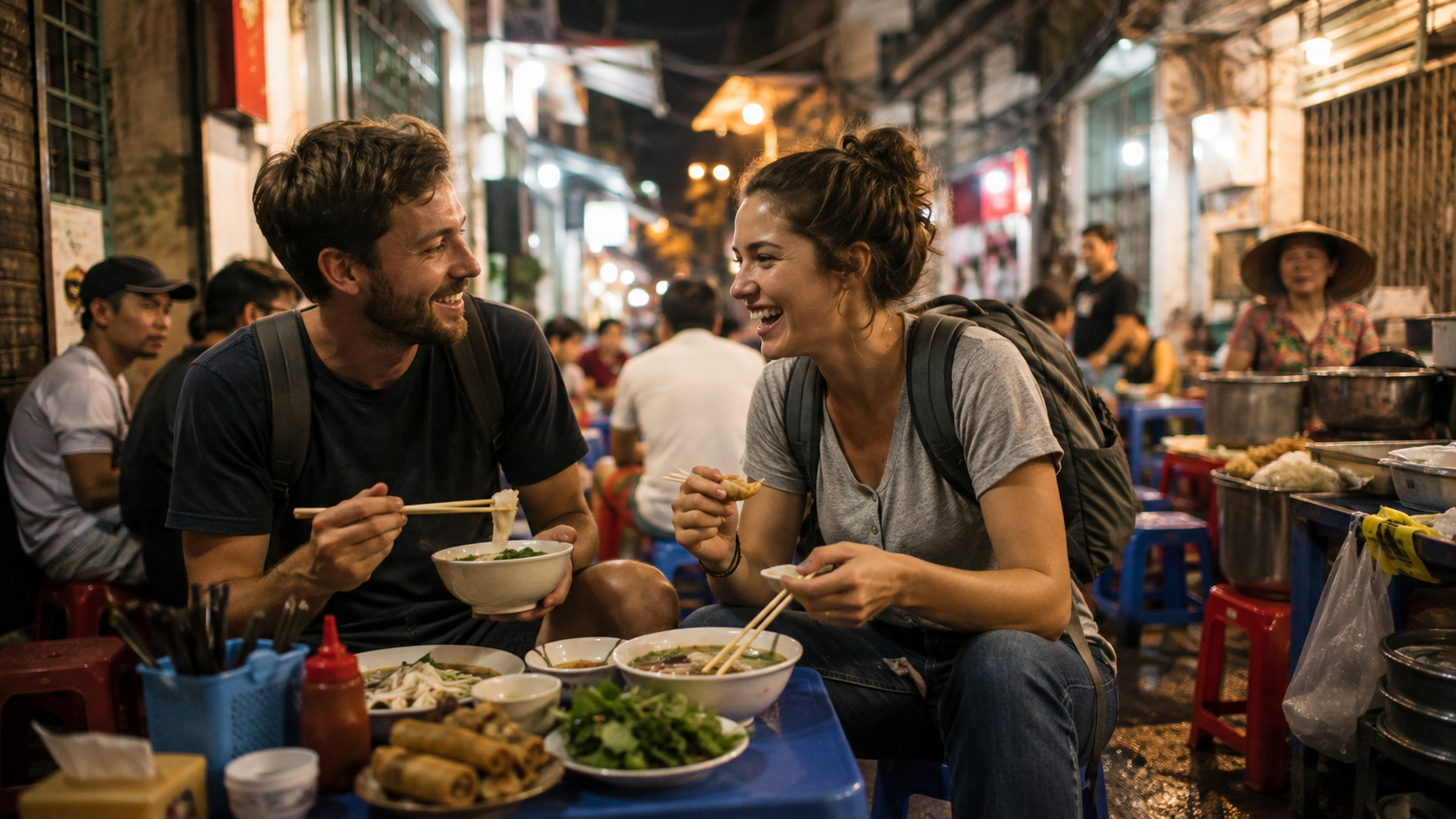

A guided motorcycle trip in Vietnam can bring travellers closer to landscapes, villages and everyday life than many other forms of transport. The sense of freedom only becomes comfortable, however, when the route, riding style, daily duration, equipment and support plan match the people travelling. Beginners may prefer to sit behind an experienced local driver, while confident riders still need to examine legal conditions, insurance and the difficulty of each stage. The eight points below help travellers define their style, route, hours on the road, budget, weather strategy and the organiser’s responsibilities. When these elements are prepared clearly, the journey can feel smooth, manageable and immersive rather than becoming an uncontrolled test of endurance.
Build a Route That Matches the Travellers
The first four points turn the idea of motorcycle travel into a route suited to the actual participants. Attractive images of mountain passes or coastal roads do not show traffic density, road surface, gradients, changing weather or the fatigue that follows several hours on a bike. Planning should therefore begin with experience, health and genuine expectations before any region or distance is selected. A strong itinerary does not use kilometres as its only measure. It separates difficulty levels, includes planned breaks, limits riding time and creates space for meaningful local stops. When these foundations are clear, the journey retains its sense of discovery without pushing travellers beyond their confidence, concentration or physical capacity.
Choose a Riding Format That Matches Experience
Point one is to choose a riding format that matches experience and confidence. Travellers do not need to control the bike themselves to feel close to the road. First-time visitors, people unfamiliar with dense traffic or those who prefer to observe can ride behind an experienced local driver. Skilled riders may consider self-riding on suitable sections, but they still need to assess traffic habits, signs, rental conditions and insurance. A mixed approach can also work well: self-ride on gentler countryside roads, then use a driver or guide for mountain passes, crowded areas or stages affected by difficult weather. A complete motorcycle tour guide provides useful context before deciding which level of independence is realistic.
The decision should reflect the whole group rather than only its strongest rider. Couples, families and friends may have very different confidence levels, balance, stamina and tolerance for exposure to sun or rain. Before booking, each person should explain what type of motorcycle experience they have, whether sitting for long periods causes discomfort and whether heights, traffic or mountain bends create anxiety. Children and older travellers require separate attention to helmet size, seating position, riding duration and the availability of a vehicle alternative. Reviewing who this travel style suits can help a group discuss limits openly. A smoother trip begins by avoiding pressure to accept the same adventure level.
Design the Route Around Difficulty and Physical Rhythm
Point two is to select the route according to real difficulty rather than reputation or photographs. A short mountain stage may demand more than a longer lowland road because of sharp bends, fog, slippery surfaces, heavy vehicles and limited safe stopping areas. Beginners should start with countryside lanes, outer districts, craft communities or moderate routes near Hue, Hoi An, Ninh Binh or quieter areas beyond major cities. Experienced riders should still divide the itinerary into difficulty levels and avoid assuming that riding experience in another country transfers perfectly. Maps need to be read alongside local road knowledge, weather and support availability. This prevents a visually impressive route from becoming technically or mentally unsuitable for the people taking part.
Point three is to limit daily riding hours and distance according to genuine stamina. An itinerary that looks light on a map can become tiring because of heat, rain, dust, noise and a fixed seating position. Every riding day needs deliberate stops for water, stretching, lunch and a concentration check. When the road contains many bends or damaged sections, distance should be reduced rather than protected as a rigid target. A long ride should not be followed immediately by a flight, overnight train or demanding physical activity. Travellers can review practical preparation advice before setting the schedule. Protecting the body allows better observation, calmer decisions and enough energy to enjoy the destination after arrival.
The itinerary must also distinguish between time moving and the full duration of the day. A three-hour road section can become six hours after pickup, rest, meals, photographs and traffic are included. The programme should state departure time, expected riding duration, planned stops and finish time rather than listing distance alone. The group should agree on signs that justify shortening the route, such as increasing rain, fading light, reduced concentration or back pain. Stopping early needs to be treated as part of responsible planning rather than as failure. This flexibility protects safety and morale, especially on multi-day trips where one exhausting stage can affect the next morning and weaken the quality of the entire route.
Turn the Road into a Local Experience
Point four is to choose stops with local meaning instead of riding only through attractive scenery. A morning market, family-run meal, craft village, orchard, farming area or small coffee shop can reveal more than a crowded viewpoint. The guide should briefly explain why a crop grows in that region, when a roadside dish is normally eaten or how a road connects with trade and community life. Only a few stops are needed each day when travellers have time to observe, ask questions and rest. A local motorcycle travel story can illustrate how ordinary moments give the road emotional depth. When scenery and daily life are planned together, the motorcycle becomes part of the experience rather than merely transport between attractions.
Complete the Logistics, Budget and Support Plan
The remaining four points examine the logistics that keep the journey stable after the route has been chosen. The bike, helmet, luggage, documents, insurance and response to mechanical problems all need clarification before departure. The quotation must also identify inclusions, support level and responsibility when the programme changes. Weather can turn an easy road into a difficult section within a short period, so the itinerary requires buffers and practical alternatives. One local contact who understands the entire programme helps the group react more quickly when rain increases, a motorcycle develops a problem or one person cannot continue. Thorough logistics do not remove freedom. They create the protected structure that allows travellers to enjoy it with greater confidence.
Inspect the Motorcycle, Equipment and Documents
Point five is to inspect the motorcycle, equipment, luggage and documents before departure. Brakes, tyres, lights, horn, mirrors, chain, oil and luggage attachment all influence the journey directly. A helmet must fit correctly, fasten securely and remain comfortable for several hours rather than being treated as an accessory where the cheapest option is sufficient. Luggage should be compact, weather-protected and balanced. Self-riders need to confirm licence conditions, rental terms, insurance and responsibility for accidents or damage. Passengers should learn how to mount, sit safely and signal when they need a stop. A written checklist shared by the guide, rider and supplier prevents minor omissions from becoming larger problems on a remote road.
Calculate the Full Budget and Service Conditions
Point six is to calculate the full service budget rather than only the rental price or daily headline figure. Costs may include the motorcycle, helmet, fuel, driver or guide, meals, accommodation, entrance tickets, insurance, luggage transfer and mechanical assistance. Remote routes, small groups, upgraded rooms and support vehicles can change the total considerably. A low offer may become expensive when it excludes fuel, meals, bike delivery or help after a breakdown. Reviewing budget, difficulty and logistics helps travellers compare proposals on the same basis. The quotation should separate each category, while the group retains a reserve for route changes, an extra night or transfer to another vehicle.
Service conditions require the same attention before a deposit is paid. The group should know the motorcycle model, approximate age, maintenance routine, kilometre limits, deposit, damage responsibility and whether assistance is available outside normal hours. On a guided journey, confirm the number of passengers per bike, the driver’s regional experience, communication ability and luggage arrangement. Multi-day programmes should identify hotels, room types, meals, laundry opportunities and protected rest. Cancellation or change rules for weather, illness and unsuitable roads need separate explanation. Transparent conditions allow travellers to compare value accurately and prevent disagreements after departure, when alternatives are more limited and the group may already be far from the original service base.
Prepare for Weather, Support and Alternative Plans
Point seven is to compare the season, near-date forecast and daylight conditions for every stage. Northern mountains, central Vietnam, the highlands and coastal areas do not share one simple riding season. Rain may make surfaces slippery, fog can reduce visibility, prolonged heat increases dehydration and strong wind quickly tires a passenger. The programme needs suitable departure times, light rain protection, protective clothing, water and covered rest options. Difficult sections should normally be placed earlier in the day, while the afternoon retains enough flexibility for a shorter or alternative road. Seasonal planning should remain specific to the region and route instead of relying on a general promise that the weather will be favourable throughout the journey.
Point eight is to maintain one guide or support contact who understands the full route. This person should know more than directions. They need reliable fuel stops, safe rest areas, places where photography is inappropriate and the point at which the group should change to an easier option. They should hold traveller profiles, vehicle information, hotel contacts and a plan for transferring someone by car when necessary. Before each day, the group needs a briefing on distance, difficulty, weather, meals and shortening options. A guided private motorcycle journey should also state how new costs are approved. Clear support lets travellers focus on the road instead of repeatedly managing maps and unrelated suppliers.
Before confirmation, read the programme as a connected series of safety and experience decisions. Check who rides, which sections are difficult, the hours on the bike, rest stops, meals, fuel, rain alternatives, replacement transport and emergency contacts. Each day should have one central purpose and a recognised right to stop early without pressure from the group. Local visits need enough time and should not be squeezed between long distances merely to make the itinerary appear richer. When all eight points receive clear answers, the journey can remain close to Vietnam while retaining a workable structure. Careful preparation in the background is what allows the road ahead to feel more open, personal and free.
Build a Manageable and Immersive Motorcycle Journey
A guided motorcycle trip in Vietnam becomes smoother when these eight points operate as one connected plan. Travellers need to select the right riding format, assess route difficulty, limit time on the bike and protect meaningful local stops. Equipment, documents, budget, weather preparation and one dependable support contact then keep the journey stable when real conditions change. The best trip does not require the longest distance or the most famous mountain pass. It needs to fit the people taking part, remain flexible enough to stop and contain enough preparation for everyone to feel secure. Tradition Việt can design the route around experience, health, season and preferred travel style, allowing the road to become an immersive part of the Vietnam journey.
Tradition Việt contact information
Hotline: (+84) 967 04 88 91 / (+84) 376 304 008
Email: info@traditionviet.com
Address: CT2A Hanoi Homeland, Hanoi, Vietnam