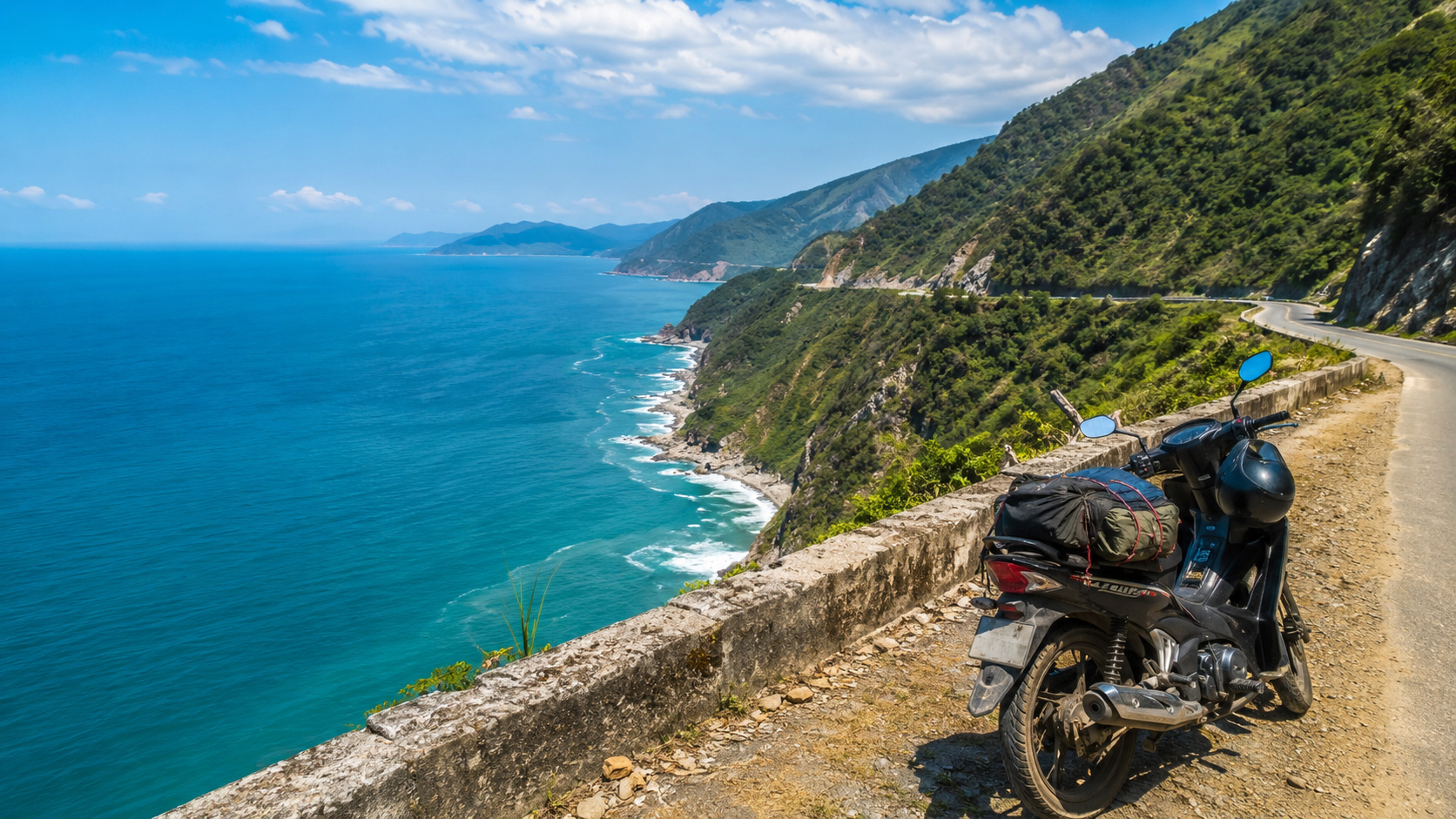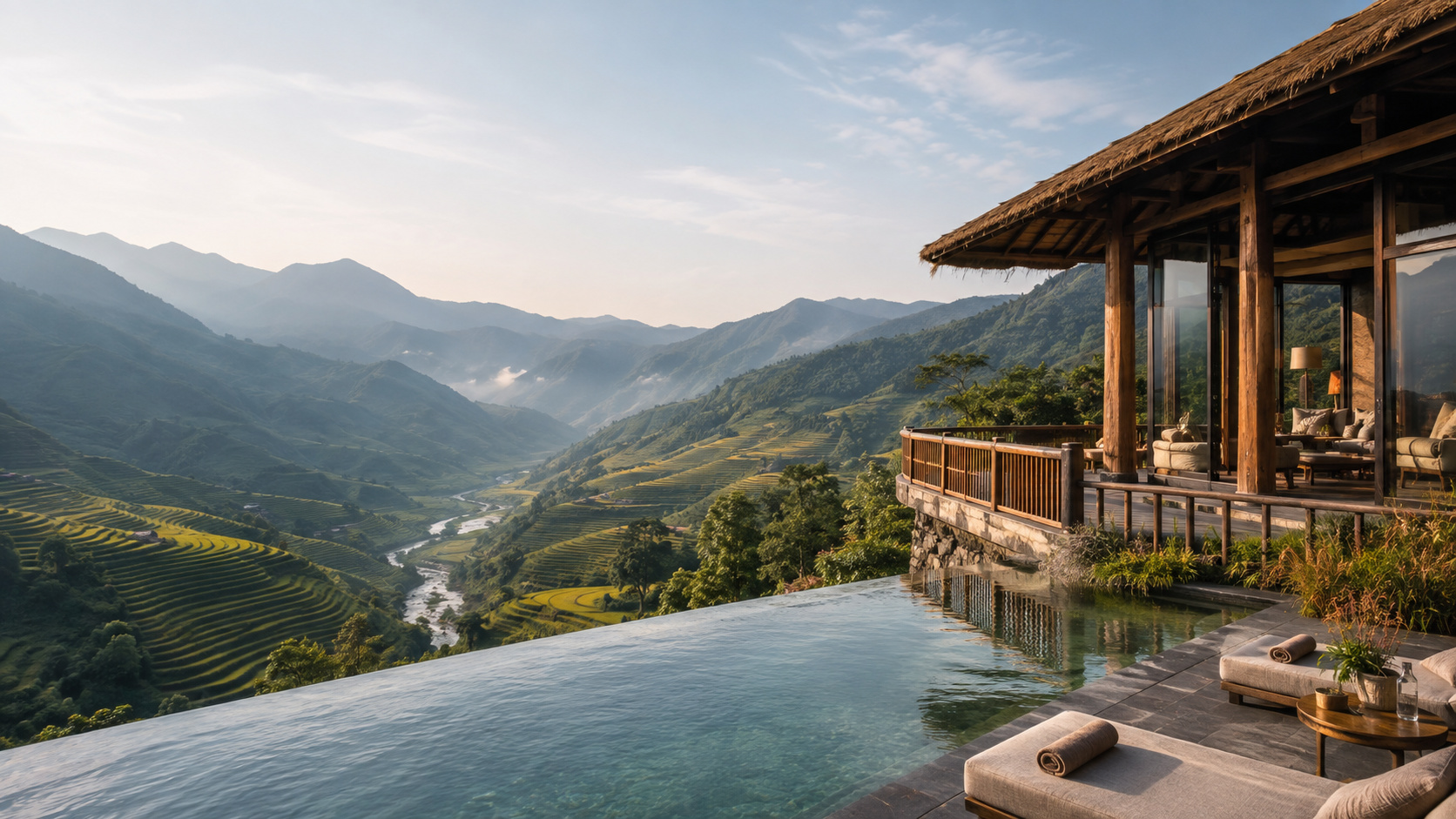

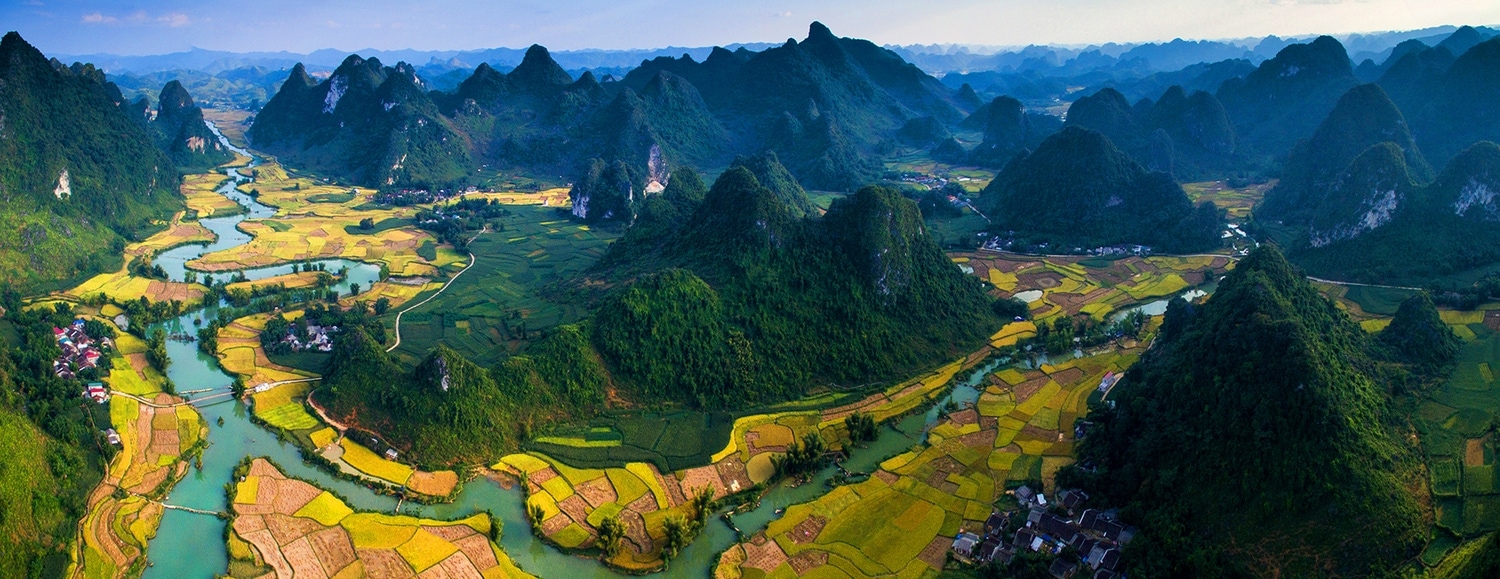
A guided motorcycle trip in Vietnam can bring travelers closer to the country’s landscapes than almost any other style of travel. Roads curve through mountain passes, rice valleys, coastal stretches, coffee regions, small towns and roadside meals that never appear in ordinary itineraries. But this freedom needs discipline. A motorcycle journey is not only about scenery; it is about safety, route judgment, weather, riding level, guide leadership, vehicle condition and the rhythm of each day. The best guided trip gives travelers the feeling of openness while quietly managing risk. Before departure, every rider should know what kind of road they are entering, who is leading, and how the group will be protected.
Respect the road before enjoying the freedom
Motorcycle travel in Vietnam can feel poetic, but the road is not a decoration. It is the main environment of the journey. Traffic patterns, mountain curves, village crossings, weather changes and road surfaces all require attention. A guided route should never sell adventure as carelessness. It should explain the riding level required, the expected hours per day, the type of motorcycle used and how the guide manages stops, speed and safety. Travelers should be honest about their experience. Riding in Vietnam is different from riding on quiet roads elsewhere. The more clearly the trip is prepared, the more freedom the rider can safely enjoy.
Check whether the route matches your riding ability
Riding ability is the first filter. A beginner should not choose a route built for confident riders, and an experienced rider may feel frustrated by a route designed only for sightseeing stops. Ask about daily distance, road type, mountain sections, traffic density and whether there are alternatives if weather changes.
Ask how the guide controls group rhythm
A guided motorcycle trip depends on the lead rider. The guide should know when to slow down, when to stop, how to keep the group together and how to communicate before difficult sections. This is not only a technical role; it is a responsibility for the mood and safety of the journey.
The guide should also understand the landscape. A good leader knows which roadside stop is worth taking, where lunch should happen, when a viewpoint is safe, and how to keep the group moving without making the day feel rushed.
When comparing motorbike tour Vietnam options, look for detail about guide experience, support style and route logic rather than only scenic promises.
Inspect the motorcycle and safety equipment
A motorcycle trip should begin with the vehicle, not the photo. Check brakes, tires, lights, mirrors, horn, luggage rack and whether the bike fits your height and confidence. Ask what happens if there is a mechanical problem during the route.
Safety equipment matters. Helmets should be proper riding helmets, not decorative accessories. Protective clothing, gloves, rain gear and basic first-aid preparation can change the quality of the journey.
Travelers should also clarify insurance, legal riding requirements and whether they are riding themselves or traveling as passengers with experienced drivers. These details must be understood before the trip begins, not negotiated on the roadside.
Prepare for weather, luggage and long-day fatigue
A motorcycle journey exposes travelers to Vietnam in a direct way. That is its beauty and its challenge. Heat, rain, wind, dust, mountain mist and sudden changes in visibility can affect the day quickly. Luggage must be light and secure. Meals and rest stops must be placed wisely because fatigue can reduce attention. The best trip is not the one that rides the longest distance. It is the one that keeps riders alert enough to enjoy the landscape. Before departure, prepare the body as much as the route. Sleep well, pack simply, understand the weather pattern and respect the fact that small discomforts grow larger on the road.
Pack less than you think
Motorcycle luggage should be simple. A small soft bag, layered clothing, rain protection, basic toiletries, charger, documents and a few personal items are usually more useful than a large suitcase. Heavy luggage makes movement harder and can affect balance.
Use waterproof packing whenever possible. Even when the forecast looks clear, mountain and coastal routes can change quickly.
Plan rest as part of safety
Rest is not weakness on a motorcycle trip. It is part of riding well. Short breaks help the body recover from vibration, sun, concentration and road noise. A good guide should not push the group through long sections without checking fatigue.
Meals should also be chosen with care. Very heavy lunches may make afternoon riding uncomfortable. Simple local meals, enough water and slow pauses often work better than rushed restaurant stops.
Travelers preparing for road conditions can review motorbike tour Vietnam practical tips before deciding how much distance to accept each day.
Understand the emotional rhythm of the route
Motorcycle travel is emotional. The morning may feel exciting, the midday may feel tiring, and the late afternoon may bring some of the most beautiful light of the trip. A well-designed route understands this rhythm.
Do not judge a trip only by distance or destination list. Ask where the route allows quiet, where it becomes challenging and where the guide expects the strongest scenic moments.
Some travelers want mountain drama. Others want rural life, coastal air or small-town evenings. The best guided trip aligns the route with the traveler’s temperament.
A service such as book a motorbike tour Vietnam can help clarify whether the journey should be self-ridden, guided, passenger-based or mixed with other travel styles.
A guided motorcycle trip in Vietnam is unforgettable when freedom and responsibility stay together. The road can reveal mountains, villages, food stalls, coastlines and daily life in a way ordinary transport cannot. But the experience must be prepared with care: route difficulty, guide quality, motorcycle condition, safety equipment, weather, luggage and fatigue all matter. Choose a trip that respects your ability and protects the rhythm of the group. When the essentials are handled properly, motorcycle travel becomes more than adventure. It becomes a moving conversation with Vietnam’s landscapes, roads and local life.
Tradition Việt
Hotline: (+84) 967 04 88 91 / (+84) 376 304 008
Email: info@traditionviet.com
Adresse: CT2A Hanoi Homeland