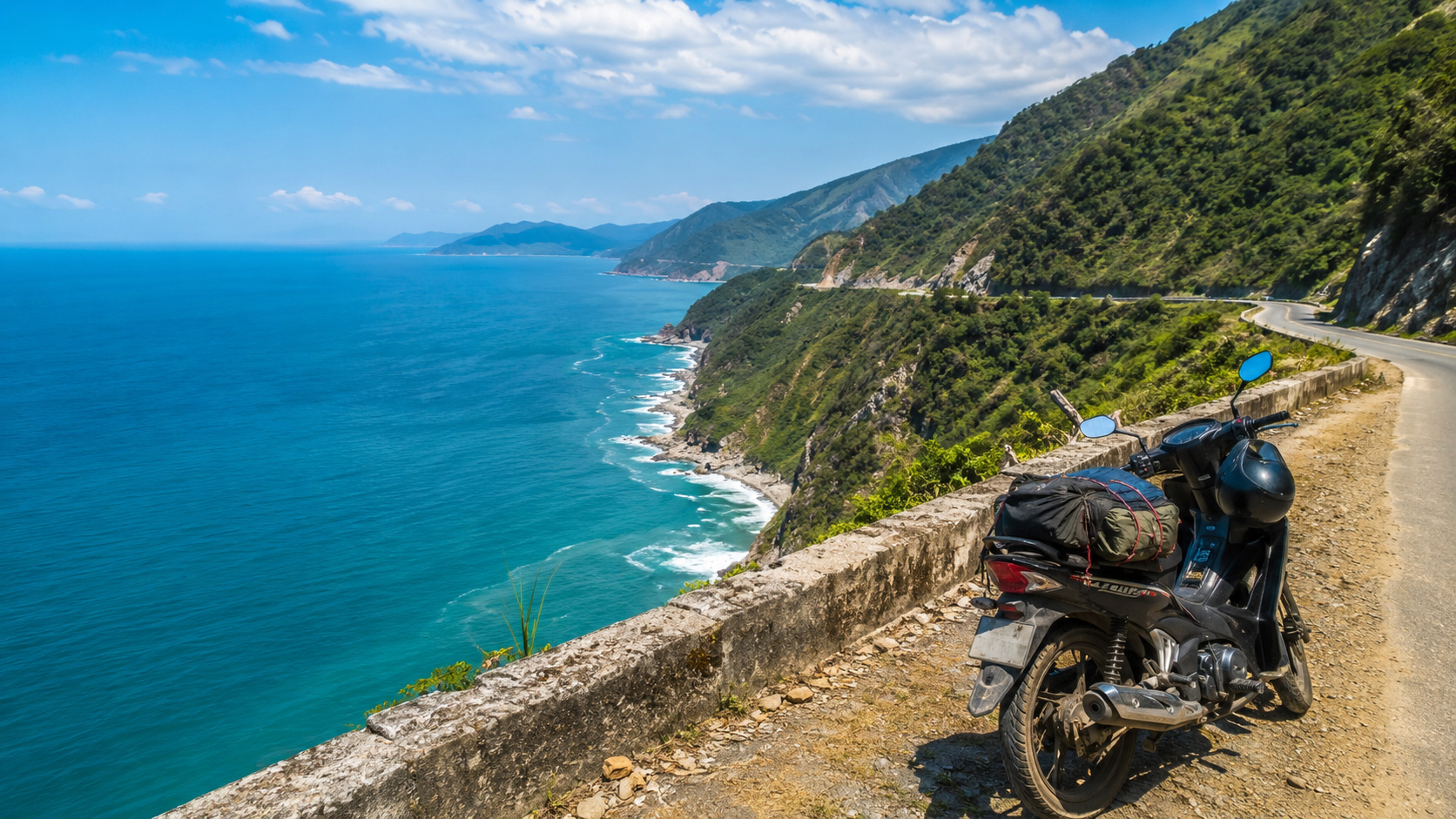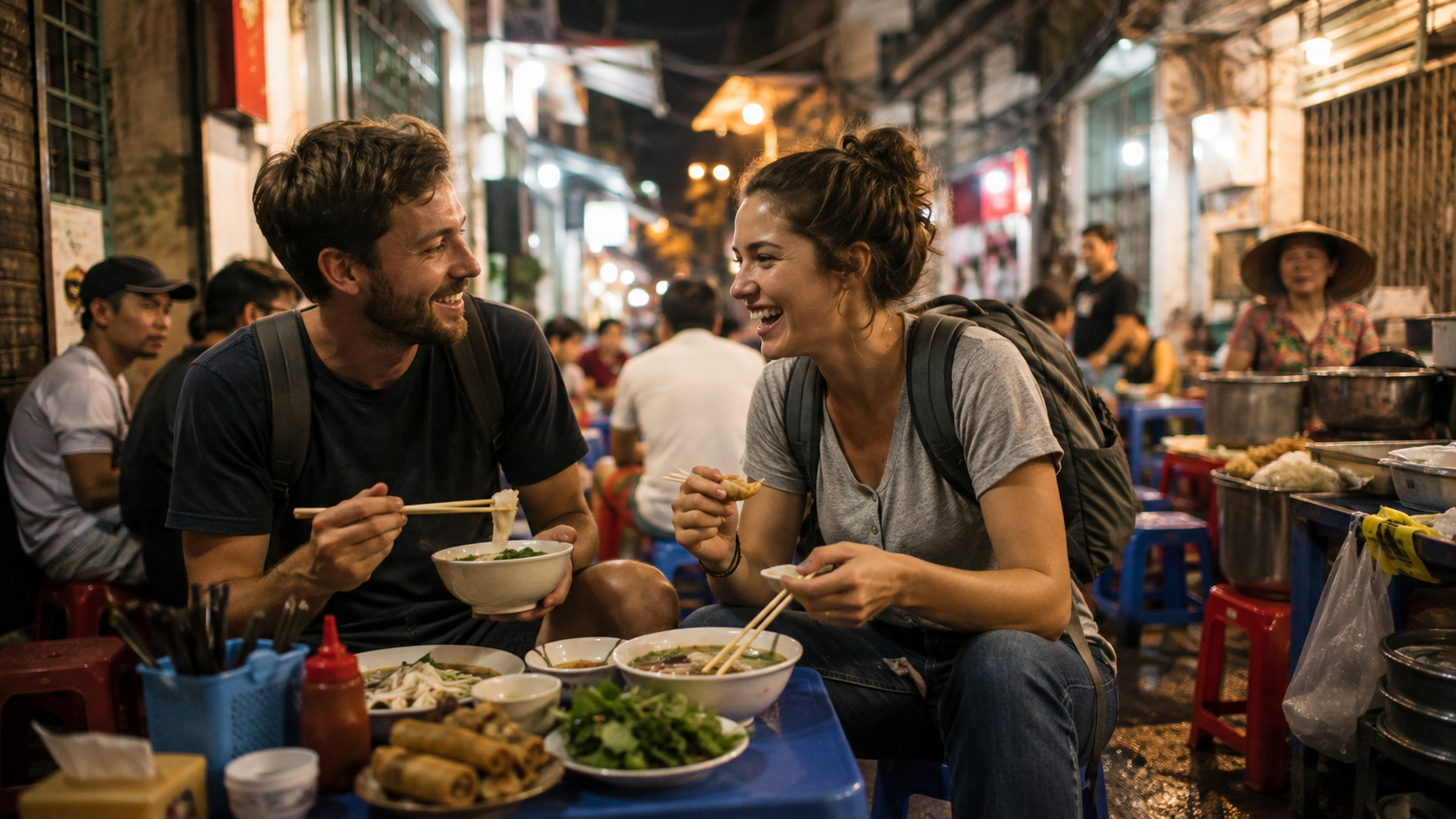


Family friendly Vietnam trips work best when the itinerary is designed around real family energy, not only around famous destinations. Vietnam can be wonderful for children, parents and grandparents because it offers food, beaches, boat rides, old towns, gentle countryside, markets, crafts and warm local encounters. But a family route can become difficult if it is too fast, too hot, too transfer-heavy or too adult-focused. The goal is not to remove adventure. The goal is to make the adventure manageable. A good family trip gives everyone something to enjoy while protecting sleep, meal times, safe movement and enough space for the day to recover when plans change.
Build the route around family rhythm first
A family itinerary should be shaped from the inside out. Before choosing destinations, think about how the family actually moves: how early children wake up, how far older guests can walk, how flexible mealtimes need to be and how much packing the group can tolerate. Vietnam offers many strong routes, but the best family route is not always the most famous one. A slower Hanoi–Halong–Hoi An plan may work better than a long north-to-south journey with too many flights. A beach ending may be more valuable than another city stop. When rhythm comes first, every destination has a better chance to feel enjoyable.
Mistake one: adding too many destinations
The most common mistake is building a family route like an adult checklist. Hanoi, Sapa, Halong Bay, Hue, Hoi An, Ho Chi Minh City, Mekong Delta and Phu Quoc may all sound attractive, but too many stops can turn the trip into luggage management.
Children need time to settle. Parents need practical routines. Older guests need recovery after transfers. A route with fewer stops often creates more real enjoyment than a route that tries to prove too much.
A clear Vietnam family tours guide can help families compare route depth, activity level and comfort before committing.
Mistake two: ignoring hotel function
A family hotel is not only a pretty room. It needs the right location, room setup, breakfast quality, elevator access, pool safety, nearby restaurants and enough quiet for rest. A beautiful hotel far from meals or transport can create daily stress.
Room configuration matters. Connecting rooms, family rooms or practical room layouts can make evenings smoother and mornings easier.
Also check whether the hotel works for the local stage of the trip. A city hotel should support movement and food access. A beach hotel should support rest. A countryside stay should support safety and clear communication.
Travellers can use Vietnam family itinerary planning to understand how hotels, transport and activities fit together.
Mistake three: planning active days without soft days
Families can enjoy active travel, but not every day should be active. A boat ride, market visit, walking tour or countryside activity needs to be balanced with pool time, beach time or a slower morning.
Make culture easy to enter
Vietnamese culture becomes family-friendly when it is experienced through the senses. Children may not remember long historical explanations, but they may remember making lanterns, tasting fruit, riding a boat, trying noodles, watching a craftsperson work or walking through a market with a guide who knows how to keep the moment light. Parents often want cultural value, while children need participation. The best family route translates culture into experiences that different ages can enter. It does not make every stop childish, but it keeps explanations short, movement safe and the mood warm.
Mistake four: choosing tours that are too adult in style
Some tours are excellent for adults but difficult for families. Long museum visits, heavy history programs, complex walking routes and late dinners may not suit children or older guests. The content may be valuable, but the format needs adjusting.
A family-friendly guide should know how to tell stories simply, create pauses and read attention span. They should make the route feel welcoming rather than academic.
Mistake five: forgetting food flexibility
Vietnamese food can be a highlight for families, but children may need familiar options at times. A good plan should mix local discovery with comfort. A noodle breakfast, a fruit stop, a simple rice meal or a gentle food walk can work beautifully when paced well.
Dietary needs should be explained early. Fish sauce, peanuts, seafood or meat broths may appear in dishes unexpectedly.
Food should not become a battle. Let some meals be adventurous and others be easy.
Mistake six: underestimating transfer stress
Transfers are where many family trips lose their rhythm. A four-hour drive may be manageable for adults but hard for children. Domestic flights may save distance but add airport pressure.
Plan snacks, rest stops, luggage strategy and realistic departure times. If possible, avoid placing demanding activities immediately after a long transfer.
A useful Vietnam family transport guide can help families decide when to drive, fly, stay longer or simplify the route.
Keep the trip flexible enough for real life
Family travel rarely follows the plan perfectly. Someone may be tired, hungry, overstimulated, hot or simply not in the mood for another activity. A good Vietnam itinerary leaves enough space to adjust without feeling like the day has failed. Flexibility is not weak planning. It is family intelligence. The route should include optional activities, lighter evenings and free time in useful locations. The goal is to keep the journey alive while protecting the family’s emotional balance. A trip that bends a little often becomes more successful than one that is technically full but constantly tense.
Mistake seven: filling every evening
Evenings are important recovery time. A family may enjoy one or two special dinners or night markets, but every evening should not be programmed. Children often need earlier rest, and adults need time to reorganize.
Mistake eight: not using local support for specific needs
Families often have practical needs that generic packages ignore: baby seats, adjoining rooms, slower walking pace, dietary limits, laundry, pool preferences, medical caution or airport timing. These details matter on the ground.
A custom route through local Vietnam family travel support can help match the itinerary to real ages, habits and comfort needs.
Family friendly Vietnam trips succeed when the itinerary respects the people inside the journey. Avoid too many destinations, weak hotel choices, overactive days, adult-only tour formats, rigid meals and stressful transfers. Vietnam offers families a rich mix of nature, food, culture, beaches and everyday warmth, but these experiences need the right pace. A better route lets children participate, gives parents confidence and protects rest for everyone. When family rhythm leads the planning, Vietnam becomes easier, softer and far more memorable.
Tradition Việt
Hotline: (+84) 967 04 88 91 / (+84) 376 304 008
Email: info@traditionviet.com
Adresse: CT2A Hanoi Homeland