

Family friendly Vietnam trips need a different kind of intelligence from ordinary sightseeing routes. The question is not how many destinations can fit into ten or twelve days, but how comfortably the whole family can move, eat, rest and enjoy the country together. Children may love lantern streets, boat rides, beaches and hands-on activities, while parents often need safe transfers, reliable hotels and enough pauses to prevent the day from falling apart. Older guests may appreciate culture and scenery but need fewer stairs, shorter walks and calmer mornings. Vietnam can work beautifully for families when the route is paced with care. The best family itinerary feels rich, but never breathless.
Make the route gentle before making it full
A family trip should begin with pace. Vietnam has many tempting stops, but a route that works for solo travelers or couples may be too demanding for a family group. Long transfers, early departures and one-night stays can quickly reduce everyone’s patience. Instead of asking how much can be included, start by asking what the family can enjoy without becoming tired. Hanoi, Halong Bay, Hoi An, Ho Chi Minh City, the Mekong Delta, Nha Trang and Phu Quoc can all be family-friendly when arranged well. The secret is not only choosing the right places, but placing them in an order that gives children and adults time to recover.
Avoid too many one-night stops
One-night stops often look efficient on paper, but they can be difficult for families. Packing, checking out, transferring and settling into a new hotel takes more energy when children, grandparents or multiple rooms are involved. A destination needs enough time to become useful, not just visible.
It is usually better to stay longer in fewer places. Two or three nights can allow a family to find familiar breakfast routines, nearby restaurants and a comfortable rhythm. This is especially helpful in Hoi An, beach destinations or cities where the first day may already be affected by arrival fatigue.
Place active days between softer days
Children may enjoy active experiences, but not every day should be active. A boat trip, walking tour, market visit or countryside excursion should be balanced with slower time at the hotel, pool or beach. This keeps the trip from becoming a chain of small pressures.
Choose experiences that work across ages
Vietnam’s family appeal comes from variety. One day can involve a boat ride, another can bring food discovery, another can be spent on the beach, and another can introduce history or craft in a light, accessible way. The challenge is making each experience suitable for different ages. A museum may interest adults but bore young children if the visit is too long. A beach day may delight children but exhaust grandparents if shade and facilities are weak. A good family route does not avoid culture; it translates culture into experiences everyone can enter. This means shorter explanations, more sensory moments, flexible stops and enough comfort around each activity.
Use cities for food, stories and short discoveries
Cities can work well for families when the program is not too heavy. Hanoi and Ho Chi Minh City offer food, cafés, local markets, short walks and guided introductions that can be shaped around attention span. A family does not need a full academic history lesson to enjoy a city; it needs good timing and a guide who knows when to pause.
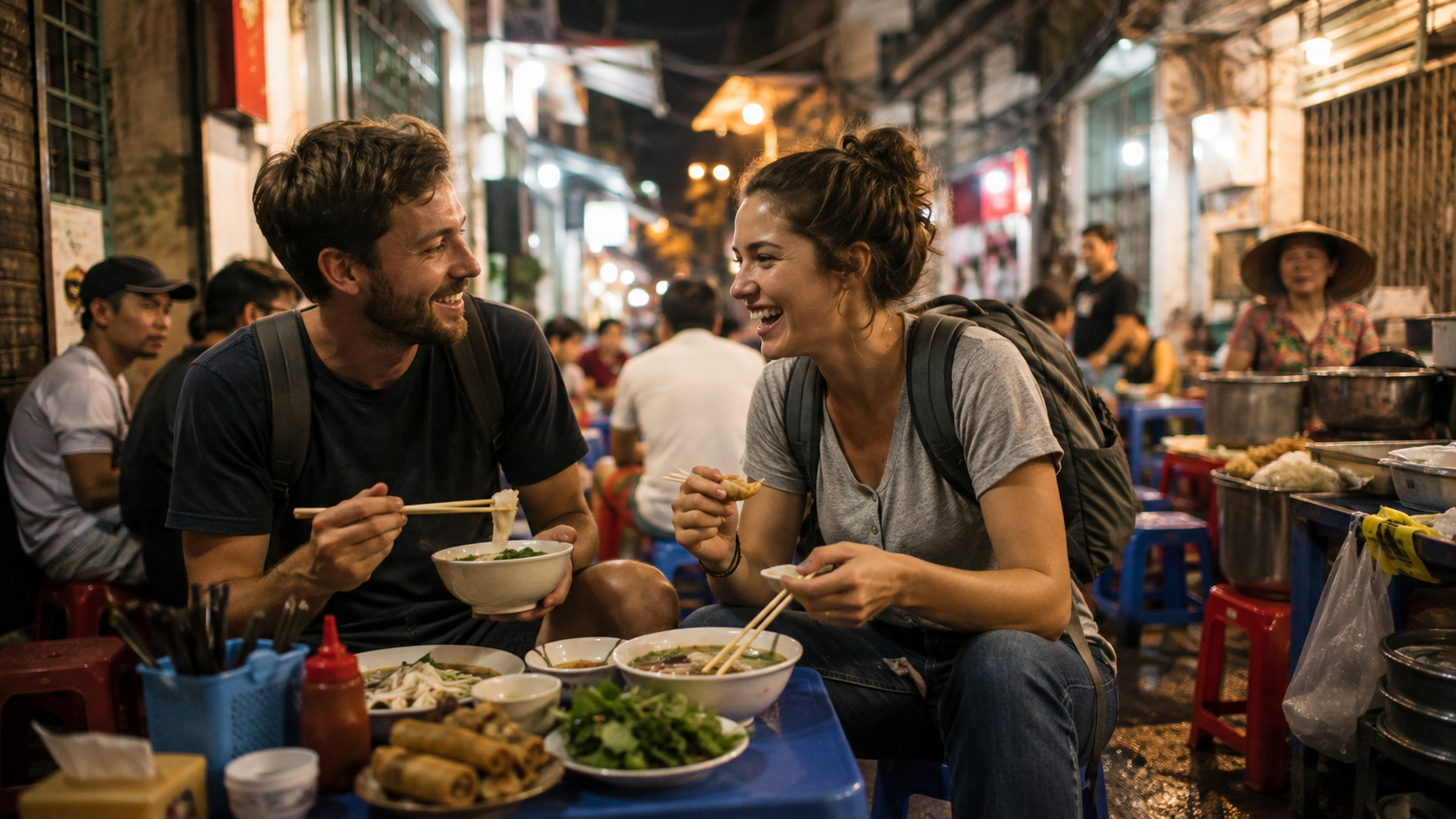
Food is often the easiest doorway into culture. Children may remember noodles, fruit, pancakes, grilled dishes or sweet drinks more vividly than a formal monument. Parents can use these moments to introduce Vietnam naturally.
A light city tour can also help families understand traffic, neighborhoods and local habits before moving deeper into the country. For planning structure, Vietnam family tours can help identify which destinations are easiest to combine.
Let water and nature carry part of the trip
Water experiences often work beautifully for families: Halong Bay cruises, basket boats near Hoi An, Mekong Delta waterways, island days or beach breaks. They give children movement and novelty without requiring long explanations.
Nature should still be chosen carefully. Mountain treks, cave visits or long outdoor excursions need honest assessment of age, weather and fitness. A short walk through countryside may be more successful than an ambitious hike that leaves everyone tired.
Beach time is not just a reward at the end. It can be a practical reset in the middle of the itinerary. A family that rests well travels better afterward.
When building a balanced route, a Vietnam family itinerary can help decide where to place nature, beach and city experiences.
Keep cultural activities hands-on when possible
Hands-on experiences are often easier for children to enjoy than passive sightseeing. Cooking, lantern making, short market visits, simple craft introductions or gentle cycling can turn culture into participation.
The activity should still be short enough to remain fun. A family workshop that runs too long may lose younger children, while a well-timed one can become a highlight of the trip.
Parents should also check whether the activity has shade, toilets, safe access and clear instructions. These small details decide whether an experience feels smooth or stressful.
The best family activities create stories afterward. Children may not remember every date or monument, but they remember making something, tasting something or meeting someone kind.
Protect comfort, food and support
Comfort is not a luxury in family travel; it is part of making the trip successful. A family-friendly route should consider room configuration, elevator access, safe transport, meal timing, laundry, nearby pharmacies, flexible guides and realistic driving distances. Food matters too. Vietnam is generous and varied, but families may need a mix of local meals and familiar options, especially for younger travelers. The best planning does not force every meal to become an adventure. It gives the family enough choice to stay comfortable while still discovering local flavors. Support also matters when small changes are needed quickly.
Choose hotels for function, not only beauty
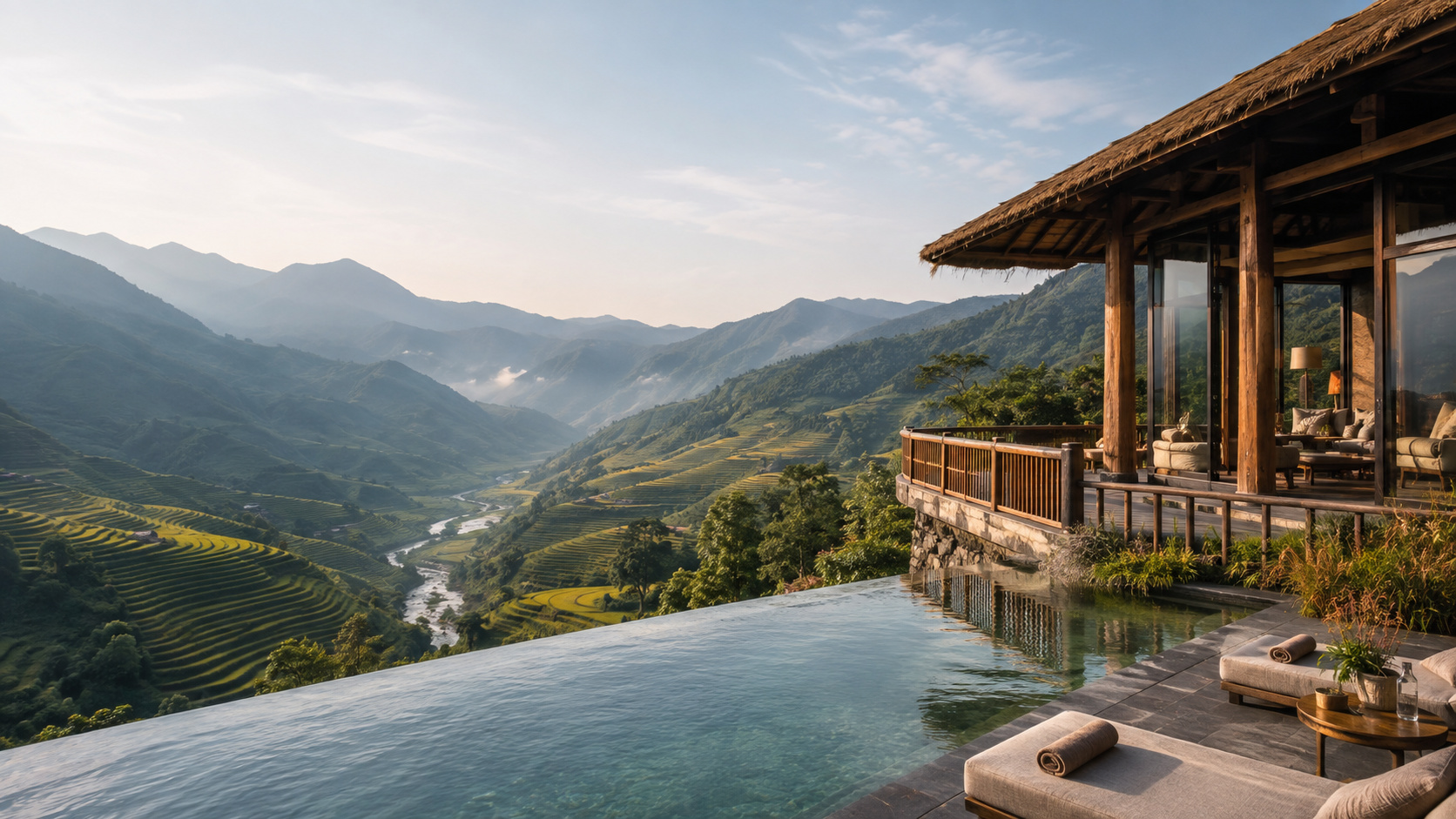
A beautiful hotel may not be the best family hotel. Connecting rooms, family rooms, breakfast quality, pool safety, location, elevators, quiet nights and nearby restaurants can matter more than design. Before booking, imagine the practical movements of a normal day.
Plan transfers with patience
Transfers are often where family trips become difficult. A four-hour drive may be acceptable for adults, but harder for children or older guests. Breaks, snacks, departure time and vehicle comfort should be planned carefully.
Domestic flights can save time, but they also involve airport waiting, luggage and schedule pressure. Trains can be memorable, but they may not suit every family. The right transfer is the one that protects energy, not only distance.
A useful Vietnam family transport guide can help families decide when to drive, fly, stay longer or simplify the route.
Work with local support when needs are specific
Families often have specific needs: baby seats, dietary limits, slower walkers, adjoining rooms, swimming preferences, medical caution or school-holiday dates. These details are difficult to solve with a generic package.
Local support helps translate those needs into a realistic itinerary. It can also adjust the route when weather, tiredness or timing changes the original plan. This is valuable because a family trip should feel supported without feeling over-controlled.
For families who want a route designed around their actual ages and travel habits, custom Vietnam family itinerary support can turn a broad idea into a trip that works on the ground.
Family friendly Vietnam trips succeed when the itinerary is built around real people, not just destinations. Children need variety and rest. Parents need reliability and practical comfort. Older guests may need gentler pacing and easier access. Vietnam offers the right ingredients: cities full of food and stories, rivers, beaches, countryside, old towns and warm hospitality. The difference lies in how these ingredients are arranged. Choose fewer stops, protect soft days, plan transfers carefully and make culture accessible through experience. When a family route is designed with patience, the journey becomes easier, richer and more enjoyable for everyone traveling together.
Tradition Việt
Hotline: (+84) 967 04 88 91 / (+84) 376 304 008
Email: info@traditionviet.com
Adresse: CT2A Hanoi Homeland