

There is no single perfect month for all of Vietnam. The country stretches for more than 1,600 kilometres, and the weather changes noticeably between the north, the central coast and the south. Travellers usually get better results when they stop looking for one universal answer and instead decide which region matters most in their itinerary. A trip focused on Hanoi and Ha Long Bay needs a different seasonal logic from a holiday built around Hoi An, Hue, Ho Chi Minh City or Phu Quoc.
From a local planning point of view, the most comfortable windows for a multi-stop journey are often the transition months, when humidity feels lighter, heavy rain is less persistent and moving from one region to another is less tiring. Even so, the best time to visit Vietnam should always be matched with the kind of holiday you want. Some travellers care most about cool weather for walking and sightseeing. Others want calm beach days, golden light or greener landscapes even if a shower appears now and then. When the season fits the way you like to travel, the whole trip feels smoother.
Choose the season by region for a more balanced itinerary
To choose the best time to visit Vietnam, it helps to see the country as several weather zones rather than one climate. This makes it easier to build a route that feels coherent instead of having one wonderful section and another that is too hot, too wet or too tiring.
Northern Vietnam works best when you want walking days, scenery and outdoor heritage visits
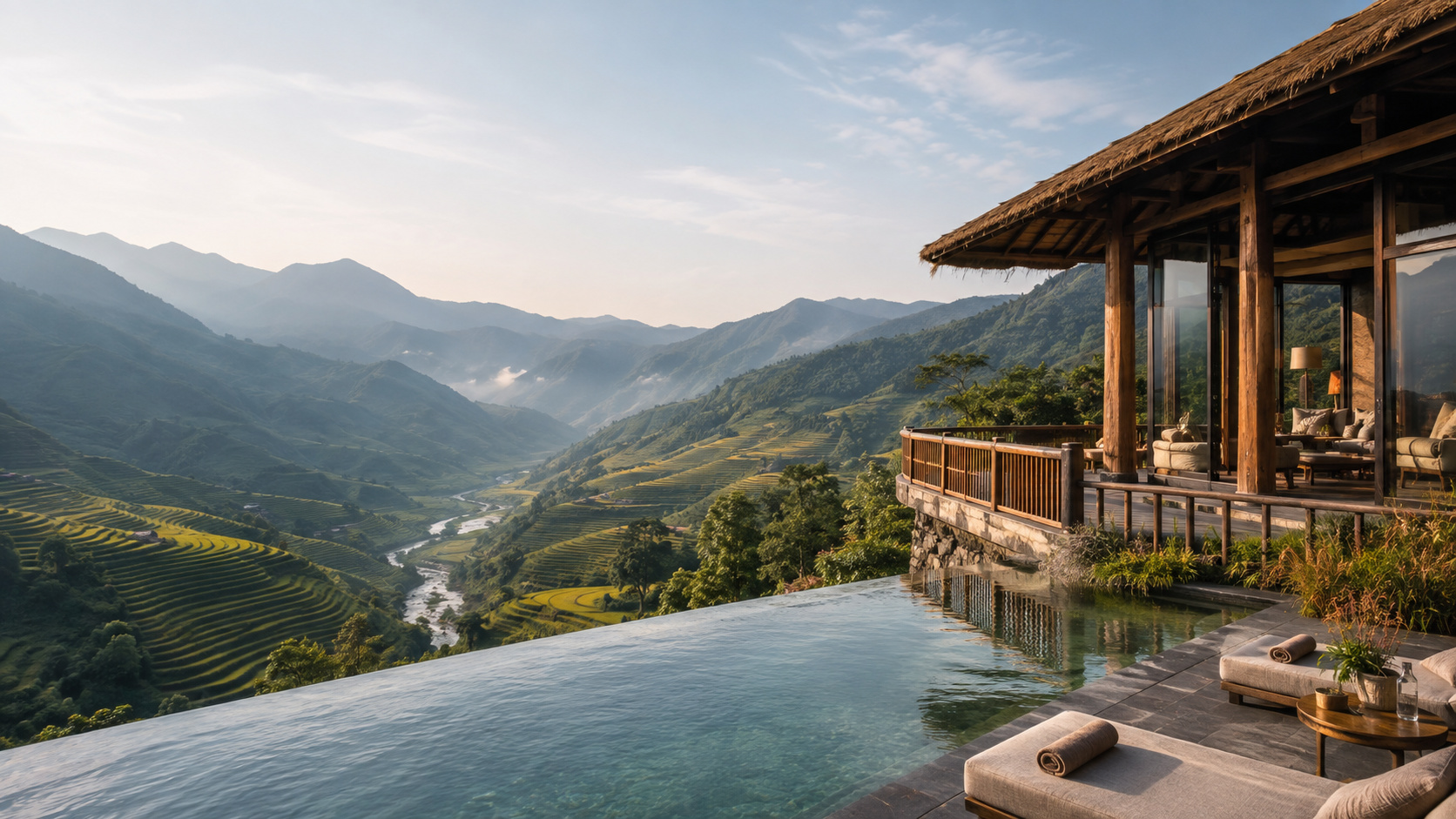
Northern Vietnam is usually most comfortable during the milder spring period and again in autumn, when temperatures feel easier for full days outside. If your trip includes Hanoi, Ninh Binh, Ha Long Bay or scenic mountain areas, these windows often make walking, boat rides, old-quarter exploration and heritage visits more pleasant. Lower humidity also helps when you have several travel days in a row, especially on a one-week or two-week itinerary.
Late winter and early spring can still be charming because of misty mornings and a softer atmosphere, but some days may feel chilly, especially in higher elevations. Summer brings vivid green landscapes and energetic city life, yet heat and sudden storms can make outdoor sightseeing more demanding. If the heart of your trip is in the north, it is usually wiser to prioritise cool air, clearer skies and overall comfort rather than simply choosing the busiest season.
Central Vietnam suits travellers who want old towns, beaches and cultural depth in one journey
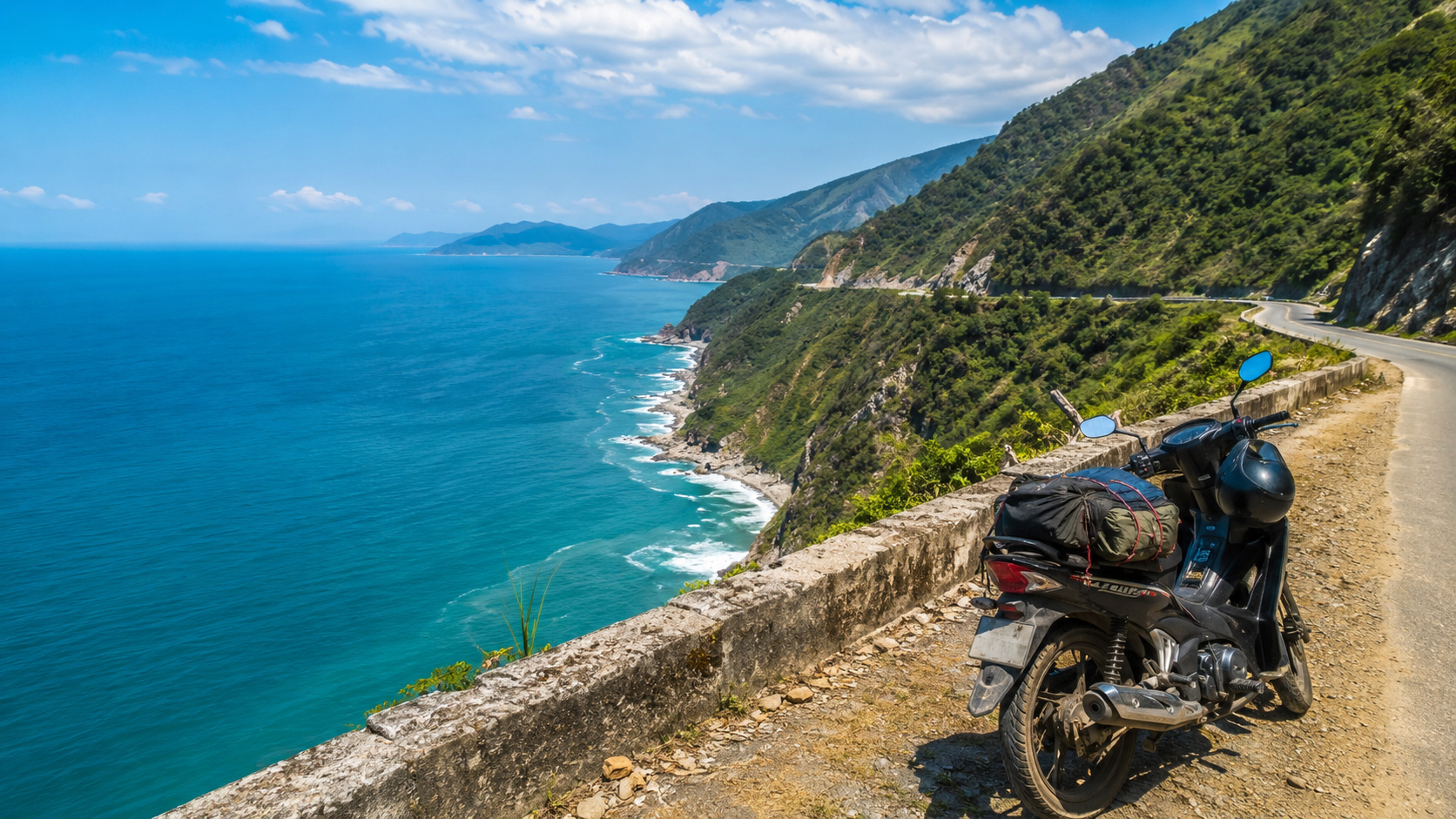
Central Vietnam follows a different weather rhythm from the north and the south, which is why many travellers choose the wrong dates when they rely on one generic answer for the whole country. For Hue, Da Nang, Hoi An and the central coastline, the first part of the year through mid-year is often more favourable for outdoor travel. Clearer skies, stronger light and drier conditions tend to improve old-town walks, boat rides, imperial sites and beach time.
Later in the year, some destinations in central Vietnam can become wetter and more overcast, and beach-focused travel may lose some of its appeal. Still, the region can remain very rewarding if your priorities are culture, cuisine and atmosphere rather than long sea days. In that case, a better strategy is to adjust the pace of the trip, choose well-located hotels and mix outdoor visits with indoor experiences so the journey still feels relaxed and enjoyable.
Southern Vietnam is convenient when you want warmth, flexibility and a gentler holiday rhythm
Southern Vietnam stays warm throughout the year, so the overall travel feeling is rarely interrupted by cold weather. Ho Chi Minh City, the Mekong Delta and Phu Quoc are often good choices for travellers who want a trip that feels easy to manage, with relaxed dining, straightforward transfers and options that work for mixed-age groups. The dry season is usually more convenient for boat outings, market visits, orchard experiences and beach breaks, especially if you want the final days of the trip to feel open and restful.
The rainy season in the south does not necessarily mean washed-out days. Many days still begin bright and only see showers later in the afternoon or evening. If you do not need uninterrupted blue skies for every activity, this period can still be worthwhile, especially when you appreciate greener scenery and softer pricing. For itineraries that need to end with a calm, easy holiday mood, the south is often one of the simplest regions to shape well.
If you are comparing several travel windows, Tradition Việt can help you weigh the seasons against your route, travel length and preferred style before you commit to exact dates.
Match the season with your travel style so the trip feels right
The best time to visit Vietnam is not only about sunshine or rain. It is also about the kind of holiday you want to remember afterwards: more walking or more downtime, scenic movement or resort comfort, lively energy or quieter days with more breathing room.
If you enjoy nature and active sightseeing, choose comfort outdoors over the busiest season
Trips with long walking days, stone steps, cave visits, boat excursions or outdoor heritage touring usually depend more on mild, manageable weather than on being in peak season. When the air feels lighter, the body keeps its energy for longer and the travel day remains pleasant from morning to evening. That matters on routes such as Hanoi, Trang An, Hue, Hoi An and Ha Long Bay, where much of the pleasure comes from staying outside and moving comfortably.
Travellers sometimes pick the most crowded dates because the photos look beautiful online, yet the more satisfying period can be just before or just after the strongest peak. With slightly fewer visitors, there is more space to absorb the landscape, take natural photos and enjoy famous places without constant pressure. For nature-and-heritage itineraries, physical comfort often shapes the quality of the holiday more than the buzz of the season.
If beach rest is your priority, focus on stable conditions rather than average temperature alone
For beach-oriented trips, the best moments often come from very practical details: reliable morning sunshine, calmer sea conditions, enough outdoor time and smooth boat or island transfers. That is why choosing a season for Hoi An, Da Nang, Nha Trang or Phu Quoc should be based on overall weather stability, not only on average temperature. A warm number on paper is less useful if the sea is rough or the day keeps breaking apart around showers.
This becomes even more important when the trip includes children, older travellers or anyone who needs a slower pace. A beautiful resort reaches its full value when you can actually enjoy the pool, the beach, the outdoor activities and sunset dinners without redesigning the day again and again. Small practical details like these often decide whether a beach holiday feels restorative or merely expensive.
If you want to optimise budget, aim for the sweet spot instead of the most expensive dates
The ideal time to visit Vietnam is not always the most expensive one. For many travellers, the smartest choice is a season that is good enough rather than ultra-peak: weather is generally favourable, services are less stretched and hotel or airfare pricing is not pushed to the top of the market. This is one of the most practical ways to protect both comfort and value, especially on a multi-stop itinerary or a journey that requires good-quality hotels.
When you plan with a local team, it becomes easier to see the difference between a trip that saves money intelligently and a trip that has to compromise because the dates were chosen badly. The right shoulder season can mean a better room, a smoother route, an extra night in the place that deserves it most or a more private experience overall. In many cases, that creates far better value than chasing the lowest price alone.
If you already know your holiday window but are still unsure whether to travel north to south or focus on one region, send us your dates and traveller count. Tradition Việt can suggest the strongest seasonal frame before moving to a detailed quote.
FAQ
Which month is best for Vietnam?
For a multi-region trip, transition months are often the easiest overall. The real answer still depends on which part of Vietnam will carry the most weight in your itinerary.
Can I visit Vietnam in the rainy season?
Yes, if you understand the regional patterns and do not expect perfect sunshine every day. Many trips still work very well, especially when you value greener scenery and softer prices.
How should I combine north, central and south Vietnam in one holiday?
Start with the region that matters most to your trip and choose dates that suit it best, then adjust the pace and number of nights in the other regions.
What matters most for a beach trip in Vietnam?
Prioritise weather stability, sea conditions and suitability for your travel group rather than looking at temperature alone.
When should I ask for advice on timing?
As soon as your possible travel dates become fairly clear. Choosing the season early makes route planning and budget estimates much more accurate.
Send us your preferred travel dates, the number of travellers and your main wishes to receive itinerary advice and a suitable quote from Tradition Việt.
📞 Hotline: (+84)967 04 88 91 / (+84)376 304 008
📧 Email: info@traditionviet.com
Address: CT2A, Hanoi Homeland, Thuong Thanh Ward, Long Bien District, Hanoi.