

Hanoi is not a city that can be fully understood by simply passing through a few famous sites. What makes the capital memorable is the way small experiences connect with one another: a morning by the lake, an old alley, a hot local meal, a story inside a temple, or a short conversation with a long-time vendor. For this reason, travelers planning things to do hanoi tours should choose experiences with depth, not only count the number of stops.
A good itinerary should help visitors feel different sides of the city: history, food, local life, cultural spaces, and quiet pauses that allow the day to breathe. A traveler who loves photography will need a different route from someone focused on food. A family with young children will need lighter and more interactive experiences. This guide suggests activities that can give a Hanoi journey its own character instead of turning it into a rushed sightseeing day.
Experiences that help travelers understand Hanoi better
To understand Hanoi, travelers should begin with activities that open the city’s story. A beautiful place may create a first impression, but a well-chosen experience helps visitors remember more. It may show how the Old Quarter works, why breakfast matters so much in local life, or why lakes and temples appear so naturally within the city. When activities are arranged with meaning, Hanoi tours become journeys of discovery rather than simple movement between attractions.
Walk through the old streets to feel real local life
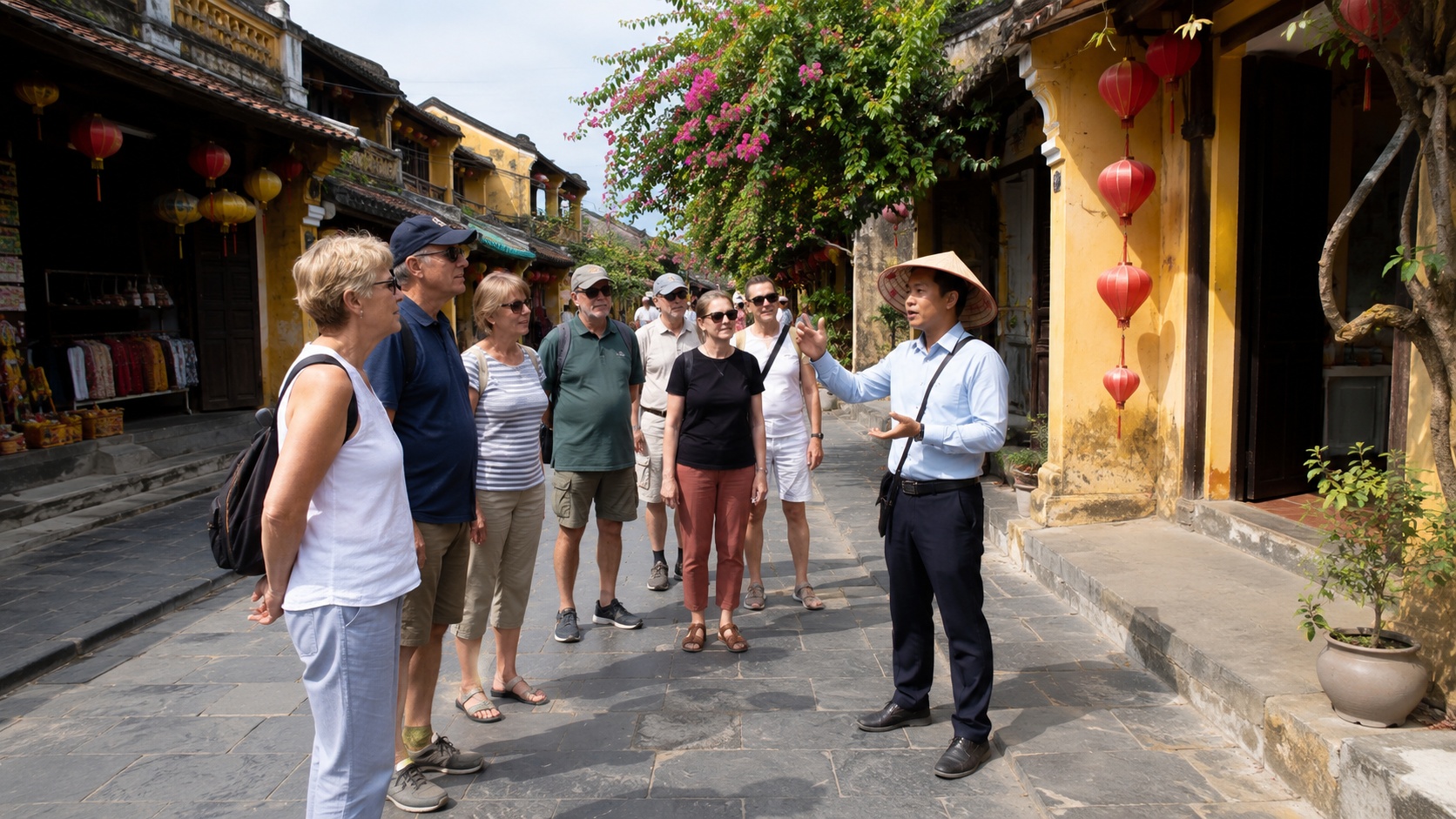
Walking through Hanoi’s old streets is one of the most natural ways to begin. Travelers can see local life at close range: vendors opening early, motorbikes moving through narrow lanes, small eateries placing stools near the pavement, and the smell of coffee mixing with hot dishes from compact kitchens. This experience does not need heavy explanation, but with a knowledgeable guide, each corner becomes easier to read: craft streets, tube houses, small markets, communal houses, temples, and the way urban families have adapted over time.
Explore food by mealtime, not only by famous dishes
Hanoi food should not be experienced as a checklist of dishes to try. It is more interesting to understand which foods belong to the morning, which ones suit lunch, and which dishes feel more natural in the evening or during cooler weather. A morning bowl of phở, a lunch serving of bún chả, an afternoon egg coffee, or a light meal in a small alley each has its own setting. When travelers follow the rhythm of local meals, the city feels much closer.
A good food tour also depends on choosing the right setting. Some places are famous among visitors, some are small restaurants loved by locals, and others look modest but have kept a steady flavor for many years. A guide can help travelers order, use sauces, choose less crowded hours, and understand why Hanoians are so loyal to certain long-standing food addresses. These details give the meal more depth.
For travelers with dietary needs, preparation matters even more. Vegetarians, families with children, or visitors who are not used to strong herbs and sauces should discuss preferences in advance so the route can be adjusted. A memorable food experience is not about eating as much as possible. It is about eating the right dish, at the right time, in a place with a story.
Visit cultural sites and museums with a clear story
Hanoi has many cultural sites and museums, but not all of them should be included in one day. The Temple of Literature works well for stories about education, learning traditions, and classical architecture. The Ba Dinh area helps travelers understand more about modern Vietnamese history. Some museums open perspectives on ethnology, women, war, or fine arts. If too many sites are added, visitors may become tired and lose focus.
A better approach is to choose one theme. Travelers interested in history may prioritize Ba Dinh, the Temple of Literature, and one suitable museum. Families with children may prefer open spaces, moderate duration, and stories that are easy to follow. Architecture lovers may combine the French Quarter, the Opera House, old villas, and selected spiritual buildings. When each stop has its own role, the itinerary feels less fragmented.
Activities to add more depth to the journey
After the essential experiences, travelers should add one or two more personal activities. This is what makes a Hanoi tour different from a generic itinerary. Some visitors remember an egg coffee workshop most clearly, others enjoy a morning market, a craft village, or a quiet walk by the lake. These activities do not need to be grand, but they should fit the traveler’s interests, available time, and walking comfort. When chosen well, they create the feeling of truly touching Hanoi.
Try a craft or local coffee experience
Hanoi offers many gentle but meaningful experiences, such as learning to make egg coffee, discovering folk painting, visiting a craft space, or exploring a traditional village near the city. These activities suit travelers who want to understand culture through hands-on moments rather than only through explanations. When visitors make something small themselves or watch artisans at work, the story of tradition becomes closer and easier to remember.
Coffee culture is also an interesting part of Hanoi. Some cafés are hidden in old lanes, some look down onto busy streets, and others have kept a family-style atmosphere for years. A well-chosen coffee stop can soften the itinerary, especially after several hours of walking. It also gives travelers time to ask a guide about daily life, local habits, or small details that do not appear in guidebooks.
Visit a market to see the morning rhythm
A local market can show travelers a very real Hanoi: fresh herbs, fruit, fish stalls, rice noodles, spices, bargaining voices, and quick but familiar exchanges. This experience is especially suitable for visitors interested in food, everyday photography, or local culture. It is best to go with someone who understands the market, so travelers can observe respectfully and avoid interrupting the routines of local people.
Add a nearby experience if you have extra time
If travelers have two or three days in Hanoi, they can spend part of the trip outside the city center. A pottery village, ancient village, craft village, or quiet suburban area can create an interesting contrast with the central streets. After seeing lakes, old quarters, cultural sites, and food places within the city, a short trip beyond the center helps visitors understand the connection between urban Hanoi and the surrounding cultural landscape.
This choice is especially suitable for travelers who want a slower journey. Instead of adding too many famous attractions to one day, a nearby experience can feel more relaxing and more meaningful. Families often enjoy places with more space, less traffic, and interactive elements such as watching artisans work or trying a simple craft step.
However, travelers should not add an outside-city stop if time is too limited. With only half a day or one day, it is better to focus on the city center and avoid losing too much time in transfers. If you want to know which activity matches the season, duration, and next destination, talk to a Vietnam travel advisor to arrange a Hanoi tour that feels rich but not overloaded.
Frequently asked questions about things to do in Hanoi tours
What should I do first on a Hanoi tour?
For a first visit, start with the old streets, Hoan Kiem Lake, and a light food experience. This helps travelers adjust to the city’s rhythm before going deeper into cultural sites or museums.
Is a Hanoi food tour suitable for children?
Yes, if the dishes are approachable, the places are clean, and the route is not too long. Families should mention dietary needs in advance so the itinerary can be adjusted.
Should I visit a museum if I only have a short time in Hanoi?
Yes, but choose one museum that matches your interests instead of trying to visit several. One well-explained cultural stop is more valuable than many rushed ones.
Is a local market difficult for foreign travelers?
Not too difficult with a guide. Markets can be busy and full of sound, but they are very rewarding for travelers who want to understand daily life and local food culture.
Should I book craft or coffee experiences in advance?
Yes, especially for small workshops, guided activities, or experiences that require preparation. Booking ahead helps secure availability and keeps the schedule smooth.
What should I prioritize with only one day in Hanoi?
Choose one walking route, one important cultural site, one food experience, and one coffee or rest stop. Avoid overloading the day because Hanoi is best enjoyed at a moderate pace.
A strong Hanoi tour is not defined by the number of activities, but by how those experiences connect. When old streets, food, cultural sites, markets, coffee, and local stories are arranged well, travelers understand the city through more than one sense. Hanoi then becomes not only the capital of Vietnam, but a place with memory, flavor, and a rhythm of its own.
Tradition Việt can help design Hanoi tours around your interests, age group, length of stay, dietary needs, and next destinations in Vietnam. Talk to a Vietnam travel advisor to choose the experiences that truly fit your trip.
TVEN-EN-20260509-3