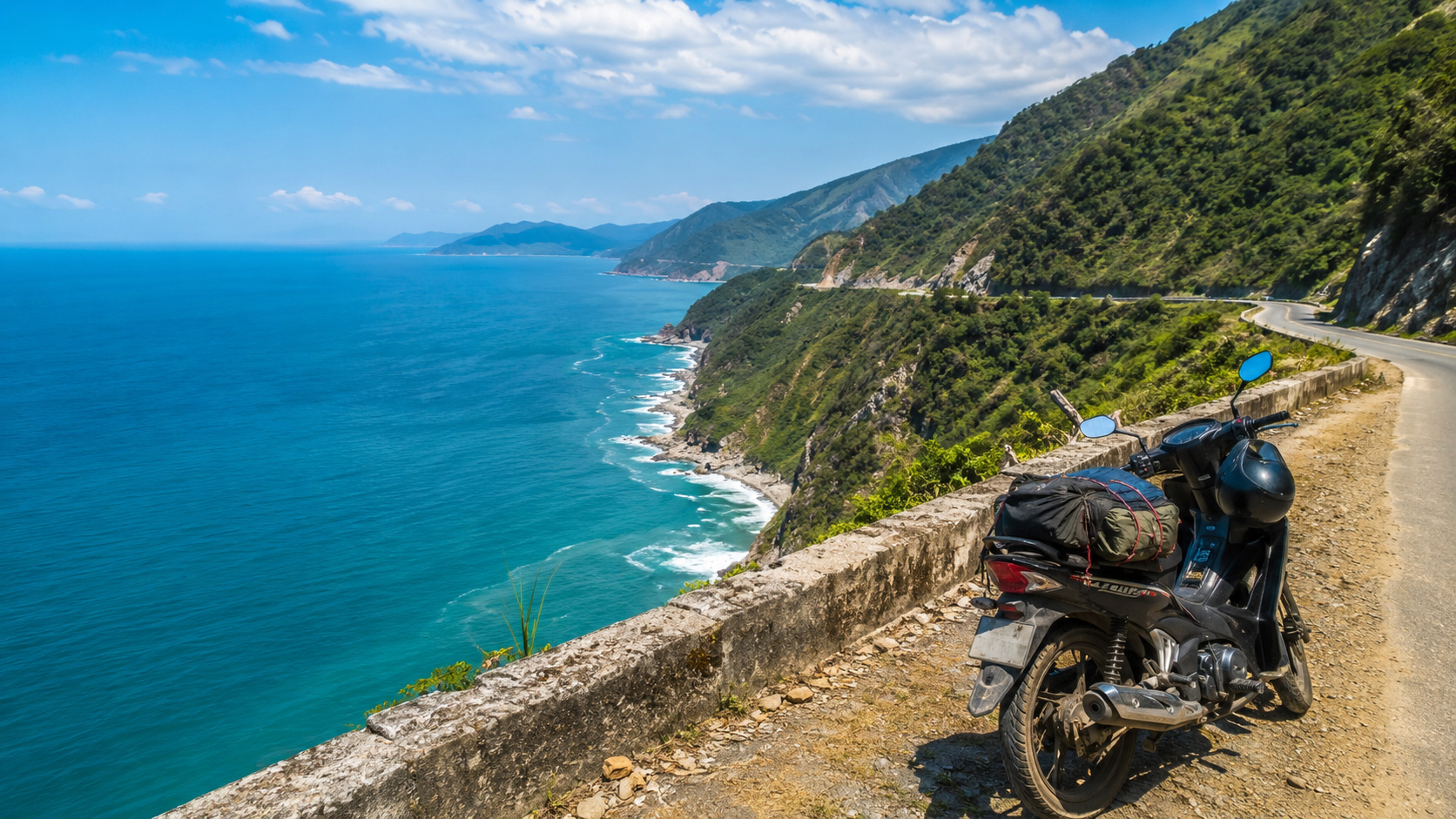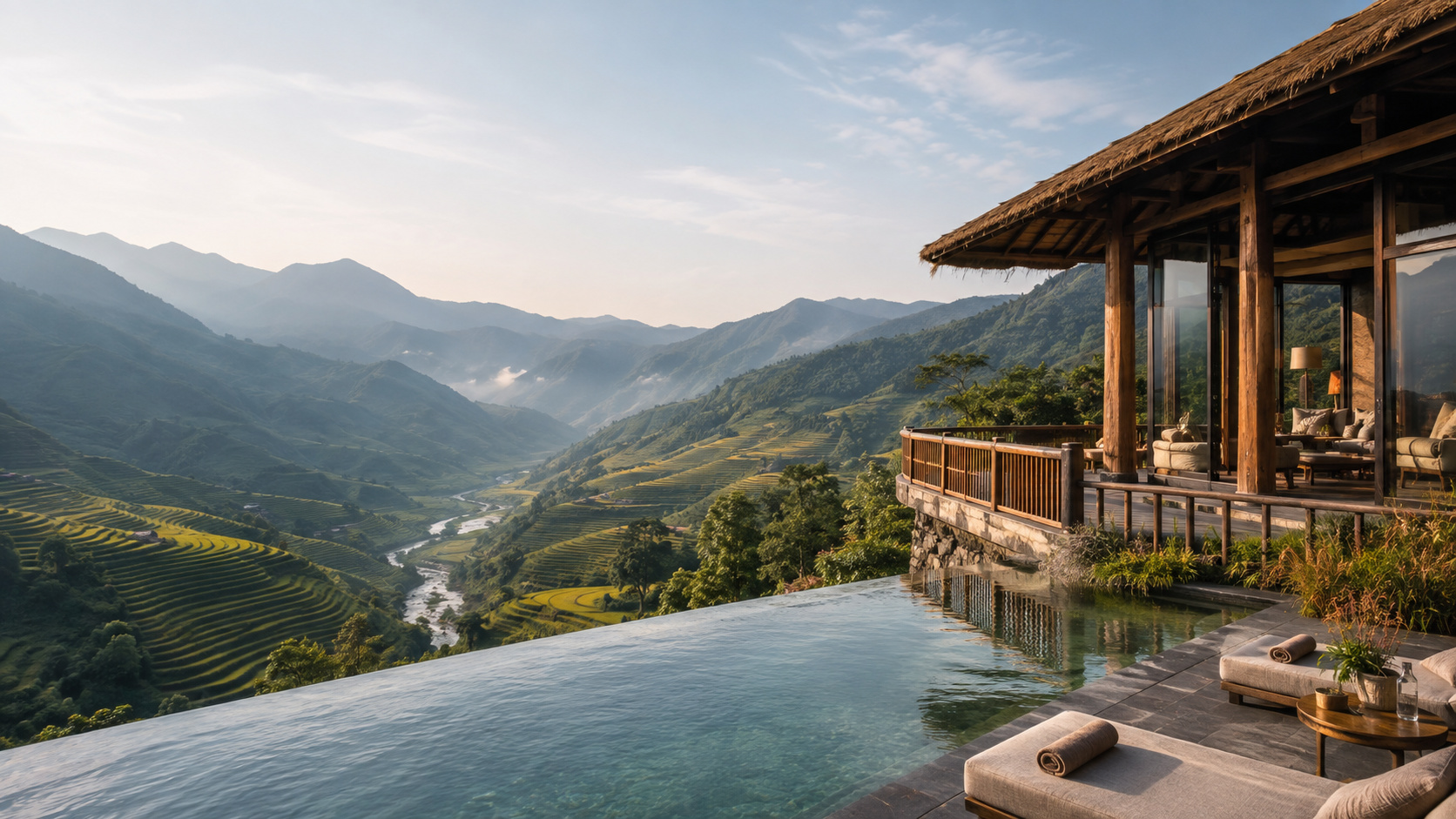


The best day excursions from Hanoi can reveal the diversity of northern Vietnam without requiring travellers to change hotels repeatedly. Within several hours, the Old Quarter, lakes and urban rhythm can give way to limestone mountains, rivers, villages, temples or bay scenery. Not every destination works equally well within one day, however, and a programme with many stops does not necessarily create greater value. The five reasons below explain why selected excursions deserve a place in a Vietnam itinerary, while also showing how to compare destination, transport, duration, activity level and local support. When these elements are planned carefully, the day feels comfortable and meaningful without weakening the remaining Hanoi schedule or the wider journey.
Why Day Excursions Add More Depth to a Hanoi Stay
The first three reasons concern the experience a day outside Hanoi can add. The capital provides an urban and cultural foundation, while nearby areas introduce different landscapes, rhythms and historical layers. Ninh Binh combines waterways, limestone scenery and heritage, Ha Long or Lan Ha Bay offers an open marine environment, and Mai Chau, craft villages or rural routes create a slower atmosphere. Selection should begin with what is missing from the existing itinerary rather than a checklist of famous names. When the purpose is clear, the excursion strengthens the journey instead of becoming another long transfer. The most successful day normally has one central theme, several supporting moments and enough time for travellers to notice the change in place.
Discover Landscapes That Contrast with the Capital
The first reason is the strong contrast between Hanoi and the landscapes beyond the city. After walking through historic streets, museums, lakes and busy neighbourhoods, a journey toward Ninh Binh, lower mountain areas or riverside communities changes both the view and the rhythm of the day. Travellers may take a boat, walk through a village or observe fields, limestone formations and religious spaces. This contrast is especially valuable on a first Vietnam visit because it shows that northern identity is not represented by the capital alone. A Hanoi neighbourhood guide helps travellers understand the urban starting point before comparing it with the quieter environment outside the city.
The contrast also appears in how people use space. Hanoi life unfolds on pavements, in alleys, around markets and along crowded streets. In the countryside, attention shifts toward boat landings, fields, communal courtyards, gardens and smaller roads connecting communities. A knowledgeable guide can explain differences in livelihoods, transport, meals and daily routines. When an excursion consists only of quick photo stops, this layer disappears. Each day should therefore include fewer places but enough time to observe and ask questions. Travellers can use a local experience logistics guide to compare walking, boating, cycling and community activities before choosing the type of contrast that suits the group.
A day excursion can also balance the energy of the wider itinerary. Travellers who have spent many hours in museums or dense urban areas may appreciate gentle outdoor activity, while those arriving after a demanding nature stage may prefer accessible heritage closer to Hanoi. Leaving the city does not always require strenuous movement. Boating, short walks, light cycling, a regional lunch and quiet observation can be combined according to fitness. The value lies in changing pace intentionally. When the day supplies what the journey is missing, travellers return to Hanoi refreshed rather than exhausted. This balance is more important than choosing the destination with the greatest number of attractions or the strongest social-media reputation.
Choose Between Nature, Heritage and Local Life
The second reason is the range of themes available within practical reach of Hanoi. Nature-focused travellers may prefer Ninh Binh, Ba Vi or a nearby mountain area, while people interested in history and belief may consider Hoa Lu, the Perfume Pagoda or an old village. Visitors wanting a marine landscape can examine a long day toward Ha Long Bay, although road time and the hours actually spent on the water require careful comparison. Rather than asking which excursion is most famous, travellers should ask which one adds the strongest missing element to their trip. A stop-order planning guide can help place the chosen day within a longer northern or national itinerary.
The theme should also determine the structure of the activities. A nature day may combine a boat ride, walking and lunch, whereas a heritage route needs sufficient interpretation and time to observe architecture. A craft-village visit should include a genuine process or conversation instead of only a showroom. Families often benefit from activities children can see, touch or join. Older travellers need advance information about steps, walking distance and boat access. When the theme, activity and traveller profile connect clearly, the excursion develops one coherent story. It avoids the common problem of combining unrelated stops simply because each one can be placed on the same vehicle route.
Add Variety Without Changing Hotels
The third reason is the ability to add variety without changing accommodation. Keeping the same Hanoi hotel reduces packing, check-in, laundry organisation and several minor transfers. This is particularly useful for shorter trips, families and travellers who want a stable base. The destination must still fit a sensible day length. Ninh Binh generally works more naturally as a return excursion than a distant mountain region, while Ha Long can create a very long day when no overnight stay is included. Travellers should compare a day trip with one night away, especially when early morning or late afternoon provides much of the atmosphere. Convenience should not be used to justify an itinerary that spends more time in the vehicle than at the destination.
How to Select and Organise the Right Excursion
The remaining two reasons concern selection and operation. A beautiful destination can still produce a tiring day when departure is unnecessarily early, transport does not match the group, lunch is unclear or the itinerary contains no recovery time. Travellers need to examine the people joining, total door-to-door duration, weather, visitor density and the activities that may change. The excursion must also sit correctly within the Hanoi stay, avoiding a tight connection with a flight, overnight train or another demanding day. When logistics are prepared properly, the programme preserves freedom while retaining a dependable structure. Clear planning also makes quotations easier to compare because travellers can see exactly where their time and money are being used.
Match the Destination to Age and Travel Style
The fourth reason is that different excursions can suit different ages, interests and activity levels. Couples may want scenery, private time and several gentle stops, while families need participatory activities, accessible toilets, suitable meals and predictable breaks. Friends may prefer cycling or a viewpoint climb, whereas older travellers often value convenient vehicles, fewer steps and moderate boat time. Before booking, the group should identify one main goal, its maximum comfortable walking level and any conditions it wants to avoid. These details remove unsuitable routes early. They are more useful than asking for the excursion that is described generally as best, because the strongest choice is the one that fits the actual travellers.
Adaptability also depends on group size and guiding style. A small group can usually adjust walking speed, rest periods and meals more easily than a large coach departure. The guide may notice who is tired, who wants deeper explanation and when a secondary stop should be removed. A private service is not automatically better when the programme remains overloaded or the quotation is vague. Travellers should confirm whether transport is private or shared, guest numbers, guiding language, tickets, meals and support at each stop. A private tour planning overview can help clarify which forms of flexibility genuinely improve the day and which premium labels add little practical value.
Check Timing, Transport and Weather
The fifth reason is that a carefully planned excursion protects both time and budget across the entire journey. Travellers should read the schedule from hotel departure to return, not only the advertised sightseeing duration. Road time may be affected by traffic, several pickups, service stops and waiting for boats or tickets. When a programme lists many attractions without explaining transfers, more detail is needed before payment. A strong day normally contains one principal experience, one or two supporting elements and enough recovery time. This structure is more dependable than a long list presented as greater value. It also allows the group to shorten a secondary activity without losing the central reason for leaving Hanoi.
Transport should match passenger numbers, luggage and comfort expectations. A private vehicle offers better time control and stopping flexibility, but the cost per person is higher for one or two guests. Shared transport may be economical, although multiple pickups and fixed timing reduce flexibility. Trains or public buses can suit selected routes when connections are clear, but travellers still need transport between stations and attractions. A transport planning guide helps compare the complete movement rather than one ticket. For Ninh Binh, boat and cycling sections must suit weather, while Ha Long requires confirmation of harbour, sailing time, meals and the final return to Hanoi.
Weather and season should be checked according to the activity rather than one general idea of northern Vietnam. Rain can make paths slippery, reduce visibility or alter boating, while high heat makes walking and stair climbing more demanding. Cold periods, wind or mist also change the experience on the bay and in mountain areas. The programme needs a lighter alternative such as a craft visit, longer lunch, covered stop or reduced physical section. Travellers should carry water, suitable footwear, seasonal layers and personal medicine. Practical preparation protects the group when real conditions differ from promotional photographs. It also allows the guide to adjust the order of activities without turning the whole day into an improvised replacement programme.
Maintain One Local Support Contact
One local support contact helps connect the excursion safely with the rest of the itinerary. The coordinator should know the pickup time, vehicle, attractions, tickets, meals, guest number and response when traffic or weather changes. Return timing must be confirmed so that the day does not threaten a flight, train or evening service. Travellers can share dates, ages, interests and activity limits to receive a suitable route rather than a fixed template. Reliable support does not promise that every original stop will operate in all conditions. It explains alternatives and costs before decisions are made, helping the excursion add value without creating pressure for the main journey or forcing travellers to coordinate several independent suppliers.
Add a Day Excursion at the Right Pace
The best day excursions from Hanoi deserve a place in a Vietnam itinerary for five connected reasons: they create landscape contrast, broaden the range of experiences, add variety without a hotel change, suit different traveller profiles and use limited time effectively when planned well. The destination should not be selected only because it is famous. Distance, season, fitness, transport and the position of the excursion within the whole route all matter. Tradition Việt can use the number of Hanoi nights, group ages, budget and main interests to suggest a balanced day with a realistic pace and practical alternatives. The strongest excursion complements Hanoi and the wider journey instead of competing with them for energy and time.
Tradition Việt contact information
Hotline: (+84) 967 04 88 91 / (+84) 376 304 008
Email: info@traditionviet.com
Address: CT2A Hanoi Homeland, Hanoi, Vietnam