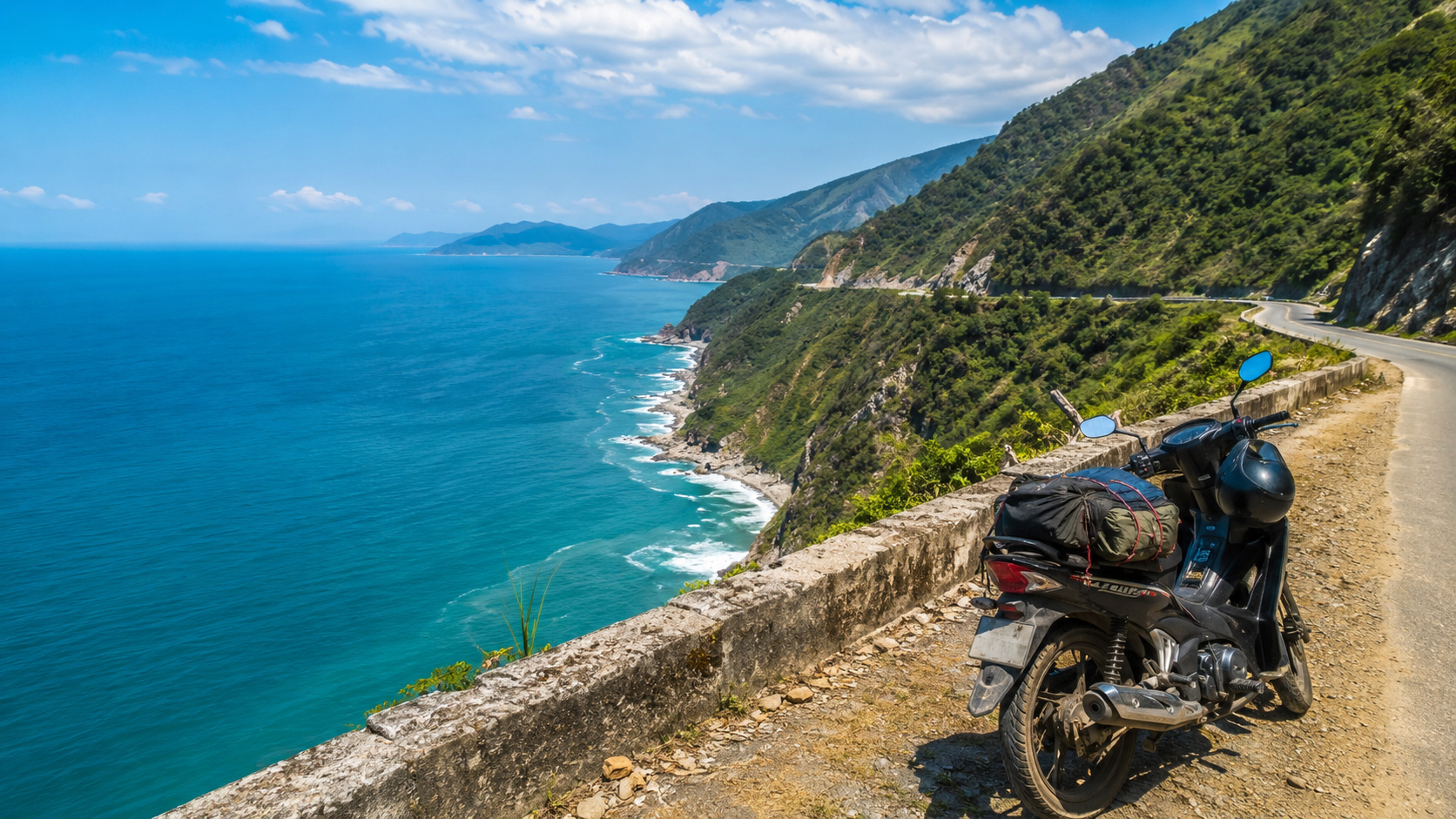


Backpacker friendly Vietnam tours work best when the budget is realistic rather than simply low. Vietnam can be excellent for independent travellers because local food, guesthouses, buses, trains, shared tours and walkable city experiences can create strong value. But a budget can collapse when the route is too ambitious, transfers are badly timed or “cheap” services create hidden costs. Backpacker travel should still protect safety, route logic and energy. The goal is not to spend as little as possible every day. It is to spend intentionally, save where the experience remains strong and invest where comfort, timing or local support prevents bigger problems.
Build the budget around the route first
The route is the biggest budget decision. A scattered Vietnam journey can become expensive even with cheap accommodation because every extra stop adds transport, check-in time, local transfers and fatigue. Backpackers often want to see Hanoi, Sapa, Halong Bay, Ninh Binh, Hue, Hoi An, Da Nang, Ho Chi Minh City, the Mekong Delta and Phu Quoc in one trip. That can work only with enough time. A realistic budget starts by reducing unnecessary movement. When the route has a clear line, the daily spending becomes easier to control.
Way one: Choose fewer regions if time is short
A short backpacking trip should not try to cover the whole country. Northern Vietnam alone can combine Hanoi, Ninh Binh, Sapa and Halong Bay. Central Vietnam can combine Hue, Hoi An, Da Nang and beach time. Southern Vietnam can combine Ho Chi Minh City, the Mekong Delta and islands.
A budget Vietnam tours guide can help travellers compare route value before adding too many stops.
Way two: Count transfer costs honestly
A bus ticket or train fare may look cheap, but transfer days still cost money. Food, local taxis, early check-in, luggage storage and lost activity time all matter.
Save on style, not on essentials
Backpacker travel does not mean accepting weak planning. It means choosing where simplicity is enough. A basic hotel in the right location may be better than a prettier place far outside the main area. A shared day trip may work well if the operator is clear. Local food can be both affordable and memorable. But travellers should be careful with services that look cheap because important inclusions are missing. Safety, realistic timing, clean accommodation and clear communication should remain protected. Budget travel becomes satisfying when the essentials are stable.
Way three: Protect accommodation location
A cheap room far from the useful area can cost more in taxis and time. In Hanoi, Hoi An or Ho Chi Minh City, walkable location can save money every day.
Before booking, check distance to food, pickup points, stations or main walking areas.
Location also improves safety after dark.
A modest place in the right neighborhood can be better value than a higher-rated place in the wrong one.
Way four: Use food as a budget strength
Vietnamese food is one of the best reasons backpackers can travel well on a moderate budget. Noodles, rice dishes, bánh mì, coffee, markets and local eateries can become daily highlights.
A guided food walk early in the route may even save money later because it teaches travellers what to order independently.
Way five: Mix independent days with selected tours
Not every day needs a tour. Old quarters, markets, beaches and café walks can be explored independently. But some places deserve support: Halong Bay, Mekong Delta routes, trekking or motorbike experiences.
A backpacker-friendly Vietnam planning guide can help decide when shared tours add value and when free exploration is enough.
Keep the route flexible without making it fragile
Backpacker travel often depends on flexibility, but too much improvisation can become expensive. Waiting until the last moment may raise prices for trains, flights, cruises or popular hostels. At the same time, booking every detail too early can reduce freedom. A realistic budget balances both. Lock the parts that matter most, keep some evenings free and leave space for weather, fatigue or new interests. Vietnam rewards travellers who can change plans, but only when the basic structure is strong.
Way six: Book key transport before peak periods
Busy travel periods can make last-minute transport harder and more expensive. Important trains, domestic flights or cruise transfers should be handled early.
Way seven: Avoid false economy on complex routes
Some destinations are easy to do cheaply. Others become stressful without support. The cheapest option is not always the best value if it causes delays, confusion or missed experiences.
A Vietnam budget and comfort guide can help travellers decide when to save and when to protect comfort.
Way eight: Ask for local help before the route becomes messy
Backpackers do not need a fully managed trip, but a light planning review can prevent expensive mistakes. Local help through budget Vietnam tours with local support can simplify route order, transfers and realistic daily costs.
Backpacker friendly Vietnam tours become stronger when the budget is built around route logic, not random savings. Choose fewer regions when time is short, count transfer costs honestly, protect accommodation location, use local food well and combine independent days with selected guided support. Vietnam is naturally generous to budget travellers, but only if movement and expectations are handled carefully. A realistic backpacker route should feel free, affordable and alive, not rushed, fragile or constantly compromised by hidden costs.
Tradition Việt
Hotline: (+84) 967 04 88 91 / (+84) 376 304 008
Email: info@traditionviet.com
Adresse: CT2A Hanoi Homeland