
All inclusive Vietnam trips can be adapted far more than many travellers expect. The phrase may sound fixed, but a good Vietnam itinerary should not feel like a sealed package. Hotels, meals, guides, transfers, domestic flights, day trips and free time can often be adjusted to match budget and pace. The best all-inclusive approach gives travellers clarity without removing personality. It protects the complicated parts while leaving enough space for local meals, slower evenings and meaningful discovery. The goal is not to buy the largest package. It is to build the right level of support around the way you actually want to travel.
Decide what “all inclusive” should mean for this trip
The first step is definition. Some travellers want every transfer, meal and tour arranged. Others want hotels and transport handled, but prefer free evenings and independent meals. Families may need practical certainty. Couples may want privacy and selected special moments. Premium travellers may want comfort and smooth service, while value-focused travellers may want essential support without unnecessary extras. Vietnam is flexible enough to support these different versions, but only if the definition is clear before booking. “All inclusive” should not mean identical for everyone.
Way one: separate essentials from extras
Essentials may include airport transfers, hotels, domestic movement, key guided tours and emergency contact. Extras may include every lunch, every dinner, premium room upgrades, optional shows or additional excursions.
A broad Vietnam travel agency guide can help travellers understand which services create real value and which can stay flexible.
Adjust the package around travel rhythm
Pace is often more important than category. A modest package with good rhythm can feel better than a luxurious package that is rushed. Travellers should look at the route day by day: how often hotels change, how many transfers occur, when guided tours happen and where rest is protected. In Vietnam, movement can be beautiful but tiring. Domestic flights, road trips, cruise transfers and city traffic all affect energy. A well-adapted all-inclusive trip should make the route feel smooth, not crowded.
Way two: choose fewer destinations with better stays
If the budget is limited, reduce the number of stops before reducing the quality of every day. Fewer destinations can mean fewer transfers, less fatigue and better hotel choices in places that matter.
A route with Hanoi, Halong Bay and Hoi An may feel stronger than a route that also forces in Sapa, Ho Chi Minh City and Phu Quoc without enough time.
Way three: protect two-night stays where possible
Two-night stays help travellers settle. They reduce packing pressure and allow one full day without constant movement. This is especially helpful in Hanoi, Hoi An, beach destinations and family routes.
One-night stays can work when the experience itself justifies them, such as an overnight cruise, but they should not dominate the trip.
For sample pacing, Vietnam travel itinerary ideas can help travellers see how arranged services and breathing space can fit together.
Way four: place guided tours where they add the most value
You do not need a guide everywhere. Use guiding where explanation or access matters: old towns, food walks, heritage sites, countryside routes, Mekong Delta experiences or first-day orientation.
Free time can remain independent. This keeps the budget controlled and the journey lighter.
Use food and hotels as flexible levers
In Vietnam, food and hotels strongly shape the feeling of the trip. They are also useful places to adapt budget and pace. A traveller may choose a simpler hotel in one city to afford a better cruise, or keep some dinners free to explore local food independently. A family may pay more for room comfort and reduce optional activities. A couple may protect one special meal rather than include every meal. A thoughtful all-inclusive trip does not treat every element equally. It places money where it improves the journey most.
Way five: include some meals, not all meals
Including every meal can feel convenient, but it may reduce food discovery. A better plan may include breakfasts, selected lunches during excursions and a few special dinners while leaving other evenings free.
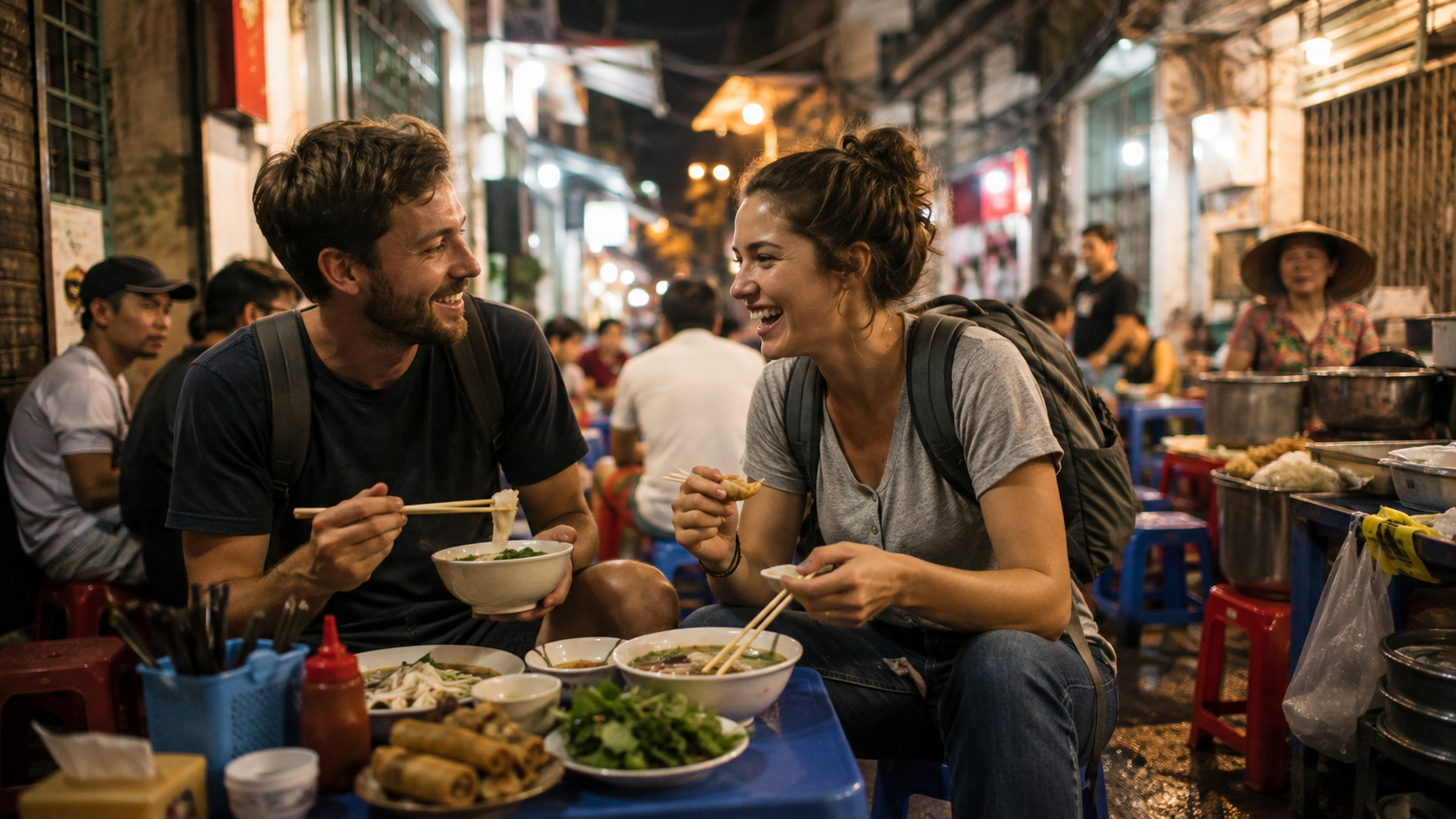
Vietnamese food is part of the travel experience. Local meals, cafés, markets and street food should have room to appear.
A food-focused addition such as Vietnam food tours can create more value than including generic meals every day.
Way six: choose hotel comfort strategically
Hotel budget should be used where it changes the day. In a city, location may matter more than luxury. At the beach, room comfort and resort setting may matter more. Before departure, airport convenience may matter most.
Travellers should not apply the same hotel rule everywhere.
For cost and comfort planning, Vietnam travel agency budget guidance can help adapt hotel level by stage of the route.
Way seven: keep optional experiences optional
Optional activities help different travellers share one trip without forcing the same pace. Cooking classes, spa time, cycling, craft villages, food walks or private upgrades can be offered without overloading everyone.
This is especially useful for families, mixed-age groups and couples with different energy levels.
For a tailored route, Vietnam personalized travel proposal can help adjust inclusions to both budget and pace.
All inclusive Vietnam trips work best when the package is adapted rather than accepted blindly. Separate essentials from extras, choose fewer destinations when needed, protect two-night stays, place guides strategically, include meals selectively, choose hotels by function and keep optional experiences flexible. Vietnam is too varied for one fixed formula. A good all-inclusive route should give travellers comfort and clarity while still leaving the country visible through food, streets, landscapes and local encounters. When budget and pace are balanced carefully, the trip feels supported without becoming rigid.
Tradition Việt
Hotline: (+84) 967 04 88 91 / (+84) 376 304 008
Email: info@traditionviet.com
Adresse: CT2A Hanoi Homeland