

All inclusive Vietnam trips can be excellent when they are designed with intelligence, but the phrase “all inclusive” should be read carefully. In Vietnam, a good package may include hotels, transfers, guided tours, domestic flights, cruises, meals, entrance tickets and local support. Yet more inclusions do not always mean more value. A trip can include too much, move too fast or leave too little independent time. The best all-inclusive plan gives clarity where travellers need support and flexibility where Vietnam should be experienced personally. These ten tips help travellers read the package beneath the promise and shape it into a better journey.
Understand what is truly included
The first step is simple but often skipped: read the inclusions line by line. Some packages include all meals, while others include breakfast and selected lunches. Some include private guides, while others use shared group tours. Some include domestic flights, but not luggage fees or airport transfers. A package that looks expensive may be good value if it protects important services. A cheaper package may become costly if key items are missing. Travellers should compare the real travel day, not only the headline price.
Tip one: separate essential inclusions from decorative inclusions
Essential inclusions may include airport transfers, well-located hotels, key guided days, cruise logistics and local assistance. Decorative inclusions may be activities that sound nice but do not improve the journey.
A travel agency Vietnam guide can help travellers understand how package components affect route value.
Make the route simpler before upgrading the package
A poor route remains poor even when it is all inclusive. Too many destinations, one-night stays and tight transfers can make a full-service itinerary feel exhausting. Before upgrading hotels or adding activities, travellers should ask whether the route itself works. Vietnam is long, and movement between north, central and south requires planning. The most valuable all-inclusive trip often has fewer stops, better timing and more depth. It protects the main experiences instead of adding more small inclusions.
Tip two: reduce unnecessary hotel changes
Every hotel change creates packing, checkout, transport and reorientation. Fewer changes often improve comfort more than adding another tour.
Tip three is to give each destination a role. Hanoi may be food and culture, Halong Bay may be water and pause, Hoi An may be atmosphere, and Ho Chi Minh City may be southern energy.
A Vietnam itinerary sample can help travellers see how route roles connect.
Tip four: keep transfer days light
If the package includes domestic flights or long road journeys, avoid heavy sightseeing immediately before or after them.
A fully arranged transfer day is still a transfer day.
Tip five: check whether private transfers matter
Private transfers can add value after international arrivals, for families, for cruise connections or when timing is tight. They may matter less on simple short city routes.
Use meals, guides and free time wisely
In Vietnam, meals and guides carry a lot of value, but they should be placed well. Including every meal can reduce local discovery. Including no guided food experience may miss one of the country’s richest pleasures. A guide can transform heritage sites and markets, but constant guiding can feel heavy. Free time can be valuable if the hotel is well located and the traveller knows how to use it. All-inclusive does not mean every hour should be controlled. It means the hard parts are handled and the enjoyable parts remain open enough.
Tip six: include selected meals, not automatic full board
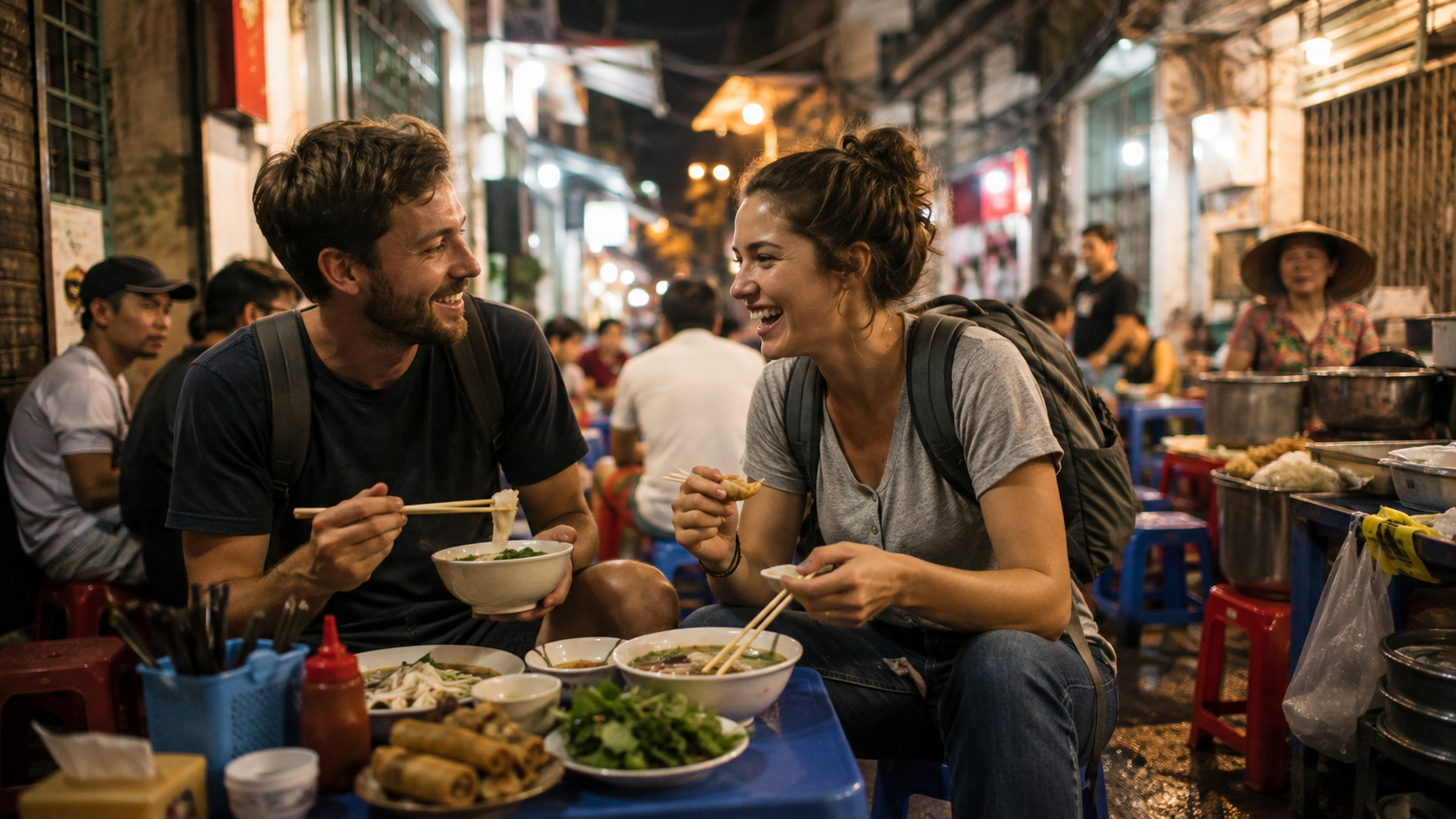
Breakfasts, excursion lunches and a few special dinners may be enough. Leave some evenings free for street food, cafés, seafood or local restaurants.
A Vietnam food tours guide can help turn selected meals into cultural experiences.
Tip seven: use guides where interpretation matters
Heritage, food, craft, countryside and river routes benefit from explanation. Beach afternoons and simple rest blocks usually do not need guiding.
Tip eight is to protect one or two free evenings. Tip nine is to ask how support works if plans change.
A local contact can be more valuable than another minor inclusion.
Tip ten: request a proposal around your budget and pace
An all-inclusive trip should still feel personal. A tailored Vietnam travel proposal can adjust inclusions before the package becomes rigid.
All inclusive Vietnam trips deliver the best value when travellers look beyond the label. Read inclusions carefully, simplify the route, reduce unnecessary hotel changes, protect transfer days and use guides where they truly add meaning. Meals should be selected with care, and free time should remain part of the experience. Vietnam is too rich for a package that controls every moment. A strong all-inclusive plan gives travellers security, rhythm and support while still leaving room for local food, streets, landscapes and personal discovery.
Tradition Việt
Hotline: (+84) 967 04 88 91 / (+84) 376 304 008
Email: info@traditionviet.com
Adresse: CT2A Hanoi Homeland